Few animals have inspired as many stories, legends, and symbolic interpretations as the fox. Found throughout folklore, mythology, literature, religion, and popular culture, the fox has become a powerful symbol that represents intelligence, adaptability, mystery, cleverness, and transformation. Yet its meaning is rarely one-dimensional.
Depending on the culture, historical period, and context, fox symbolism can reflect wisdom, deception, protection, spiritual guidance, independence, or even supernatural power.
Understanding fox symbolism helps us appreciate not only ancient traditions but also modern communication, branding, storytelling, psychology, and visual culture.
Symbols influence how people interpret ideas, emotions, identities, and narratives. The fox continues to appear in logos, films, literature, spiritual practices, educational materials, and cultural celebrations because its symbolic meaning remains deeply relevant today.
Whether you are researching mythology, exploring spiritual symbolism, studying cultural anthropology, creating a brand identity, or simply curious about what the fox represents, this guide offers a balanced, evidence-informed exploration of one of humanity’s most enduring animal symbols.
Featured Snippet: What Does Fox Symbolism Mean?

Fox symbolism generally represents intelligence, adaptability, resourcefulness, curiosity, strategic thinking, and resilience. Across different cultures, the fox may also symbolize transformation, protection, spiritual guidance, wisdom, trickery, or independence.
Its meaning varies according to historical traditions, mythology, religion, folklore, and personal interpretation.
What Is Fox Symbolism?
Quick Answer
Fox symbolism refers to the symbolic meanings people have associated with foxes throughout history rather than the biological characteristics of the animal itself.
Unlike literal observations about fox behavior, symbolism reflects how societies interpret the fox’s perceived qualities. Over thousands of years, humans noticed the fox’s cautious movements, remarkable survival skills, intelligence, and elusive nature. These observations gradually evolved into symbolic meanings that became embedded in myths, art, storytelling, religion, and cultural traditions.
Today, fox symbolism functions as a universal language that communicates ideas without lengthy explanations.
Why Has the Fox Become Such a Powerful Symbol?
Humans naturally assign symbolic meaning to animals whose behaviors appear unique or memorable.
Several characteristics contributed to the fox’s symbolic reputation:
- Exceptional adaptability
- Keen observation
- Quiet movement
- Problem-solving ability
- Survival in diverse environments
- Curiosity
- Patience
- Strategic hunting
- Intelligence
- Independence
Rather than representing physical strength like the lion or endurance like the camel, the fox often symbolizes success through intelligence rather than force.
Historical Origins of Fox Symbolism
Fox symbolism developed independently across multiple civilizations.
Ancient communities frequently observed wildlife and used animals to explain natural phenomena, moral lessons, and spiritual beliefs.
Early symbolic associations appeared in:
- Ancient East Asia
- Indigenous North American traditions
- European folklore
- Celtic mythology
- Japanese legends
- Chinese spiritual traditions
- Medieval storytelling
- Classical literature
Although these cultures developed separately, many associated the fox with intelligence and adaptability.
Fox Symbolism Across Different Cultures
| Culture | Primary Symbolic Meaning | Additional Interpretation |
| Japanese | Spiritual messenger, transformation | Protection, prosperity |
| Chinese | Longevity, wisdom | Magic, spiritual energy |
| Celtic | Guidance | Forest wisdom, intuition |
| Native American (varies by nation) | Intelligence | Survival, observation |
| European Folklore | Cleverness | Trickster, caution |
| Korean | Mystical transformation | Supernatural folklore |
| Modern Western Culture | Creativity | Adaptability, innovation |
The meanings differ because symbolism develops through cultural experience rather than universal rules.
Fox Symbolism in Japanese Culture
One of the world’s most influential interpretations comes from Japan.
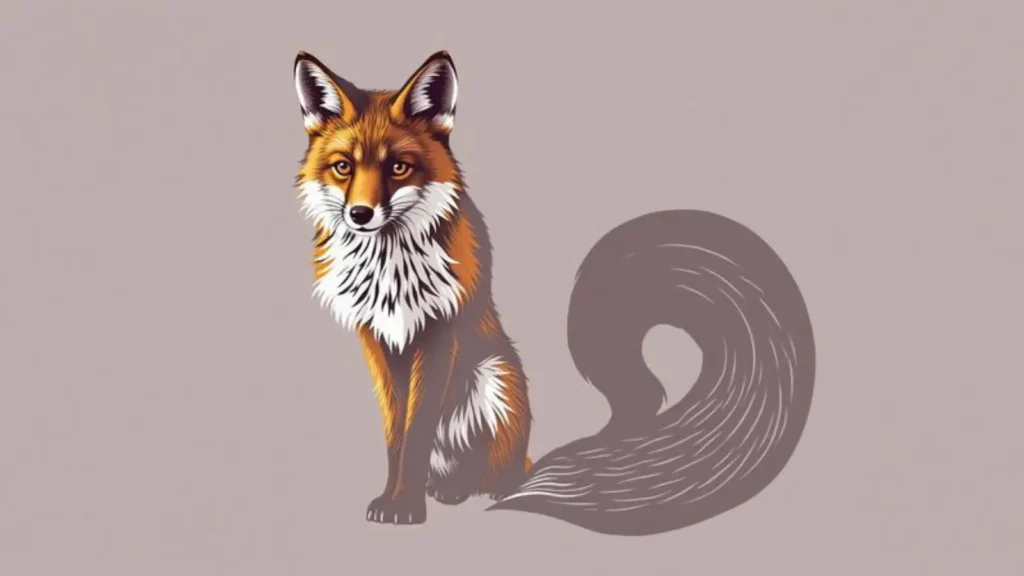
The kitsune (fox) occupies an important place in folklore.
Traditionally, foxes may be viewed as:
- Intelligent spirits
- Shape-shifters in folklore
- Protectors
- Messengers associated with divine figures
- Symbols of prosperity
- Guardians of sacred places
Some stories portray foxes as wise helpers, while others describe them as mischievous tricksters. These contrasting portrayals reflect the complexity of symbolic traditions rather than contradictions.
Fox Symbolism in Chinese Traditions
Chinese folklore presents the fox as a mystical creature with remarkable intelligence.
Depending on the historical source, fox symbolism may include:
- Wisdom
- Spiritual cultivation
- Longevity
- Magical transformation
- Good fortune
- Hidden knowledge
Certain legendary fox spirits became important literary figures that represented both temptation and enlightenment.
Fox Symbolism in Celtic Tradition
In Celtic storytelling, forests represented mystery and hidden knowledge.
The fox often symbolized:
- Safe guidance
- Awareness
- Clever navigation
- Respect for nature
- Strategic thinking
Rather than rushing into danger, the fox encouraged careful observation before action.
Fox Symbolism in Native American Traditions
There is no single Native American interpretation because hundreds of Indigenous nations possess unique cultural traditions.
Some communities associate foxes with:
- Observation
- Adaptability
- Family protection
- Intelligence
- Learning through experience
Other traditions emphasize caution against overgeneralizing symbolic meanings across Indigenous cultures.
Fox Symbolism in European Folklore
European fables frequently depict the fox as the clever character who succeeds through wit.
Examples include:
- Outsmarting stronger opponents
- Solving difficult problems
- Escaping danger
- Teaching moral lessons
However, medieval literature sometimes portrayed excessive cleverness as manipulation, reminding readers that intelligence should be balanced with ethics.
Spiritual Meaning of Fox Symbolism
Direct Answer
Spiritually, the fox often symbolizes awareness, intuition, adaptability, discernment, and personal transformation.
Many contemporary spiritual traditions interpret encounters with fox imagery as reminders to:
- Trust intuition
- Remain flexible
- Observe before acting
- Think creatively
- Adapt during life transitions
These interpretations belong to spiritual belief systems rather than scientific evidence.
Psychological Meaning of Fox Symbolism
From a psychological perspective, symbolic animals often represent human qualities rather than literal predictions.
The fox commonly represents:
- Creative problem-solving
- Strategic thinking
- Emotional intelligence
- Adaptability
- Independence
- Curiosity
- Cognitive flexibility
Modern psychology recognizes that symbols help people organize complex ideas and communicate identity through shared cultural meanings.
Fox Symbolism in Mythology

Foxes appear in myths throughout Asia and Europe.
Common mythological themes include:
Transformation
The fox represents personal growth and changing identity.
Hidden Knowledge
Foxes often know secrets unavailable to ordinary characters.
Threshold Guardian
The fox sometimes guides heroes between ordinary and supernatural worlds.
Trickster
Like many trickster figures, the fox challenges assumptions and encourages deeper thinking.
Religious Connections
Fox symbolism appears in several religious traditions, although interpretations differ significantly.
Examples include:
- Biblical references often use foxes symbolically to describe cunning or destruction in specific literary contexts.
- Japanese religious traditions associate foxes with sacred shrines through long-standing cultural beliefs.
- Buddhist stories occasionally use fox characters to illustrate moral lessons.
- Folk religions may interpret foxes as protective or supernatural beings.
Religious symbolism should always be understood within its historical and theological context.
Fox Symbolism in Art
Artists frequently use fox imagery because it communicates multiple ideas simultaneously.
Foxes may symbolize:
- Mystery
- Intelligence
- Elegance
- Freedom
- Wilderness
- Individuality
- Transformation
Modern illustrators, painters, photographers, and sculptors continue to reinterpret fox symbolism using contemporary artistic styles.
Fox Symbolism in Literature
Literature has greatly influenced modern perceptions of foxes.
Authors often use fox characters to represent:
- Outsmarting adversity
- Moral ambiguity
- Independence
- Survival
- Hidden wisdom
- Unexpected intelligence
Children’s literature usually emphasizes curiosity and cleverness, while adult fiction often explores more complex symbolic themes.
Fox Symbolism in Branding and Marketing
Many companies choose fox imagery because it conveys desirable brand characteristics.
Practical Applications
Fox-inspired branding may communicate:
- Innovation
- Intelligence
- Speed
- Adaptability
- Creative thinking
- Efficiency
- Modern problem-solving
Designers carefully consider cultural context because symbolism varies internationally.
Fox Symbolism in Modern Digital Communication
Today, symbols spread rapidly through:
- Social media
- Gaming
- Animation
- Digital illustration
- Emojis
- Brand mascots
- Educational media
Modern audiences often associate foxes with curiosity, creativity, intelligence, and playful confidence.
Color Variations in Fox Symbolism
| Fox Color | Common Symbolic Associations |
| Red Fox | Energy, intelligence, adaptability |
| White Fox | Purity, mystery, spirituality |
| Silver Fox | Wisdom, maturity, experience |
| Black Fox | Mystery, transformation, resilience |
These meanings are symbolic interpretations rather than universal beliefs.
Did You Know?
- Foxes appear in folklore on nearly every inhabited continent.
- Japanese fox legends have influenced films, literature, animation, and video games worldwide.
- Many cultures developed fox symbolism independently.
- Fox symbolism often reflects human observation of behavior rather than scientific characteristics.
- Modern logos continue using fox imagery to communicate intelligence and agility.
Expert Tip
When interpreting fox symbolism, always consider:
- Cultural background
- Historical period
- Religious tradition
- Artistic context
- Literary purpose
- Personal perspective
A fox in a medieval European fable may symbolize something entirely different from a fox in Japanese folklore or contemporary branding.
Myth vs. Fact
| Myth | Fact |
| Fox symbolism has one universal meaning. | Symbolic meanings vary widely across cultures and time periods. |
| Every fox sighting has spiritual significance. | Spiritual interpretations depend on individual beliefs and traditions. |
| Foxes always symbolize deception. | Many traditions emphasize wisdom, adaptability, and guidance instead. |
| Ancient meanings never change. | Symbolism evolves alongside society and culture. |
Common Mistakes When Interpreting Fox Symbolism
Avoid these common misunderstandings:
- Assuming all cultures share identical meanings.
- Treating folklore as historical fact.
- Confusing symbolic beliefs with scientific evidence.
- Ignoring historical context.
- Overlooking artistic intent.
- Believing every symbolic interpretation is universally accepted.
Balanced interpretation produces a more accurate understanding.
Practical Applications of Fox Symbolism
Fox symbolism remains relevant across numerous fields.
Education
Teachers use animal symbolism to explain literature, mythology, and cultural studies.
Graphic Design
Designers select fox imagery to communicate innovation and intelligence.
Storytelling
Authors create memorable characters using symbolic fox traits.
Branding
Businesses use fox symbols to reinforce strategic thinking and creativity.
Psychology
Therapists and educators may discuss symbolic animals to explore identity and personal narratives, while recognizing that meanings are subjective.
Cultural Studies
Anthropologists analyze fox symbolism to understand how societies assign meaning to nature.
Key Insights
- Fox symbolism is culturally diverse.
- Intelligence remains the most consistent symbolic theme.
- Spiritual meanings differ among belief systems.
- Historical context shapes symbolic interpretation.
- Modern branding continues using fox imagery effectively.
- Literature and folklore preserve symbolic traditions across generations.
- Symbols evolve alongside changing societies.
Why Fox Symbolism Still Matters Today
Modern life relies heavily on symbols.
From corporate logos and advertising campaigns to films, emojis, educational materials, and digital media, symbolic communication helps people quickly recognize values, personalities, and ideas.
Fox symbolism continues to represent qualities that remain valuable in contemporary society:
- Creative thinking
- Adaptability
- Innovation
- Strategic planning
- Emotional intelligence
- Curiosity
- Lifelong learning
Its enduring popularity demonstrates how ancient symbols continue influencing modern communication.
Conclusion
Fox symbolism is far more than a simple representation of cleverness. Across centuries and civilizations, the fox has embodied intelligence, adaptability, curiosity, transformation, resilience, and strategic thinking.
Yet its symbolic meaning is never fixed. Cultural traditions, historical contexts, religious beliefs, artistic intentions, and personal experiences all shape how the fox is understood.
Recognizing these diverse interpretations encourages a more thoughtful appreciation of symbolism itself. Whether encountered in mythology, literature, branding, psychology, education, visual design, or everyday storytelling, the fox reminds us that meaning is created through both shared cultural traditions and individual perspectives.
By understanding fox symbolism with historical awareness and cultural sensitivity, we gain deeper insight into how symbols continue to influence communication, identity, creativity, and human imagination.

Amelia Rosewood writes about symbolic meanings, ancient traditions, and the emotional connections between humans and symbols.
