Few colors carry as much symbolic depth as green. Associated with nature, growth, renewal, balance, prosperity, and hope, green symbolism has influenced civilizations for thousands of years. Whether appearing in forests, religious traditions, national identities, company logos, literature, or digital design, green continues to communicate powerful messages without saying a single word.
Yet the meaning of green is far from universal. While many cultures view it as a symbol of life and harmony, others associate it with jealousy, inexperience, illness, or even supernatural beliefs. These diverse interpretations make green one of the richest symbolic colors in human history.
Understanding green symbolism helps us better appreciate art, religion, psychology, branding, architecture, storytelling, education, and everyday communication. It reveals how a simple color shapes emotions, cultural identity, and human perception across generations.
Featured Snippet: What Does Green Symbolism Mean?
Green symbolism represents growth, renewal, nature, balance, prosperity, hope, and harmony. Across cultures, it often symbolizes life, healing, environmental awareness, and fresh beginnings, although its meaning can also include jealousy, immaturity, or mystery depending on historical, cultural, and social contexts.
What Is Green Symbolism?
Green symbolism refers to the meanings, emotions, values, and ideas people associate with the color green.
Unlike words, colors communicate instantly. Human beings naturally connect green with living plants, forests, fertile land, and seasonal renewal. Because of these associations, green has become one of humanity’s strongest visual symbols for life itself.
Green symbolism appears in numerous fields:
- Visual communication
- Religious traditions
- Fine arts
- Literature
- Fashion
- Architecture
- Interior design
- Environmental movements
- Brand identity
- Education
- Digital media
- Cultural ceremonies
Its symbolic meaning often depends on historical context and cultural interpretation rather than a single universal definition.
Historical Origins of Green Symbolism
Nature as the First Symbol
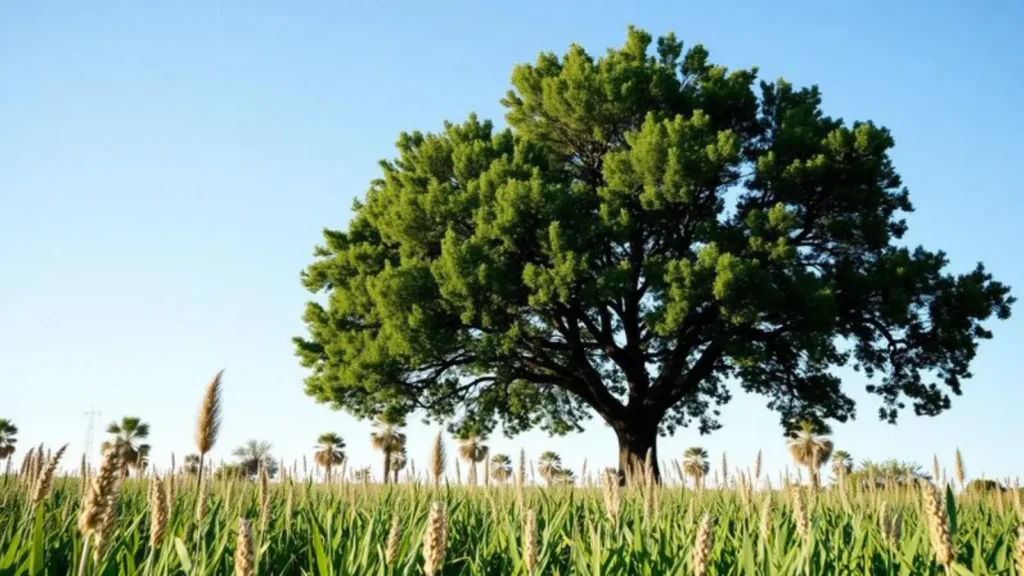
Long before written language existed, humans relied on observation.
Green landscapes meant:
- Water
- Food
- Fertile land
- Survival
- Safe environments
Dry, brown landscapes often represented scarcity.
Over time, green naturally evolved into a symbol of abundance and life.
Ancient Civilizations
Many ancient societies assigned spiritual significance to green.
Ancient Egypt
Green represented:
- Resurrection
- Fertility
- Eternal life
- Agricultural prosperity
The annual flooding of the Nile transformed dry land into fertile green fields, reinforcing these associations.
Ancient Greece
Greeks linked green with:
- Spring
- Youth
- Agriculture
- Vitality
However, some writings also associated pale green shades with sickness or instability.
Ancient Rome
Romans viewed green as a symbol of:
- Venus
- Gardens
- Fertility
- Beauty
- Growth
Green garments and decorations frequently appeared in celebrations connected with agriculture.
Why Does Green Symbolize Growth?
Direct Answer
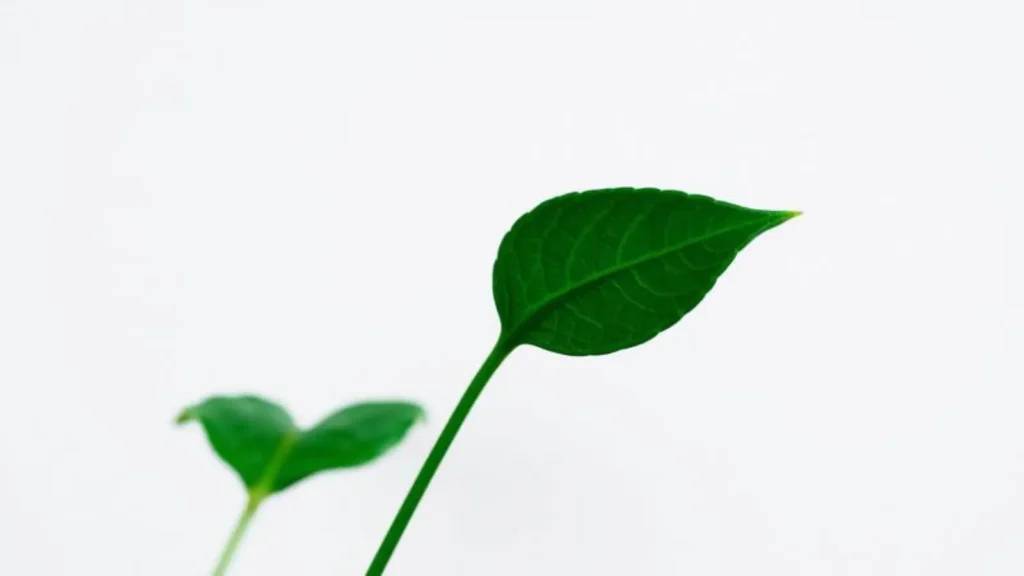
Green symbolizes growth because it is the dominant color of healthy vegetation, making it a natural representation of development, renewal, fertility, and continuous life.
This association remains deeply rooted in human psychology because people instinctively connect thriving ecosystems with survival and prosperity.
Psychological Meaning of Green
Color psychology studies how colors influence perception and emotional responses. While reactions vary among individuals and cultures, research suggests green often evokes feelings related to calmness and restoration.
Common psychological associations include:
- Calmness
- Emotional balance
- Stability
- Hope
- Optimism
- Healing
- Security
- Relaxation
Natural green environments are frequently associated with reduced mental fatigue and improved well-being, although individual experiences differ.
Green and Mental Restoration
Many parks, forests, and gardens are intentionally designed with abundant greenery because natural environments often help people feel refreshed.
This explains why hospitals, wellness centers, and therapeutic spaces frequently incorporate green into their surroundings.
Green Symbolism Across Different Cultures

| Culture | Common Symbolic Meaning | Additional Interpretation |
| Western cultures | Nature, growth, sustainability | Luck, money, jealousy |
| Islamic traditions | Paradise, peace, spirituality | Divine mercy |
| Chinese culture | Health, harmony, spring | Certain expressions give green different symbolic meanings depending on context |
| Japanese culture | Youth, freshness, vitality | Energy and renewal |
| Celtic traditions | Nature, fairies, sacred landscapes | Mysticism |
| Indian traditions | Harvest, prosperity, life | Balance and renewal |
| African traditions | Fertility, agriculture, community | Hope and abundance |
Although these interpretations are widely recognized, symbolic meanings can vary across regions, historical periods, and local customs.
Green Symbolism in Religion
Islam
Green holds exceptional significance in Islamic tradition.
It is commonly associated with:
- Paradise
- Peace
- Mercy
- Eternal life
- Spiritual beauty
Because of these associations, green appears frequently in Islamic art, architecture, textiles, and cultural traditions.
Christianity
Green often symbolizes:
- Resurrection
- Hope
- Spiritual growth
- Eternal life
Many Christian liturgical traditions use green during ordinary periods of the church calendar to represent ongoing spiritual development.
Hinduism
Green commonly represents:
- Balance
- Harvest
- Compassion
- Happiness
- Natural harmony
Buddhism
Green symbolizes:
- Wisdom
- Peace
- Compassion
- Harmony with nature
It can also represent enlightened action and balanced living.
Green Symbolism in Mythology and Folklore

Throughout folklore, green appears in many fascinating ways.
Examples include:
- Sacred forests
- Forest spirits
- Nature guardians
- Magical healing herbs
- Fertility rituals
- Spring festivals
European folklore often portrays green as the color of mysterious woodland beings, while many agricultural societies celebrate green during seasonal festivals marking renewal.
Green in Literature
Authors frequently use green symbolically to communicate themes without explicit explanation.
Common literary meanings include:
- New beginnings
- Innocence
- Personal growth
- Hope
- Renewal
- Envy
- Temptation
- Transformation
Depending on the story, green may represent either promise or hidden complexity.
Green Symbolism in Art
Artists use green to express both realism and emotion.
Green frequently represents:
- Peaceful landscapes
- Natural beauty
- Emotional healing
- Harmony
- Seasonal change
- Hope after hardship
Different shades also create different emotional effects.
| Shade | Symbolic Meaning |
| Emerald | Luxury, wisdom |
| Forest green | Stability, endurance |
| Olive green | Peace, diplomacy |
| Mint green | Freshness, renewal |
| Lime green | Energy, youth |
| Dark green | Wealth, maturity |
| Pale green | Healing, softness |
Green in Branding and Marketing
Modern brands strategically use green to communicate trust and environmental responsibility.
Green often suggests:
- Sustainability
- Organic products
- Fresh ingredients
- Eco-friendly practices
- Financial growth
- Health
- Wellness
- Ethical responsibility
Industries commonly using green include:
- Healthcare
- Agriculture
- Organic food
- Finance
- Environmental organizations
- Outdoor recreation
- Wellness
- Education
Consumers frequently associate green branding with environmental awareness, although the actual practices of individual organizations should always be evaluated independently.
Green Symbolism in Environmental Movements
Today, green has become the international visual language of environmental responsibility.
It commonly represents:
- Conservation
- Climate awareness
- Renewable energy
- Recycling
- Biodiversity
- Sustainable development
- Ecological balance
Because these meanings are widely recognized, green remains one of the most influential colors in environmental communication.
Green in Interior Design
Interior designers often use green to create comfortable, inviting spaces.
Benefits include creating visual impressions of:
- Relaxation
- Freshness
- Natural balance
- Comfort
- Productivity
- Calmness
Green appears frequently in:
- Living rooms
- Offices
- Schools
- Hospitals
- Hotels
- Wellness centers
Green Symbolism in Fashion
Fashion designers use green to express different personalities.
Various shades may communicate:
- Confidence
- Sophistication
- Luxury
- Freshness
- Creativity
- Individuality
- Environmental consciousness
Deep emerald tones often convey elegance, while lighter greens evoke youthfulness and vitality.
Green in Architecture
Architects increasingly incorporate green symbolism through:
- Living walls
- Green roofs
- Indoor gardens
- Sustainable materials
- Natural lighting
- Biophilic design
These features connect buildings with nature while reinforcing environmental values.
Green Symbolism in Education
Educational environments frequently incorporate green because it creates an atmosphere associated with:
- Concentration
- Balance
- Creativity
- Learning
- Curiosity
Outdoor classrooms and school gardens further strengthen students’ connection with natural environments.
Green in Digital Communication
Digital platforms also rely heavily on green symbolism.
Examples include:
- Success notifications
- Approved actions
- Active status indicators
- Secure connections
- Positive performance metrics
- Progress tracking
Users often interpret green icons as indicators of safety, completion, or positive outcomes due to widespread interface conventions.
Positive and Negative Symbolism of Green
| Positive Symbolism | Negative Symbolism |
| Growth | Jealousy |
| Hope | Envy |
| Healing | Inexperience |
| Renewal | Naivety |
| Nature | Greed |
| Balance | Illness (certain contexts) |
| Prosperity | Toxicity (specific shades) |
| Peace | Superstition (some traditions) |
The symbolic meaning depends greatly on context.
Did You Know?
- Green is one of the easiest colors for the human eye to process because it occupies the middle portion of the visible spectrum.
- Many national flags include green to symbolize agriculture, prosperity, faith, or natural landscapes.
- Environmental campaigns worldwide commonly rely on green to communicate sustainability.
- Numerous hospitals incorporate plants and green spaces into their designs to create restorative environments.
Expert Tip
When using green in branding or design, choose the shade carefully.
Dark greens often communicate trust, stability, and prestige, while lighter greens emphasize freshness, innovation, wellness, and environmental responsibility. Matching the shade to your intended message strengthens visual communication.
Common Mistakes About Green Symbolism
Assuming green means the same thing everywhere
Symbolic meanings vary significantly across cultures and historical periods.
Ignoring shade differences
Emerald, olive, mint, and lime green each evoke different emotions.
Confusing symbolism with scientific evidence
Color symbolism reflects cultural traditions and psychological associations rather than fixed universal laws.
Assuming every green brand is environmentally friendly
A green color palette may suggest sustainability, but it does not verify an organization’s environmental practices.
Myth vs. Fact
| Myth | Fact |
| Green always symbolizes nature. | Nature is common, but meanings differ across cultures. |
| Green has only positive meanings. | It can also symbolize envy, greed, or immaturity. |
| Every culture interprets green identically. | Cultural history strongly shapes symbolic meaning. |
| Color symbolism is scientifically universal. | Many interpretations arise from cultural traditions rather than universal rules. |
Practical Applications of Green Symbolism
Understanding green symbolism benefits professionals in many fields.
Applications include:
- Brand identity design
- Logo development
- Product packaging
- Marketing campaigns
- Interior decoration
- Educational materials
- Website design
- Environmental communication
- Public awareness campaigns
- Fine arts
- Storytelling
- Film production
- Game design
- Landscape architecture
- User experience (UX) design
Thoughtful use of green helps communicate values before a single word is read.
Key Insights
- Green has symbolized life for thousands of years.
- Nature remains its strongest symbolic foundation.
- Cultural interpretations add rich layers of meaning.
- Psychology links green with calmness and restoration for many people.
- Religion, literature, mythology, and art all use green extensively.
- Modern branding relies on green to communicate sustainability and trust.
- Symbolic meanings depend on context, culture, and shade.
Conclusion
Green symbolism continues to shape how people interpret the world around them. From ancient agricultural societies to modern digital platforms, the color green communicates ideas of growth, renewal, balance, prosperity, and harmony while also carrying more nuanced meanings such as envy or inexperience in certain contexts.
Its enduring influence spans religion, psychology, literature, art, architecture, branding, environmental communication, and education.
Although interpretations differ among cultures and traditions, green consistently serves as a powerful visual language that connects people with nature, identity, and hope.
Understanding green symbolism enables individuals, educators, designers, marketers, writers, and communicators to make more informed decisions about visual messaging.
As societies continue to evolve, green remains one of humanity’s most meaningful and universally recognizable symbolic colors.

Isabella Carter explores symbolism in nature, literature, art, and spirituality with engaging and informative research.
