For thousands of years, birds have inspired human imagination. Their ability to soar above mountains, oceans, and forests has made them powerful symbols of freedom, hope, wisdom, transformation, and the connection between heaven and earth.
Across civilizations, birds have appeared in myths, sacred texts, paintings, literature, architecture, and modern branding, carrying messages that go far beyond their physical presence.
Today, bird symbolism continues to shape storytelling, spiritual beliefs, personal growth, visual communication, and cultural identity.
Whether someone views a bird as a spiritual messenger, a symbol of resilience, or simply a reminder of nature’s beauty, its meaning often reflects both shared traditions and personal interpretation.
Featured Snippet: What Does Bird Symbolism Mean?
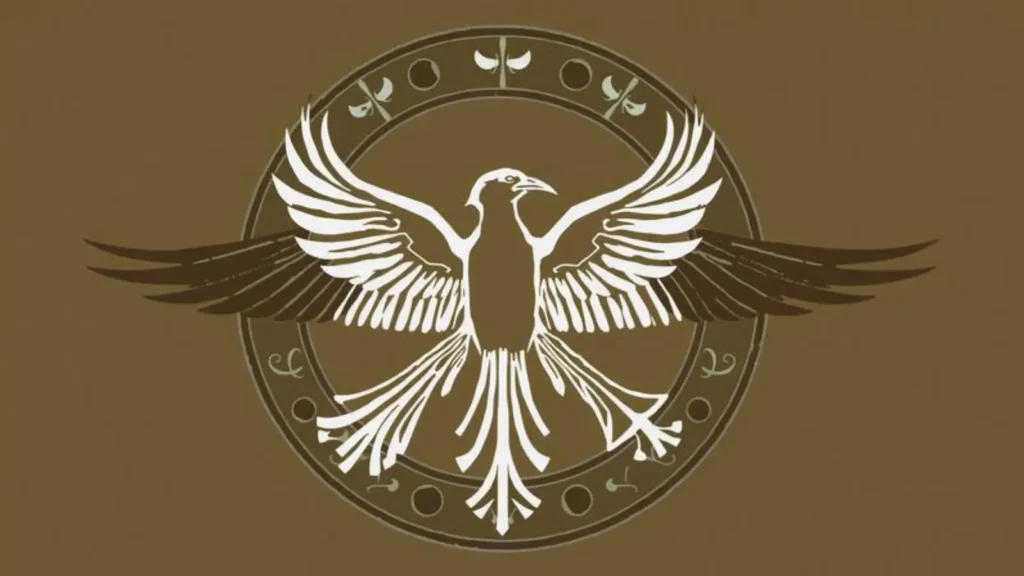
Bird symbolism refers to the cultural, spiritual, psychological, and artistic meanings associated with birds. Across different traditions, birds commonly symbolize freedom, hope, wisdom, transformation, communication, guidance, and the connection between the earthly and spiritual worlds, although interpretations vary depending on species, culture, and historical context.
What Is Bird Symbolism?
Quick Answer
Bird symbolism represents the ideas, emotions, and beliefs that people associate with birds throughout history. Because birds can fly between earth and sky, many cultures see them as symbols of transcendence, divine communication, and limitless possibility.
Unlike many symbols that remain fixed, bird symbolism changes according to:
- Cultural traditions
- Religious beliefs
- Mythology
- Individual bird species
- Historical period
- Geographic location
- Personal experiences
This flexibility makes birds one of humanity’s richest symbolic subjects.
Why Birds Became Powerful Symbols
Humans have observed birds since prehistoric times. Early societies noticed characteristics that seemed extraordinary:
- Flight beyond human capability
- Seasonal migration
- Beautiful songs
- Nest building
- Protective parenting
- Keen eyesight
- Survival across harsh environments
These natural behaviors gradually became symbolic ideas representing human hopes, fears, aspirations, and spiritual beliefs.
Historical Evolution of Bird Symbolism
Ancient Civilizations
Ancient Egyptians viewed birds as divine messengers and connected several bird species with gods and the afterlife.
In Mesopotamia, birds often represented heavenly authority and divine communication.
Ancient Greeks linked birds to prophecy, wisdom, and the gods, believing some species could reveal future events.
Romans carefully observed bird behavior during augury, interpreting flight patterns before major political or military decisions.
Medieval Period
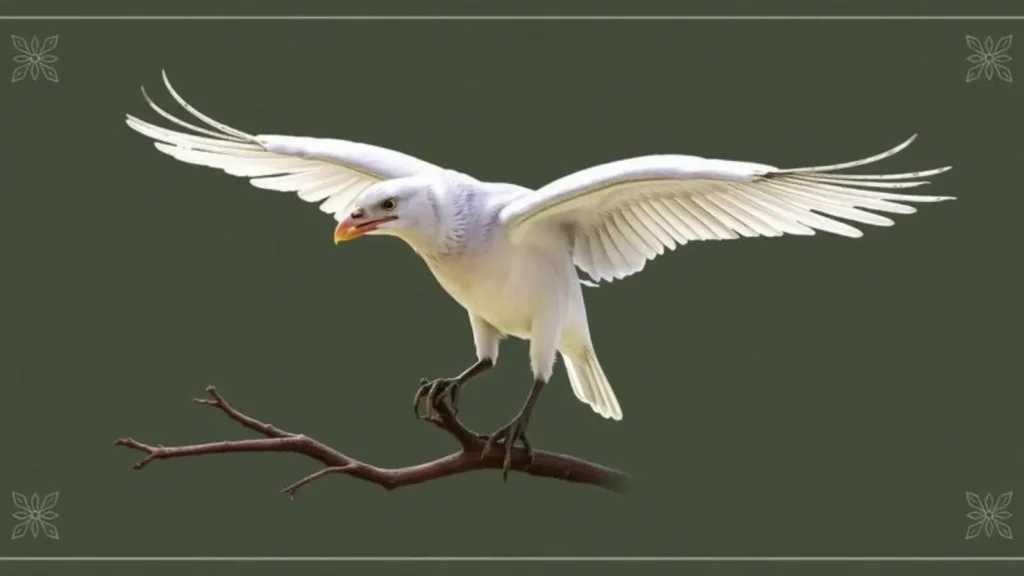
During medieval Europe, birds became common symbols in religious manuscripts, stained glass windows, and heraldry.
They represented:
- Purity
- Resurrection
- Divine guidance
- Moral lessons
- Spiritual virtues
Renaissance
Artists increasingly painted birds to symbolize:
- Love
- Peace
- Mortality
- Eternal life
- Human emotion
- Nature’s perfection
Modern Era
Today birds appear in:
- Corporate logos
- National emblems
- Conservation campaigns
- Literature
- Film
- Digital media
- Fashion
- Social media imagery
Their symbolism continues evolving while preserving ancient meanings.
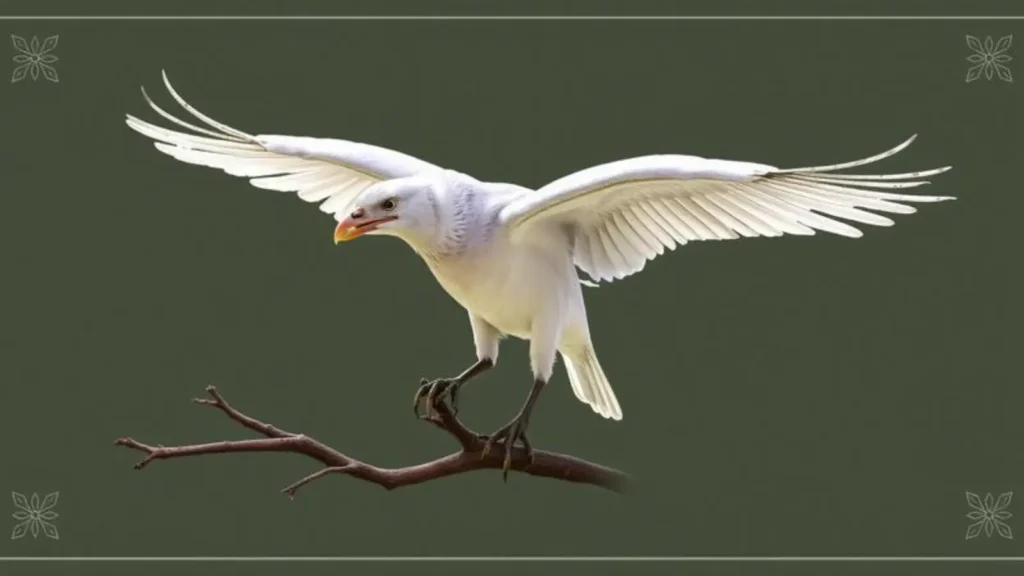
Core Symbolic Meanings of Birds
| Symbolic Meaning | Why Birds Represent It |
| Freedom | Ability to fly anywhere |
| Hope | New beginnings and dawn |
| Wisdom | Observation and intelligence |
| Peace | Gentle nature of many species |
| Spirituality | Connection between heaven and earth |
| Transformation | Migration and seasonal renewal |
| Communication | Songs and calls |
| Courage | Long migrations and survival |
| Vision | Excellent eyesight |
| Independence | Self-reliance in nature |
Bird Symbolism Across Different Cultures
Native American Traditions
Many Indigenous traditions view birds as sacred messengers.
Depending on the nation and local traditions, birds may represent:
- Guidance
- Protection
- Ancestors
- Natural balance
- Spiritual awareness
Interpretations differ widely among Indigenous communities and should not be generalized.
Chinese Culture
Birds often symbolize:
- Prosperity
- Happiness
- Longevity
- Good fortune
- Harmony
Certain species carry additional symbolic meanings in traditional Chinese art and folklore.
Japanese Culture
Birds commonly represent:
- Renewal
- Loyalty
- Seasonal beauty
- Fortune
- Endurance
They frequently appear in poetry, gardens, and traditional paintings.
Celtic Traditions
Birds were believed to travel between worlds, connecting humans with spiritual realms and hidden knowledge.
Many Celtic legends portray birds as guides during important life transitions.
African Traditions
Across Africa’s diverse cultures, birds may symbolize:
- Community
- Ancestors
- Wisdom
- Leadership
- Environmental balance
Meanings vary significantly among regions and ethnic traditions.
Bird Symbolism in Major Religions
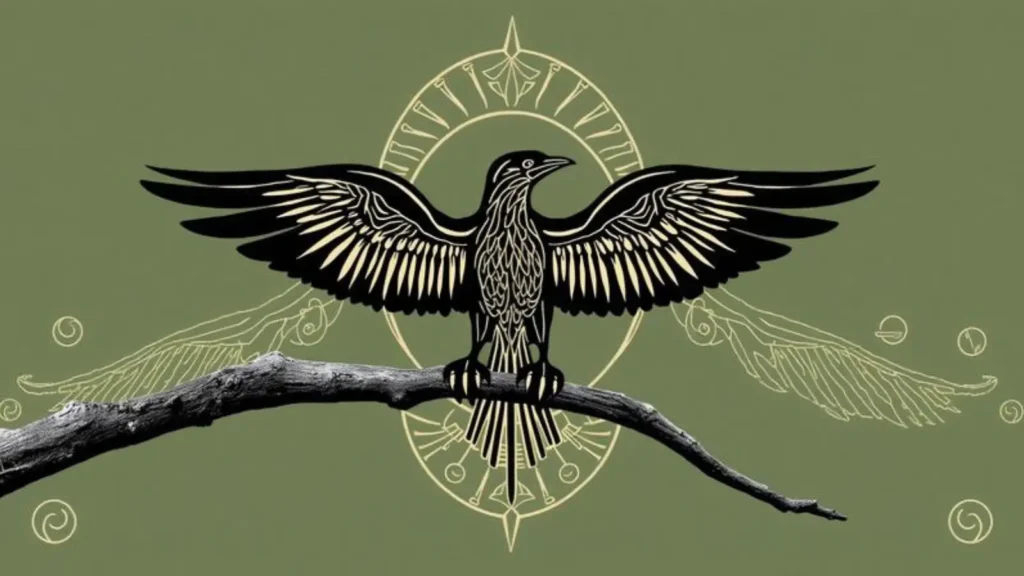
Christianity
Birds often represent:
- Divine care
- Resurrection
- Peace
- Faith
- Hope
The dove is especially associated with peace and the Holy Spirit.
Islam
Birds appear throughout Islamic literature and tradition as examples of God’s creation, wisdom, and natural order.
Many stories emphasize trust, gratitude, and reliance on God through observations of birds.
Hinduism
Bird symbolism includes:
- Divine vehicles
- Knowledge
- Strength
- Protection
- Cosmic order
Birds frequently accompany deities in sacred artwork.
Buddhism
Birds symbolize:
- Enlightenment
- Detachment
- Compassion
- Spiritual awakening
- Freedom from worldly attachment
Bird Symbolism in Psychology
Modern psychology often interprets birds as representations of the human mind.
Common psychological meanings include:
Personal Growth
Birds encourage moving beyond limitations.
Freedom
They represent emotional independence.
Perspective
Flying high symbolizes seeing life’s challenges from a broader viewpoint.
Hope
Birds often appear during periods of emotional healing.
Inner Voice
Birdsong symbolizes authentic communication and self-expression.
While dream interpretations vary, psychologists generally encourage considering personal experiences rather than relying on universal meanings.
Bird Symbolism in Dreams
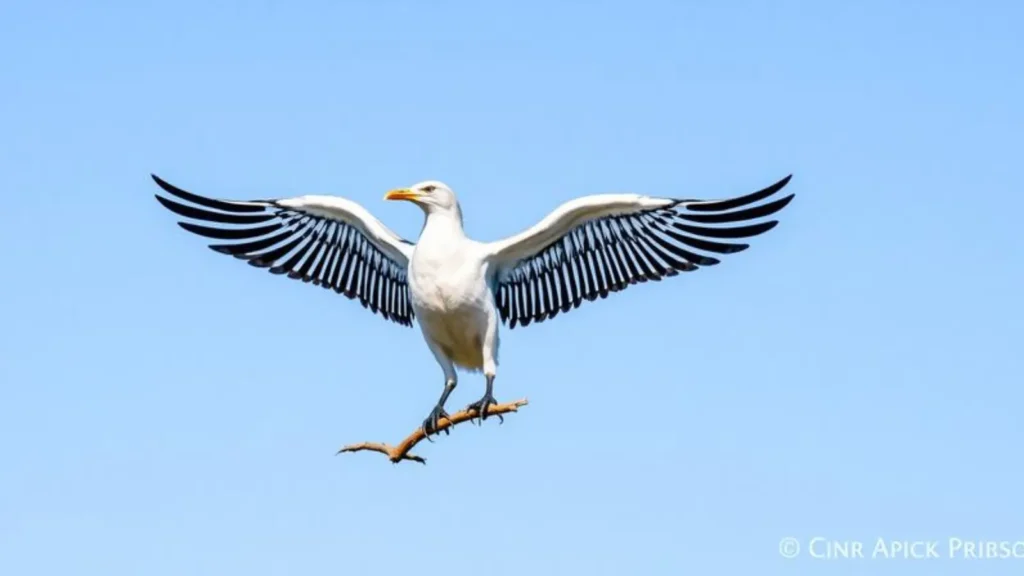
Dreams involving birds may symbolize:
- New opportunities
- Emotional freedom
- Personal transformation
- Spiritual exploration
- Communication
- Ambition
However, dream interpretation depends heavily on:
- Personal memories
- Cultural background
- Emotional state
- Specific bird species
- Dream context
No single interpretation applies universally.
Bird Symbolism in Mythology
Throughout mythology, birds often act as:
- Divine messengers
- Protectors
- Guides
- Heroes’ companions
- Omens
- Creators
Examples include legendary birds associated with rebirth, wisdom, and celestial journeys.
These stories reveal humanity’s long fascination with flight and transcendence.
Bird Symbolism in Literature and Art
Writers frequently use birds to express ideas that words alone cannot capture.
Common literary themes include:
- Freedom versus captivity
- Love and longing
- Mortality
- Hope
- Memory
- Journey
- Identity
Artists likewise use birds to create emotional depth through color, posture, movement, and composition.
Bird Symbolism in Branding and Design
Birds remain among the world’s most recognizable visual symbols.
Businesses often use bird imagery because it communicates:
- Innovation
- Speed
- Trust
- Vision
- Freedom
- Global reach
- Creativity
Designers choose bird symbols because they are instantly understood across many cultures.
Bird Symbolism in Folklore
Folk traditions worldwide include stories about birds predicting weather, bringing messages, or signaling important life events.
While these beliefs hold cultural significance, they are part of folklore rather than scientifically established facts.
Understanding this distinction helps preserve both cultural heritage and factual accuracy.
Bird Symbolism in Modern Media
Today’s films, novels, games, and digital storytelling continue using birds to symbolize:
- Resistance
- Survival
- Hope
- Intelligence
- Destiny
- Transformation
Social media has also expanded bird symbolism through emojis, illustrations, and visual storytelling.
Practical Applications of Bird Symbolism
Understanding bird symbolism can enrich many aspects of everyday life.
Education
Teachers use bird symbolism to explain mythology, literature, and cultural studies.
Branding
Companies use bird-inspired logos to communicate optimism and innovation.
Art
Artists employ birds to express emotional narratives.
Interior Design
Bird imagery creates feelings of openness and tranquility.
Personal Reflection
Many people use bird symbolism during journaling, meditation, or creative writing to explore themes of growth and resilience.
Comparison of Bird Symbolism Across Contexts
| Context | Common Interpretation |
| Psychology | Freedom, perspective |
| Religion | Divine connection |
| Mythology | Messenger of gods |
| Literature | Hope and transformation |
| Art | Beauty and emotion |
| Branding | Innovation and trust |
| Folklore | Omens and guidance |
| Education | Cultural learning |
| Modern Media | Personal empowerment |
Did You Know?
- Birds appear in nearly every major mythology worldwide.
- Many national flags and coats of arms feature birds as symbols of strength or identity.
- Bird migration has inspired symbolic ideas about endurance, return, and renewal for centuries.
- Artists have used birds to represent human emotions since ancient civilizations.
- Different bird species often carry distinct symbolic meanings, even within the same culture.
Expert Tip
When interpreting bird symbolism, always consider three important factors:
- The specific bird species.
- The cultural or historical context.
- Your personal experiences and emotional associations.
Balanced interpretation is more meaningful than relying on generalized symbolism alone.
Common Mistakes
❌ Assuming every culture gives birds the same meaning.
❌ Treating folklore as historical fact.
❌ Ignoring differences between bird species.
❌ Believing every bird encounter carries supernatural significance.
❌ Overlooking historical context.
Myth vs. Fact
| Myth | Fact |
| Every bird symbolizes freedom. | Different species represent different ideas. |
| Bird symbolism is identical worldwide. | Meanings vary across cultures and history. |
| Seeing a bird always predicts the future. | Many such beliefs belong to folklore rather than evidence-based knowledge. |
| Ancient meanings never change. | Symbolism evolves with society and culture. |
| All spiritual interpretations are universally accepted. | Interpretations differ among traditions and individuals. |
Key Insights
- Bird symbolism is one of humanity’s oldest symbolic traditions.
- Birds commonly represent freedom, hope, wisdom, and transformation.
- Cultural interpretations differ across regions and religions.
- Psychology often connects birds with personal growth and perspective.
- Modern branding continues using birds because of their universal visual appeal.
- Understanding symbolism requires historical, cultural, and personal context.
Why Bird Symbolism Still Matters Today
Bird symbolism remains relevant because symbols shape how people communicate, create, and understand the world. Whether appearing in education, architecture, religion, marketing, conservation campaigns, or digital media, birds continue to inspire powerful emotional and cultural connections.
Their symbolism reminds us that human meaning-making evolves alongside society while remaining rooted in nature and shared history.
Conclusion
Bird symbolism has endured across civilizations because birds embody qualities that humans have admired for millennia freedom, resilience, wisdom, hope, communication, and transformation.
From ancient mythology and sacred traditions to modern literature, branding, psychology, and digital storytelling, birds continue to serve as meaningful symbols that bridge nature, culture, and imagination.
Although symbolic interpretations differ across cultures and historical periods, understanding these diverse perspectives deepens our appreciation of both human creativity and the natural world.
Rather than offering fixed answers, bird symbolism invites thoughtful reflection, encouraging us to see how symbols influence communication, identity, art, religion, education, design, and everyday life.

Amelia Rosewood writes about symbolic meanings, ancient traditions, and the emotional connections between humans and symbols.
