Elephants have fascinated humanity for thousands of years. Their immense strength, remarkable intelligence, close family bonds, and gentle behavior have made them one of the world’s most respected symbolic animals.
Across continents and civilizations, elephant symbolism has evolved into a powerful representation of wisdom, resilience, loyalty, prosperity, memory, leadership, and spiritual protection.
Today, elephant symbolism appears everywhere from ancient temples and religious artwork to corporate branding, home décor, literature, tattoos, jewelry, digital media, and personal development.
Understanding what elephants symbolize provides valuable insight into human psychology, cultural identity, mythology, storytelling, and visual communication.
Featured Snippet: What Does Elephant Symbolism Mean?
Elephant symbolism represents wisdom, strength, intelligence, loyalty, protection, patience, prosperity, and long-lasting memory.
Across many cultures, elephants symbolize leadership, family unity, spiritual guidance, good fortune, resilience, and emotional intelligence, although interpretations may vary depending on cultural traditions, religious beliefs, and historical contexts.
What Is Elephant Symbolism?
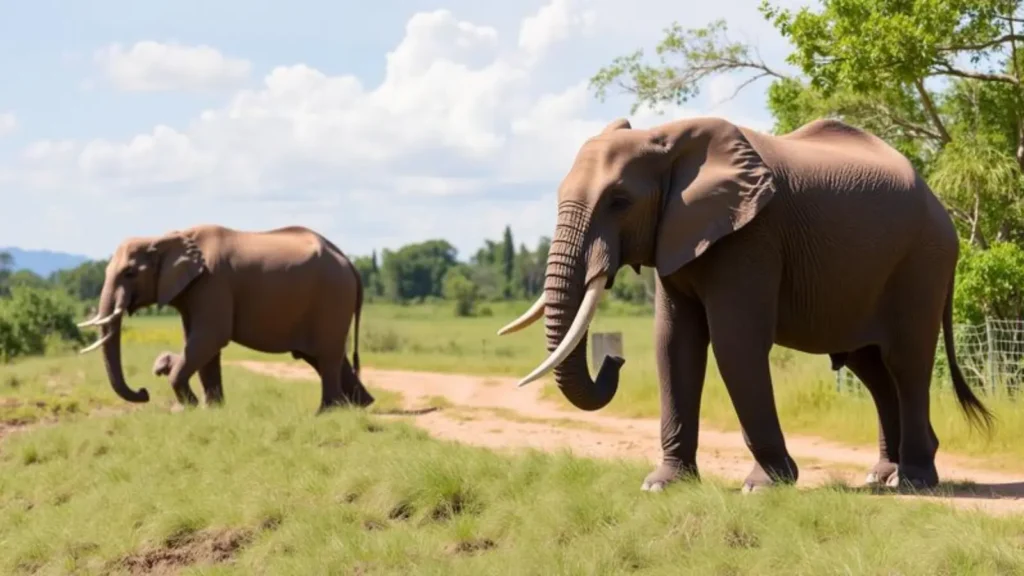
Elephant symbolism refers to the symbolic meanings people associate with elephants rather than their biological characteristics alone. Throughout history, humans have admired elephants for qualities that reflect important human values.
Common symbolic meanings include:
- Wisdom
- Intelligence
- Memory
- Strength with compassion
- Patience
- Stability
- Leadership
- Protection
- Family loyalty
- Prosperity
- Good luck
- Longevity
- Emotional resilience
- Spiritual awareness
Unlike predators that symbolize dominance through aggression, elephants often represent power guided by wisdom and responsibility.
Why Elephants Became Powerful Symbols
Direct Answer:
Elephants became powerful symbols because their behavior naturally reflects qualities humans admire, including intelligence, cooperation, nurturing family relationships, remarkable memory, and calm strength.
Several characteristics contributed to their symbolic importance:
- Large size inspired awe.
- Long lifespan represented endurance.
- Strong family bonds symbolized loyalty.
- Cooperative behavior represented community.
- Excellent memory inspired wisdom.
- Protective instincts symbolized guardianship.
- Gentle nature despite immense power reflected balanced leadership.
These observable traits helped shape symbolic interpretations across civilizations.
Historical Origins of Elephant Symbolism
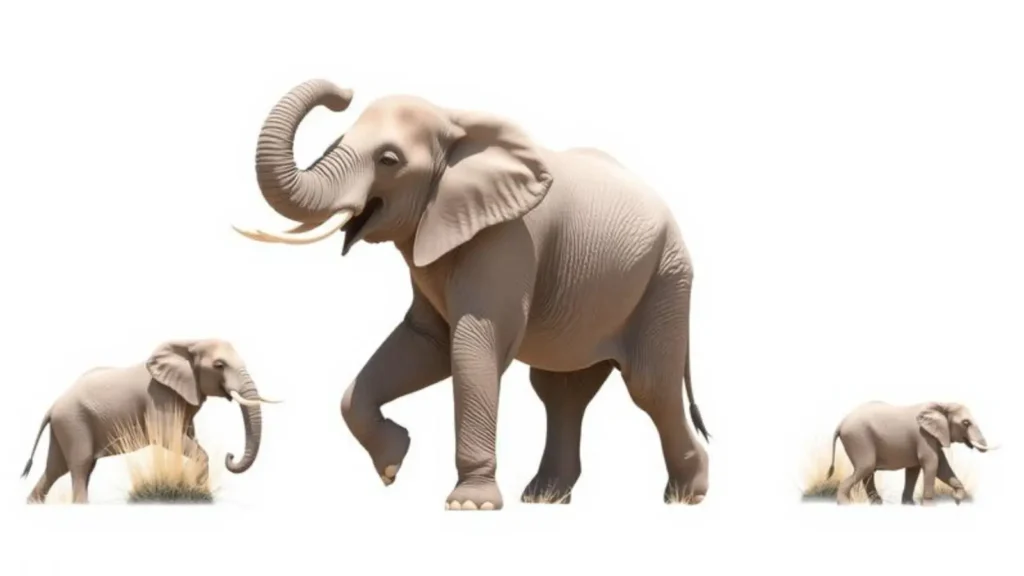
Human relationships with elephants date back thousands of years.
Ancient societies observed elephants in warfare, transportation, religious ceremonies, royal courts, agriculture, and forests. Over time, these practical roles expanded into symbolic meanings.
Historical influences include:
Ancient India
Elephants became sacred symbols connected with kingship, wisdom, rain, abundance, and divine protection.
Southeast Asia
Royal elephants symbolized political authority and prosperity.
Ancient Africa
Many communities viewed elephants as ancestral beings representing leadership, wisdom, and community responsibility.
Classical Europe
Although less common than lions or eagles, elephants represented military strength, intelligence, and extraordinary power after encounters during ancient wars.
Elephant Symbolism Across Different Cultures
| Culture | Primary Symbolism | Common Interpretation |
| India | Wisdom, prosperity, divine blessing | Sacred and spiritually significant |
| Thailand | Royal authority, good fortune | National pride and protection |
| Sri Lanka | Purity, dignity | Religious ceremonies |
| China | Strength, peace, longevity | Good luck and stability |
| Africa | Leadership, ancestors, memory | Community and wisdom |
| Buddhism | Mental strength, compassion | Spiritual awakening |
| Western cultures | Intelligence, resilience | Leadership and emotional strength |
Although meanings overlap, every culture emphasizes different aspects of elephant symbolism.
Elephant Symbolism in Hinduism
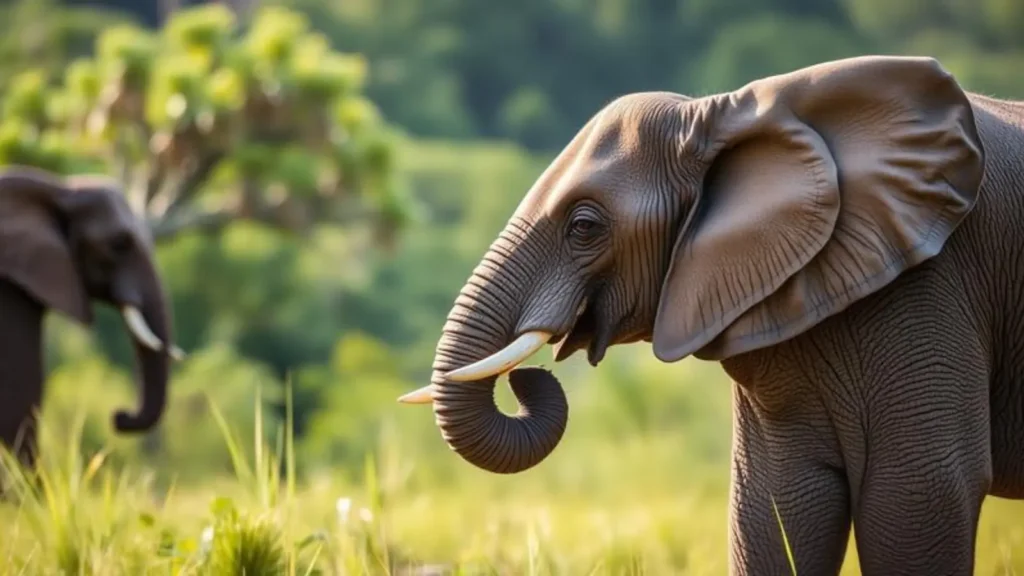
One of the strongest symbolic associations comes from Hindu traditions.
Elephants are closely connected with:
- Wisdom
- Prosperity
- Success
- New beginnings
- Obstacle removal
- Divine intelligence
The elephant-headed deity Ganesha symbolizes wisdom, learning, prosperity, and the removal of obstacles. Because of this connection, elephant imagery frequently appears in homes, businesses, temples, and celebrations.
Here, elephants symbolize intelligence combined with compassion rather than physical dominance alone.
Elephant Symbolism in Buddhism
Within Buddhist traditions, elephants symbolize:
- Mental discipline
- Compassion
- Inner strength
- Patience
- Enlightenment
- Spiritual progress
A calm elephant often represents a peaceful, trained mind.
Some Buddhist traditions also associate white elephants with purity, sacredness, and extraordinary spiritual events.
Elephant Symbolism in African Traditions
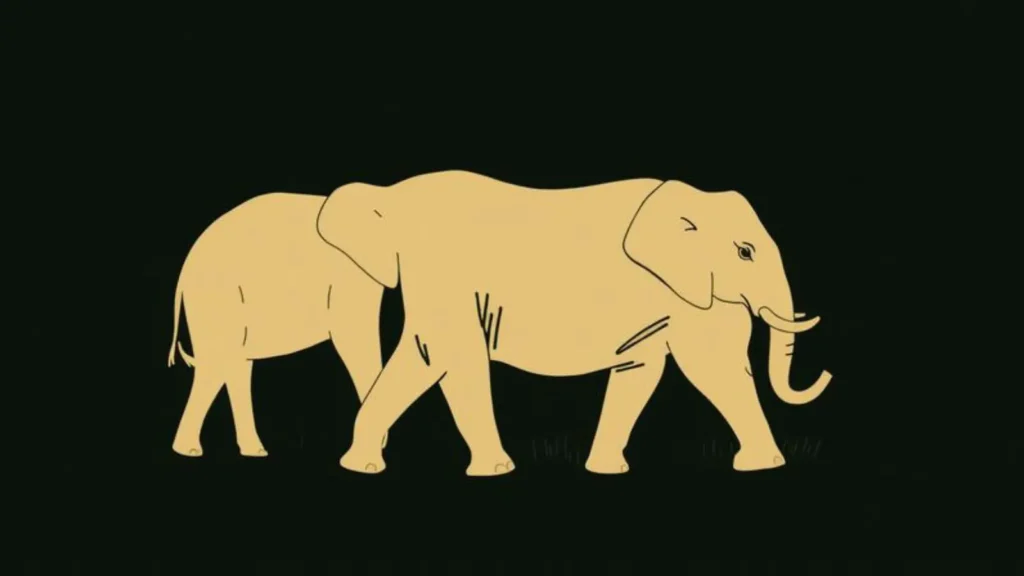
Across many African cultures, elephants symbolize:
- Wise leadership
- Respect for elders
- Collective responsibility
- Family unity
- Long memory
- Protection
Rather than viewing leadership as domination, elephant symbolism often emphasizes service, experience, and responsibility toward the community.
Because Africa contains many diverse cultures, interpretations vary between regions and traditions.
Elephant Symbolism in Chinese Culture
Chinese symbolism often connects elephants with:
- Peace
- Wisdom
- Success
- Harmony
- Longevity
- Stability
- Prosperity
In traditional decorative arts, elephants may appear carrying treasures, symbolizing abundance and good fortune.
Elephants also represent calm determination instead of impulsive action.
Psychological Meaning of Elephant Symbolism
From a psychological perspective, elephant symbolism reflects qualities people aspire to develop.
Common psychological interpretations include:
Emotional Intelligence
Elephants are known for complex social relationships and nurturing behaviors, making them symbols of empathy.
Resilience
Their calm behavior under difficult conditions symbolizes emotional stability.
Wisdom
People associate elephants with thoughtful decision-making rather than impulsive reactions.
Secure Leadership
Elephants demonstrate leadership through protection and cooperation rather than intimidation.
Modern psychology does not assign universal symbolic meanings to animals, but symbolic interpretations remain influential in storytelling, therapy, literature, and personal reflection.
Spiritual Meaning of Elephant Symbolism
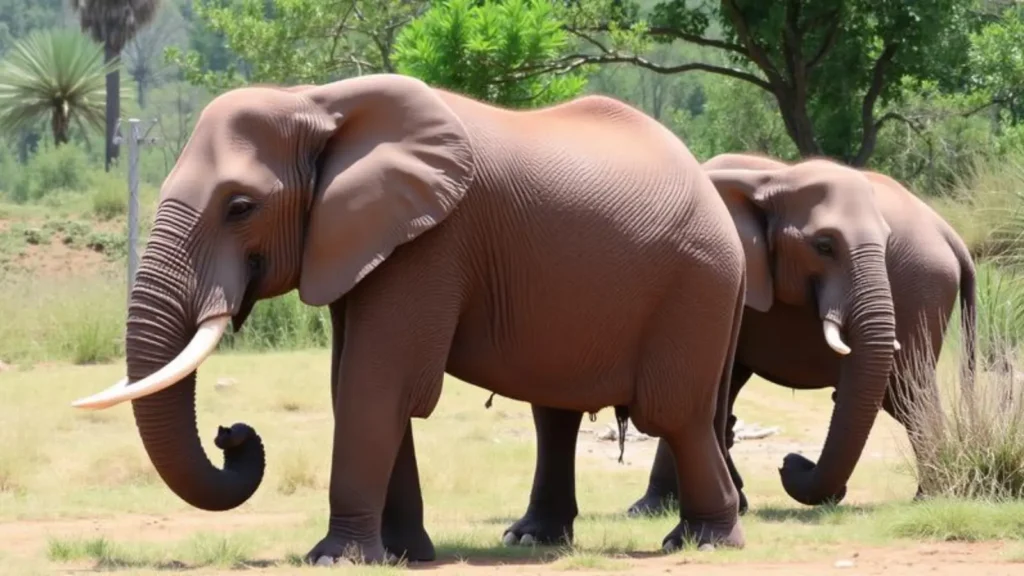
Spiritually, elephants commonly symbolize:
- Inner wisdom
- Protection
- Guidance
- Stability
- Trust
- Faith
- Sacred knowledge
- Life purpose
- Grounded energy
Many spiritual traditions view elephants as reminders to move through life with patience, compassion, and confidence.
These interpretations arise from cultural and religious traditions rather than universally accepted scientific evidence.
Elephant Symbolism in Mythology and Folklore
Elephants appear in numerous myths and legends.
Common themes include:
- Guardians of sacred knowledge
- Divine messengers
- Protectors of kingdoms
- Symbols of cosmic balance
- Carriers of wisdom
- Rain-bringers
- Protectors of nature
Folklore often uses elephants to teach lessons about humility, responsibility, patience, and cooperation.
Elephant Symbolism in Literature
Authors frequently use elephants as literary symbols to represent:
- Memory
- History
- Family legacy
- Responsibility
- Leadership
- Compassion
- Endurance
Unlike aggressive symbolic animals, elephants often represent quiet strength, where true power comes from wisdom and emotional maturity.
Elephant Symbolism in Art and Architecture
Artists have long used elephants to communicate symbolic ideas.
Examples include:
- Temple carvings
- Palace sculptures
- Religious paintings
- Textile designs
- Ceremonial decorations
- Monumental architecture
- Modern public art
Architectural elephant imagery often symbolizes protection, permanence, and prosperity.
Elephant Symbolism in Branding and Marketing
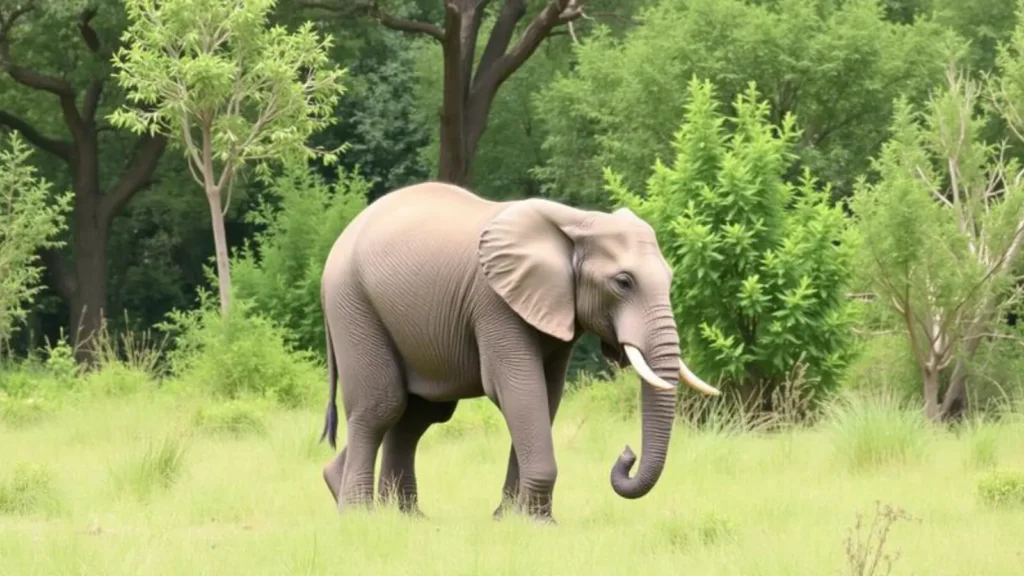
Modern brands use elephant imagery because consumers naturally associate elephants with positive qualities.
These include:
- Reliability
- Trustworthiness
- Intelligence
- Stability
- Longevity
- Strength
- Leadership
Organizations working in finance, education, conservation, healthcare, and logistics often benefit from these symbolic associations.
Successful branding uses elephant symbolism carefully, respecting cultural meanings rather than relying on stereotypes.
Elephant Symbolism in Dreams
Dream interpretations vary widely across cultures and psychological approaches.
People commonly associate elephant dreams with:
- Personal growth
- Hidden wisdom
- Major responsibilities
- Family relationships
- Emotional strength
- Long-term success
- Protection
Dream meanings are subjective and should not be interpreted as universal facts or predictions.
Elephant Symbolism in Tattoos
Elephant tattoos remain popular because they combine beauty with meaningful symbolism.
Common meanings include:
- Family love
- Strength
- Good fortune
- Wisdom
- Overcoming hardship
- Loyalty
- Personal resilience
- Spiritual growth
Tattoo symbolism often reflects individual experiences alongside cultural traditions.
Elephant Symbolism in Home Décor
Many people display elephant statues, artwork, or decorative pieces because they symbolize:
- Prosperity
- Protection
- Peace
- Stability
- Good fortune
- Harmony
Interpretations depend on personal beliefs and cultural traditions rather than guaranteed outcomes.
Comparison: Positive vs. Negative Symbolic Interpretations
| Positive Symbolism | Less Positive Interpretations |
| Wisdom | Heavy responsibilities |
| Strength | Slow progress |
| Loyalty | Emotional burdens |
| Protection | Overprotectiveness |
| Stability | Resistance to change |
| Leadership | Carrying too much responsibility |
| Memory | Difficulty letting go of the past |
Balanced symbolism recognizes that symbols often carry multiple meanings depending on context.
Practical Applications of Elephant Symbolism
Elephant symbolism continues influencing modern communication.
Applications include:
- Logo design
- Corporate identity
- Educational materials
- Conservation campaigns
- Storytelling
- Children’s literature
- Interior design
- Jewelry
- Fine arts
- Leadership coaching
- Personal branding
- Cultural education
Designers frequently use elephant imagery when communicating trust, resilience, wisdom, or long-term stability.
Did You Know?
- Elephants are among the most intelligent mammals.
- They display complex social relationships.
- Female elephants typically live in closely connected family groups.
- Many cultures have honored elephants for thousands of years.
- Elephant symbolism remains influential across religion, literature, design, and education today.
Expert Tip
When interpreting elephant symbolism, always consider the cultural and historical context. A symbol that represents prosperity in one tradition may emphasize leadership, ancestry, or spiritual wisdom in another. Context leads to more accurate and respectful interpretations.
Common Mistakes
- Assuming every culture interprets elephants identically.
- Treating symbolic beliefs as scientific facts.
- Ignoring historical context.
- Oversimplifying religious symbolism.
- Believing symbolism predicts future events.
- Confusing personal symbolism with universal meanings.
Myth vs. Fact
| Myth | Fact |
| Elephant symbolism has one universal meaning. | Symbolic meanings vary across cultures and traditions. |
| Elephant symbols guarantee good luck. | They represent cultural beliefs rather than proven outcomes. |
| Elephant symbolism is purely religious. | It also appears in psychology, branding, literature, art, and education. |
| Only Asian cultures value elephant symbolism. | African and many other cultures also attribute deep symbolic meaning to elephants. |
Why Elephant Symbolism Still Matters Today
Even in today’s digital world, elephant symbolism remains highly relevant.
It helps people communicate complex ideas visually without lengthy explanations.
Modern uses include:
- Brand storytelling
- Emotional marketing
- Cultural education
- Conservation awareness
- Visual identity
- Leadership development
- Personal growth
- Social media design
- Creative writing
- Educational resources
The enduring appeal of elephants demonstrates how symbols continue shaping communication across generations.
Key Insights
- Elephant symbolism centers on wisdom, strength, loyalty, memory, and protection.
- Cultural interpretations differ while sharing many common themes.
- Religious traditions have significantly influenced symbolic meanings.
- Psychology explains why humans connect animal behavior with personal values.
- Modern branding continues using elephant symbolism because it communicates trust and stability.
- Context always matters when interpreting symbolic meanings.
Conclusion
Elephant symbolism has endured for centuries because it reflects qualities that people consistently admire wisdom, patience, resilience, compassion, loyalty, and responsible leadership.
From ancient mythology and religious traditions to modern branding, literature, education, architecture, and digital communication, elephants continue to serve as powerful symbols of strength guided by intelligence rather than force.
Understanding elephant symbolism also encourages greater appreciation for cultural diversity. While interpretations differ across societies, they often converge on shared values such as family, protection, stability, and thoughtful leadership.
Recognizing these meanings enriches our understanding of visual communication, storytelling, and human identity while reminding us that symbols are shaped by history, belief, and lived experience rather than universal rules.

Isabella Carter explores symbolism in nature, literature, art, and spirituality with engaging and informative research.
