Hydrangeas are among the world’s most expressive flowering plants. Their large, cloud-like blossoms and remarkable range of colors have made them symbols of gratitude, heartfelt emotion, abundance, humility, apology, and transformation across different cultures.
Yet hydrangea symbolism is far more complex than a single definition. Depending on history, color, region, and tradition, these flowers can represent everything from sincere appreciation to emotional distance.
Understanding hydrangea symbolism offers insight into how flowers communicate without words. Whether used in gardens, weddings, literature, religious celebrations, branding, or personal gifts, hydrangeas continue to shape human expression through their rich symbolic language.
Hydrangea Symbolism in 40–60 Words (Featured Snippet)
Hydrangea symbolism represents gratitude, heartfelt emotions, abundance, understanding, grace, transformation, and sincere appreciation. Depending on the flower’s color and cultural tradition, hydrangeas may also symbolize apology, humility, prosperity, emotional depth, or changing relationships. Their symbolism reflects both historical customs and modern interpretations across art, spirituality, literature, and everyday life.
What Does Hydrangea Symbolism Mean?
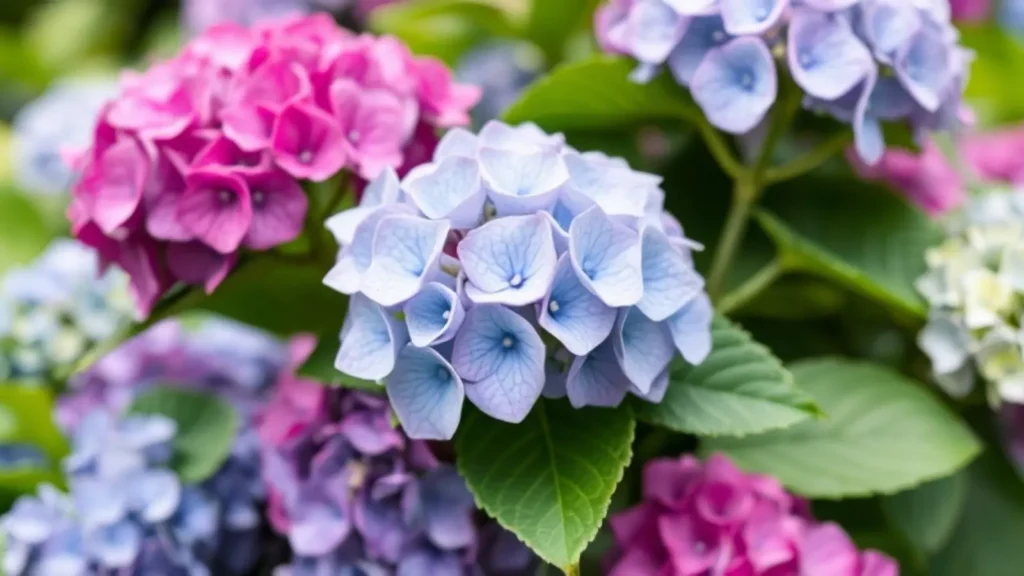
At its core, hydrangea symbolism revolves around emotion expressed through beauty.
Unlike flowers associated with a single universal meaning, hydrangeas communicate multiple emotional layers because of their distinctive characteristics:
- Their abundant petals symbolize generosity.
- Their changing colors represent transformation.
- Their rounded flower clusters signify unity.
- Their long blooming season reflects endurance.
- Their lush appearance symbolizes prosperity.
Modern flower symbolism often combines these meanings rather than treating them separately.
The Origins of Hydrangea Symbolism
Hydrangeas originated primarily in East Asia, especially:
- Japan
- China
- Korea
Some species are also native to North and South America.
The botanical name Hydrangea comes from Greek:
- Hydor = water
- Angos = vessel or jar
The name references the plant’s need for moisture rather than its symbolic meaning.
As hydrangeas spread to Europe during the eighteenth century, they accumulated new symbolic interpretations shaped by Victorian flower language, regional folklore, and artistic traditions.
Historical Evolution of Hydrangea Symbolism
Ancient East Asian Traditions
In Japan, hydrangeas became associated with:
- gratitude
- heartfelt apology
- sincere emotion
- compassion
- understanding
Many historical stories describe nobles presenting hydrangeas after neglecting loved ones, transforming the flower into a symbol of genuine remorse and appreciation.
Chinese Cultural Associations
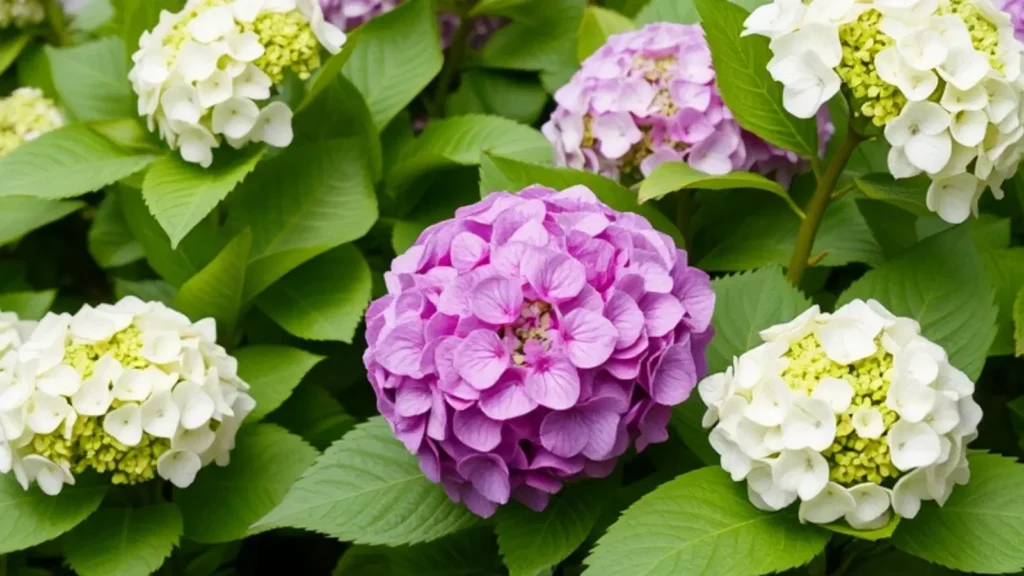
Chinese symbolism often emphasizes:
- prosperity
- family harmony
- abundance
- good fortune
- elegance
Their full blooms naturally align with ideas of wealth and flourishing households.
Victorian England
During the Victorian era, flowers served as a coded language.
Hydrangeas acquired several interpretations, including:
- boastfulness
- vanity
- heartfelt emotion
- gratitude
- emotional reserve
These seemingly contradictory meanings reflected differing social customs rather than universal agreement.
Modern Interpretations
Today, hydrangeas most commonly symbolize:
- appreciation
- emotional honesty
- gratitude
- abundance
- beauty
- growth
- personal transformation
Modern floral design emphasizes these positive interpretations far more than older Victorian associations.
Why Hydrangeas Symbolize Transformation
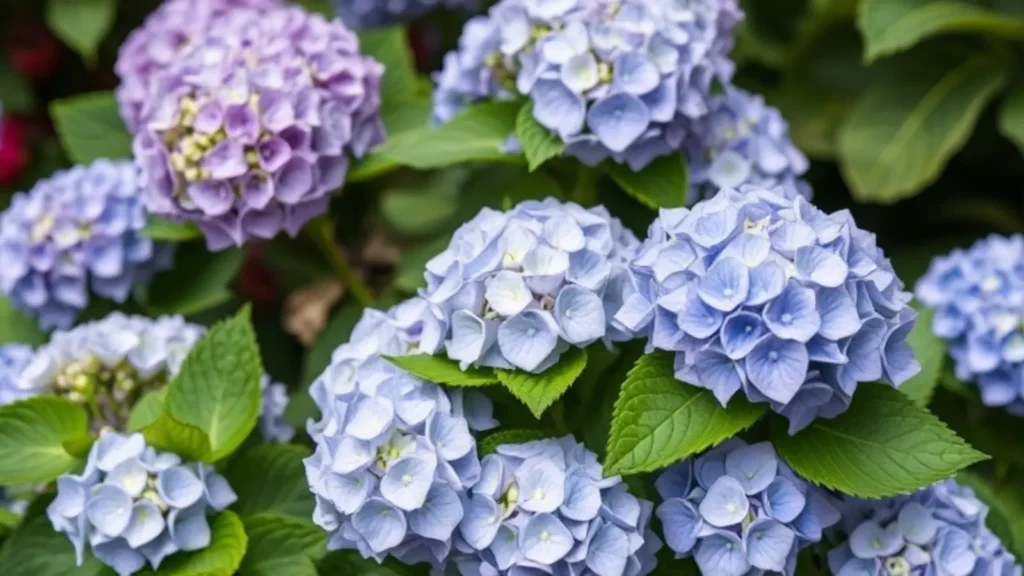
One fascinating aspect of hydrangea symbolism comes from science.
Hydrangea flower color often changes according to soil chemistry, particularly soil pH and aluminum availability.
Because the same plant may bloom:
- blue
- pink
- purple
- violet
people naturally associate hydrangeas with:
- adaptability
- personal growth
- life transitions
- emotional evolution
- resilience
Scientific color variation has strengthened symbolic interpretations over time.
Hydrangea Color Symbolism
| Hydrangea Color | Common Symbolism | Typical Occasions |
| Blue | Forgiveness, understanding, peace | Apologies, reconciliation |
| Pink | Love, romance, heartfelt emotion | Weddings, anniversaries |
| White | Purity, grace, sincerity | Memorials, ceremonies |
| Purple | Royalty, spirituality, wisdom | Celebrations, achievements |
| Green | Renewal, health, fresh beginnings | Housewarmings, recovery |
Color symbolism varies across cultures and personal traditions.
Hydrangea Symbolism Across Different Cultures
Japan
Hydrangeas often symbolize:
- gratitude
- heartfelt apology
- emotional honesty
- appreciation
- enduring affection
They are especially admired during Japan’s rainy season when many temples display blooming hydrangea gardens.
China
Chinese symbolism frequently connects hydrangeas with:
- prosperity
- abundance
- harmony
- family unity
- blessings
Their rounded blooms resemble fullness and completeness.
Europe
European symbolism developed through Victorian flower language and later evolved into meanings of:
- elegance
- gratitude
- emotional understanding
- sophisticated beauty
North America
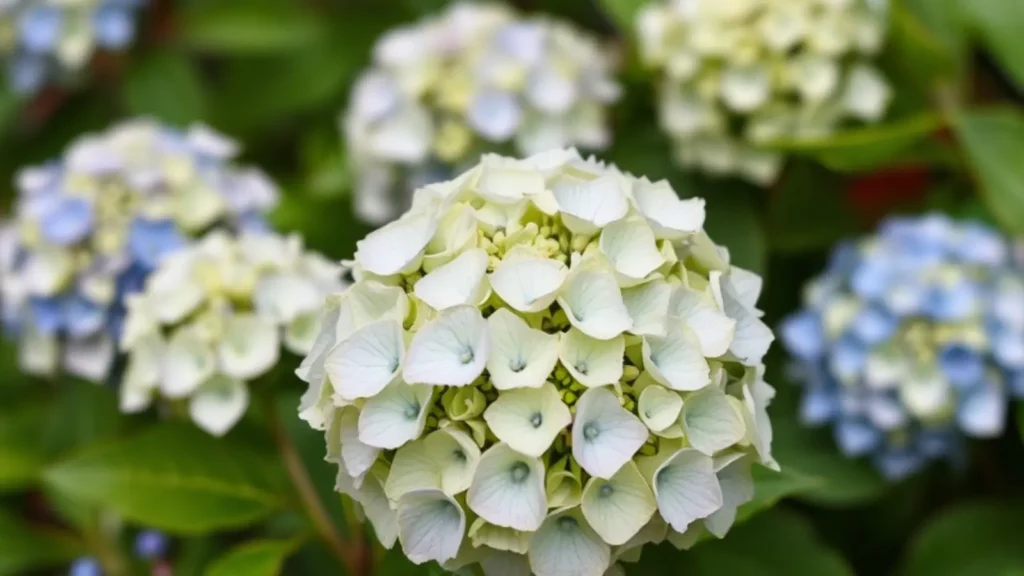
Modern interpretations usually emphasize:
- celebration
- friendship
- abundance
- home gardens
- joyful gatherings
Hydrangeas have become popular in weddings and family celebrations.
Psychological Meaning of Hydrangea Symbolism
From a psychological perspective, hydrangeas appeal because they combine:
- softness
- complexity
- abundance
- changing colors
- visual harmony
These characteristics naturally evoke emotional responses linked to:
- comfort
- safety
- reflection
- appreciation
- emotional openness
Environmental psychology also suggests that lush flowering plants contribute to calming and restorative garden experiences, although symbolic meanings remain cultural rather than scientific facts.
Spiritual Interpretations of Hydrangeas
Many spiritual traditions interpret hydrangeas as symbols of:
- emotional healing
- inner peace
- compassion
- gratitude
- spiritual growth
- balance
- renewal
These meanings arise primarily from symbolic traditions rather than established religious doctrine.
For many people, hydrangeas encourage reflection on relationships, forgiveness, and personal development.
Religious Connections
Hydrangeas do not possess a universally recognized religious meaning.
However, within various faith communities they may symbolize:
- divine grace
- thankfulness
- blessings
- renewal
- hope
These interpretations usually reflect local customs rather than official theological teachings.
Hydrangeas in Mythology and Folklore
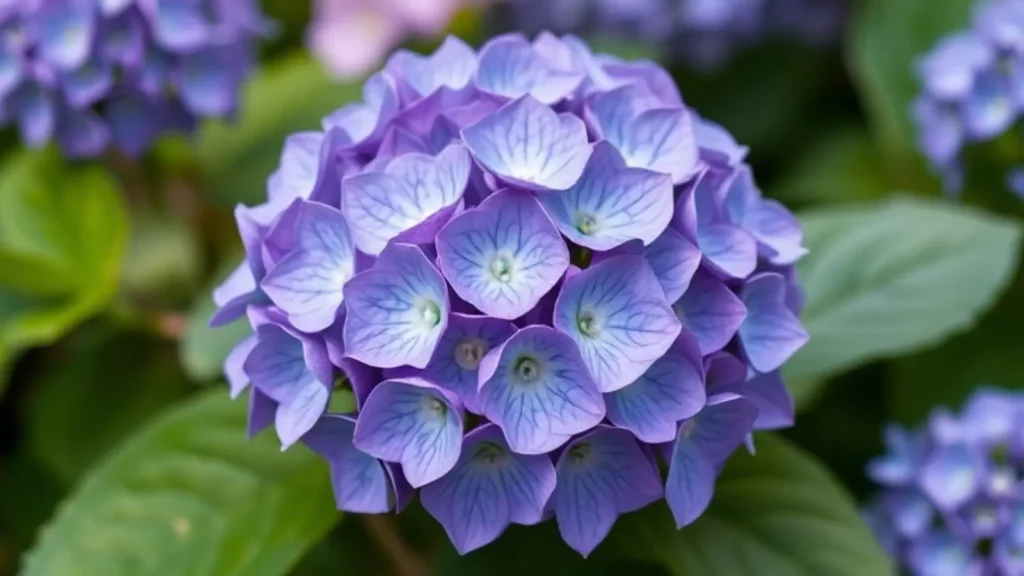
Unlike roses or lilies, hydrangeas appear less frequently in ancient mythology.
Instead, their symbolism developed through:
- regional legends
- seasonal festivals
- family traditions
- cultural storytelling
- floral customs
Japanese folklore remains especially influential in shaping modern hydrangea symbolism.
Hydrangeas in Art and Literature
Artists appreciate hydrangeas because they represent both visual richness and emotional complexity.
In paintings they often symbolize:
- abundance
- changing seasons
- quiet beauty
- domestic happiness
- reflection
In literature, hydrangeas may represent:
- evolving relationships
- memory
- emotional growth
- nostalgia
- reconciliation
Because symbolism depends on context, authors may assign different meanings to the same flower.
Hydrangea Symbolism in Design and Branding
Designers frequently use hydrangea-inspired imagery to communicate:
- elegance
- trust
- natural beauty
- sophistication
- wellness
- hospitality
Brands associated with:
- home décor
- luxury products
- spas
- wellness services
- florists
- weddings
often incorporate hydrangea colors or floral motifs because they evoke calmness and refinement.
Hydrangeas in Weddings and Celebrations
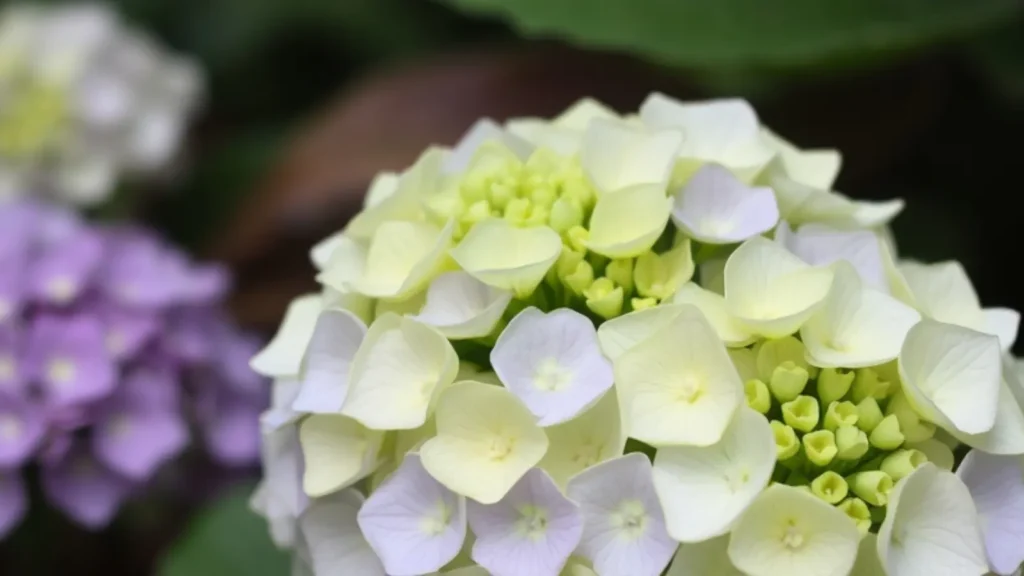
Hydrangeas are popular wedding flowers because they symbolize:
- lasting affection
- gratitude
- abundance
- family unity
- shared happiness
Their large blossoms also create visually full floral arrangements without requiring excessive numbers of flowers.
Hydrangea Symbolism in Modern Digital Communication
Today, flower symbolism extends into:
- social media
- digital greeting cards
- emojis paired with flowers
- lifestyle blogging
- online gift messaging
Hydrangeas often communicate:
- appreciation
- thoughtful affection
- emotional maturity
- peaceful wishes
- congratulations
Their symbolism remains relevant even in digital communication.
Comparison of Traditional and Modern Meanings
| Historical View | Modern Interpretation |
| Formal apology | Emotional honesty |
| Humility | Gratitude |
| Vanity (Victorian interpretation) | Confidence with kindness |
| Emotional reserve | Emotional openness |
| Prosperity | Personal growth |
| Elegance | Authentic beauty |
Practical Applications of Hydrangea Symbolism
Hydrangea symbolism has many everyday uses.
Gift Giving
Hydrangeas express:
- sincere thanks
- appreciation
- reconciliation
- celebration
- encouragement
Garden Design
Landscape designers use hydrangeas to symbolize:
- welcoming homes
- abundance
- peaceful outdoor spaces
Interior Decoration
Hydrangea arrangements create feelings of:
- comfort
- elegance
- freshness
- calm
Personal Reflection
Many people choose hydrangeas during life transitions to represent:
- healing
- resilience
- new beginnings
Did You Know?
- Hydrangeas can naturally change color depending on soil chemistry.
- Japan hosts famous hydrangea festivals during the rainy season.
- Some hydrangea varieties bloom for several months.
- Their large flower clusters are actually made up of many tiny individual flowers.
- Hydrangeas have become one of the world’s most recognizable ornamental shrubs.
Expert Tip
When interpreting hydrangea symbolism, always consider:
- Flower color
- Cultural background
- Historical period
- Personal intention
- Context of the gift or artwork
Symbolism rarely exists in isolation. Context gives flowers their deepest meaning.
Common Mistakes
Many people misunderstand hydrangea symbolism.
Common misconceptions include:
- believing all hydrangeas have identical meanings
- assuming Victorian interpretations remain universal today
- ignoring color symbolism
- overlooking cultural differences
- confusing botanical facts with symbolic traditions
Balanced interpretation provides a more accurate understanding.
Myth vs. Fact
| Myth | Fact |
| Hydrangeas only symbolize apology. | They symbolize many emotions, including gratitude, abundance, understanding, and transformation. |
| Every culture interprets hydrangeas the same way. | Symbolic meanings vary significantly across regions and traditions. |
| Flower color has no symbolic impact. | Color strongly influences modern symbolic interpretation. |
| Hydrangea symbolism comes from science. | Scientific characteristics inspire symbolism, but symbolic meanings develop culturally. |
Why Hydrangea Symbolism Still Matters Today
Modern society communicates visually more than ever before.
Flowers remain powerful symbols because they convey emotion instantly.
Hydrangeas continue influencing:
- wedding design
- landscape architecture
- greeting cards
- branding
- photography
- interior styling
- visual storytelling
- education
- cultural celebrations
Their symbolism bridges history with contemporary communication.
Key Insights
- Hydrangeas symbolize gratitude, transformation, abundance, and emotional sincerity.
- Meanings differ according to color, culture, and historical context.
- Japanese traditions strongly influenced modern symbolic interpretations.
- Scientific color changes reinforce symbolic ideas of adaptability.
- Hydrangeas remain influential in design, literature, branding, and celebrations.
Frequently Asked Questions
What does a hydrangea symbolize?
Hydrangeas commonly symbolize gratitude, heartfelt emotion, abundance, understanding, transformation, and appreciation. Depending on color and cultural tradition, they may also represent apology, humility, prosperity, or emotional growth.
Why are hydrangeas associated with gratitude?
Japanese cultural traditions often connect hydrangeas with sincere appreciation and heartfelt apologies. Over time, these associations expanded internationally, making gratitude one of the flower’s most recognized symbolic meanings.
Does hydrangea color change its symbolism?
Yes. Blue hydrangeas often represent forgiveness and understanding, pink symbolizes love and affection, white conveys purity and sincerity, purple suggests wisdom and dignity, and green reflects renewal and fresh beginnings. These meanings are cultural interpretations rather than universal rules.
Are hydrangeas spiritual flowers?
Many people view hydrangeas as symbols of emotional healing, compassion, balance, and personal transformation. These spiritual meanings stem from cultural and personal beliefs rather than established religious doctrine.
Are hydrangeas good gifts?
Yes. Hydrangeas are thoughtful gifts for expressing appreciation, celebrating milestones, offering encouragement, or conveying heartfelt emotions. Choosing a color that aligns with the intended message can make the gesture even more meaningful.
Conclusion
Hydrangea symbolism is both timeless and adaptable, reflecting the many ways humans use flowers to communicate emotions that words alone cannot fully express.
Across centuries and cultures, hydrangeas have come to symbolize gratitude, abundance, transformation, compassion, and sincere appreciation, while also carrying more nuanced meanings shaped by history, color, and local traditions.
Rather than having one fixed interpretation, hydrangeas remind us that symbols evolve alongside society. Their changing colors mirror personal growth, their abundant blossoms evoke generosity, and their enduring beauty continues to inspire artists, gardeners, writers, designers, educators, and families around the world.
By understanding hydrangea symbolism in its cultural, historical, psychological, and artistic contexts, we gain a richer appreciation of how flowers continue to influence communication, storytelling, branding, spiritual reflection, and everyday human connection.

Nathaniel Brooks analyzes symbols, their origins, cultural importance, and psychological impact across history and modern society.
