Yes, symbolism is considered a form of figurative language because it communicates meanings beyond the literal definition of an object, action, color, character, or event.
Rather than stating ideas directly, symbolism represents deeper concepts, emotions, beliefs, or themes through symbolic elements that readers interpret within context.
Introduction
Have you ever noticed how a white dove often represents peace, a red rose symbolizes love, or a journey in a novel reflects personal growth? These meanings extend beyond literal descriptions, making readers think more deeply about the message being communicated.
This naturally leads to an important question: Is symbolism figurative language?
The short answer is yes. Symbolism belongs to the broader family of figurative language because it conveys abstract ideas through concrete representations instead of literal statements. Writers, artists, filmmakers, advertisers, educators, and storytellers rely on symbolism to communicate complex emotions and universal themes in memorable ways.
Understanding symbolism helps readers analyze literature more effectively while also improving visual literacy, communication skills, cultural awareness, and appreciation of art and storytelling.
Featured Snippet Answer

Is symbolism figurative language?
Yes. Symbolism is a type of figurative language that uses people, places, objects, actions, colors, or events to represent ideas beyond their literal meanings. Instead of describing concepts directly, symbolism allows readers to interpret deeper emotional, cultural, philosophical, or thematic messages through symbolic representation.
What Is Symbolism?
Symbolism is the practice of using one thing to represent another idea, emotion, belief, or concept.
Unlike literal language, symbolism encourages interpretation.
For example:
| Symbol | Common Meaning |
| Dove | Peace |
| Rose | Love |
| Broken chain | Freedom |
| Sunrise | New beginnings |
| Darkness | Fear, mystery, ignorance |
| Bridge | Transition |
The meaning often depends on:
- Cultural traditions
- Historical background
- Religious beliefs
- Literary context
- Artistic intention
- Reader interpretation
What Is Figurative Language?
Figurative language refers to expressions whose meanings go beyond their literal definitions.
Rather than communicating facts directly, figurative language creates imagery, emotion, emphasis, or symbolism.
Common forms include:
- Metaphor
- Simile
- Symbolism
- Personification
- Hyperbole
- Irony
- Allusion
- Allegory
- Oxymoron
- Idioms
These literary devices enrich communication by making ideas more vivid and memorable.
Why Is Symbolism Considered Figurative Language?
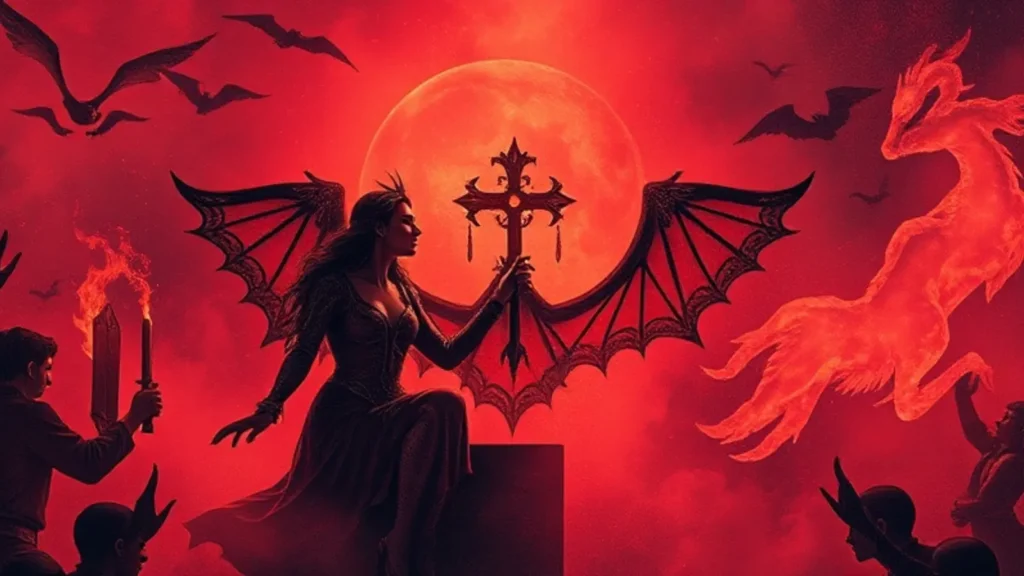
Direct Answer
Symbolism is figurative because the symbol represents something beyond its literal identity.
Instead of saying:
“Hope returned.”
A writer may write:
“The first rays of sunlight broke through the clouds.”
The sunrise literally describes weather.
Figuratively, it symbolizes hope.
The deeper meaning comes from interpretation rather than direct explanation.
How Symbolism Works in Literature
Authors rarely explain symbols outright.
Instead, they provide context that encourages readers to discover hidden meanings.
For example:
A recurring river in a novel may represent:
- Life
- Time
- Renewal
- Change
- Spiritual cleansing
The object itself remains a river.
Its symbolic meaning depends on how it functions throughout the story.
Symbolism vs Literal Language
| Literal Language | Symbolism |
| Means exactly what it says | Represents deeper meaning |
| Direct communication | Indirect communication |
| Little interpretation required | Reader interprets meaning |
| Focuses on facts | Focuses on ideas and themes |
| Concrete | Abstract |
Symbolism vs Other Types of Figurative Language
Many students confuse symbolism with other literary devices.
Here’s how they differ.
| Device | Purpose |
| Symbolism | Represents deeper ideas |
| Metaphor | Direct comparison |
| Simile | Comparison using “like” or “as” |
| Personification | Gives human qualities to non-human things |
| Hyperbole | Intentional exaggeration |
| Irony | Contrast between expectation and reality |
| Allegory | Entire story represents larger meaning |
Symbolism often works alongside these devices.
Historical Origins of Symbolism
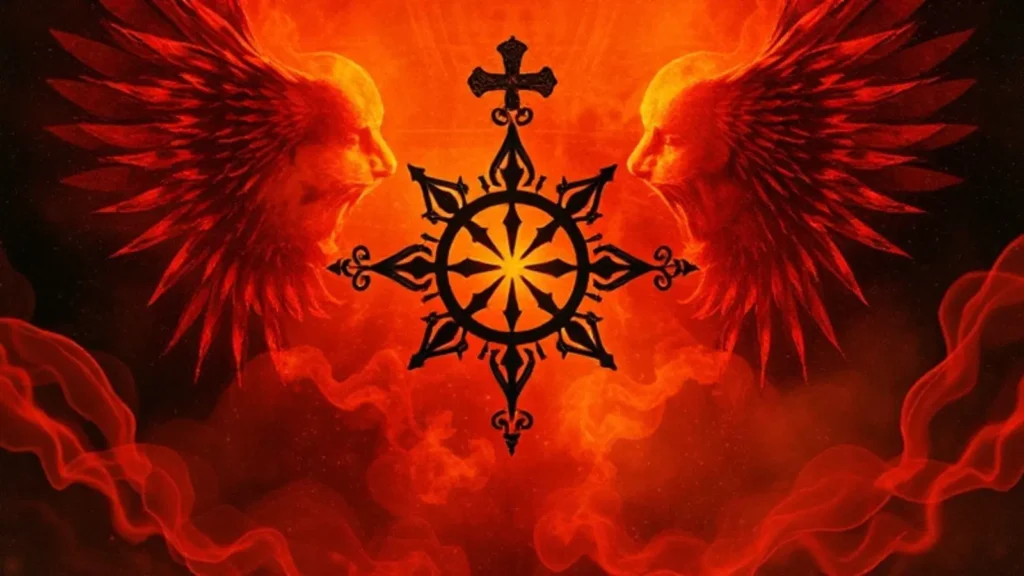
Humans have communicated through symbols for thousands of years.
Ancient civilizations used symbols in:
- Cave paintings
- Religious ceremonies
- Royal emblems
- Mythology
- Architecture
- Sacred texts
Egyptians used hieroglyphs.
Greeks incorporated symbolic mythology.
Medieval artists filled religious paintings with symbolic objects.
Today, symbols remain central in logos, emojis, national flags, and digital communication.
Cultural Interpretations of Symbols
Not every culture interprets symbols the same way.
| Symbol | Western Meaning | Other Cultural Interpretations |
| White | Purity | Mourning in parts of East Asia |
| Owl | Wisdom | Bad omen in some traditions |
| Dragon | Evil in some stories | Power and prosperity in Chinese culture |
| Lotus | Beauty | Spiritual enlightenment across many Asian traditions |
| Snake | Danger | Healing, transformation, or renewal in various cultures |
Understanding cultural context prevents misunderstandings.
Psychological Meaning of Symbolism
Psychologists recognize that humans naturally think through symbols.
Symbols help people:
- Simplify complex ideas
- Express emotions
- Build identity
- Remember information
- Process experiences
Dream interpretation, storytelling, and visual learning frequently rely on symbolic thinking.
However, interpretations may differ depending on personal experiences and cultural backgrounds.
Symbolism in Religion and Spiritual Traditions

Nearly every religion incorporates symbolism.
Examples include:
- Light representing divine truth
- Water symbolizing purification
- Fire representing transformation
- Trees symbolizing life
- Mountains representing spiritual elevation
While these meanings are widely recognized within particular traditions, interpretations vary among faiths and denominations.
Symbolism in Literature
Literary symbolism allows authors to communicate themes subtly.
Examples include:
Colors
Green may symbolize:
- Growth
- Nature
- Jealousy
- Wealth
Seasons
Spring often represents:
- Renewal
- Hope
- Youth
Winter may symbolize:
- Isolation
- Death
- Endings
Weather
Storms frequently symbolize:
- Conflict
- Emotional turmoil
- Change
Symbolism in Art
Artists use symbolism through:
- Colors
- Shapes
- Animals
- Objects
- Composition
- Lighting
Rather than telling viewers what to think, symbolism invites interpretation.
This interaction creates richer artistic experiences.
Symbolism in Movies
Films rely heavily on symbolism.
Examples include:
- Mirrors representing identity
- Roads symbolizing life’s journey
- Rain representing cleansing or sadness
- Birds representing freedom
- Keys symbolizing opportunity
Visual symbolism often communicates without dialogue.
Symbolism in Branding and Marketing
Businesses intentionally use symbolism.
Examples include:
- Green for sustainability
- Blue for trust
- Gold for luxury
- Circles for unity
- Mountains for strength
- Trees for growth
Brand symbols influence consumer perception by creating emotional associations rather than literal descriptions.
Symbolism in Everyday Life
People encounter symbolism constantly.
Examples include:
- Wedding rings
- Graduation caps
- Traffic signs
- National flags
- Emojis
- Memorial flowers
These symbols communicate quickly because society shares common interpretations.
Practical Applications of Understanding Symbolism
Learning symbolism improves:
- Reading comprehension
- Literary analysis
- Creative writing
- Graphic design
- Advertising
- Public speaking
- Education
- Cultural awareness
- Media literacy
- Brand communication
It also strengthens critical thinking by encouraging readers to analyze deeper meanings.
Did You Know?
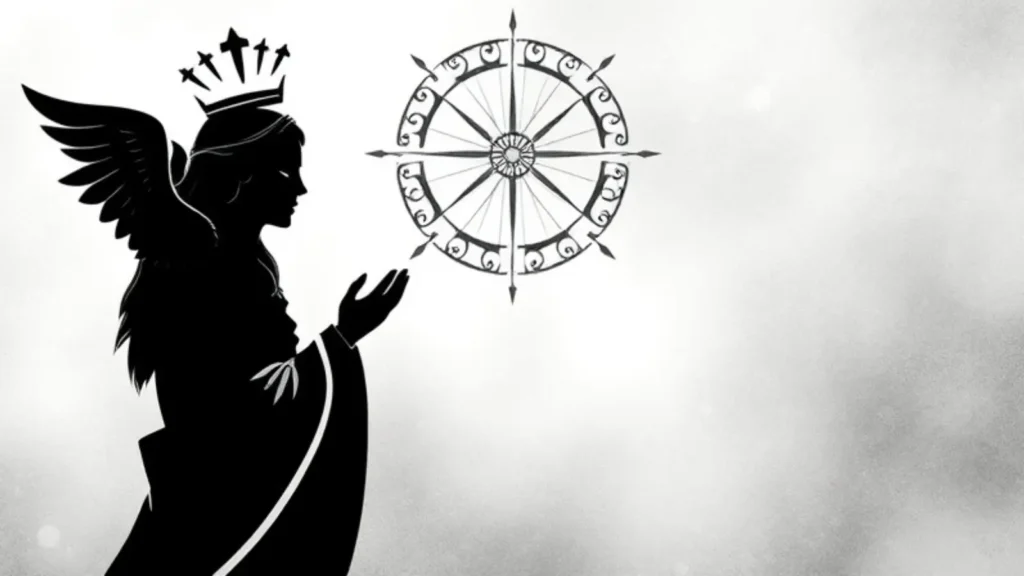
Many everyday symbols have meanings that developed over centuries rather than being invented overnight. A simple heart shape, for example, has become a near-universal symbol of love, even though it bears little resemblance to the anatomical human heart.
Expert Tip
When analyzing symbolism, always consider context before assigning meaning. A color, object, or animal may symbolize one idea in a particular novel but represent something entirely different in another cultural or historical setting.
Common Mistakes
- Assuming every object is symbolic.
- Ignoring historical context.
- Believing symbols always have one fixed meaning.
- Confusing symbolism with metaphor.
- Overanalyzing accidental details.
Good literary analysis balances textual evidence with thoughtful interpretation.
Myth vs. Fact
| Myth | Fact |
| Every symbol has only one meaning. | Symbols often have multiple interpretations depending on context. |
| Symbolism only appears in literature. | It is also found in art, religion, film, advertising, architecture, and daily life. |
| Symbolism is always intentional. | Some symbolic meanings emerge through readers’ interpretations or cultural traditions. |
| Figurative language is only about comparisons. | Figurative language includes symbolism, metaphor, personification, irony, hyperbole, and more. |
Why Symbolism Matters Today
Modern communication is increasingly visual.
From social media icons to company logos and emojis, symbolic communication allows people to understand ideas instantly.
Artificial intelligence, digital design, branding, education, and multimedia storytelling also rely on recognizable symbolic systems to improve communication and user experience.
Understanding symbolism helps individuals become more informed readers, viewers, designers, educators, and communicators.
Key Insights
- Symbolism is a recognized form of figurative language.
- Symbols communicate meanings beyond literal definitions.
- Cultural context shapes symbolic interpretation.
- Literature, art, religion, branding, and media all rely on symbolism.
- Readers should interpret symbols using evidence rather than assumptions.
- Symbolism enriches communication by expressing abstract ideas through concrete images and experiences.
Conclusion
So, is symbolism figurative language? Absolutely. Symbolism is one of the most powerful forms of figurative language because it transforms ordinary objects, colors, actions, and characters into carriers of deeper meaning.
Rather than presenting ideas directly, symbolism encourages readers and viewers to engage actively with a text, artwork, or message by uncovering layers of significance.
Across literature, mythology, religion, psychology, branding, education, architecture, and digital communication, symbols help people express complex concepts that might otherwise be difficult to explain.
Their meanings are rarely universal, however. Historical context, cultural traditions, artistic intent, and individual experiences all influence how symbols are understood.
By recognizing symbolism and interpreting it thoughtfully, readers strengthen critical thinking, improve literary analysis, and gain a richer appreciation of how meaning is created in stories, visual media, and everyday life.

Isabella Carter explores symbolism in nature, literature, art, and spirituality with engaging and informative research.
