Few natural creatures have inspired humanity as profoundly as butterflies. Across continents, religions, works of art, folklore, and literature, butterflies symbolism has represented transformation, hope, freedom, beauty, resilience, and the remarkable ability to embrace change.
Their extraordinary life cycle from egg to caterpillar, chrysalis, and finally a winged butterfly offers one of nature’s most powerful metaphors for personal evolution.
People often encounter butterfly symbolism during periods of transition, healing, spiritual reflection, or new beginnings. While interpretations differ across cultures, butterflies consistently remind us that growth often requires patience, transformation, and courage.
Whether appearing in mythology, dreams, religious traditions, tattoos, logos, paintings, gardens, or modern branding, butterflies continue to communicate timeless human values that transcend generations.
Featured Snippet: What Does Butterflies Symbolism Mean?
Butterflies symbolism primarily represents transformation, renewal, hope, freedom, personal growth, and spiritual evolution. Because butterflies undergo complete metamorphosis, they symbolize life’s ability to change, heal, and begin again. Across cultures, they also represent beauty, the soul, love, resilience, and the connection between earthly life and spiritual renewal.
What Does Butterflies Symbolism Really Mean?
Quick Answer
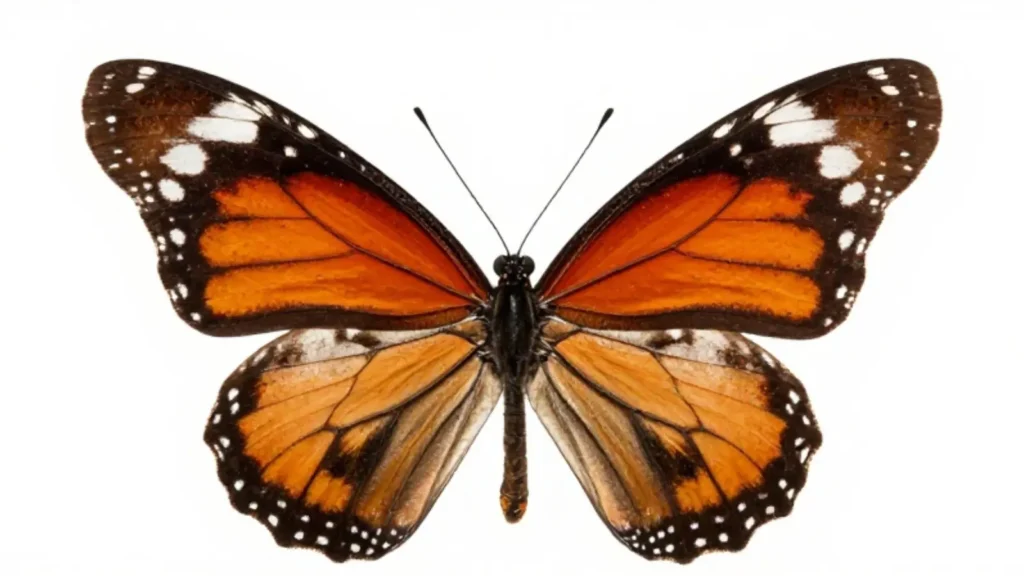
Butterflies symbolize positive transformation through life’s challenges. Their journey reflects emotional maturity, personal development, renewal, and the beauty that emerges after periods of change.
The symbolism comes from observing one of nature’s most remarkable biological processes: complete metamorphosis. Unlike many insects, butterflies completely transform their bodies before emerging with entirely different capabilities.
This natural phenomenon has inspired countless symbolic interpretations throughout history.
Core symbolic meanings include:
- Personal transformation
- Hope after hardship
- Spiritual awakening
- Freedom
- Beauty
- Renewal
- Resurrection
- Love
- Joy
- Inner strength
- Impermanence
- New beginnings
The Historical Origins of Butterflies Symbolism
Humans have admired butterflies for thousands of years.
Ancient civilizations viewed butterflies not merely as insects but as mysterious creatures capable of representing life’s invisible forces.
Early agricultural societies noticed that butterflies appeared with seasonal renewal, making them symbols of spring, fertility, and abundance.
As civilizations developed religious beliefs, butterflies gradually became connected with:
- Immortality
- Human souls
- Divine messengers
- Cycles of life
- Resurrection
- Nature’s renewal
Their delicate appearance contrasted with their resilient life cycle, making them powerful symbols of both fragility and strength.
Why Butterflies Symbolize Transformation
The butterfly’s life cycle naturally mirrors personal development.
| Stage | Biological Meaning | Symbolic Meaning |
| Egg | Beginning of life | New opportunities |
| Caterpillar | Growth | Learning and preparation |
| Chrysalis | Internal transformation | Reflection and healing |
| Butterfly | Completion | Freedom and personal evolution |
Unlike symbolic concepts invented by humans, butterfly symbolism emerged directly from observing natural transformation.
This makes it one of the world’s most universally understood symbols.
Butterflies Symbolism Across Different Cultures
Culture Comparison Table
| Culture | Primary Symbolism |
| Ancient Greece | Soul and immortality |
| Japan | Joy, femininity, marriage |
| China | Love, happiness, longevity |
| Mexico | Spirits of ancestors |
| Native American traditions | Change, guidance, renewal |
| Celtic traditions | Soul and rebirth |
| Christianity | Resurrection and eternal life |
| Buddhism | Impermanence and enlightenment |
Although meanings differ, transformation remains the central theme across nearly every tradition.
Butterflies in Ancient Mythology
Butterflies appear in numerous mythological traditions.
Greek Mythology
The Greek word psyche referred to both “soul” and “butterfly.”
This linguistic connection strengthened the association between butterflies and the human spirit.
Celtic Traditions
Butterflies were believed to carry messages between worlds.
They represented:
- Rebirth
- Spiritual journeys
- Ancestors
- Eternal life
Japanese Folklore
White butterflies often symbolize departed loved ones.
Two butterflies together traditionally represent marital happiness and enduring love.
Spiritual Meaning of Butterflies
Across many spiritual traditions, butterflies symbolize awakening.
Their emergence from the chrysalis represents:
- Leaving fear behind
- Higher consciousness
- Personal enlightenment
- Emotional healing
- Inner peace
Many spiritual practitioners interpret butterfly encounters as reminders to embrace growth rather than resist change.
These interpretations belong to spiritual belief systems rather than established scientific evidence.
Religious Interpretations of Butterfly Symbolism
Christianity
Butterflies commonly symbolize:
- Resurrection
- New life
- Hope
- Eternal life
The chrysalis is often compared metaphorically to the tomb, while the butterfly represents resurrection.
Buddhism
Butterflies illustrate:
- Impermanence
- Acceptance
- Non-attachment
- Mindfulness
Indigenous Beliefs
Various Indigenous traditions associate butterflies with:
- Nature’s balance
- Seasonal cycles
- Transformation
- Messages from the natural world
Interpretations vary significantly among communities and should not be generalized.
The Psychological Meaning of Butterflies
From a psychological perspective, butterflies function as powerful metaphors.
People naturally connect butterfly imagery with:
- Personal improvement
- Emotional recovery
- Confidence
- Self-discovery
- Identity development
The symbolism resonates because humans often experience life as a series of transformations rather than fixed identities.
Butterflies visually communicate that change can be both challenging and beautiful.
Expert Tip
Symbols become meaningful because communities repeatedly attach shared cultural interpretations to them.
Butterflies evoke transformation not because they possess inherent mystical powers, but because their observable life cycle provides a compelling metaphor that people across cultures recognize.
Butterflies in Literature
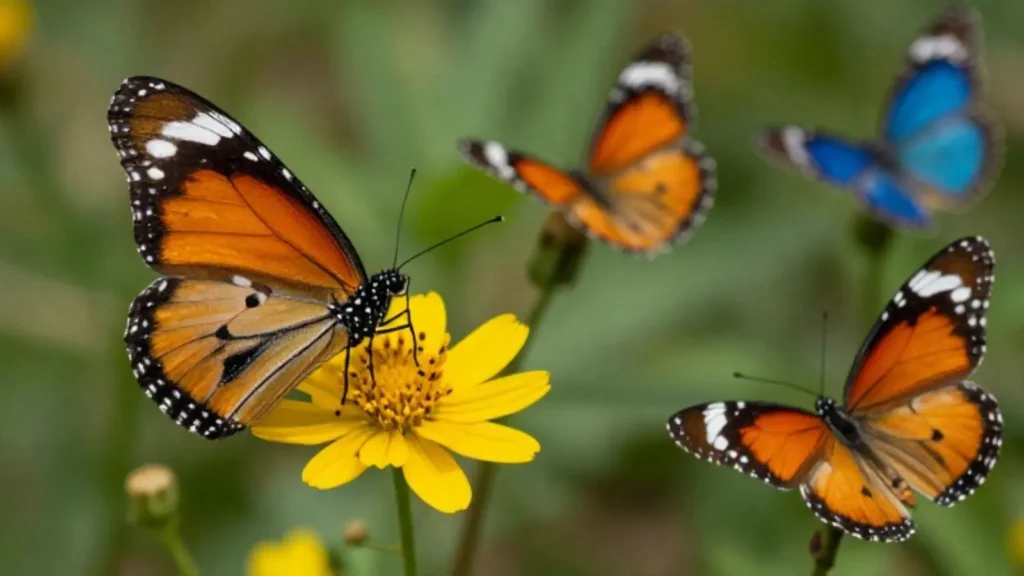
Authors frequently use butterflies to represent:
- Character growth
- Lost innocence
- Freedom
- Beauty
- Mortality
- Hope
Rather than describing emotional transformation directly, writers often introduce butterfly imagery to communicate subtle psychological change.
This makes butterflies one of literature’s enduring symbolic motifs.
Butterflies in Art
Artists have depicted butterflies for centuries.
Common artistic meanings include:
- Fragility
- Grace
- Femininity
- Hope
- Nature
- Renewal
- Transcendence
Contemporary artists also use butterflies to explore themes of environmental conservation and biodiversity.
Butterfly Colors and Their Symbolic Interpretations
| Butterfly Color | Common Symbolic Meaning |
| White | Purity, peace, spirituality |
| Black | Mystery, transformation, endings |
| Blue | Hope, calm, inspiration |
| Yellow | Happiness, optimism |
| Orange | Creativity, enthusiasm |
| Purple | Wisdom, spirituality |
| Green | Growth, healing |
| Red | Passion, courage |
These meanings are culturally influenced rather than universally accepted.
Butterflies in Dreams
Dream interpretation varies widely.
Common symbolic interpretations include:
- Personal change
- Emotional healing
- New opportunities
- Letting go of the past
- Spiritual growth
Modern psychology generally views dream symbols as highly personal rather than universally fixed.
Butterflies in Modern Branding and Design
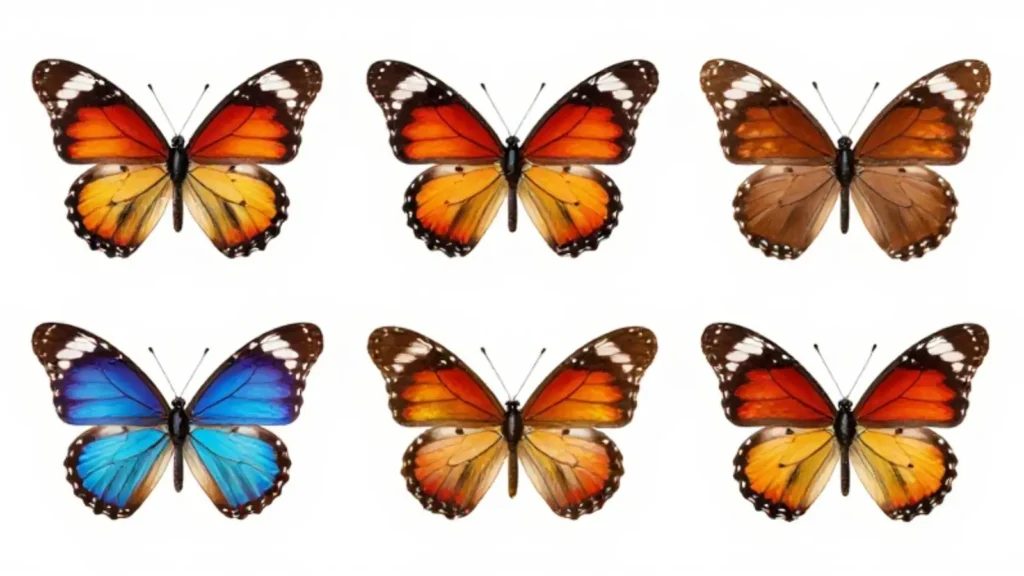
Butterflies remain popular visual symbols because they instantly communicate positive values.
Brands use butterfly imagery to suggest:
- Innovation
- Beauty
- Wellness
- Transformation
- Sustainability
- Creativity
- Personal care
The butterfly’s elegant form also creates visually memorable logos and marketing materials.
Practical Applications of Butterfly Symbolism
Butterfly symbolism appears in everyday life through:
- Corporate branding
- Mental health campaigns
- Educational materials
- Fashion design
- Interior decoration
- Jewelry
- Tattoos
- Greeting cards
- Memorial artwork
- Conservation initiatives
Its broad recognition makes it an effective visual communication tool across industries.
Did You Know?
Butterflies taste with receptors located on their feet.
This fascinating biological adaptation has no direct symbolic meaning, but it illustrates why butterflies continue to inspire curiosity and admiration beyond their visual beauty.
Butterflies and Human Perception
Humans are naturally drawn to butterflies because they combine several visually appealing characteristics:
- Symmetry
- Bright colors
- Gentle movement
- Delicate wings
- Predictable seasonal appearance
Color psychology also contributes to their symbolism. Vibrant butterfly wings often evoke feelings of optimism, vitality, and emotional renewal.
Butterflies in Storytelling
Storytellers use butterflies to represent turning points.
A butterfly appearing in a narrative may symbolize:
- Hope after suffering
- A fresh beginning
- Emotional healing
- Personal courage
- Freedom from limitations
Because audiences already recognize these associations, butterfly imagery can communicate complex ideas without lengthy explanation.
Myth vs. Fact
| Myth | Fact |
| Butterflies have one universal meaning. | Symbolic meanings vary across cultures and individuals. |
| Seeing a butterfly always predicts good luck. | This is a cultural belief rather than verified fact. |
| Every butterfly color has the same meaning worldwide. | Color symbolism differs significantly between societies. |
| Butterfly symbolism is purely spiritual. | It also appears in psychology, art, education, literature, branding, and design. |
Common Mistakes
Avoid these misunderstandings:
- Assuming all cultures interpret butterflies identically.
- Confusing spiritual beliefs with scientific evidence.
- Treating symbolic meanings as fixed rules.
- Ignoring historical context.
- Overlooking the influence of local traditions.
Balanced interpretation strengthens understanding.
Why Butterflies Continue to Matter Today
Despite technological progress, butterfly symbolism remains deeply relevant.
Modern society experiences constant change through:
- Career transitions
- Education
- Relationships
- Personal development
- Recovery from adversity
- Identity formation
Butterflies provide a hopeful visual metaphor for navigating these experiences.
Their symbolism also supports environmental awareness by encouraging appreciation for biodiversity and pollinator conservation.
Key Insights
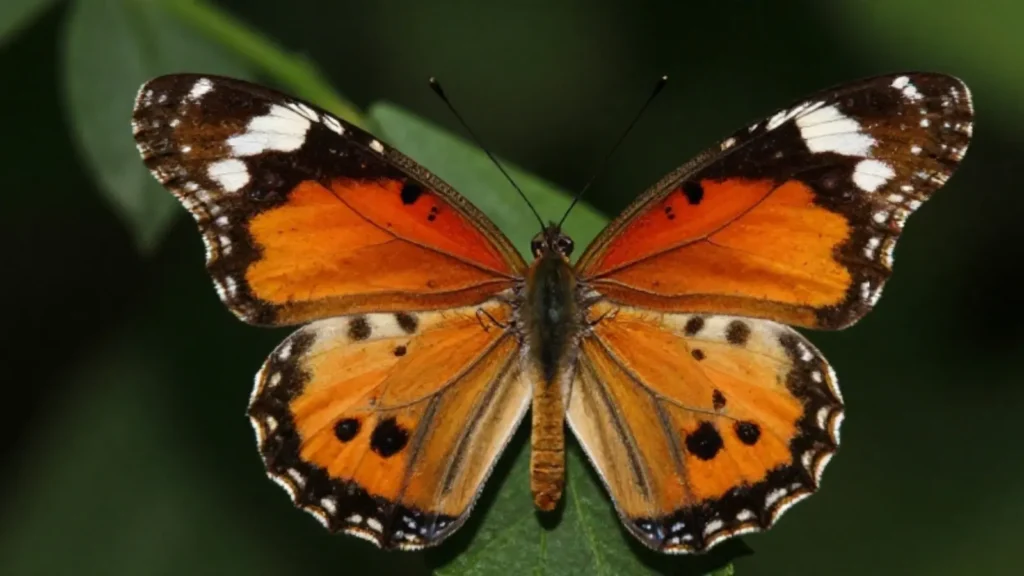
- Transformation remains the universal symbolic meaning.
- Cultural interpretations enrich rather than replace one another.
- Butterflies bridge nature, spirituality, psychology, and art.
- Their symbolism is rooted in observable metamorphosis.
- Modern branding continues to leverage their positive associations.
- Personal interpretation often complements cultural tradition.
Conclusion
Butterflies symbolism continues to inspire because it reflects one of life’s most universal experiences: change. From ancient mythology and religious traditions to psychology, literature, branding, and digital communication, butterflies remind us that growth often begins in periods of uncertainty.
Although interpretations vary among cultures, the recurring themes of transformation, hope, resilience, freedom, and renewal make butterflies one of humanity’s most enduring symbols.
Understanding their symbolism enriches our appreciation of history, storytelling, visual communication, cultural identity, and the natural world itself.
Whether admired in gardens, represented in art, or used in modern design, butterflies continue to embody the possibility of positive change and the beauty that can emerge through life’s evolving journey.

Isabella Carter explores symbolism in nature, literature, art, and spirituality with engaging and informative research.
