Butterflies have fascinated humanity for thousands of years. Their remarkable transformation from caterpillar to chrysalis and finally into a winged insect has inspired countless stories, spiritual beliefs, artistic masterpieces, and cultural traditions.
Today, butterfly symbolism continues to influence everything from personal development and branding to literature, tattoos, fashion, education, and digital storytelling.
Unlike many symbols that carry only one meaning, butterflies represent different ideas depending on historical context, cultural traditions, religious beliefs, and personal experiences.
For some people, they symbolize hope and renewal. Others see them as signs of transformation, freedom, resilience, or even messages associated with remembrance and the natural cycle of life.
Understanding butterfly symbolism helps us appreciate not only the beauty of nature but also the universal human desire for growth, change, and meaning.
Featured Snippet
Butterfly symbolism generally represents transformation, personal growth, renewal, hope, freedom, beauty, and life’s continuous cycle of change.
Across cultures and belief systems, butterflies often symbolize spiritual evolution, resilience after hardship, and the ability to embrace new beginnings, although interpretations vary depending on historical, cultural, and religious contexts.
What Is Butterfly Symbolism?
Quick Answer
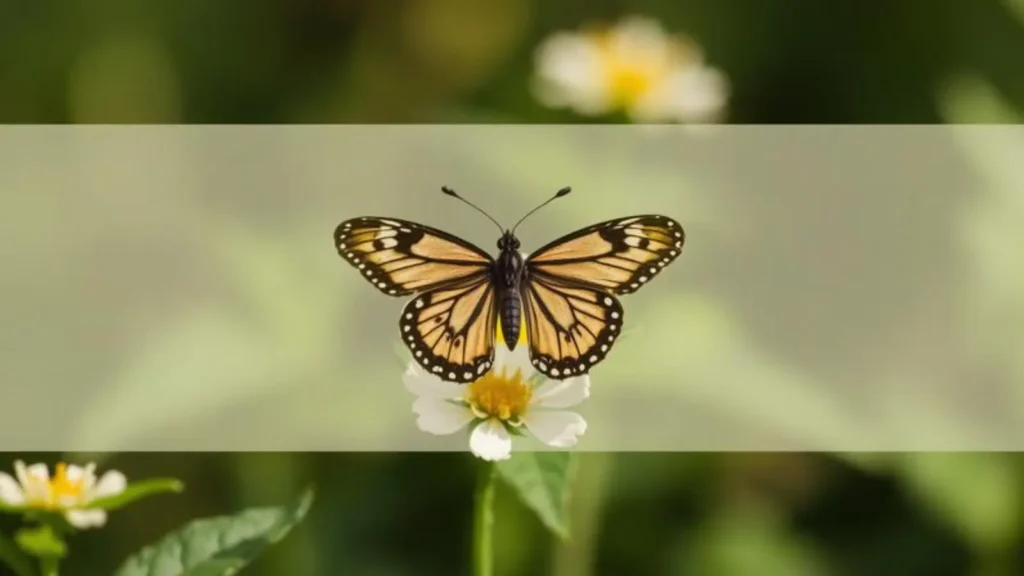
Butterfly symbolism refers to the meanings and messages that different societies, religions, artists, psychologists, and storytellers associate with butterflies. Because butterflies undergo one of nature’s most dramatic life cycles, they have become universal symbols of transformation and renewal.
Rather than representing only physical beauty, butterflies often communicate deeper ideas about:
- Personal transformation
- Emotional healing
- Hope after difficult times
- Freedom
- Spiritual growth
- Impermanence
- New beginnings
- Resilience
- Joy
- The beauty of change
These meanings continue evolving as cultures reinterpret butterflies through contemporary experiences.
Why Butterflies Became Powerful Symbols
The butterfly’s life cycle naturally lends itself to symbolic interpretation.
Four Stages of Transformation
| Life Stage | Symbolic Meaning |
| Egg | Potential and possibility |
| Caterpillar | Learning, preparation, growth |
| Chrysalis | Reflection, patience, inner transformation |
| Butterfly | Renewal, freedom, confidence, evolution |
Unlike mythical symbols, this transformation is observable in nature, making it relatable across civilizations.
The Historical Origins of Butterfly Symbolism
Butterflies have appeared in human art and mythology for thousands of years.
Ancient civilizations observed the butterfly’s dramatic metamorphosis and connected it with life’s mysteries.
Historical evidence shows butterflies appearing in:
- Ancient Greek art
- Egyptian decorative motifs
- Chinese paintings
- Japanese literature
- Indigenous American traditions
- Medieval European symbolism
- Renaissance artwork
- Victorian nature studies
Although meanings differed, transformation remained one of the most consistent symbolic themes.
Butterfly Symbolism Across Different Cultures
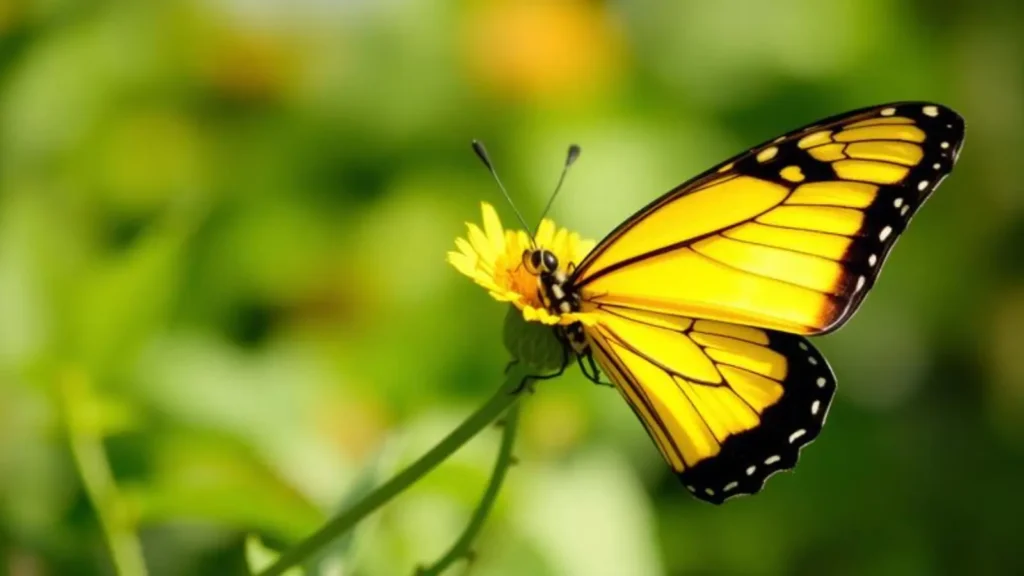
Human cultures interpret butterflies through unique historical experiences and belief systems.
Cultural Comparison
| Culture | Common Symbolic Meaning |
| Ancient Greece | Soul, immortality, transformation |
| China | Love, longevity, happiness |
| Japan | Grace, femininity, family, change |
| Mexico | Memory, ancestors (especially during traditional observances) |
| Native American traditions | Change, balance, hope (varies by nation) |
| Celtic traditions | Transformation and nature |
| Victorian Europe | Beauty, fragility, spiritual reflection |
These interpretations should be understood as cultural traditions rather than universal beliefs.
Butterfly Symbolism in Ancient Greece
The ancient Greek word Psyche referred to both the soul and the butterfly.
This linguistic connection inspired philosophical ideas about:
- Immortality
- Human consciousness
- Transformation
- Spiritual awakening
Later artistic traditions often portrayed Psyche with butterfly wings to symbolize the soul’s journey.
Butterfly Symbolism in Asian Traditions
Chinese Symbolism
In Chinese traditions, butterflies commonly represent:
- Joy
- Young love
- Marital happiness
- Long life
- Prosperity
Butterflies frequently appear in traditional paintings alongside flowers, reinforcing themes of harmony and happiness.
Japanese Symbolism
Japanese symbolism often associates butterflies with:
- Elegance
- Femininity
- Seasonal beauty
- Personal growth
- Family transitions
Butterflies also appear extensively in kimono patterns and classical poetry.
Butterfly Symbolism in Indigenous Traditions
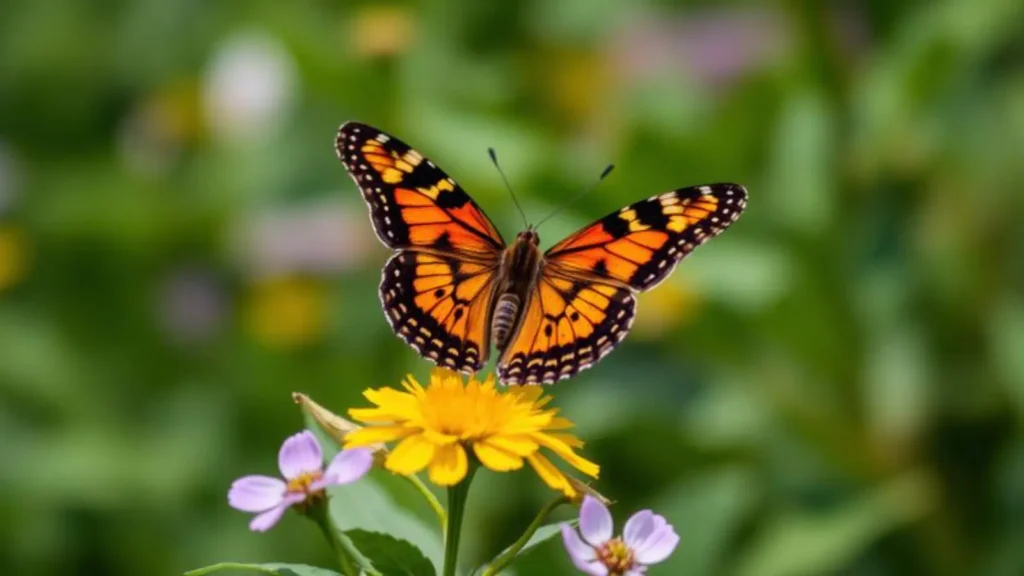
Many Indigenous cultures across the Americas include butterflies in stories and teachings.
Depending on the community, butterflies may symbolize:
- Hope
- Positive change
- Nature’s balance
- Seasonal renewal
- Personal growth
Because Indigenous traditions are diverse, no single interpretation applies universally.
Butterfly Symbolism in Psychology
Direct Answer
Psychologically, butterflies often represent emotional transformation and personal development because their life cycle mirrors human experiences of growth, adaptation, and change.
Modern psychology recognizes that humans naturally assign symbolic meaning to visible transformations.
Butterflies frequently become metaphors for:
- Recovering from adversity
- Identity development
- Emotional resilience
- Self-discovery
- Confidence
- Adaptability
While symbolic interpretations can be personally meaningful, they should not be confused with scientific evidence for supernatural experiences.
Spiritual Meaning of Butterfly Symbolism
Many spiritual traditions see butterflies as reminders that change is a natural part of life.
Common spiritual interpretations include:
- Inner awakening
- Personal evolution
- Letting go of the past
- Trusting life’s journey
- Hope during transitions
- Renewal after hardship
Different spiritual communities interpret these ideas differently, so meanings vary widely.
Religious Connections
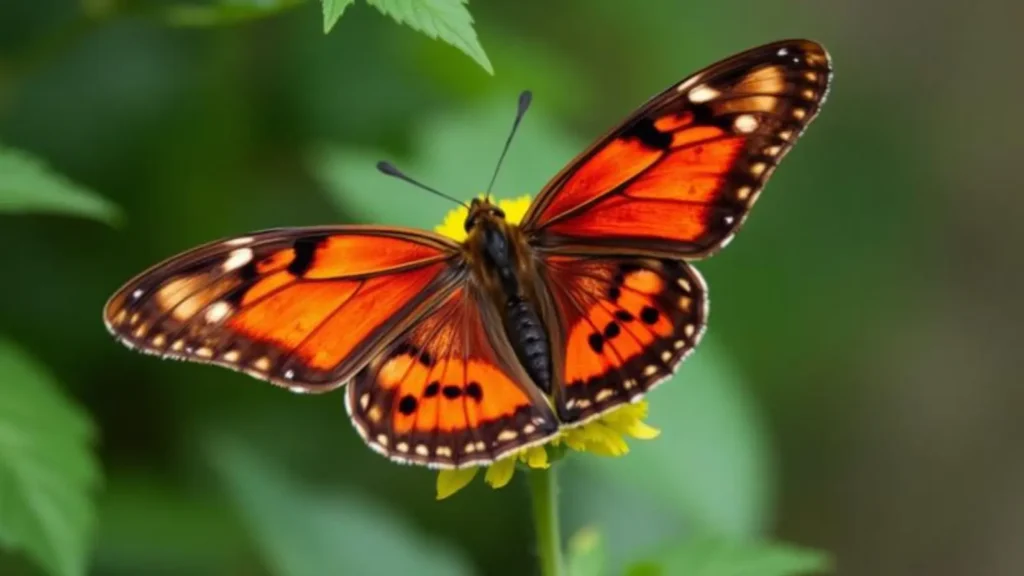
Butterflies appear in several religious and spiritual traditions.
Some interpretations include:
| Tradition | Symbolic Association |
| Christianity | Resurrection and renewal |
| Buddhism | Impermanence and mindful awareness |
| Hindu symbolism | Transformation and life’s journey |
| Folk traditions | Seasonal renewal and hope |
These interpretations arise from religious symbolism rather than universally accepted doctrine.
Butterfly Symbolism in Literature
Authors frequently use butterflies as literary devices.
Common themes include:
- Character development
- Coming-of-age stories
- Freedom
- Escaping limitations
- Beauty and fragility
- Personal rebirth
Rather than explaining change directly, writers often allow butterfly imagery to communicate transformation visually.
Butterfly Symbolism in Art
Artists have long incorporated butterflies into paintings, sculptures, textiles, jewelry, and illustrations.
Butterflies help express:
- Movement
- Color harmony
- Delicate beauty
- Emotional depth
- Nature’s balance
- Hope
Contemporary artists also use butterflies to discuss environmental conservation and biodiversity.
Butterfly Symbolism in Mythology
Many mythologies connect butterflies with life’s mysteries.
Recurring mythological themes include:
- Souls
- Transformation
- Divine beauty
- Rebirth
- Nature spirits
- Cycles of existence
These stories reflect cultural imagination rather than historical fact.
Butterfly Symbolism in Branding and Design
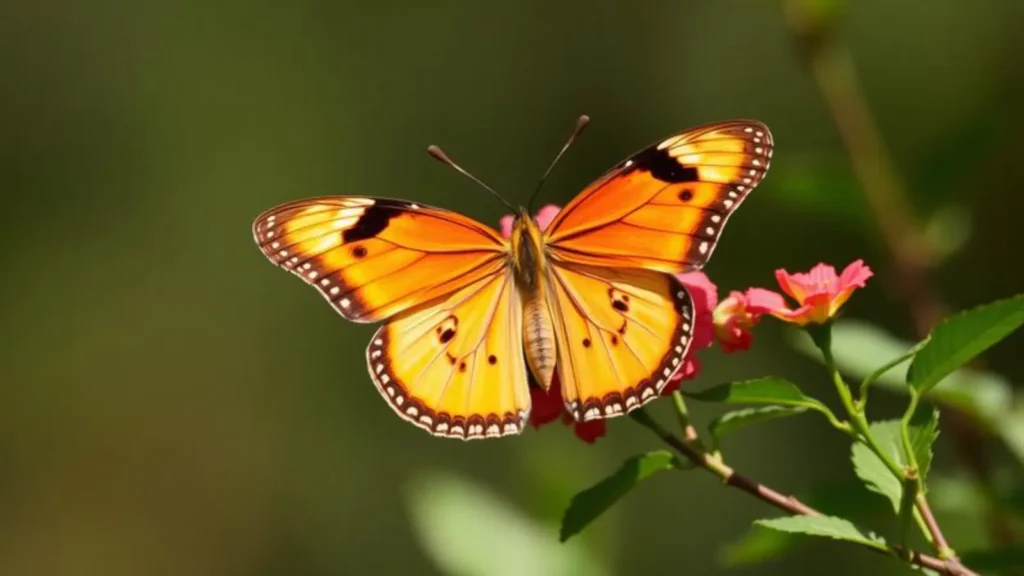
Modern brands frequently use butterfly imagery because it communicates positive emotions almost instantly.
Why Businesses Choose Butterflies
Butterflies often suggest:
- Innovation
- Positive transformation
- Creativity
- Wellness
- Personal growth
- Sustainability
- Beauty
- Freedom
Industries using butterfly logos include:
- Beauty
- Healthcare
- Education
- Coaching
- Environmental organizations
- Wellness
- Fashion
Butterfly Symbolism in Marketing
Consumer psychology shows that visual symbols influence emotional perception.
Butterflies often evoke associations with:
- Fresh starts
- Gentle elegance
- Optimism
- Positive experiences
- Lightness
- Natural beauty
Effective branding combines symbolism with authentic messaging rather than relying on imagery alone.
Butterfly Symbolism in Tattoos
Butterfly tattoos remain among the world’s most popular symbolic designs.
Common personal meanings include:
- Surviving hardship
- New beginnings
- Personal freedom
- Healing
- Self-expression
- Femininity
- Growth
- Independence
Individual meanings often differ from traditional cultural interpretations.
Color Symbolism of Butterflies
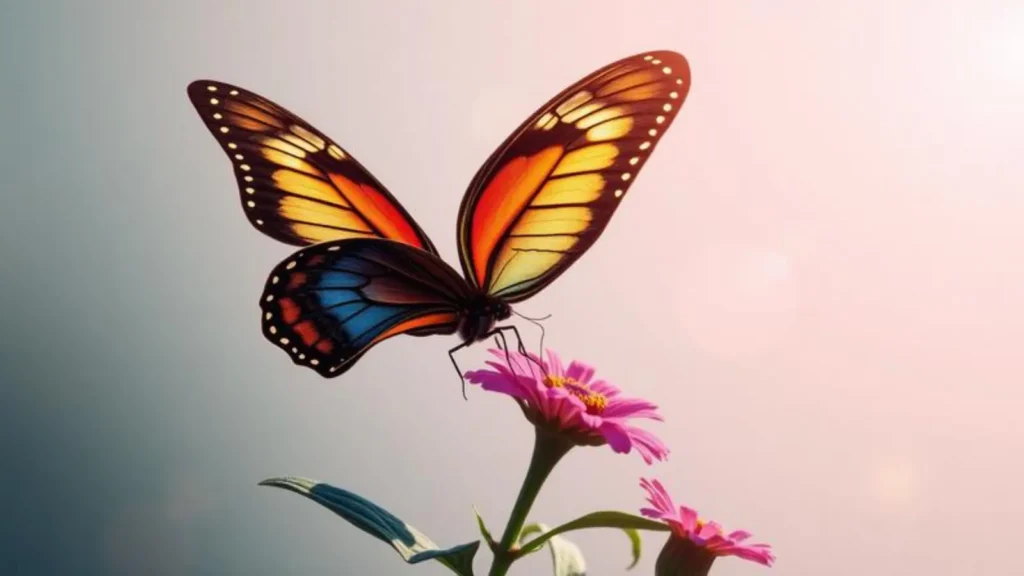
Color influences symbolic interpretation.
| Butterfly Color | Common Symbolic Meaning |
| Blue | Calm, inspiration, hope |
| White | Peace, purity, remembrance |
| Black | Mystery, transformation, resilience |
| Yellow | Joy, optimism, energy |
| Orange | Creativity, enthusiasm |
| Purple | Wisdom, spirituality |
| Green | Renewal, harmony |
| Red | Passion, courage |
These meanings reflect cultural symbolism rather than biological characteristics.
Butterfly Symbolism in Dreams
Dream interpretation varies widely.
Many symbolic traditions associate butterfly dreams with:
- Personal growth
- Life transitions
- Emotional healing
- Freedom
- Self-discovery
Modern psychology generally treats dream interpretation as subjective rather than scientifically definitive.
Butterfly Symbolism in Education
Teachers use butterflies to explain:
- Biological metamorphosis
- Life cycles
- Adaptation
- Environmental conservation
- Personal growth
- Storytelling
Because butterflies are visually engaging, they help students connect scientific concepts with broader themes of change.
Butterfly Symbolism in Environmental Awareness
Butterflies also symbolize ecological health.
Their presence can indicate:
- Biodiversity
- Healthy ecosystems
- Pollinator conservation
- Habitat preservation
Many conservation campaigns feature butterflies because they inspire public interest in protecting nature.
Did You Know?
- Butterflies belong to the order Lepidoptera.
- More than 17,000 butterfly species have been identified worldwide.
- Their complete metamorphosis makes them one of nature’s strongest visual examples of transformation.
- Butterfly migration has inspired scientific research into navigation and ecology.
Expert Tip
When interpreting butterfly symbolism, always consider:
- Cultural background
- Historical period
- Religious context
- Artistic intention
- Personal experience
Symbols rarely have only one fixed meaning.
Myth vs. Fact
| Myth | Fact |
| Butterflies always mean good luck. | Meanings vary by culture and personal belief. |
| Every butterfly color has a universal meaning. | Color symbolism differs across traditions. |
| Butterfly symbolism is scientifically proven. | Symbolic interpretations are cultural or personal, not scientific facts. |
| Ancient cultures all shared identical beliefs. | Historical interpretations varied considerably. |
Common Mistakes When Understanding Butterfly Symbolism
Avoid these common misconceptions:
- Assuming every culture interprets butterflies the same way.
- Treating symbolic beliefs as scientific evidence.
- Ignoring historical context.
- Oversimplifying complex traditions.
- Forgetting personal symbolism can differ from cultural symbolism.
Practical Applications of Butterfly Symbolism
Butterfly symbolism appears in many areas of everyday life.
Personal Development
People often use butterfly imagery to represent:
- Goal achievement
- Recovery
- Positive change
- Confidence
Branding
Businesses use butterfly symbols to communicate:
- Innovation
- Wellness
- Growth
Education
Teachers incorporate butterflies when discussing:
- Biology
- Ecology
- Transformation
- Storytelling
Literature
Authors use butterfly imagery to symbolize character evolution and emotional change.
Interior Design
Butterfly artwork can reinforce themes of nature, optimism, and creativity.
Key Insights
- Butterfly symbolism is one of humanity’s most recognizable symbolic systems.
- Transformation remains its most consistent meaning.
- Cultural interpretations vary significantly.
- Psychology explains why humans naturally connect butterflies with change.
- Art, literature, branding, and education continue expanding butterfly symbolism today.
Conclusion
Butterfly symbolism has endured because it reflects one of life’s most universal experiences: change. From ancient mythology to contemporary branding, butterflies have represented transformation, hope, renewal, resilience, beauty, and freedom.
Although meanings differ across cultures, religions, and historical periods, the butterfly consistently reminds people that growth often emerges through patience, adaptation, and new beginnings.
In today’s interconnected world, butterfly symbolism continues to shape communication, visual design, literature, education, environmental awareness, marketing, and personal storytelling.
Appreciating these symbolic meanings encourages greater cultural understanding while reminding us that symbols gain their deepest significance through both shared traditions and individual experiences.

Nathaniel Brooks analyzes symbols, their origins, cultural importance, and psychological impact across history and modern society.
