Introduction
From ancient cave paintings to modern brand logos, symbolism has shaped the way humans communicate ideas, beliefs, emotions, and identity. A simple image, object, color, or gesture can carry layers of meaning that words alone often cannot express.
Understanding symbolism examples helps us interpret literature, appreciate art, understand different cultures, recognize persuasive marketing, and communicate more effectively in everyday life.
Whether it’s a white dove representing peace, a red rose symbolizing love, or a national flag expressing collective identity, symbols influence how people think, feel, and connect.
Their meanings often develop over centuries through history, religion, mythology, psychology, and cultural traditions.
This guide explores the most meaningful symbolism examples, explaining where they came from, what they represent, how interpretations differ around the world, and why symbolism continues to shape modern communication.
What Are Symbolism Examples?
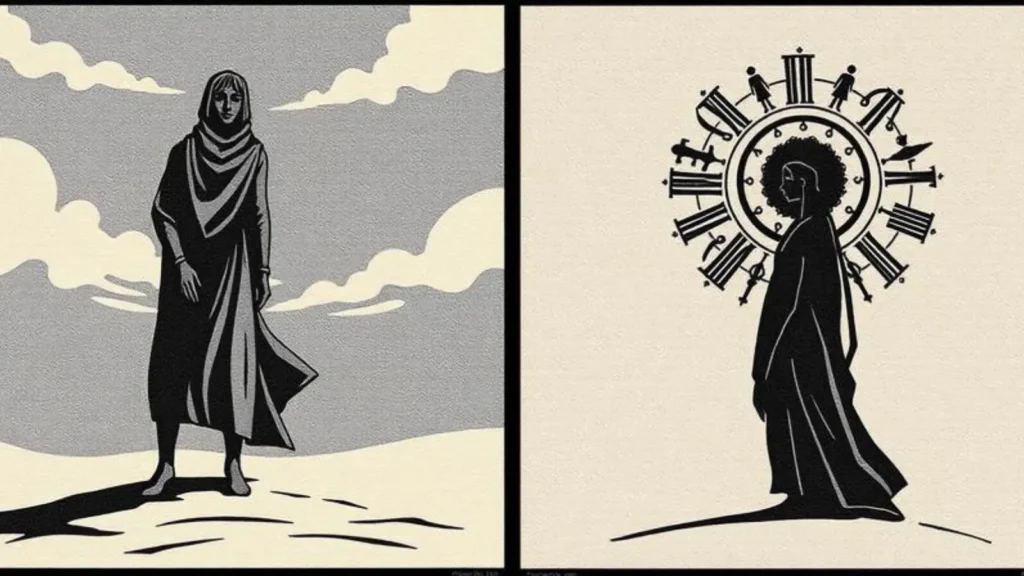
Symbolism examples are objects, colors, animals, plants, actions, shapes, or images that represent deeper meanings beyond their literal appearance.
They communicate ideas, emotions, beliefs, values, or concepts through shared cultural, historical, religious, artistic, or psychological associations, although meanings may differ across societies and historical contexts.
What Is Symbolism?
Quick Answer
Symbolism is the practice of using one thing to represent another idea, emotion, belief, or abstract concept.
Unlike direct communication, symbolism encourages interpretation. Instead of stating something explicitly, symbols invite people to understand deeper meanings through shared experiences and cultural knowledge.
Examples include:
- Heart → Love
- Olive branch → Peace
- Crown → Authority
- Light → Hope
- Chains → Oppression
- Butterfly → Transformation
Why Symbolism Matters

Symbols simplify complex ideas.
Instead of lengthy explanations, a single image can communicate history, identity, emotions, values, or beliefs instantly.
Symbolism is important because it helps people:
- Express emotions visually
- Preserve cultural traditions
- Strengthen storytelling
- Build memorable brands
- Teach moral lessons
- Unite communities
- Create emotional connections
Historical Origins of Symbolism
Humans have used symbols for thousands of years.
Prehistoric Era
Early cave paintings represented:
- Hunting success
- Fertility
- Spiritual beliefs
- Animal power
- Survival
These were among humanity’s earliest symbolic communication systems.
Ancient Civilizations

Ancient societies expanded symbolism dramatically.
Egypt
Examples include:
- Ankh → Life
- Eye of Horus → Protection
- Scarab beetle → Rebirth
Greece
Greek mythology introduced symbols like:
- Owl → Wisdom
- Laurel wreath → Victory
- Lightning bolt → Divine power
Rome
Romans used symbols for:
- Military strength
- Citizenship
- Political authority
Medieval Period
Religious symbolism became dominant.
Church architecture, paintings, manuscripts, and stained glass windows relied heavily on symbolic imagery to communicate religious teachings.
Modern Society

Today symbolism appears in:
- Logos
- Emojis
- Traffic signs
- Flags
- Social media
- Movies
- Video games
- Corporate branding
Types of Symbolism
| Type | Example | Meaning |
| Color symbolism | White | Purity or mourning depending on culture |
| Animal symbolism | Eagle | Freedom and strength |
| Plant symbolism | Lotus | Enlightenment |
| Object symbolism | Key | Opportunity |
| Nature symbolism | Storm | Conflict |
| Religious symbolism | Cross | Faith |
| Literary symbolism | Mockingbird | Innocence |
| Architectural symbolism | Pillars | Stability |
| Cultural symbolism | Dragon | Fortune or danger |
| Personal symbolism | Family heirloom | Memory |
Common Symbolism Examples and Their Meanings
Heart
Usually represents:
- Love
- Compassion
- Romance
- Kindness
Modern digital communication has made the heart one of the world’s most recognized symbols.
Dove
Represents:
- Peace
- Hope
- Reconciliation
- Spiritual renewal
Its symbolism appears across religious traditions and international peace movements.
Tree

Trees often symbolize:
- Growth
- Wisdom
- Family
- Life
- Stability
- Connection between heaven and earth
Butterfly
Common meanings include:
- Personal transformation
- Change
- Hope
- New beginnings
- Spiritual growth
Because butterflies undergo metamorphosis, they frequently symbolize renewal.
Water
Water may symbolize:
- Cleansing
- Life
- Emotion
- Healing
- Rebirth
However, floods may symbolize chaos or destruction.
Fire
Fire has dual symbolism.
Positive:
- Passion
- Energy
- Purification
- Inspiration
Negative:
- Anger
- Destruction
- Judgment
Context determines interpretation.
Sun
Usually represents:
- Life
- Energy
- Truth
- Hope
- Leadership
Many ancient civilizations worshipped solar deities because the sun sustained life.
Moon
Often symbolizes:
- Mystery
- Femininity
- Reflection
- Time
- Intuition
Snake
One of history’s most complex symbols.
Possible meanings include:
- Healing
- Temptation
- Wisdom
- Rebirth
- Danger
Interpretation varies significantly across cultures.
Owl

Often associated with:
- Intelligence
- Wisdom
- Knowledge
However, in some traditions it symbolizes death or misfortune.
Color Symbolism Examples
| Color | Common Meaning | Possible Alternative Meanings |
| Red | Love, passion | Danger, sacrifice |
| Blue | Trust | Sadness |
| Green | Growth | Jealousy |
| Yellow | Happiness | Caution |
| White | Purity | Mourning in parts of Asia |
| Black | Elegance | Death or mystery |
| Purple | Royalty | Spirituality |
| Orange | Energy | Creativity |
Did You Know?
The same color can communicate completely different meanings across cultures.
For example, white symbolizes weddings in many Western countries but is traditionally associated with mourning in several East Asian cultures.
Animal Symbolism Examples
Animals have long represented human qualities.
| Animal | Symbolic Meaning |
| Lion | Courage |
| Eagle | Freedom |
| Fox | Cleverness |
| Wolf | Loyalty or independence |
| Horse | Power |
| Elephant | Wisdom |
| Peacock | Beauty |
| Raven | Mystery |
| Deer | Gentleness |
| Bee | Hard work |
Religious Symbolism
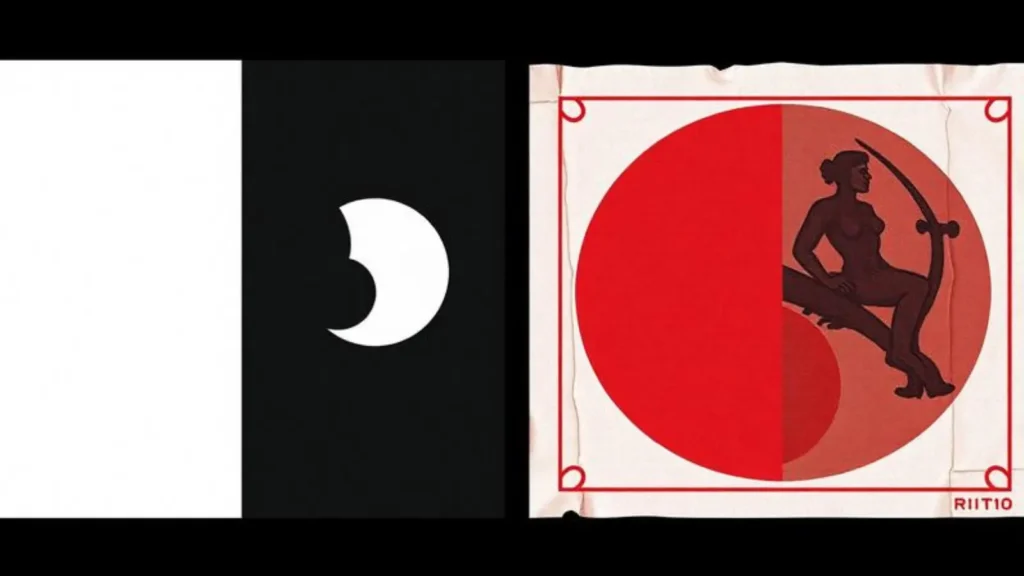
Religion has shaped symbolic traditions for thousands of years.
Examples include:
- Cross → Christianity
- Crescent → Islam
- Lotus → Buddhism
- Om → Hindu philosophy
- Menorah → Judaism
These symbols often represent beliefs, identity, community, and spiritual values. Interpretations may vary within each faith tradition.
Symbolism in Literature
Authors rarely choose symbols randomly.
Examples include:
- Storms representing emotional conflict.
- Light symbolizing hope or truth.
- Darkness representing uncertainty.
- Seasons reflecting life’s stages.
- Birds symbolizing freedom.
Literary symbolism encourages readers to think beyond literal events.
Symbolism in Art
Artists communicate ideas visually using symbolism.
Common artistic symbols include:
- Broken chains → Freedom
- Empty chair → Loss
- Mirror → Self-reflection
- Window → Opportunity
- Clock → Time
Art often allows multiple valid interpretations depending on historical and cultural context.
Symbolism in Mythology
Myths rely heavily on symbols.
Recurring examples include:
- Dragons
- Sacred trees
- Magical rivers
- Mountains
- Serpents
- Phoenix
These symbols often represent universal themes such as creation, transformation, sacrifice, wisdom, and renewal.
Cultural Differences in Symbolism
| Symbol | Western Meaning | Other Cultural Interpretations |
| Dragon | Danger | Prosperity in many East Asian traditions |
| White | Purity | Mourning in several Asian cultures |
| Owl | Wisdom | Misfortune in some folklore |
| Number 13 | Bad luck | Neutral in many cultures |
| Lotus | Beauty | Spiritual enlightenment in several Eastern traditions |
Understanding cultural context prevents misunderstandings.
Expert Tip
Never assume a symbol has the same meaning everywhere. Historical traditions, religion, local customs, and lived experiences all influence interpretation.
Psychological Meaning of Symbols
Psychologists recognize that symbols help people organize thoughts and emotions.
Symbols can:
- Trigger memories
- Influence decisions
- Shape identity
- Encourage emotional responses
- Strengthen learning
Because the human brain processes visual information quickly, symbols often communicate more efficiently than lengthy explanations.
Symbolism in Branding
Successful brands rarely choose logos randomly.
Symbolism helps businesses communicate:
- Trust
- Innovation
- Luxury
- Sustainability
- Simplicity
- Adventure
Examples include:
- Green branding suggesting environmental responsibility.
- Circular logos implying unity and continuity.
- Upward arrows representing progress.
- Mountains symbolizing endurance.
Brand symbolism works best when visual identity consistently matches organizational values.
Symbolism in Architecture
Buildings also communicate symbolic ideas.
Examples include:
- Domes representing heaven.
- Columns symbolizing strength.
- Arches suggesting transition.
- Towers expressing aspiration.
- Gardens representing harmony.
Many historic monuments intentionally incorporate symbolic design elements.
Symbolism in Everyday Life
People encounter symbolism constantly.
Examples include:
- Wedding rings
- Graduation caps
- National flags
- Traffic lights
- Emojis
- Uniforms
- Medals
- Memorials
These everyday symbols communicate messages quickly and efficiently.
Symbolism in Digital Communication
Modern communication increasingly relies on visual symbols.
Today’s examples include:
- ❤️ Love
- 👍 Approval
- 🔥 Popularity
- 🌍 Global awareness
- 💡 Ideas
- ⏳ Waiting
- 🚫 Restriction
Digital symbolism has created a universal visual language while still allowing cultural differences in interpretation.
Practical Applications of Understanding Symbolism
Knowledge of symbolism benefits many fields.
| Field | Practical Use |
| Education | Teaching literature and history |
| Marketing | Building memorable brands |
| Design | Improving visual communication |
| Psychology | Understanding emotional responses |
| Film | Visual storytelling |
| Architecture | Creating meaningful spaces |
| Religion | Interpreting sacred imagery |
| Business | Communicating company values |
Myth vs. Fact
| Myth | Fact |
| Every symbol has one meaning. | Meanings often change across cultures and history. |
| Symbols are always intentional. | Some meanings develop naturally over time. |
| Ancient symbols never change. | Symbolic interpretations continue evolving. |
| Colors mean the same worldwide. | Cultural differences strongly influence color symbolism. |
Common Mistakes When Interpreting Symbols
Avoid these common errors:
- Ignoring historical context.
- Assuming universal meanings.
- Overinterpreting ordinary objects.
- Confusing personal symbolism with cultural symbolism.
- Forgetting that meanings evolve over time.
Key Insights
- Symbols communicate ideas beyond literal language.
- Meanings develop through history, culture, psychology, and tradition.
- Context is essential for accurate interpretation.
- The same symbol can represent different ideas across societies.
- Modern branding, media, education, and digital communication continue expanding symbolic language.
Why Symbolism Still Matters Today
Although technology has transformed communication, symbolism remains essential.
From corporate logos and national emblems to emojis and public art, symbols continue influencing:
- Identity
- Politics
- Education
- Advertising
- Religion
- Literature
- Entertainment
- Social movements
As global communication grows, understanding symbolism becomes increasingly valuable for interpreting messages accurately and respectfully.
Conclusion
Symbolism is one of humanity’s oldest and most powerful communication tools. Across cultures and generations, symbols have helped people express beliefs, emotions, identities, traditions, and values in ways that transcend spoken language.
Whether found in ancient mythology, religious practices, literature, visual arts, architecture, branding, or digital media, symbolism continues to shape how individuals understand the world and connect with one another.
Exploring diverse symbolism examples reveals that meanings are rarely fixed. They evolve through historical events, cultural traditions, psychological associations, and social change.
By recognizing context and respecting different interpretations, we become more thoughtful readers, viewers, designers, educators, and communicators.
Understanding symbolism enriches our appreciation of human creativity while improving our ability to interpret the visual and cultural messages that surround us every day.

Isabella Carter explores symbolism in nature, literature, art, and spirituality with engaging and informative research.
