Moths have fascinated people for thousands of years. While butterflies often symbolize beauty and joyful transformation, moths carry a more mysterious reputation.
Drawn toward light yet active in darkness, these delicate insects have inspired myths, spiritual beliefs, artistic expressions, psychological interpretations, and cultural traditions across civilizations.
Today, moth symbolism continues to appear in literature, tattoos, branding, dreams, social media, fashion, and personal development.
Some people view moths as symbols of transformation and intuition, while others associate them with mystery, vulnerability, or spiritual guidance.
Understanding these meanings helps us appreciate how a small insect has become one of humanity’s most intriguing natural symbols.
Featured Snippet: What Does Moth Symbolism Mean?
Moth symbolism generally represents transformation, intuition, vulnerability, perseverance, spiritual seeking, and the human attraction toward truth or enlightenment.
Because moths navigate darkness while pursuing light, many cultures interpret them as symbols of inner growth, hidden wisdom, personal change, and the search for meaning, although interpretations vary across traditions.
What Is Moth Symbolism?
Quick Answer
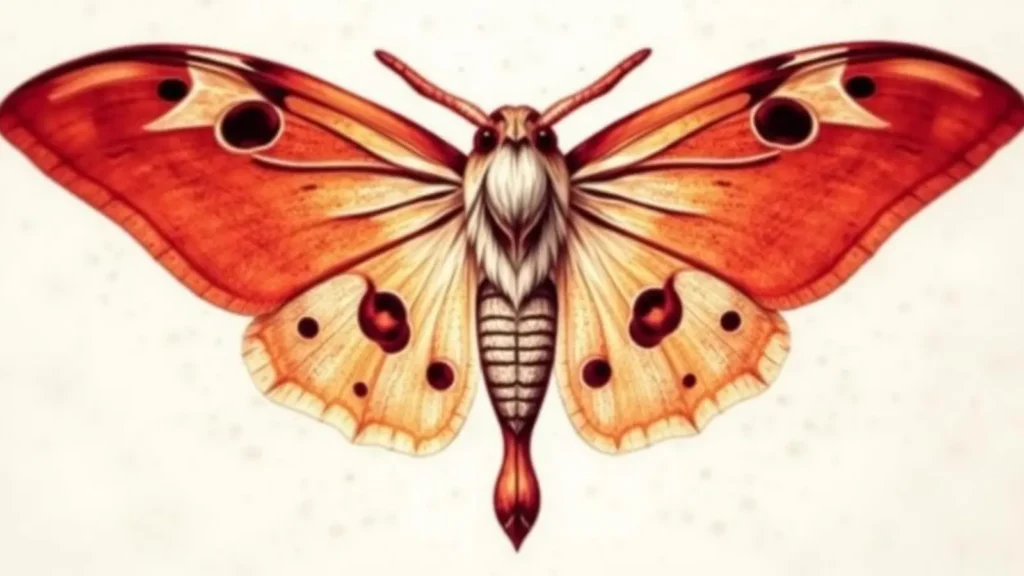
Moth symbolism refers to the cultural, spiritual, psychological, and artistic meanings people assign to moths. Rather than focusing on biological characteristics alone, symbolism explores what moths represent in stories, beliefs, emotions, religions, literature, dreams, and visual communication.
Unlike scientific facts, symbolic meanings evolve through culture and experience. Therefore, no single interpretation applies universally.
Some of the most common symbolic themes include:
- Personal transformation
- Inner wisdom
- Spiritual exploration
- Vulnerability
- Hope during uncertainty
- Emotional healing
- Quiet resilience
- Curiosity
- Hidden beauty
- Following one’s purpose
Why Do Moths Symbolize Transformation?
Direct Answer
Moths symbolize transformation because they undergo complete metamorphosis—from egg to caterpillar to cocoon to winged adult. This dramatic biological process naturally became a metaphor for personal growth and life transitions.
The symbolism extends beyond physical change.
Many people connect moths with:
- Emotional healing
- Identity shifts
- Career changes
- Recovery after hardship
- Spiritual awakening
- Personal reinvention
- Letting go of the past
Unlike butterflies, whose symbolism often emphasizes joyful emergence, moth symbolism frequently highlights growth achieved through uncertainty, struggle, and quiet resilience.
Historical Origins of Moth Symbolism
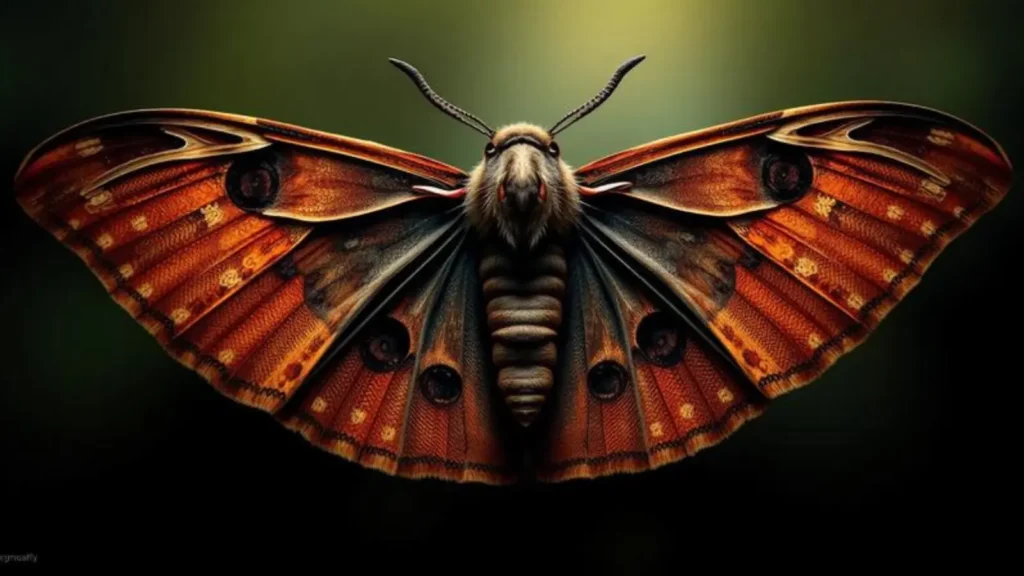
Humans have observed moths since prehistoric times.
Their nocturnal behavior made them mysterious creatures that appeared only after sunset. Ancient communities often interpreted nighttime animals as messengers from unseen worlds because darkness represented both danger and mystery.
Over centuries, moth symbolism evolved through:
- Folklore
- Oral storytelling
- Religious traditions
- Ancient mythology
- Agricultural observations
- Medieval superstition
- Indigenous knowledge
- Literature
- Art
Different civilizations attached different meanings depending on local beliefs and ecological experiences.
Moth Symbolism Across Different Cultures
Quick Answer
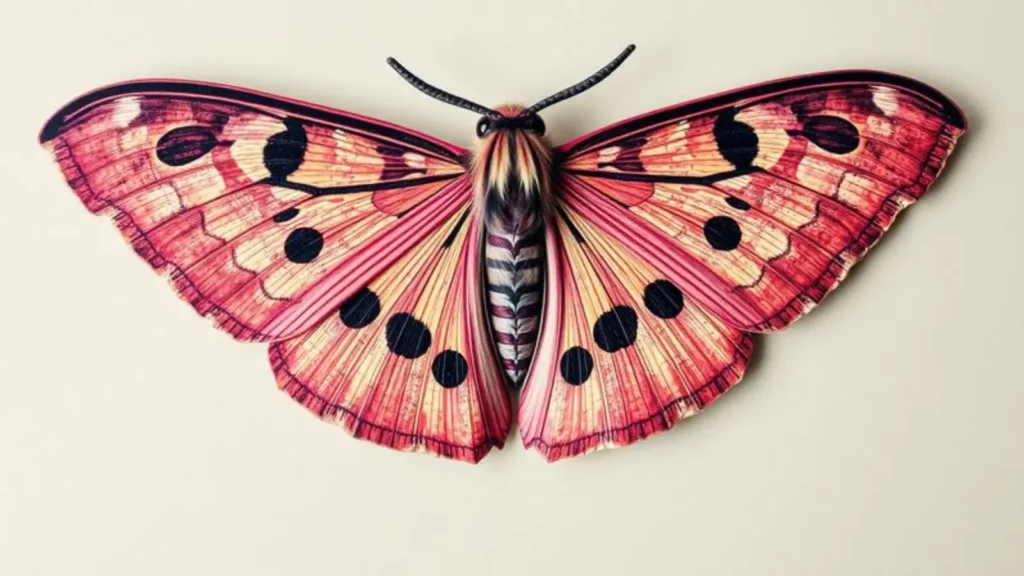
The symbolic meaning of moths differs across cultures. Some traditions view moths as spiritual messengers, while others associate them with ancestors, intuition, mystery, or transformation.
| Culture | Common Symbolic Meaning | Context |
| Native traditions (varies by community) | Transformation, adaptation | Nature-centered beliefs |
| Japanese traditions | Impermanence, delicate beauty | Linked with seasonal awareness |
| Celtic folklore | Spirit world, mystery | Folklore interpretations |
| Chinese symbolism | Longevity, transformation (varies by species and context) | Traditional symbolism |
| European folklore | Omens, mystery, souls | Medieval beliefs varied widely |
| Modern Western culture | Personal growth, resilience, intuition | Psychology and self-development |
It is important to recognize that symbolic interpretations differ within cultures and should not be treated as universal truths.
Spiritual Meaning of Moths
Direct Answer
In many spiritual traditions, moths symbolize the soul’s journey toward wisdom, truth, or higher understanding.
Common spiritual interpretations include:
Seeking Light
Perhaps the best-known symbolic interpretation is the moth’s attraction to light.
Spiritually, this may represent:
- Searching for truth
- Desire for wisdom
- Personal enlightenment
- Faith
- Hope during difficult times
Inner Guidance
Because moths navigate darkness, they often symbolize trusting intuition rather than relying only on external certainty.
Personal Awakening
Many people interpret unexpected moth encounters as reminders to reflect, grow, or embrace change. These interpretations belong to spiritual belief systems rather than established scientific evidence.
Psychological Meaning of Moth Symbolism
Modern psychology generally does not assign fixed symbolic meanings to moths. However, symbolic psychology and personal interpretation often connect moth imagery with emotional experiences.
Possible psychological themes include:
- Self-discovery
- Shadow work
- Identity
- Vulnerability
- Emotional resilience
- Curiosity
- Personal transformation
People frequently project personal meaning onto natural symbols, making symbolism highly individual.
Moth Symbolism in Dreams
Quick Answer
Dream interpretation is subjective. Many dream traditions associate moths with hidden emotions, transformation, unresolved questions, or personal growth.
Possible symbolic meanings include:
- Preparing for change
- Emotional sensitivity
- Hidden fears
- Curiosity
- Spiritual reflection
- Personal evolution
Dream meanings vary according to personal experiences, emotions, and cultural background.
Religious Connections
Religious symbolism differs significantly among traditions.
Some interpretations include:
Christianity
Moths occasionally appear as reminders of earthly impermanence, especially in passages emphasizing that material possessions eventually decay.
Buddhism
Although moths are not major religious symbols, impermanence and transformation resonate with broader Buddhist teachings about change.
Indigenous Traditions
Many Indigenous cultures have unique ecological relationships with insects. Their symbolic meanings differ among communities and should never be generalized.
Moths in Mythology and Folklore
Folklore often transformed ordinary animals into symbolic messengers.
Moths became associated with:
- Spirits
- Ancestors
- Hidden knowledge
- Night journeys
- Fate
- Mystery
- Change
In some regions, large moth species inspired supernatural stories because of their unusual appearance and nighttime activity.
These narratives belong to folklore rather than historical fact.
Moth Symbolism in Literature and Storytelling
Authors frequently use moths as literary symbols because they naturally evoke contrast.
Common literary themes include:
- Light versus darkness
- Hope versus danger
- Innocence versus experience
- Curiosity versus risk
- Beauty versus fragility
Unlike butterflies, moths often symbolize quieter emotional journeys.
They frequently represent characters who continue searching despite uncertainty.
Moth Symbolism in Art and Design
Artists appreciate moths because of their intricate wing patterns and symbolic richness.
Moth imagery commonly appears in:
- Fine art
- Tattoo design
- Fashion
- Graphic design
- Photography
- Jewelry
- Textile patterns
- Interior décor
Designers often use moths to communicate:
- Mystery
- Elegance
- Transformation
- Vintage aesthetics
- Nature
- Balance between darkness and light
Color Psychology and Moth Symbolism
The symbolic impact of moth imagery often depends on color.
| Moth Color | Common Symbolic Interpretation |
| White | Purity, peace, spiritual reflection |
| Black | Mystery, transformation, protection |
| Brown | Stability, grounding, resilience |
| Gray | Balance, neutrality, wisdom |
| Golden | Hope, enlightenment, optimism |
Color meanings differ across cultures and artistic traditions.
Moth Symbolism in Branding and Visual Communication
Modern branding increasingly uses natural symbolism.
A moth logo may communicate:
- Quiet confidence
- Authenticity
- Transformation
- Creativity
- Emotional depth
- Sustainability
- Individuality
Brands focused on wellness, fashion, storytelling, publishing, or personal development sometimes choose moth-inspired imagery because it feels thoughtful rather than flashy.
Did You Know?
- Moths greatly outnumber butterfly species worldwide.
- Many moth species are important nighttime pollinators.
- Not every moth is strongly attracted to artificial light.
- Some moths rely on moonlight for navigation.
- Their ecological importance extends beyond symbolism, supporting biodiversity and healthy ecosystems.
Expert Tip
When interpreting moth symbolism, always distinguish between:
- Scientific facts about moth behavior
- Historical records
- Cultural traditions
- Personal spiritual beliefs
Combining these perspectives creates a more balanced understanding without confusing symbolism with evidence-based science.
Myth vs. Fact
| Myth | Fact |
| Moths always symbolize death. | Meanings vary widely across cultures. |
| Every moth is attracted to light. | Attraction depends on species and environmental conditions. |
| Moths are simply “night butterflies.” | Although related, moths and butterflies have important biological differences. |
| Spiritual meanings are scientifically proven. | Spiritual symbolism reflects belief systems rather than scientific evidence. |
| Black moths always bring bad luck. | This belief exists in some traditions but is not universal. |
Common Mistakes When Interpreting Moth Symbolism
Many misunderstandings arise because people assume one interpretation fits every situation.
Avoid these common mistakes:
- Assuming every culture shares the same symbolism.
- Treating folklore as historical fact.
- Confusing spiritual beliefs with scientific evidence.
- Ignoring personal context.
- Assuming all moth species carry identical symbolic meanings.
- Overlooking the ecological importance of moths.
Practical Applications of Moth Symbolism
Understanding symbolic language has practical value beyond spirituality.
Moth symbolism can be useful in:
Personal Reflection
Many people use symbolic imagery during journaling or self-development exercises.
Education
Teachers explore symbolism to strengthen literary analysis and cultural understanding.
Storytelling
Writers use moth imagery to deepen themes of growth, mystery, or resilience.
Branding
Businesses sometimes incorporate moth symbolism into logos and visual identities that emphasize authenticity or transformation.
Art Therapy
Creative professionals may invite clients to explore personally meaningful symbols, recognizing that interpretations are individual rather than universal.
Moth Symbolism Compared with Butterfly Symbolism
| Feature | Moth | Butterfly |
| Activity | Mostly nocturnal | Mostly diurnal |
| Primary Symbol | Inner transformation | Visible transformation |
| Emotional Theme | Introspection | Celebration |
| Visual Tone | Mystery | Joy |
| Spiritual Theme | Seeking light | Freedom |
| Literary Use | Quiet resilience | Hope and renewal |
Both insects undergo metamorphosis, but cultural symbolism often emphasizes different emotional experiences.
Key Insights
- Moth symbolism centers on transformation through perseverance.
- Cultural meanings differ across regions and traditions.
- Spiritual interpretations should be distinguished from scientific evidence.
- Literature frequently uses moths to represent emotional depth.
- Designers appreciate moth imagery for its elegance and mystery.
- Modern psychology encourages personal rather than universal symbolic interpretation.
- Moths play valuable ecological roles beyond their symbolic significance.
Why Moth Symbolism Still Matters Today
Despite rapid technological change, symbolic thinking remains central to human communication.
Moths continue influencing:
- Literature
- Digital illustration
- Tattoo culture
- Fashion
- Brand storytelling
- Mental wellness conversations
- Personal development
- Educational discussions
- Environmental awareness
- Visual identity
Their symbolism reminds us that growth often happens quietly, away from public attention, and that meaningful transformation frequently begins in uncertain places.
Conclusion
Moth symbolism is remarkably rich because it combines natural observation with centuries of cultural storytelling. Across history, moths have represented transformation, intuition, perseverance, vulnerability, mystery, and humanity’s enduring search for light amid darkness.
While interpretations vary across cultures, religions, and personal belief systems, the recurring themes of growth and resilience remain especially powerful.
Understanding moth symbolism also strengthens our appreciation of visual communication, mythology, psychology, literature, branding, education, and cultural identity.
By distinguishing scientific knowledge from symbolic interpretation, we gain a more balanced perspective on why moths continue to inspire artists, writers, spiritual practitioners, designers, and everyday observers around the world.

Lucas Whitmore reveals the hidden messages behind symbols, signs, and traditions through detailed symbolism guides.
