Dragonfly symbolism has fascinated humanity for centuries. From ancient myths and spiritual traditions to modern art, literature, tattoos, branding, and personal development, the dragonfly represents far more than an elegant insect.
Its remarkable life cycle, graceful flight, and shimmering wings have inspired countless symbolic interpretations across cultures.
Today, dragonfly symbolism continues to resonate because it reflects universal human experiences change, resilience, emotional maturity, freedom, transformation, and living fully in the present moment.
While meanings vary between cultures and belief systems, the dragonfly consistently serves as a powerful reminder that growth often comes through adaptation and life’s continuous evolution.
Featured Snippet: What Does Dragonfly Symbolism Mean?
Dragonfly symbolism represents transformation, adaptability, personal growth, resilience, wisdom, and living in the present.
Across many cultures, the dragonfly symbolizes positive change, emotional maturity, self-discovery, hope, and spiritual awakening, although specific meanings vary depending on historical traditions, mythology, and cultural beliefs.
What Is Dragonfly Symbolism?
Quick Answer
Dragonfly symbolism refers to the meanings people have associated with dragonflies throughout history. Rather than being universal facts, these meanings are cultural, spiritual, artistic, and psychological interpretations shaped by human observation and storytelling.
People often associate dragonflies with:
- Personal transformation
- Change and transition
- Emotional growth
- Adaptability
- Wisdom through experience
- Freedom
- Balance
- Hope
- New beginnings
- Lightness and joy
- Self-awareness
- Living intentionally
The dragonfly’s dramatic life cycle—from aquatic nymph to airborne adult—naturally inspired many civilizations to connect it with personal evolution and renewal.
Why Dragonflies Became Powerful Symbols
Direct Answer
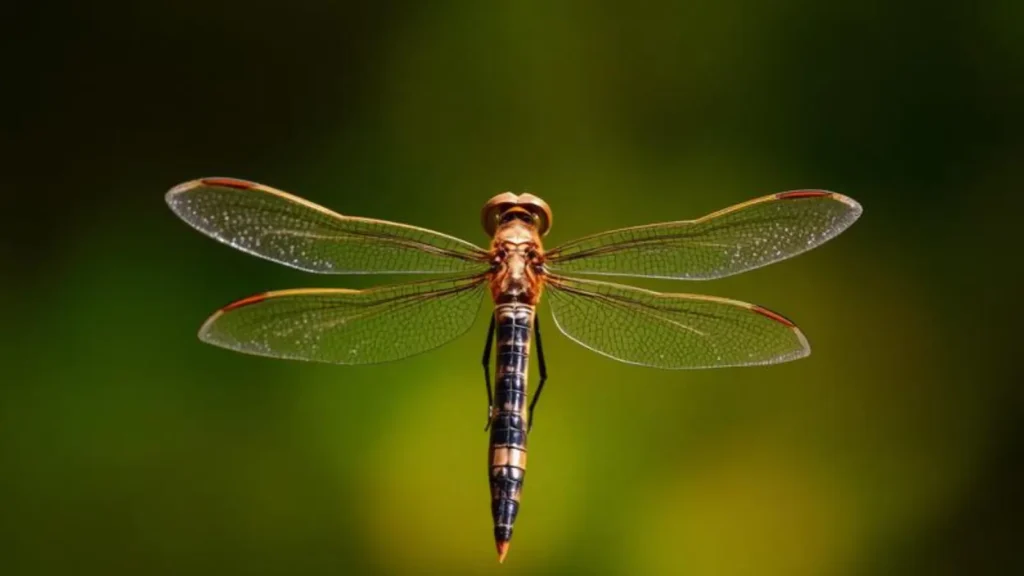
Dragonflies became symbolic because of their extraordinary biological characteristics and striking appearance.
Several natural features contribute to their symbolism:
| Natural Characteristic | Symbolic Interpretation |
| Metamorphosis | Personal transformation |
| Agile flight | Adaptability |
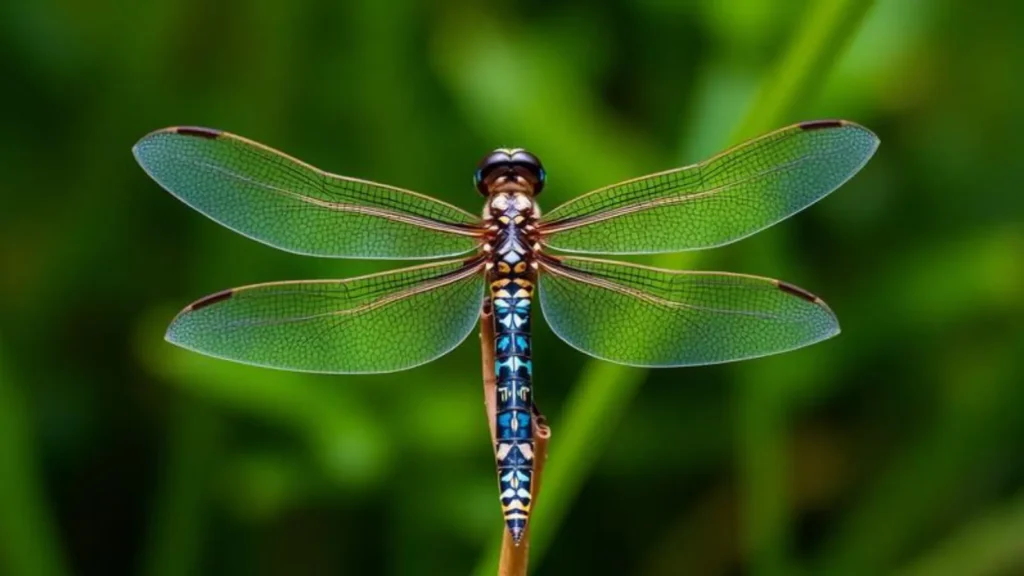
| Transparent wings | Clarity and honesty |
| Iridescent colors | Beauty and change |
| Life near water | Emotional awareness |
| Exceptional vision | Wisdom and insight |
| Fast movement | Living in the present |
| Delicate appearance with strong flight | Inner strength |
Humans have long observed nature to explain life’s mysteries. Dragonflies stood out because they seem to move effortlessly between water, air, and light, making them ideal symbols for transition and growth.
The Historical Origins of Dragonfly Symbolism
Early Human Observations
Long before written history, people assigned symbolic meaning to animals and insects.
Dragonflies frequently appeared near rivers, lakes, and wetlands—places already associated with fertility, mystery, and life.
Ancient observers noticed:
- Their dramatic emergence from water
- Their colorful wings
- Their speed
- Their hunting precision
- Their seasonal appearance
These observations gradually became myths, legends, and symbolic traditions.
Dragonflies in Ancient Civilizations
Although dragonflies appear less frequently than animals like eagles or lions in ancient texts, they still held symbolic importance in various societies.
Some traditions viewed dragonflies as symbols of:
- Summer abundance
- Agricultural prosperity
- Water spirits
- Nature’s balance
- Seasonal cycles
Rather than carrying one universal meaning, dragonflies reflected the values and beliefs of each culture.
Dragonfly Symbolism Across Different Cultures
Japanese Symbolism
Direct Answer
In Japan, dragonflies have traditionally symbolized courage, happiness, perseverance, strength, and victory.
Japan has historically celebrated dragonflies in:
- Poetry
- Samurai culture
- Art
- Family crests
- Seasonal symbolism
The dragonfly became associated with determination because it flies confidently and rarely moves backward.
Native American Perspectives
Different Indigenous nations hold different beliefs, so there is no single Native American interpretation.
Some traditions associate dragonflies with:
- Renewal
- Water
- Swiftness
- Harmony
- Messenger symbolism
- Prosperity
These meanings differ between communities and should not be generalized.
Chinese Cultural Meaning
In Chinese traditions, dragonflies may symbolize:
- Harmony
- Prosperity
- Summer
- Good fortune
- Happiness
- Renewal
Because dragonflies often appear during warm seasons, they became associated with abundance and joyful living.
European Folklore
European folklore presents a more varied picture.
Depending on the region, dragonflies have been viewed as:
Positive meanings:
- Transformation
- Nature’s beauty
- Freedom
Negative folklore:
- Superstitions
- Magical creatures
- Omens in certain rural legends
Modern interpretations generally focus on the dragonfly’s positive symbolism rather than historical superstitions.
Dragonfly Symbolism in Spiritual Traditions
Quick Answer
Spiritually, dragonflies often symbolize awakening, transformation, mindfulness, and higher awareness.
Many contemporary spiritual practices interpret dragonflies as reminders to:
- Embrace change
- Trust life’s journey
- Release fear
- Grow emotionally
- Stay present
It is important to distinguish these spiritual beliefs from scientifically verified claims.
Spiritual Lessons Commonly Associated with Dragonflies
Transformation
The dragonfly’s metamorphosis naturally reflects personal growth.
People experiencing major life changes often adopt the dragonfly as a symbol of hope.
Living in the Present
Dragonflies move with remarkable precision.
Many mindfulness practitioners view them as reminders to appreciate the present moment rather than dwelling on the past.
Emotional Growth
Because dragonflies begin life underwater, water symbolism is often connected to emotions.
Their emergence into the air represents emotional maturity and new perspectives.
Psychological Meaning of Dragonfly Symbolism
Direct Answer
From a psychological perspective, dragonflies symbolize resilience, adaptability, and identity development.
Modern psychology often uses symbolic imagery—not as scientific proof—but as tools for reflection.
Dragonflies can represent:
- Accepting change
- Building resilience
- Letting go of outdated beliefs
- Personal insight
- Emotional flexibility
- Growth after adversity
Symbols help people organize experiences and create meaning during periods of uncertainty.
Dragonfly Symbolism in Mythology and Folklore
Dragonflies appear in many local legends around the world.
Some myths portray them as:
- Nature spirits
- Guardians of rivers
- Symbols of light
- Magical messengers
- Seasonal guides
Folklore varies widely and often reflects environmental relationships rather than historical events.
Dragonflies in Literature and Art
Direct Answer
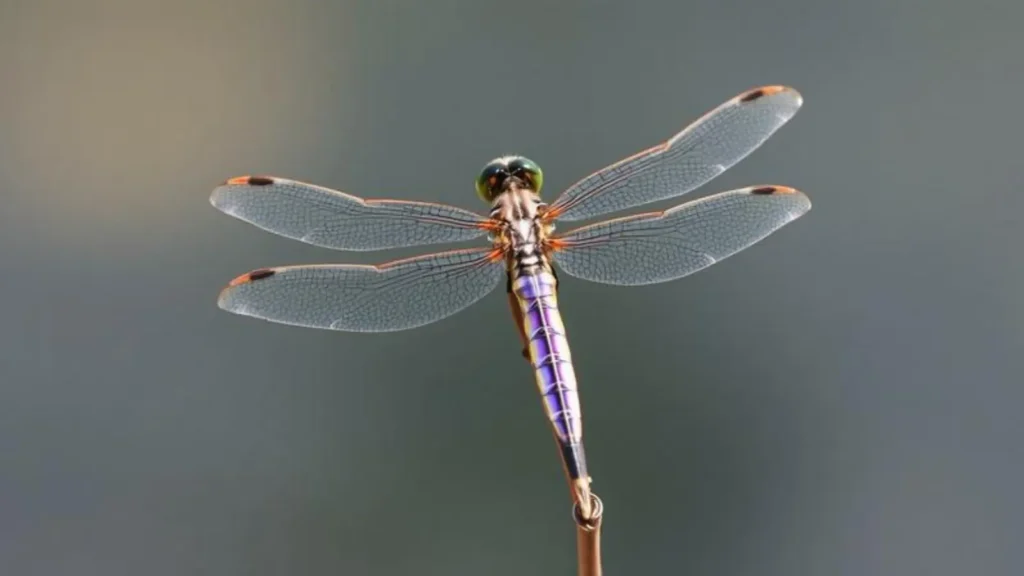
Artists and writers often use dragonflies to represent fleeting beauty, transformation, and hope.
Common literary themes include:
- Personal change
- Emotional healing
- Freedom
- Memory
- Renewal
- Passage of time
Visual artists frequently emphasize:
- Transparent wings
- Reflection
- Water imagery
- Iridescent colors
- Movement
- Light
The dragonfly’s elegant form makes it a compelling visual metaphor.
Dragonfly Symbolism in Modern Design and Branding
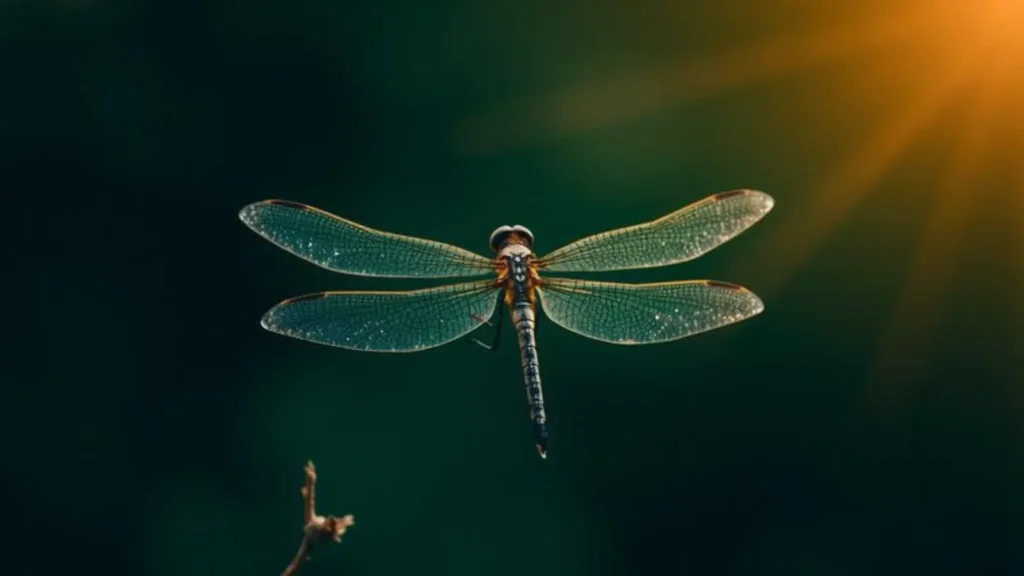
Today, dragonflies appear in:
- Wellness brands
- Beauty products
- Environmental organizations
- Mindfulness programs
- Jewelry
- Tattoos
- Home décor
Brands often choose dragonflies because they communicate:
- Elegance
- Innovation
- Fresh beginnings
- Transformation
- Sustainability
- Positive change
Their recognizable silhouette also creates memorable visual identities.
Dragonfly Symbolism in Color Psychology
Color influences how dragonfly imagery is interpreted.
| Dragonfly Color | Common Symbolic Meaning |
| Blue | Peace, trust, wisdom |
| Green | Growth, renewal, balance |
| Red | Passion, courage, vitality |
| Gold | Success, prosperity |
| White | Purity, clarity |
| Purple | Spiritual reflection |
| Black | Mystery, resilience |
| Multicolored | Diversity, transformation |
These meanings reflect cultural color associations rather than universal truths.
Dragonfly Tattoos and Personal Expression
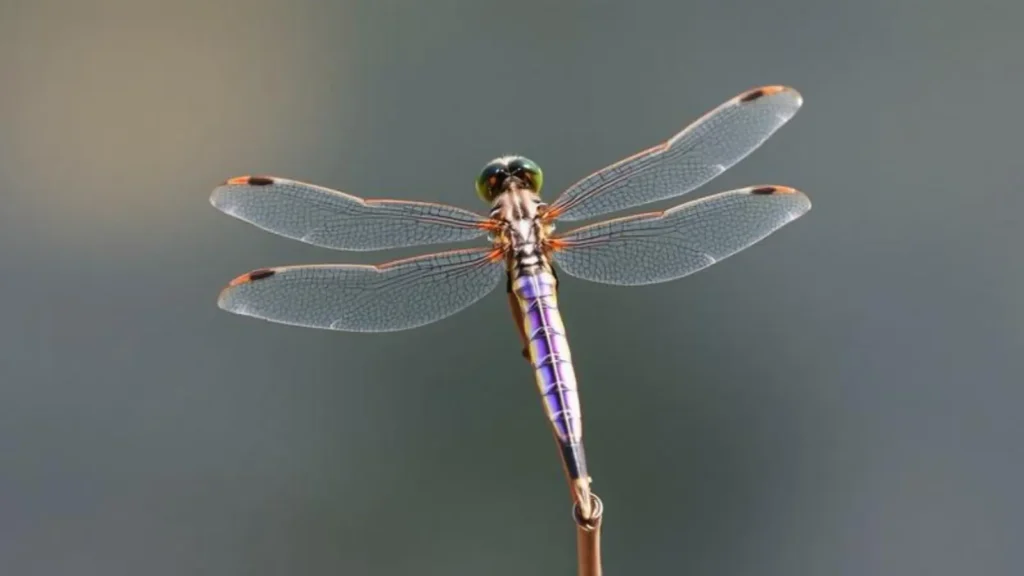
Dragonfly tattoos remain popular because they communicate deeply personal experiences.
People often choose them to represent:
- Recovery
- Life transitions
- New beginnings
- Independence
- Emotional healing
- Personal freedom
- Survival
- Hope
The specific meaning depends entirely on the individual’s story.
Dragonfly Symbolism in Dreams
Direct Answer
Dream interpretations are subjective and not scientifically validated.
Some symbolic traditions suggest dragonflies in dreams may reflect:
- Personal growth
- Emotional clarity
- Upcoming transitions
- Self-discovery
- New opportunities
Psychologists generally view dreams as highly personal experiences rather than universal predictions.
Dragonfly Symbolism in Religion
Dragonflies are not major central symbols in most world religions.
However, they occasionally appear in religious art or spiritual reflection because they naturally evoke:
- Renewal
- Creation
- Beauty
- The changing seasons
- Nature’s wisdom
Interpretations vary widely among faith communities.
Did You Know?
- Dragonflies have existed for more than 300 million years.
- They spend most of their lives as aquatic nymphs before becoming flying adults.
- Their large compound eyes provide exceptional vision.
- Dragonflies are skilled aerial predators.
- Their remarkable metamorphosis inspires many symbolic interpretations.
These biological facts help explain why dragonflies became enduring symbols of transformation.
Expert Tip
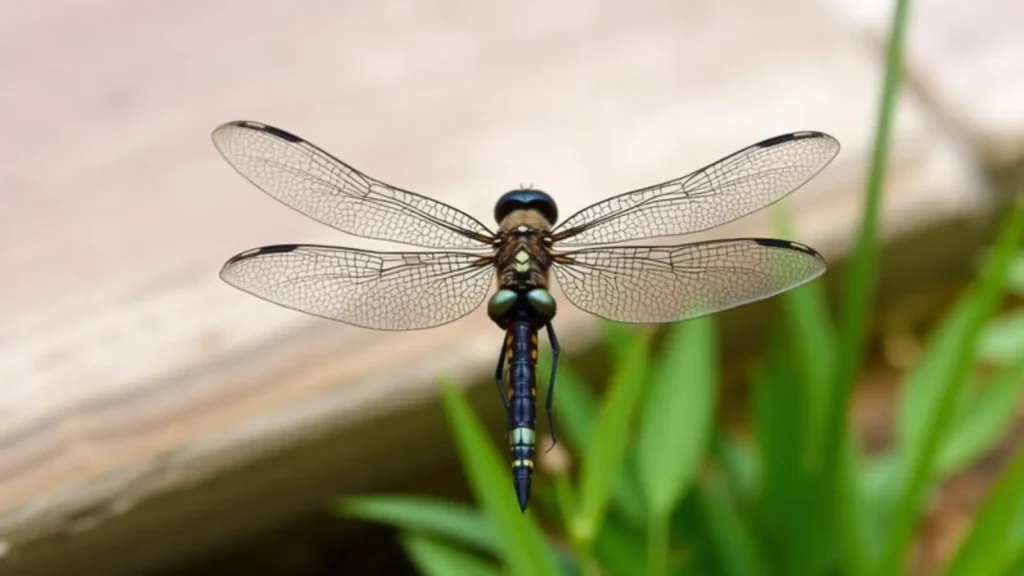
When interpreting dragonfly symbolism, always consider:
- Cultural background
- Historical period
- Artistic context
- Personal experience
- Religious tradition
- Intended audience
Symbols rarely have one fixed meaning. Context shapes interpretation.
Myth vs. Fact
| Myth | Fact |
| Dragonflies always represent spiritual messages. | Many meanings are cultural or personal rather than universally accepted. |
| Every culture interprets dragonflies identically. | Symbolic meanings differ across societies and historical periods. |
| Seeing a dragonfly predicts future events. | No scientific evidence supports predictive symbolism. |
| Dragonfly symbolism is purely modern. | Historical symbolism extends back centuries in many regions. |
| Symbolic meaning equals biological fact. | Symbolism reflects human interpretation, not scientific evidence. |
Common Mistakes When Interpreting Dragonfly Symbolism
Avoid these common misunderstandings:
- Assuming one universal meaning.
- Ignoring cultural context.
- Treating folklore as historical fact.
- Confusing spiritual beliefs with scientific evidence.
- Overlooking personal interpretation.
- Forgetting that symbolism evolves over time.
Balanced interpretation produces richer understanding.
Practical Applications of Dragonfly Symbolism
Dragonfly symbolism appears in many practical settings.
Education
Teachers use dragonflies to explain:
- Metamorphosis
- Ecosystems
- Cultural diversity
- Symbolic thinking
Branding
Businesses use dragonflies to communicate:
- Innovation
- Adaptability
- Positive transformation
Interior Design
Dragonfly artwork often creates spaces associated with:
- Calmness
- Nature
- Reflection
- Renewal
Personal Development
Life coaches and counselors sometimes encourage symbolic reflection as a tool for discussing:
- Change
- Goals
- Identity
- Resilience
The symbol serves as a conversation starter rather than a therapeutic method on its own.
Dragonfly Symbolism Compared with Other Transformation Symbols
| Symbol | Primary Meaning | Distinctive Feature |
| Dragonfly | Adaptability and transformation | Change through agility and awareness |
| Butterfly | Complete personal transformation | Metamorphosis and rebirth |
| Phoenix | Renewal after destruction | Rising from adversity |
| Lotus | Spiritual growth | Flourishing despite challenges |
| Tree | Stability and growth | Long-term resilience |
Each symbol highlights a different aspect of human growth.
Key Insights
- Dragonfly symbolism centers on transformation and adaptability.
- Meanings differ across cultures, religions, and historical traditions.
- Psychology views symbols as tools for reflection rather than objective truths.
- Dragonflies inspire art, branding, literature, and education.
- Modern interpretations often emphasize mindfulness and resilience.
- Context is essential for accurate symbolic interpretation.
Conclusion
Dragonfly symbolism remains meaningful because it reflects experiences that nearly everyone encounters: change, growth, resilience, and the search for purpose.
Across cultures, artistic traditions, spiritual beliefs, and modern design, the dragonfly has become a versatile symbol that encourages adaptability, emotional maturity, and appreciation for life’s evolving journey.
Although interpretations vary, the dragonfly consistently reminds us that transformation is a natural part of existence. Whether admired in nature, represented in literature, incorporated into branding, or chosen as a personal emblem through art or tattoos, its symbolism continues to shape communication, storytelling, cultural identity, education, and creative expression.
Understanding these meanings allows us to appreciate not only the dragonfly itself but also the diverse ways humans use symbols to express ideas, beliefs, and aspirations.

Amelia Rosewood writes about symbolic meanings, ancient traditions, and the emotional connections between humans and symbols.
