Sunflowers are among the world’s most recognizable flowers, admired for their brilliant golden petals and remarkable ability to turn toward the sun during their early growth stages.
Beyond their natural beauty, sunflower symbolism has inspired artists, writers, philosophers, spiritual traditions, and cultures for centuries.
Whether appearing in paintings, mythology, literature, gardens, or logos, the sunflower represents far more than a decorative bloom.
Understanding sunflower symbolism helps us appreciate how a simple flower can communicate optimism, loyalty, resilience, hope, personal growth, and the enduring pursuit of light.
Although interpretations vary across cultures and traditions, the sunflower consistently represents positive human values that continue to resonate today.
Featured Snippet: What Does Sunflower Symbolism Mean?
Sunflower symbolism represents happiness, hope, loyalty, optimism, strength, growth, and the pursuit of light. Inspired by the flower’s natural orientation toward the sun, it symbolizes positivity, resilience, spiritual awakening, gratitude, abundance, and unwavering faith across many cultures, artistic traditions, and belief systems.
What Is Sunflower Symbolism?
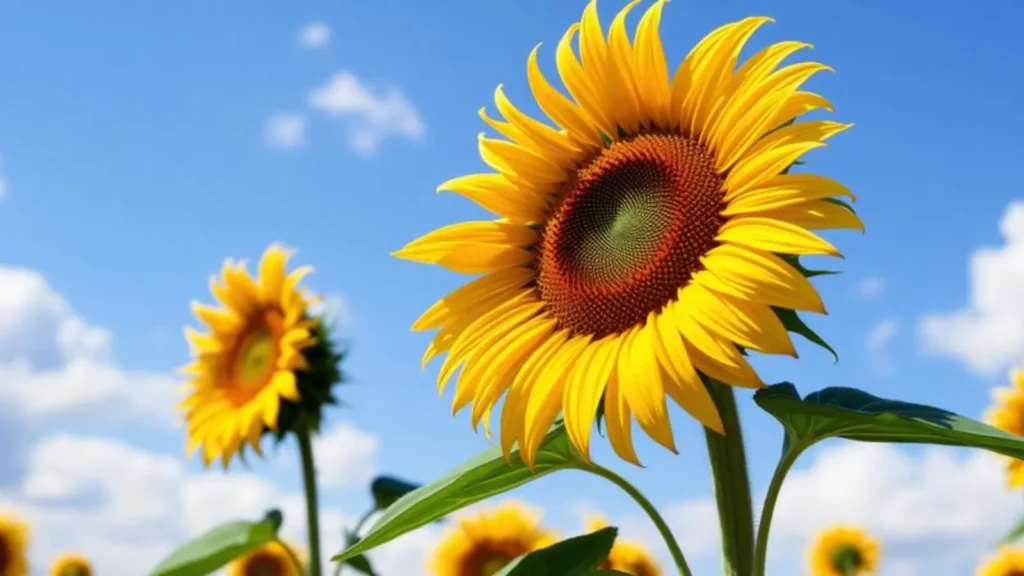
Sunflower symbolism refers to the deeper meanings people associate with the sunflower beyond its botanical characteristics.
Throughout history, humans have assigned symbolic value to flowers as a way of expressing emotions, beliefs, identity, and cultural traditions. The sunflower became especially meaningful because of several distinctive features:
- Its bright golden color resembles the sun.
- Young flowers naturally follow sunlight through heliotropism.
- It grows exceptionally tall.
- It produces hundreds or even thousands of seeds.
- It thrives under challenging conditions.
Together, these characteristics transformed the sunflower into a universal symbol of optimism, vitality, abundance, perseverance, and inner strength.
Why Is the Sunflower So Symbolic?
Quick Answer
The sunflower became symbolic because its appearance and behavior naturally resemble qualities humans admire: hope, resilience, positivity, growth, and devotion.
Its symbolism developed from both scientific observation and cultural storytelling.
Key symbolic associations include:
- Light over darkness
- Hope during hardship
- Loyalty and devotion
- Personal transformation
- Prosperity
- Gratitude
- Joy
- Confidence
- Spiritual enlightenment
- Lifelong growth
Rather than being based on a single tradition, sunflower symbolism evolved independently across different civilizations.
Historical Origins of Sunflower Symbolism
The sunflower originated in North America thousands of years ago.
Long before European exploration, Indigenous peoples cultivated sunflowers for food, medicine, dye, and ceremonial purposes. Archaeological evidence suggests sunflower cultivation dates back more than 4,000 years.
As the flower spread worldwide after the 16th century, its symbolic meanings expanded.
Ancient Indigenous Traditions
For many Indigenous communities, the sunflower represented:
- Harvest
- Fertility
- Life-giving energy
- Seasonal renewal
- Community prosperity
Its abundant seeds made it a symbol of nourishment and survival.
Greek Mythology
One of the most famous symbolic stories comes from Greek mythology.
According to later versions of the myth, the water nymph Clytie fell deeply in love with the sun god Helios.
When her love was unreturned, she continually watched him cross the sky until she transformed into a flower forever facing the sun.
Although botanists note that this legend was originally associated with another flower, over time it became closely connected with sunflowers in art and popular culture.
As a result, sunflower symbolism became linked with:
- Devotion
- Faithfulness
- Eternal admiration
- Unconditional love
The Meaning Behind Sunflower Symbolism
Hope
Perhaps the strongest symbolic meaning is hope.
The sunflower reminds people to seek light even during difficult seasons.
Its upward-facing bloom represents choosing optimism despite uncertainty.
Positivity
The sunflower’s bright yellow petals naturally evoke feelings of warmth and happiness.
Across psychology and design, yellow often communicates:
- Joy
- Energy
- Enthusiasm
- Creativity
- Optimism
This reinforces why sunflowers frequently symbolize cheerful attitudes.
Loyalty
Because of the flower’s perceived devotion to the sun, many traditions interpret it as representing loyalty.
It symbolizes:
- Faithful friendships
- Strong relationships
- Family bonds
- Lifelong commitment
Growth
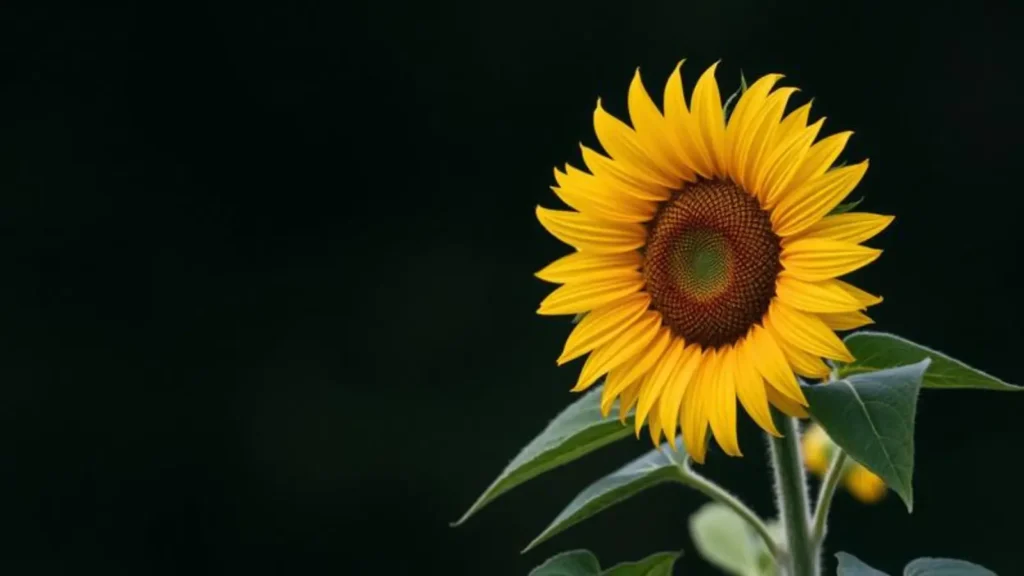
Sunflowers grow rapidly and can reach impressive heights.
This growth makes them symbolic of:
- Personal development
- Learning
- Ambition
- Self-improvement
- Achievement
Resilience
Despite wind, heat, and changing weather, sunflowers remain remarkably hardy.
They remind us that resilience is not avoiding challenges but continuing to grow through them.
Abundance
Each sunflower head can produce hundreds or thousands of seeds.
Consequently, many cultures associate sunflower symbolism with:
- Prosperity
- Wealth
- Fertility
- Opportunity
- Generosity
The Psychology Behind Sunflower Symbolism
Quick Answer
Psychologically, sunflowers evoke positive emotional responses because humans often associate sunlight, warmth, and bright colors with safety, happiness, and vitality.
Color psychology suggests yellow commonly stimulates feelings of:
- Optimism
- Alertness
- Curiosity
- Energy
- Confidence
While symbolic interpretations differ among individuals and cultures, many people instinctively perceive sunflowers as uplifting.
Spiritual Meaning of Sunflowers
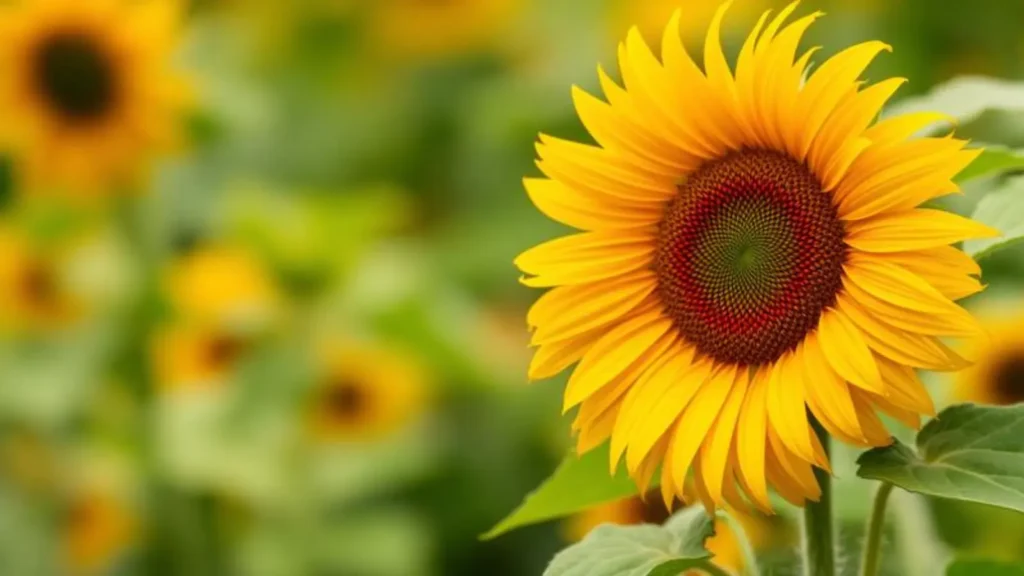
In many spiritual traditions, sunflowers represent inner awakening rather than belonging to one specific religion.
Common spiritual interpretations include:
Spiritual Growth
Like reaching toward sunlight, individuals strive toward wisdom and higher understanding.
Faith
The flower reminds believers to remain steadfast during life’s challenges.
Enlightenment
The circular bloom often symbolizes illumination and expanded awareness.
Gratitude
Its radiant appearance encourages appreciation for life’s blessings.
Purpose
Many spiritual teachers use the sunflower as a metaphor for living with intention and hope.
Religious Interpretations of Sunflowers
Different religious communities may interpret sunflower symbolism differently.
| Tradition | Common Symbolic Meaning |
| Christianity | Faith, divine light, gratitude, devotion |
| Buddhism | Spiritual awakening, mindfulness, compassion |
| Hindu traditions | Light, vitality, cosmic energy (context varies) |
| Indigenous traditions | Harvest, life cycles, abundance |
| Modern spirituality | Positive energy, personal transformation |
These interpretations are cultural rather than universally accepted religious doctrines.
Sunflower Symbolism Across Different Cultures
Native American Cultures
Historically, sunflowers symbolized:
- Harvest
- Nourishment
- Community
- Fertility
- Survival
They were both practical crops and ceremonial plants.
Chinese Symbolism
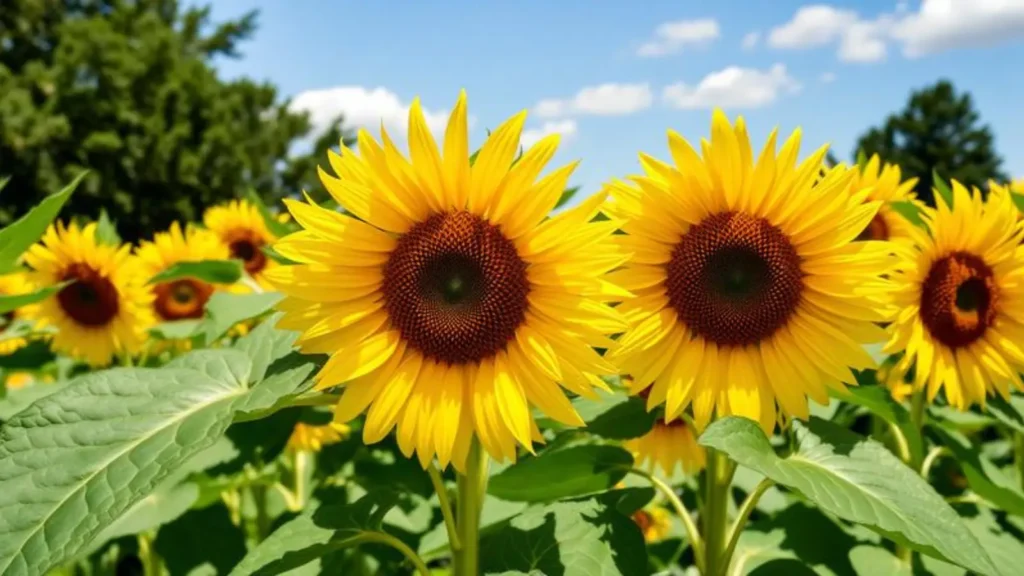
In Chinese cultural symbolism, sunflowers often represent:
- Longevity
- Good fortune
- Happiness
- Vitality
- Success
Their golden color contributes to associations with prosperity.
European Traditions
Following their introduction to Europe, sunflowers gradually became associated with:
- Loyalty
- Hope
- Summer
- Faith
- Optimism
Artists and poets frequently used them to symbolize emotional constancy.
Modern Western Culture
Today, sunflowers commonly symbolize:
- Positivity
- Mental resilience
- Self-confidence
- Friendship
- Encouragement
- Kindness
They frequently appear in inspirational media and celebrations.
Sunflower Symbolism in Literature
Writers use sunflowers to communicate emotions without lengthy explanations.
Common literary themes include:
- Hope after tragedy
- Personal transformation
- Innocence
- Faithfulness
- Emotional resilience
- Pursuit of dreams
Rather than explicitly stating a character’s optimism, authors may describe them standing beside sunflowers or tending a sunflower garden.
This visual symbolism enriches storytelling.
Sunflowers in Art
Perhaps no artist is more associated with sunflowers than Vincent van Gogh.
His famous sunflower paintings transformed the flower into an enduring artistic symbol of:
- Beauty
- Creativity
- Human emotion
- Life’s fleeting nature
- Passion
Today, sunflowers continue to inspire painters, photographers, sculptors, illustrators, and digital artists.
Sunflower Symbolism in Branding
Businesses often choose sunflower imagery because it communicates positive emotional values.
Brands use sunflower symbolism to represent:
- Trust
- Warmth
- Sustainability
- Natural products
- Wellness
- Growth
- Optimism
In visual communication, the sunflower instantly creates an approachable and welcoming identity.
Sunflower Symbolism in Design
Designers appreciate sunflowers because they naturally attract attention.
Applications include:
- Packaging
- Interior design
- Garden planning
- Educational materials
- Website illustrations
- Greeting cards
- Wedding themes
The flower communicates positivity without requiring words.
Sunflower Symbolism in Education
Teachers frequently use sunflower imagery to encourage students.
Educational symbolism includes:
- Lifelong learning
- Curiosity
- Growth mindset
- Confidence
- Achievement
Many classrooms display sunflowers during graduation or personal development activities.
Sunflower Symbolism in Modern Media
Across films, advertisements, and social media, sunflowers often represent:
- Fresh beginnings
- Emotional healing
- Friendship
- Recovery
- Authenticity
- Self-love
Their instantly recognizable appearance makes them effective visual storytelling tools.
Did You Know?
- Young sunflower buds naturally track the sun from east to west, a phenomenon called heliotropism. Mature flower heads generally face east rather than continuing to follow the sun throughout the day.
- A single sunflower can produce hundreds to thousands of seeds, depending on the variety and growing conditions.
- Sunflowers belong to the daisy family (Asteraceae).
- What appears to be one large flower is actually a collection of many tiny florets.
- Their seeds provide food for birds, wildlife, and people around the world.
Expert Tip
When interpreting sunflower symbolism, consider the context rather than assuming a single universal meaning.
For example:
- A sunflower in a memorial may symbolize hope and remembrance.
- In a graduation ceremony, it may represent growth and achievement.
- In branding, it often communicates warmth and trust.
- In literature, it may symbolize devotion or resilience.
Symbols gain meaning through culture, history, and context.
Common Mistakes About Sunflower Symbolism
Mistake 1: Assuming Every Culture Shares the Same Meaning
Different societies emphasize different symbolic values.
Mistake 2: Confusing Symbolism with Scientific Fact
Symbolic interpretations are cultural and psychological, while botanical observations are scientific.
Mistake 3: Believing All Sunflowers Constantly Follow the Sun
Only young plants exhibit strong heliotropic movement. Mature flower heads usually remain oriented toward the east.
Mistake 4: Thinking Symbolism Is Fixed
Symbolic meanings evolve over time through literature, art, religion, media, and shared cultural experiences.
Myth vs. Fact
| Myth | Fact |
| Sunflowers always follow the sun. | Young plants do; mature flowers typically face east. |
| Sunflowers symbolize only happiness. | They also represent resilience, growth, loyalty, hope, and abundance. |
| Every culture interprets them identically. | Symbolic meanings vary across historical and cultural contexts. |
| Symbolism is scientifically proven. | Symbolism reflects cultural interpretation rather than scientific measurement. |
Practical Applications of Sunflower Symbolism
Understanding sunflower symbolism can enhance communication in many fields.
Personal Growth
People use sunflower imagery as a reminder to stay hopeful during challenges.
Branding
Companies use sunflowers to communicate positivity and trustworthiness.
Education
Teachers incorporate sunflower themes to encourage resilience and lifelong learning.
Interior Design
Sunflower artwork creates warm and welcoming environments.
Storytelling
Authors and filmmakers use sunflowers as visual metaphors for transformation and hope.
Gift Giving
Bouquets featuring sunflowers often express encouragement, gratitude, friendship, or congratulations.
Key Insights
- Sunflower symbolism combines natural observation with cultural interpretation.
- Hope remains its most widely recognized meaning.
- Different societies emphasize different symbolic values.
- Psychology, art, religion, mythology, and literature all shaped its symbolism.
- Modern branding continues using sunflower imagery because it evokes warmth, trust, and optimism.
- Understanding symbolic context leads to more accurate interpretation.
Why Sunflower Symbolism Still Matters Today
In today’s visually driven world, symbols communicate ideas faster than words.
Sunflowers appear across logos, educational campaigns, wellness initiatives, social media, and public art because they convey universally approachable themes such as resilience, positivity, and growth.
As communication increasingly relies on imagery, understanding symbols like the sunflower improves visual literacy and cultural awareness. Whether encountered in advertising, literature, architecture, or everyday design, the sunflower continues to remind people of hope, perseverance, and the enduring appeal of turning toward light rather than darkness.
Frequently Asked Questions (FAQ)
What does sunflower symbolism mean?
Sunflower symbolism generally represents hope, happiness, optimism, loyalty, resilience, growth, abundance, gratitude, and the pursuit of light. Specific meanings depend on cultural and historical context.
Are sunflowers considered spiritual symbols?
Many people interpret sunflowers as symbols of spiritual growth, enlightenment, gratitude, and faith. These meanings arise from cultural and spiritual traditions rather than universal religious doctrine.
Why are sunflowers associated with the sun?
Their bright, circular appearance resembles the sun, and young sunflower buds exhibit heliotropism by turning toward sunlight during development, reinforcing symbolic connections to light and vitality.
What do sunflowers symbolize in relationships?
In relationships, sunflowers commonly symbolize loyalty, devotion, honesty, admiration, encouragement, and lasting friendship. They are also popular gifts for celebrating milestones and expressing appreciation.
Why are sunflowers popular in art and branding?
Their bold color, recognizable shape, and positive associations make them powerful visual symbols. Artists use them to convey emotion and transformation, while brands use them to communicate warmth, optimism, sustainability, and trust.
Is sunflower symbolism universal?
No. While hope and positivity are common themes, symbolic meanings differ across cultures, religions, artistic traditions, historical periods, and individual experiences. Context is essential when interpreting any symbol.
Conclusion
Sunflower symbolism has endured for centuries because it bridges the natural world and human imagination.
From its origins in Indigenous agriculture to its presence in mythology, religion, art, psychology, branding, and modern media, the sunflower has become a timeless emblem of hope, resilience, loyalty, and personal growth.
Although its meanings vary across cultures and historical contexts, its association with light, vitality, and optimism remains remarkably consistent.
By understanding these layered interpretations, we become more attentive to the ways symbols shape communication, identity, creativity, and everyday life.

Nathaniel Brooks analyzes symbols, their origins, cultural importance, and psychological impact across history and modern society.
