Doves have inspired humanity for thousands of years. Across religions, cultures, literature, art, and modern media, the dove has become one of the world’s most recognizable symbols of peace, hope, love, purity, renewal, and divine guidance.
Although interpretations vary across societies and historical periods, dove symbolism continues to influence how people communicate emotions, celebrate important moments, and express spiritual beliefs.
Whether appearing in ancient mythology, sacred scriptures, wedding ceremonies, paintings, logos, or everyday expressions, the dove represents far more than a beautiful bird it serves as a powerful universal symbol that connects human experiences across generations.
What Does Dove Symbolism Mean?
Dove symbolism generally represents peace, love, hope, purity, renewal, harmony, and spiritual guidance. Across many cultures and religions, doves symbolize reconciliation, innocence, divine presence, faithful relationships, and new beginnings.
While meanings vary depending on cultural and historical context, the dove remains one of the world’s most enduring positive symbols.
Why Dove Symbolism Matters
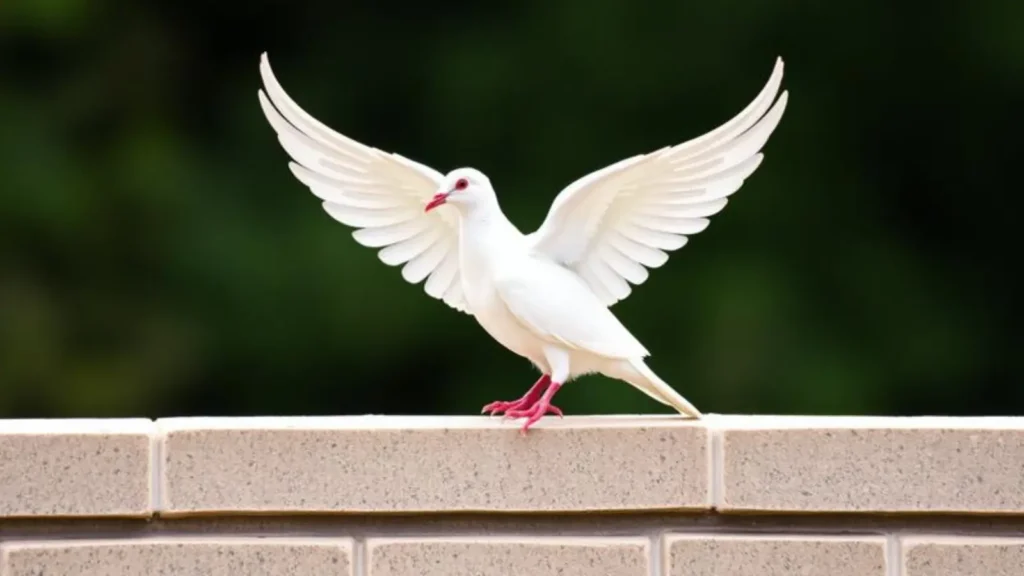
Symbols communicate ideas more quickly than words alone. The dove has survived thousands of years because its gentle appearance naturally aligns with qualities humans admire:
- Peace
- Compassion
- Loyalty
- Forgiveness
- Innocence
- Spiritual comfort
- New beginnings
- Unity
Today, dove symbolism continues to appear in diplomacy, humanitarian organizations, weddings, religious ceremonies, memorials, literature, education, branding, and digital communication.
Its meaning remains relevant because people continue searching for symbols that communicate hope during uncertain times.
The Historical Origins of Dove Symbolism
Ancient Civilizations
Long before written history became widespread, birds were viewed as messengers between heaven and earth. Among them, doves stood out because of their calm behavior and graceful flight.
Ancient societies associated doves with:
- Fertility
- Motherhood
- Love
- Protection
- Prosperity
In many archaeological discoveries, dove imagery appears on pottery, jewelry, temple decorations, and ceremonial artifacts.
Ancient Greece
In Greek culture, doves were strongly connected with Aphrodite, the goddess of love.
Their gentle behavior made them natural symbols of:
- Romance
- Beauty
- Emotional harmony
- Affection
- Marriage
Artists frequently depicted doves accompanying Aphrodite, reinforcing the bird’s association with loving relationships.
Ancient Rome
Roman culture adopted many Greek symbolic traditions.
Doves represented:
- Domestic happiness
- Marital devotion
- Emotional stability
- Prosperity
Roman mosaics often included doves drinking from shared bowls as symbols of unity.
Dove Symbolism in Major Religions
Christianity
Within Christianity, the dove carries profound spiritual significance.
Common symbolic meanings include:
- The Holy Spirit
- Peace with God
- Divine blessing
- Baptism
- Forgiveness
- Hope after hardship
One of the best-known biblical narratives describes a dove returning to Noah’s Ark carrying an olive branch, symbolizing that the flood had ended and life could begin again.
This story strongly shaped modern interpretations of peace and renewal.
Judaism
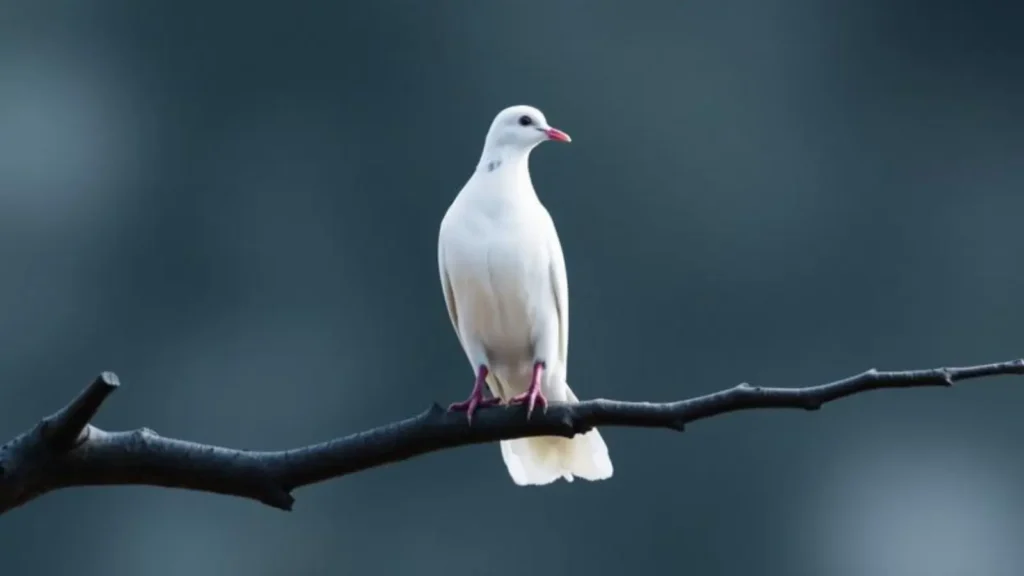
The dove symbolizes:
- Hope
- Restoration
- God’s covenant
- Faithfulness
The olive branch carried by the dove remains one of history’s most recognized peace symbols.
Islam
Although symbolic interpretations vary, doves are generally viewed positively in Islamic tradition.
They often represent:
- Protection
- Gentleness
- Loyalty
- Divine care
Several traditional narratives describe birds offering protection during important historical moments.
Hinduism
In Hindu traditions, birds often symbolize:
- The soul
- Spiritual freedom
- Compassion
- Harmony
While doves are not among the most dominant symbolic animals in Hindu mythology, they frequently represent peaceful coexistence.
Buddhism
Buddhist philosophy emphasizes qualities naturally associated with doves:
- Nonviolence
- Compassion
- Inner peace
- Mindfulness
The dove reflects the pursuit of harmony rather than conflict.
Cultural Interpretations Around the World
| Culture | Common Dove Symbolism |
| Western cultures | Peace, weddings, love |
| Middle Eastern traditions | Protection, hope |
| Ancient Greece | Love and beauty |
| Ancient Rome | Marriage and devotion |
| East Asian interpretations | Harmony and longevity |
| Indigenous traditions | Spiritual messages (varies by community) |
| Christian traditions | Holy Spirit, peace |
| Global humanitarian symbolism | Unity and reconciliation |
Although these meanings overlap, each culture interprets the dove through its own history and beliefs.
Psychological Meaning of Dove Symbolism
From a psychological perspective, humans naturally respond to visual symbols.
The dove’s:
- Soft colors
- Calm behavior
- Gentle flight
- Quiet vocalizations
often evoke emotional associations with safety and comfort.
Because symbolism develops through shared cultural experiences, people frequently interpret doves as reassuring rather than threatening.
Modern psychology recognizes that symbolic meanings emerge from both personal experiences and cultural learning rather than universal biological rules alone.
Dove Symbolism in Mythology and Folklore
Across folklore, doves frequently appear as messengers.
Recurring themes include:
- Divine communication
- Love between partners
- Hope after tragedy
- Guidance during journeys
- Protection from danger
Although individual legends differ, the recurring pattern is clear: the dove often bridges the human and spiritual worlds.
Dove Symbolism in Literature
Authors frequently use doves to communicate emotions without lengthy explanations.
Common literary meanings include:
Peace after conflict
A dove may appear after war or emotional struggle.
Innocence
Young or vulnerable characters are often compared to doves.
Love
Poets frequently associate doves with faithful affection.
Redemption
The bird may symbolize forgiveness and personal transformation.
Because readers already recognize these associations, writers can create emotional impact efficiently.
Dove Symbolism in Art
Artists have portrayed doves for centuries.
Paintings, sculptures, stained glass, and mosaics often use doves to represent:
- Divine presence
- Peace
- Spiritual awakening
- Family
- Compassion
Modern artists continue using dove imagery during humanitarian campaigns and public memorials.
Dove Symbolism in Design and Branding
Brands choose symbols carefully.
A dove communicates:
- Trust
- Safety
- Care
- Kindness
- Reliability
- Ethical values
Healthcare organizations, charities, educational institutions, and wellness brands frequently incorporate dove-inspired imagery because consumers naturally associate the bird with positive emotions.
Good branding uses symbolism to communicate values before customers read any text.
Dove Symbolism in Weddings
Few symbols appear more frequently at weddings than doves.
They represent:
- Lifelong commitment
- Faithfulness
- Harmony
- Mutual respect
- Lasting love
Some ceremonies include releasing white doves as symbolic expressions of unity and shared hope.
Today, many couples choose symbolic alternatives, such as artwork or decorations, rather than live bird releases to prioritize animal welfare.
Dove Symbolism in Modern Communication
Digital communication relies heavily on visual symbols.
The dove appears in:
- Peace campaigns
- Charity logos
- International organizations
- Social media graphics
- Educational materials
- Memorial events
Its visual simplicity allows people from different cultures to understand its intended message almost instantly.
White Dove vs. Other Dove Colors
| Dove Color | Common Symbolic Meaning |
| White | Peace, purity, hope |
| Gray | Balance, resilience |
| Brown | Stability, home, comfort |
| Golden | Prosperity, spiritual blessing (less common) |
These meanings vary across traditions and should be understood as cultural interpretations rather than universal rules.
Dove Symbolism Compared with Similar Birds
| Bird | Primary Symbolism |
| Dove | Peace, purity, hope |
| Pigeon | Adaptability, resilience |
| Eagle | Strength, leadership |
| Owl | Wisdom, mystery |
| Raven | Transformation, intelligence |
| Swan | Grace, lifelong love |
| Phoenix | Renewal and rebirth |
This comparison illustrates how different birds communicate distinct symbolic ideas across mythology and storytelling.
Spiritual Meaning of Seeing a Dove
Many people wonder whether seeing a dove carries spiritual meaning.
Symbolic interpretations often include:
- Encouragement to seek peace
- Reminder to forgive
- Hope during difficult times
- Emotional healing
- Personal renewal
However, these interpretations belong to spiritual traditions and personal beliefs rather than established scientific evidence.
People may assign personal meaning based on their cultural background, faith, or life experiences.
Did You Know?
- The olive branch became closely linked with peace because of the biblical story of Noah’s Ark.
- Doves have been symbols of love for over two thousand years.
- Many international peace organizations use dove imagery.
- Pablo Picasso’s famous dove artwork became a global symbol of peace after World War II.
- Doves are among the most recognizable symbolic birds across multiple continents.
Expert Tip
When interpreting dove symbolism, always consider context.
A dove appearing in religious art, literature, branding, dreams, or historical monuments may represent different ideas depending on the surrounding cultural, historical, and personal circumstances.
Avoid assuming that one symbolic meaning applies universally.
Common Mistakes
Assuming every dove means peace
The dove often symbolizes peace, but it can also represent love, spirituality, renewal, innocence, or remembrance.
Ignoring cultural differences
Not every society interprets symbols identically.
Treating symbolism as scientific fact
Symbolic meanings reflect traditions, beliefs, and shared cultural understanding rather than objective evidence.
Overlooking historical context
The same symbol may evolve significantly across centuries.
Myth vs. Fact
| Myth | Fact |
| Every dove symbolizes exactly the same thing. | Symbolic meanings vary across cultures and historical periods. |
| Dove symbolism is only Christian. | Many civilizations valued doves long before Christianity. |
| Seeing a dove guarantees spiritual messages. | Spiritual interpretations depend on individual beliefs and traditions. |
| White doves have only one meaning. | They commonly represent peace but may also symbolize purity, hope, love, or renewal. |
Practical Applications of Dove Symbolism
Understanding dove symbolism can improve communication across many fields.
Education
Teachers use symbols to explain literature, history, religion, and cultural studies.
Branding
Companies communicate trust and compassion through symbolic design.
Literature
Authors develop themes using familiar symbolic imagery.
Graphic Design
Visual communication becomes stronger when symbols align with audience expectations.
Counseling and Memorial Design
Peaceful imagery can help create comforting environments.
Marketing
Brands often select symbolic elements that encourage emotional connection without relying solely on words.
Philosophical Perspectives on Dove Symbolism
Philosophers have long examined how symbols shape human understanding.
The dove illustrates how meaning is rarely fixed. Instead, it develops through:
- Shared experiences
- Cultural memory
- Religious traditions
- Artistic expression
- Collective storytelling
Semiotics—the study of signs and symbols—suggests that the dove’s significance comes not from the bird itself but from the meanings societies attach to it over time.
Key Insights
- Dove symbolism has evolved over thousands of years.
- Peace remains its most recognized modern meaning.
- Religious traditions have significantly shaped its symbolism.
- Cultural interpretations differ around the world.
- Psychology explains why gentle imagery evokes positive emotions.
- Artists, writers, educators, designers, and brands continue using dove symbolism today.
- Context is essential for accurate interpretation.
Conclusion
Dove symbolism continues to resonate because it reflects values that transcend cultures and generations. While peace is its most familiar association, the dove also represents love, hope, purity, renewal, compassion, reconciliation, and spiritual guidance.
Its meanings have been shaped by ancient civilizations, religious traditions, artistic movements, and modern visual communication.
Understanding dove symbolism helps us interpret literature, art, religious imagery, branding, and everyday communication more thoughtfully.
At the same time, it is important to recognize that symbolic meanings are influenced by historical context and cultural perspectives rather than being universally fixed.
By appreciating these nuances, we gain a deeper understanding of how one simple bird has become one of humanity’s most enduring and meaningful symbols.

Nathaniel Brooks analyzes symbols, their origins, cultural importance, and psychological impact across history and modern society.
