From ancient cave paintings to modern corporate logos, animals have always carried meanings far beyond their physical appearance.
Across continents and centuries, people have associated different animals with courage, wisdom, freedom, loyalty, transformation, strength, luck, and countless other qualities.
These symbolic associations shape religious traditions, folklore, literature, art, branding, psychology, and even everyday communication.
Animal symbolism remains relevant because humans naturally interpret the world through stories and symbols. Whether someone chooses a wolf tattoo, an owl logo, a lion emblem, or a butterfly illustration, they are often communicating ideas and emotions without using words.
Understanding animal symbolism helps us appreciate cultural traditions, decode artistic messages, recognize historical references, and better understand how symbolism influences modern society.
Featured Snippet: What Is Animal Symbolism?
Animal symbolism is the practice of assigning symbolic meanings and human qualities to animals based on cultural traditions, mythology, religion, psychology, folklore, literature, and historical beliefs.
Different societies interpret animals in unique ways, making animal symbolism a powerful form of visual communication, storytelling, identity, and spiritual expression.
What Does Animal Symbolism Mean?
Quick Answer
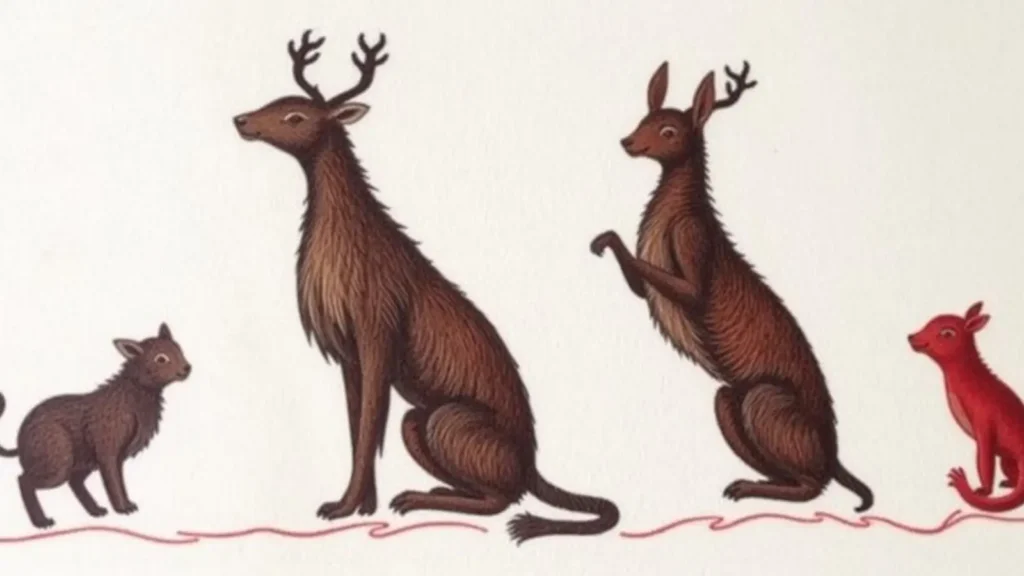
Animal symbolism refers to the meanings people associate with animals beyond their biological characteristics. These meanings often represent human emotions, values, personality traits, beliefs, spiritual concepts, or cultural identities.
For example:
- Lion → Courage and leadership
- Owl → Wisdom and knowledge
- Butterfly → Transformation
- Dove → Peace
- Eagle → Freedom
- Wolf → Loyalty and independence
- Snake → Renewal or temptation (depending on culture)
- Elephant → Wisdom and memory
These meanings are symbolic rather than scientific and often vary between cultures.
Why Humans Use Animal Symbols
Humans naturally understand complex ideas through visual metaphors.
Animals became symbols because they are:
- Easy to recognize
- Memorable
- Emotionally meaningful
- Connected to nature
- Present in myths and folklore
- Useful for storytelling
- Powerful identity markers
Long before written language existed, ancient societies communicated ideas through animal imagery carved into rocks, pottery, temples, and cave walls.
Historical Origins of Animal Symbolism
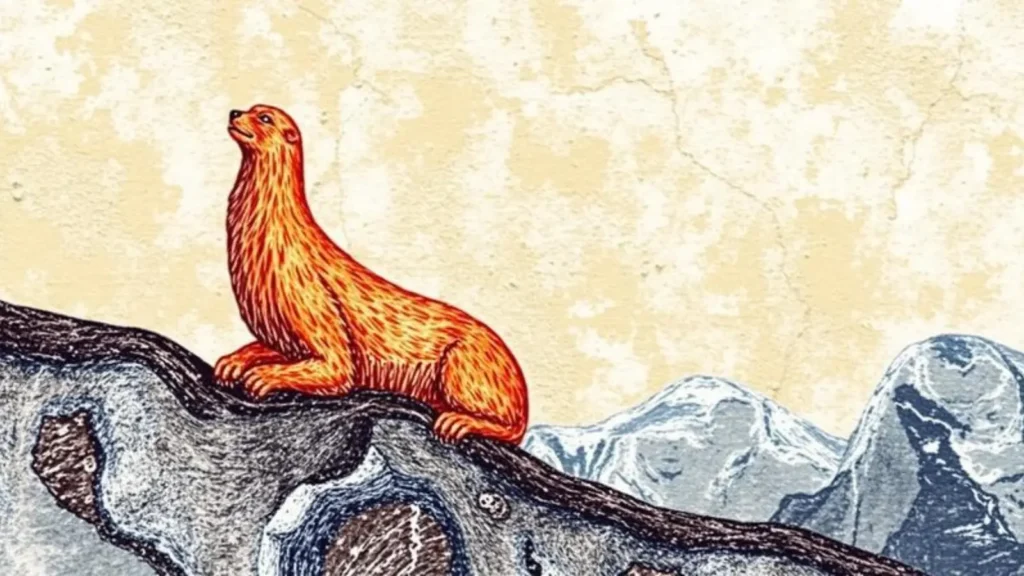
Animal symbolism predates recorded history.
Early hunter-gatherers painted animals on cave walls not only to depict hunting scenes but possibly to express spiritual beliefs, rituals, and cultural identity.
Over time, civilizations incorporated symbolic animals into:
- Religious ceremonies
- Royal emblems
- Military banners
- Mythology
- Literature
- Architecture
- Coins
- National flags
Ancient Egyptians associated gods with animal forms, while Greek mythology used animals to represent divine attributes. Indigenous cultures across the Americas, Africa, Asia, and Oceania also developed rich symbolic traditions connected to local wildlife.
Cultural Interpretations of Animal Symbolism
Different societies interpret the same animal differently.
| Animal | Western Meaning | Eastern Meaning | Indigenous Perspectives |
| Owl | Wisdom | Bad omen in some traditions, wisdom in others | Spiritual messenger |
| Snake | Temptation, healing | Wisdom, renewal | Transformation |
| Dragon | Dangerous creature | Power and prosperity | Sacred guardian in some cultures |
| Wolf | Independence | Protection in some traditions | Family and community |
| Crow | Mystery | Ancestors or guidance in some cultures | Messenger between worlds |
| Deer | Gentleness | Longevity | Spiritual awareness |
| Tiger | Strength | Protection and courage | Power and balance |
| Elephant | Intelligence | Good fortune and wisdom | Strength and memory |
These interpretations demonstrate that symbolic meanings depend heavily on historical, religious, and cultural contexts.
Animal Symbolism in Mythology
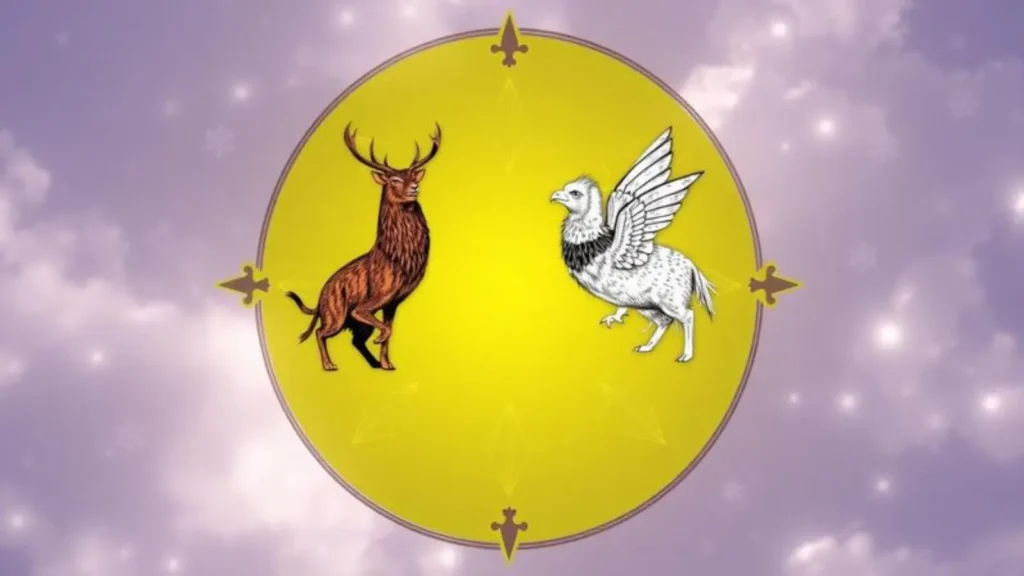
Myths often use animals as symbolic characters rather than ordinary creatures.
Examples include:
Greek Mythology
- Eagle represented Zeus’ authority.
- Owl symbolized Athena’s wisdom.
- Dolphin represented protection and guidance.
Egyptian Mythology
- Falcon symbolized Horus.
- Jackal represented Anubis.
- Scarab beetle symbolized rebirth.
Norse Mythology
- Ravens symbolized thought and memory.
- Wolves represented both destruction and destiny.
Hindu Traditions
Many deities are associated with symbolic animals that represent virtues, responsibilities, or cosmic principles.
These stories continue influencing modern literature and popular culture.
Animal Symbolism in Religion
Religious traditions frequently use animals to express moral, spiritual, and philosophical ideas.
Examples include:
- Lamb → Innocence
- Dove → Peace and the Holy Spirit in Christianity
- Cow → Sacredness in Hindu traditions
- Lion → Divine strength
- Fish → Faith and abundance
- Peacock → Immortality in some traditions
It is important to recognize that interpretations differ across denominations and communities.
Psychological Meaning of Animal Symbolism
Psychologists and researchers studying symbolism suggest that humans naturally connect emotions with recognizable images.
Animals often become symbolic because people associate them with observable behaviors.
Examples include:
- Fox → Cleverness
- Ant → Hard work
- Bee → Cooperation
- Eagle → Vision
- Horse → Freedom
- Dolphin → Intelligence
Modern psychology generally views these associations as cultural and cognitive patterns rather than universal scientific truths.
Animal Symbolism in Literature
Authors use animals to communicate deeper meanings.
Examples include:
- Courage
- Greed
- Loyalty
- Freedom
- Innocence
- Corruption
- Transformation
Classic fables, fairy tales, novels, and poetry often rely on symbolic animals to teach moral lessons without directly explaining them.
George Orwell’s Animal Farm, Aesop’s Fables, and many indigenous oral traditions demonstrate the enduring literary power of animal symbolism.
Animal Symbolism in Art and Architecture
Artists have long incorporated animals into paintings, sculptures, temples, cathedrals, textiles, and monuments.
Symbolic animals often communicate:
- Authority
- Protection
- Fertility
- Prosperity
- Spiritual guidance
- Balance
- Renewal
Architectural carvings, stained glass, heraldry, and public monuments continue this tradition today.
Animal Symbolism in Branding and Marketing
Modern businesses frequently choose animal symbols because they create immediate emotional associations.
Examples include:
| Animal | Brand Message |
| Lion | Leadership |
| Eagle | Vision |
| Bull | Strength |
| Jaguar | Speed |
| Falcon | Precision |
| Dolphin | Friendliness |
Successful branding considers cultural differences because the same animal may evoke positive meanings in one market and negative associations in another.
Animal Symbolism in Dreams
Many dream traditions interpret animals symbolically.
Common examples include:
- Snake → Personal change or fear
- Bird → Freedom
- Horse → Personal drive
- Wolf → Independence
- Butterfly → Transformation
Dream interpretations vary widely among psychological theories, spiritual traditions, and cultural beliefs. They should not be treated as universal predictions.
Animal Symbolism in Modern Society
Animal symbolism continues to influence:
- Social media
- Emoji usage
- Tattoos
- Fashion
- Sports mascots
- National emblems
- Environmental campaigns
- Children’s education
- Films
- Video games
Even digital communication relies heavily on symbolic animal imagery to express identity and emotion quickly.
Did You Know?
- Many national flags and coats of arms feature symbolic animals.
- Ancient cave paintings are among humanity’s earliest symbolic artworks.
- Animal mascots often influence public perception of sports teams and organizations.
- Many zodiac systems include symbolic animals representing personality traits.
- Conservation campaigns frequently use charismatic animals as symbols to encourage environmental awareness.
Expert Tip
When interpreting animal symbolism, always consider:
- Historical context
- Cultural background
- Religious traditions
- Artistic purpose
- Personal experiences
A single symbolic meaning rarely applies universally.
Common Mistakes
Avoid these misconceptions:
- Assuming every culture interprets animals the same way.
- Treating symbolic beliefs as scientific facts.
- Ignoring historical context.
- Oversimplifying complex traditions.
- Believing internet symbolism lists are universally accurate.
Myth vs. Fact
| Myth | Fact |
| Every animal has one meaning. | Most animals have multiple symbolic interpretations. |
| Symbolism is scientifically proven. | Symbolism reflects cultural and psychological traditions more than scientific evidence. |
| Ancient meanings never change. | Symbolic meanings evolve over time. |
| Dream symbols are universal. | Dream interpretations differ widely. |
| Animal symbolism belongs only to religion. | It also influences branding, education, literature, media, and psychology. |
Practical Applications of Animal Symbolism
Understanding symbolic animals benefits many fields.
Education
Teachers use symbolic animals to explain literature, history, and culture.
Branding
Businesses select animals to communicate personality and values.
Graphic Design
Animal imagery creates memorable visual identities.
Storytelling
Authors use symbolic animals to enrich characters and themes.
Personal Expression
People choose tattoos, jewelry, or artwork featuring animals that reflect their values or experiences.
Cultural Studies
Researchers analyze symbolic animals to better understand civilizations and traditions.
Key Insights
- Animal symbolism connects humans across history and cultures.
- Meanings are shaped by context rather than fixed rules.
- Symbols communicate complex ideas instantly.
- Literature, religion, psychology, and branding all rely on symbolic animals.
- Understanding symbolism improves cultural literacy and visual communication.
The Future of Animal Symbolism
As digital communication expands, animal symbolism continues to evolve. Emojis, digital art, gaming, virtual reality, and artificial intelligence increasingly use familiar animal icons to communicate emotions, personality, and identity across languages.
At the same time, globalization encourages greater awareness that symbolic meanings differ between cultures. Designers, educators, marketers, and communicators increasingly recognize the importance of respecting cultural diversity when using symbolic animal imagery.
Conclusion
Animal symbolism represents one of humanity’s oldest and most enduring forms of communication. Across mythology, religion, psychology, folklore, literature, art, branding, and modern media, animals continue to express ideas that words alone often cannot capture.
Although symbolic meanings differ across cultures and historical periods, they consistently help people communicate identity, values, beliefs, emotions, and aspirations.
Appreciating these diverse interpretations enriches our understanding of history, visual communication, storytelling, and cultural heritage while reminding us that symbols are shaped by both tradition and lived experience.

Olivia Hartwell explores the hidden meanings behind symbols, animals, colors, dreams, and cultural traditions through insightful symbolism research.
