
Bees have fascinated humanity for thousands of years. Despite their small size, they represent some of the world’s most profound ideas cooperation, diligence, prosperity, wisdom, fertility, and the interconnectedness of life.
Across civilizations, bee symbolism appears in mythology, religion, folklore, literature, art, architecture, and modern branding, making the bee one of the most universally recognized symbolic creatures.
Whether you encounter a bee in nature, dream about one, notice it in artwork, or see it used as a logo, understanding bee symbolism offers insight into how humans have long interpreted nature to explain values, relationships, and purpose.
What Does Bee Symbolism Mean?
Bee symbolism represents hard work, cooperation, community, productivity, abundance, resilience, and harmony with nature. Across many cultures, bees also symbolize wisdom, divine order, fertility, communication, and personal growth.
While meanings vary by tradition, bees consistently remind people that individual effort contributes to collective success.
Understanding Bee Symbolism
Short Answer
At its core, bee symbolism reflects the balance between individual responsibility and collective achievement.
Unlike many animals that survive independently, bees thrive through cooperation. Every member of the hive has a purpose, making bees powerful symbols of teamwork and social harmony.
Their symbolic meaning often includes:
- Hard work
- Community
- Discipline
- Prosperity
- Fertility
- Wisdom
- Dedication
- Communication
- Persistence
- Balance
- Renewal
- Environmental harmony
These qualities explain why bees continue to inspire cultures, organizations, artists, and spiritual traditions today.
The Historical Origins of Bee Symbolism
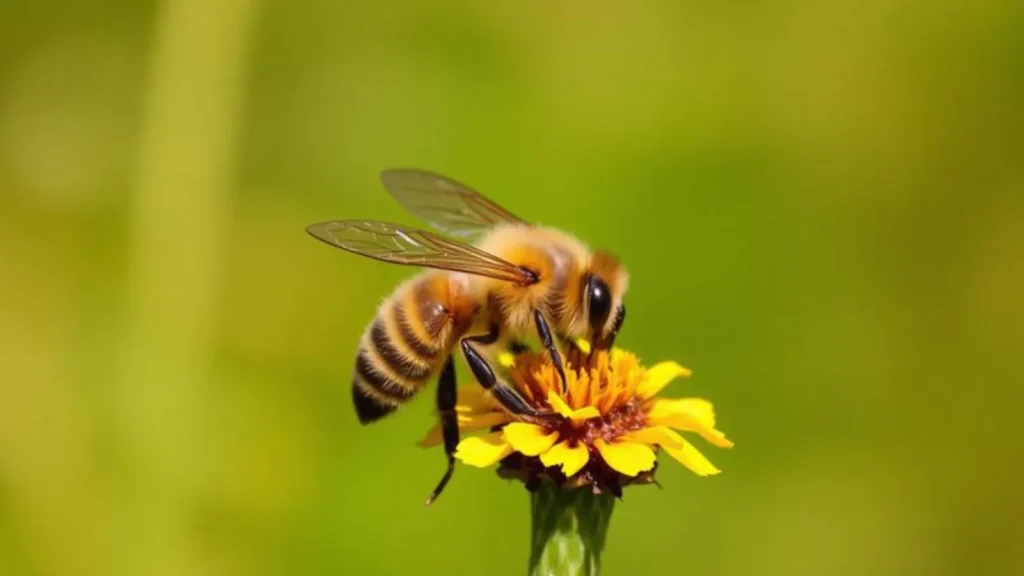
Human fascination with bees dates back thousands of years.
Ancient cave paintings in Spain depict people collecting honey approximately 8,000 years ago, showing that bees have been important throughout human history.
As agriculture developed, people observed that bees:
- Pollinated crops
- Produced honey
- Worked collectively
- Maintained highly organized colonies
These observations transformed bees from useful insects into powerful cultural symbols.
Over time, different societies associated bees with:
- Divine messengers
- Royal authority
- Sacred femininity
- Agricultural abundance
- Cosmic order
- Immortality
Bee Symbolism in Different Cultures
Bee symbolism changes across societies while maintaining several shared themes.
| Culture | Symbolic Meaning | Historical Context |
| Ancient Egypt | Royal power, rebirth, divine authority | Bees connected with pharaohs |
| Ancient Greece | Wisdom, priesthood, prophecy | Linked with sacred traditions |
| Celtic traditions | Communication with the spirit world | Bees respected as mystical creatures |
| Roman civilization | Industry and discipline | Model for organized society |
| Chinese culture | Diligence and prosperity | Harmony and productive work |
| African traditions | Community and survival | Collective responsibility |
| Native traditions (varies) | Cooperation and environmental respect | Nature-centered symbolism |
Although interpretations differ, cooperation remains a nearly universal symbolic theme.
Bee Symbolism in Ancient Egypt
Ancient Egyptians viewed bees as sacred.
According to traditional mythology, bees were believed to have emerged from the tears of the sun god Ra after they fell upon the earth.
Honey served multiple purposes:
- Religious offerings
- Medicine
- Preservation
- Royal ceremonies
Because of their value, bees became symbols of:
- Kingship
- Divine protection
- Prosperity
- Order
The bee even appeared in royal titles associated with Lower Egypt.
Bee Symbolism in Ancient Greece
Greek culture connected bees with:
- Wisdom
- Sacred knowledge
- Prophecy
- Divine inspiration
Priestesses connected with certain temples were sometimes poetically compared to bees because of their dedication and purity.
Greek philosophers also admired bee societies because every member contributed toward a greater purpose.
This made bees symbolic examples of:
- Civic responsibility
- Organized society
- Mutual dependence
Bee Symbolism in Celtic Traditions
In Celtic folklore, bees occupied a unique place between humanity and nature.
People believed bees could:
- Carry messages
- Connect worlds
- Sense spiritual changes
- Represent harmony
Traditional customs even encouraged families to “tell the bees” important life events such as:
- Births
- Weddings
- Deaths
Whether taken literally or symbolically, these customs reflected deep respect for bees as companions of human life.
Spiritual Meaning of Bees
Spiritually, bees often symbolize alignment with one’s higher purpose.
Common spiritual interpretations include:
Purpose
Every bee contributes meaningfully to the hive, encouraging people to recognize their own role within larger communities.
Patience
Honey takes time to produce, symbolizing gradual rewards earned through consistent effort.
Divine Order
The remarkable organization of bee colonies inspires beliefs about natural intelligence and universal balance.
Growth
Bees remind people that transformation often happens through small, consistent actions rather than dramatic changes.
Bee Symbolism in Religion
Different religious traditions interpret bees in unique ways.
Christianity
Bees have sometimes symbolized:
- Diligence
- Purity
- Resurrection
- Productive living
Honey frequently appears as a symbol of blessing and abundance.
Judaism
Honey represents:
- Sweetness
- Celebration
- Prosperity
Its appearance during religious observances reinforces positive symbolic associations.
Islam
Bees receive notable attention because honey is described as beneficial, encouraging reflection on nature’s wisdom and divine creation.
Hindu Traditions
Bee imagery occasionally appears in connection with divine love, beauty, and natural harmony.
Interpretations vary across texts and regional traditions.
Psychological Meaning of Bee Symbolism
From a psychological perspective, bees represent qualities people admire or strive to develop.
These include:
- Self-discipline
- Responsibility
- Cooperation
- Achievement
- Purpose
- Productivity
Modern psychology also recognizes that symbols gain meaning through shared cultural experiences.
For many individuals, bees trigger associations with:
- Busy schedules
- Determination
- Organization
- Team success
- Personal responsibility
Thus, bee symbolism functions as both a cultural and psychological metaphor.
Bee Symbolism in Dreams
Dream interpretations depend heavily on personal experience and cultural beliefs rather than scientific certainty.
Common symbolic interpretations include:
| Dream | Possible Symbolic Meaning |
| Seeing bees | Productivity or opportunity |
| A peaceful hive | Community and stability |
| Honey | Reward after effort |
| Being chased by bees | Stress or overwhelming responsibilities |
| Bee pollinating flowers | Growth and creativity |
| Swarm of bees | Social dynamics or major change |
Dreams should be understood within individual life circumstances rather than universal predictions.
Bee Symbolism in Literature
Writers frequently use bees to symbolize:
- Industriousness
- Collective identity
- Human cooperation
- Civilization
- Moral discipline
Poets often compare human communities to beehives because both depend upon shared responsibility.
In children’s literature, bees frequently teach lessons about:
- Kindness
- Teamwork
- Persistence
- Helping others
Bee Symbolism in Art
Artists use bees because they communicate complex ideas through simple imagery.
Bee symbolism appears in:
- Paintings
- Jewelry
- Sculpture
- Architecture
- Textile design
- Ceramics
- Illustration
Common artistic themes include:
- Nature
- Balance
- Fertility
- Renewal
- Collective effort
- Beauty through cooperation
Golden honeycomb patterns also symbolize perfection because of their efficient geometric structure.
Bee Symbolism in Branding and Design
Modern branding frequently adopts bees to communicate trust and productivity.
Businesses choose bee imagery to suggest:
- Teamwork
- Reliability
- Sustainability
- Innovation
- Organization
- Community values
Common industries using bee symbolism include:
- Agriculture
- Organic foods
- Environmental organizations
- Education
- Financial cooperatives
- Community initiatives
Designers also appreciate honeycomb geometry because it suggests efficiency and intelligent structure.
Bee Symbolism in Nature
One reason bee symbolism remains powerful is that it reflects observable behavior.
Real bees demonstrate:
- Cooperation
- Communication through movement
- Resource management
- Environmental importance
- Pollination
Rather than inventing symbolic meaning, many traditions simply expanded upon these natural observations.
Bee Symbolism and Personal Growth
People often use bee symbolism as motivation for self-improvement.
Lessons inspired by bees include:
Work consistently.
Small efforts accumulate into significant achievements.
Value teamwork.
Success often depends upon collaboration rather than individual talent alone.
Stay adaptable.
Bees continually respond to environmental changes.
Protect community.
Healthy relationships strengthen everyone involved.
Focus on long-term rewards.
Honey requires patience, reminding people that meaningful success develops gradually.
Did You Know?
🐝 A single bee produces only a tiny amount of honey during its lifetime, yet thousands of bees working together create entire hives filled with honey. This natural reality reinforces why bees symbolize collective achievement more than individual accomplishment.
Expert Tip
When interpreting bee symbolism, consider the context rather than relying on one universal meaning. A bee appearing in a company logo may emphasize teamwork and productivity, while a bee in a spiritual artwork might represent harmony, purpose, or divine order.
Common Mistakes
Many people misunderstand bee symbolism by assuming:
- Every bee symbol has identical meaning.
- Spiritual symbolism equals historical fact.
- Dream interpretations are universally accurate.
- All cultures interpret bees the same way.
- Bee symbolism always represents work alone.
In reality, symbolic meanings evolve through history, culture, religion, and personal experience.
Myth vs. Fact
| Myth | Fact |
| Bees symbolize only hard work. | Bees symbolize many ideas including community, abundance, wisdom, and harmony. |
| Every culture shares identical interpretations. | Symbolic meanings vary significantly across societies. |
| Dream meanings are scientifically proven. | Dream symbolism is largely interpretive rather than scientifically established. |
| Bee symbolism is modern. | Bee symbolism dates back thousands of years. |
| Symbols never change. | Symbolic meanings evolve alongside culture and history. |
Practical Applications of Bee Symbolism
Bee symbolism influences numerous fields.
Education
Teachers use bees to explain cooperation and responsibility.
Leadership
Organizations encourage collaborative leadership using hive metaphors.
Branding
Businesses communicate productivity and sustainability through bee imagery.
Environmental Campaigns
Bees symbolize biodiversity and ecological responsibility.
Personal Development
People adopt bee symbolism as motivation for discipline and purposeful living.
Storytelling
Authors use bees to illustrate unity, sacrifice, and perseverance.
Bee Symbolism in Modern Society
Today’s world has expanded bee symbolism beyond traditional folklore.
Modern interpretations include:
- Environmental conservation
- Climate awareness
- Sustainable agriculture
- Community resilience
- Local food systems
- Biodiversity protection
As awareness grows regarding pollinator conservation, bees increasingly symbolize humanity’s relationship with the natural world.
This modern meaning complements rather than replaces older symbolic traditions.
Key Insights
- Bee symbolism combines practical observation with cultural imagination.
- Most traditions associate bees with cooperation rather than isolation.
- Spiritual meanings differ from historical evidence and should be understood respectfully.
- Modern branding continues using bees because their symbolic associations remain widely recognized.
- Bee symbolism reminds us that individual contributions strengthen entire communities.
Conclusion
Bee symbolism has endured across civilizations because it reflects qualities that remain deeply relevant: cooperation, resilience, diligence, wisdom, abundance, and harmony.
From ancient myths and religious traditions to psychology, literature, branding, and environmental movements, the bee serves as a timeless reminder that meaningful progress is often achieved through shared effort and consistent dedication.
Although interpretations vary between cultures and belief systems, the central message remains remarkably consistent. Bees demonstrate how individual actions contribute to collective well-being, making them enduring symbols of responsibility, connection, and purposeful living.
Understanding bee symbolism enriches our appreciation of history, communication, design, education, spirituality, and the natural world while highlighting the enduring relationship between human culture and one of nature’s most remarkable pollinators.

Amelia Rosewood writes about symbolic meanings, ancient traditions, and the emotional connections between humans and symbols.
