Few animals have inspired human imagination as deeply as the rabbit. Gentle yet alert, shy yet remarkably adaptable, rabbits have appeared in myths, religious traditions, folklore, literature, art, and modern branding for thousands of years.
Their symbolic meanings range from fertility and abundance to intuition, cleverness, vulnerability, and spiritual renewal.
Understanding rabbit symbolism goes beyond interpreting a single animal. It reveals how different cultures explain life, nature, survival, prosperity, and transformation through symbolic storytelling.
Whether you encounter rabbits in dreams, artwork, literature, spiritual practices, or everyday life, their symbolic significance often reflects growth, opportunity, sensitivity, and the importance of trusting one’s instincts.
What Does Rabbit Symbolism Mean?
Rabbit symbolism represents fertility, abundance, intuition, luck, gentleness, adaptability, and new beginnings. Across many cultures, rabbits symbolize rapid growth, resilience, creativity, prosperity, and spiritual awareness.
While meanings differ by tradition, rabbits are commonly associated with hope, renewal, emotional sensitivity, and the ability to thrive despite vulnerability.
Understanding Rabbit Symbolism
Quick Answer
Rabbit symbolism reflects humanity’s observations of one of nature’s most successful survival animals. Rather than relying on strength, rabbits survive through awareness, speed, intelligence, reproduction, and adaptability. These characteristics gradually evolved into symbolic representations of:
- Prosperity
- New life
- Fertility
- Opportunity
- Hope
- Vigilance
- Intelligence
- Gentleness
- Emotional sensitivity
- Spiritual guidance
Unlike predators, rabbits demonstrate that survival often depends on awareness rather than aggression.
Historical Origins of Rabbit Symbolism
Human societies have lived alongside rabbits for thousands of years. Ancient communities noticed several remarkable traits:
- Rapid reproduction
- Seasonal activity
- Burrowing lifestyles
- Extraordinary hearing
- Quick escape responses
- Adaptation to changing environments
These observations naturally inspired symbolic interpretations.
Early agricultural societies especially viewed rabbits as signs of healthy ecosystems and productive landscapes. Their reproductive success eventually connected them with fertility, springtime, and agricultural abundance.
As civilizations developed, rabbits became recurring symbolic figures in mythology, religious traditions, and storytelling.
Core Symbolic Meanings of Rabbits
1. Fertility
Perhaps the most recognized rabbit symbolism is fertility.
Because rabbits reproduce rapidly, many cultures viewed them as living representations of:
- Family growth
- New generations
- Prosperity
- Creation
- Motherhood
- Life cycles
This symbolism later became connected with spring festivals celebrating renewal.
2. Abundance
Healthy rabbit populations often indicated fertile land.
As a result, rabbits became symbols of:
- Wealth
- Agricultural success
- Food security
- Prosperity
- Resourcefulness
Rather than representing luxury, rabbits symbolize natural abundance and sustainable growth.
3. New Beginnings
Spring is often associated with rabbit activity.
Their seasonal visibility connected rabbits with:
- Fresh starts
- Personal growth
- Renewal
- Recovery
- Positive change
- Future opportunities
Many people therefore interpret rabbit encounters as reminders to embrace change with optimism.
4. Intuition
Rabbits constantly monitor their surroundings.
Their alert posture symbolizes:
- Inner wisdom
- Awareness
- Listening carefully
- Emotional intelligence
- Instinctive decision-making
Psychologically, rabbits remind us that intuition often notices subtle changes before logic does.
5. Adaptability
Despite being prey animals, rabbits thrive across many environments.
Their adaptability represents:
- Flexibility
- Resilience
- Creative problem solving
- Survival
- Emotional recovery
Rather than resisting change, rabbits symbolize adjusting intelligently to life’s challenges.
6. Gentleness
Unlike aggressive animal symbols, rabbits communicate:
- Peace
- Kindness
- Compassion
- Humility
- Softness
- Emotional openness
Their symbolism encourages strength through empathy instead of domination.
Rabbit Symbolism Across Different Cultures
| Culture | Symbolic Meaning | Traditional Interpretation |
| Ancient Celtic | Intuition, Otherworld | Connected with hidden spiritual realms |
| Chinese | Longevity, Wisdom | Moon Rabbit represents immortality and compassion |
| Japanese | Cleverness, Creativity | Rabbit associated with the moon and artistic imagination |
| Native American traditions | Intelligence, Trickster | Clever survivor using wit rather than force |
| European folklore | Luck, Prosperity | Rabbit’s foot became a controversial luck symbol in some traditions |
| Ancient Egyptian | Renewal | Linked with cycles of life and regeneration |
| Modern Western culture | Spring, New Life | Associated with Easter traditions and renewal |
These meanings vary by region, historical period, and cultural context.
Rabbit Symbolism in Chinese Culture
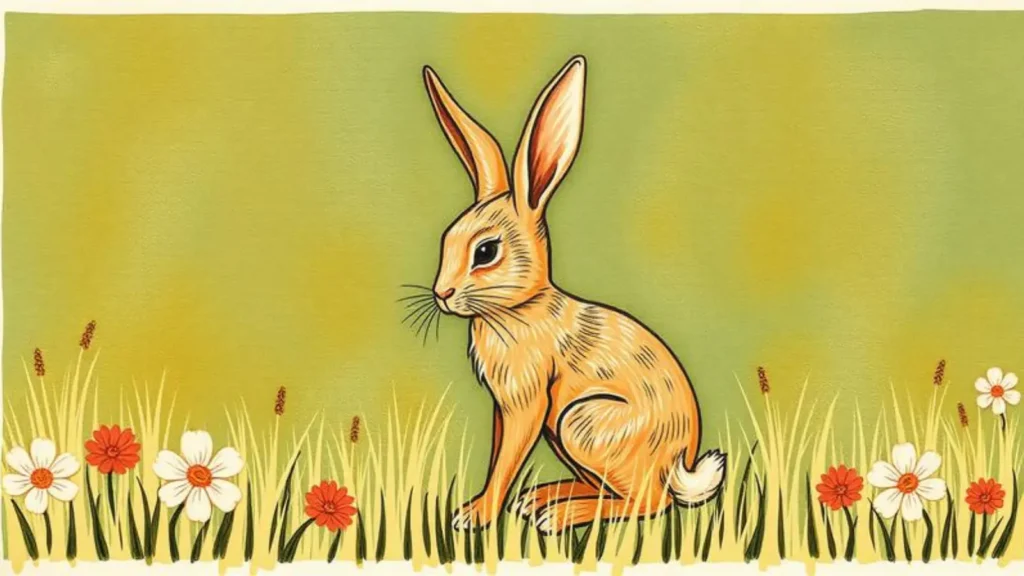
One of the world’s most famous rabbit symbols is the Moon Rabbit.
According to Chinese tradition, the rabbit lives on the moon preparing the elixir of immortality.
The Moon Rabbit symbolizes:
- Compassion
- Longevity
- Selflessness
- Wisdom
- Healing
- Spiritual purity
The rabbit is also one of the twelve animals in the Chinese zodiac, where it represents diplomacy, elegance, kindness, creativity, and peace.
Rabbit Symbolism in Japanese Tradition
Japanese folklore also features the Moon Rabbit.
Instead of making an elixir, the rabbit is often depicted pounding rice cakes (mochi).
This symbolism represents:
- Hard work
- Creativity
- Community
- Celebration
- Artistic inspiration
The rabbit is admired for intelligence rather than physical strength.
Rabbit Symbolism in Celtic Beliefs
Ancient Celtic traditions associated rabbits and hares with mystery.
Because rabbits disappear underground into burrows, they were believed to travel between worlds.
Their symbolism included:
- Spiritual journeys
- Hidden wisdom
- Nature spirits
- Transformation
- Sacred knowledge
Although folklore differs across regions, rabbits frequently appear as guides connected with unseen realms.
Rabbit Symbolism in Native American Traditions
Different Native American nations interpret rabbits differently.
Some traditions portray rabbits as:
- Clever tricksters
- Intelligent teachers
- Survivors
- Cultural heroes
Rather than brute force, rabbits solve problems through creativity and quick thinking.
These stories emphasize wisdom over power.
Rabbit Symbolism in Christianity
Rabbit symbolism within Christianity is complex.
Historically, rabbits became associated with:
- Resurrection
- New life
- Hope
- Spring
- Renewal
The Easter Bunny developed later through European folk traditions rather than biblical teachings.
Today, rabbits commonly symbolize joyful celebration of new beginnings during the Easter season.
Rabbit Symbolism in Dreams
Dream interpretation varies greatly, but rabbits often symbolize:
Positive Interpretations
- Personal growth
- Good fortune
- New opportunities
- Emotional healing
- Fertility
- Creative ideas
Possible Warnings
A frightened rabbit may symbolize:
- Anxiety
- Avoidance
- Fear
- Emotional vulnerability
Dream meanings depend on personal experiences, emotions, and cultural background rather than universal rules.
Psychological Meaning of Rabbit Symbolism
From a psychological perspective, rabbits represent several human traits.
These include:
Sensitivity
Highly aware individuals often identify with rabbit symbolism.
Emotional Intelligence
Rabbits respond rapidly to environmental changes, reflecting emotional awareness.
Vulnerability
Rather than weakness, vulnerability represents openness and authentic living.
Adaptability
Modern psychology recognizes flexibility as an important resilience skill.
Rabbit symbolism reflects this adaptive mindset.
Rabbit Symbolism in Mythology
Mythological rabbits appear across continents.
Common symbolic themes include:
- Sacred messengers
- Moon companions
- Magical helpers
- Wise tricksters
- Guides between worlds
- Protectors of nature
Although stories differ, rabbits frequently represent intelligence overcoming obstacles.
Rabbit Symbolism in Literature
Authors often use rabbits to symbolize:
- Innocence
- Curiosity
- Transformation
- Childhood
- Adventure
- Escape
- Imagination
Famous fictional rabbits demonstrate courage despite appearing physically vulnerable.
In literature, rabbits often encourage readers to embrace curiosity while remaining aware of potential dangers.
Rabbit Symbolism in Art
Artists use rabbits to communicate numerous ideas.
Common artistic themes include:
- Springtime
- Renewal
- Family
- Harmony
- Nature
- Innocence
- Femininity
- Growth
Contemporary artists may also use rabbits to explore identity, consumer culture, environmental issues, or vulnerability.
Rabbit Symbolism in Branding and Design
Rabbit imagery appears in branding because it communicates:
- Speed
- Friendliness
- Approachability
- Agility
- Freshness
- Youthfulness
- Energy
Companies frequently choose rabbit-inspired mascots when appealing to families or emphasizing quick service and positive experiences.
Rabbit Symbolism in Color Psychology
The symbolic meaning of a rabbit can shift depending on its color.
| Rabbit Color | Symbolic Meaning |
| White | Purity, peace, spiritual awakening |
| Black | Mystery, protection, hidden wisdom |
| Brown | Stability, grounding, comfort |
| Gray | Balance, neutrality, maturity |
| Golden | Prosperity, success, optimism |
Color symbolism varies significantly between cultures.
Rabbit Symbolism in Modern Society
Today, rabbit symbolism extends into:
- Digital media
- Brand mascots
- Children’s education
- Animation
- Fashion
- Holiday traditions
- Conservation awareness
- Environmental storytelling
Modern interpretations often combine traditional symbolism with contemporary values like kindness, sustainability, and emotional intelligence.
Practical Applications of Rabbit Symbolism
Rabbit symbolism can be meaningfully applied in many areas of life:
| Area | Practical Application |
| Personal Growth | Embrace adaptability during change |
| Leadership | Lead with empathy rather than force |
| Education | Encourage curiosity and lifelong learning |
| Branding | Communicate friendliness and agility |
| Storytelling | Represent transformation and hope |
| Art & Design | Evoke renewal, peace, or innocence |
| Mindfulness | Practice awareness and intuition |
Did You Know?
- Rabbits have nearly 360-degree vision, making them naturally alert.
- Their long ears are not only for hearing but also help regulate body temperature.
- Many ancient lunar myths feature rabbits instead of wolves or foxes.
- Rabbits symbolize both vulnerability and resilience—a rare symbolic combination.
- In several traditions, seeing a rabbit at the start of spring is considered a positive omen.
Expert Tip
When interpreting rabbit symbolism, always consider the cultural and personal context. A rabbit in a children’s story may symbolize innocence, while the same animal in mythology could represent spiritual guidance, cleverness, or transformation. Symbolism is rarely universal and gains meaning from history, tradition, and individual experience.
Common Mistakes
Avoid these common misunderstandings:
- Assuming rabbits only symbolize luck.
- Treating all cultural interpretations as identical.
- Confusing folklore with historical fact.
- Believing dream symbols have one universal meaning.
- Ignoring the influence of context, color, and narrative.
Myth vs. Fact
| Myth | Fact |
| Rabbits only symbolize fertility. | Fertility is one of many symbolic meanings. |
| Every culture views rabbits positively. | Interpretations vary widely across traditions. |
| Dream rabbits always predict good luck. | Dream meanings depend on context and personal experience. |
| Rabbit symbolism is purely religious. | It also appears in psychology, folklore, literature, branding, and art. |
Why Rabbit Symbolism Still Matters Today
In today’s fast-changing world, rabbit symbolism remains relevant because it reflects qualities many people value:
- Emotional intelligence
- Adaptability
- Peaceful resilience
- Creative thinking
- Sustainable growth
- Hope during uncertainty
- Balance between caution and courage
These themes continue to influence education, storytelling, visual communication, marketing, design, and personal development.
Key Insights
- Rabbit symbolism extends far beyond luck and fertility.
- Different cultures interpret rabbits through unique historical and spiritual lenses.
- Psychology connects rabbits with intuition, awareness, and resilience.
- Literature and art use rabbits to represent curiosity, innocence, and transformation.
- Modern branding often leverages rabbit imagery to convey speed, friendliness, and optimism.
- Context is essential—symbolic meanings change with culture, tradition, color, and narrative.
Conclusion
Rabbit symbolism has endured across civilizations because it reflects universal human experiences growth, survival, renewal, and hope.
From ancient myths and lunar legends to modern branding and literature, rabbits continue to inspire stories about intuition, adaptability, kindness, and the quiet strength found in resilience.
While interpretations differ among cultures, religions, and historical periods, rabbits consistently remind us that success does not always come through power.
Awareness, creativity, compassion, and the willingness to embrace new beginnings can be equally transformative. By understanding rabbit symbolism in its cultural, psychological, artistic, and spiritual contexts, we gain deeper insight into how symbols shape communication, identity, design, education, storytelling, and everyday life.
Topical Relationships: cultural symbolism, mythology, folklore, archetypes, dream symbolism, comparative religion, color psychology, animal symbolism, visual identity, consumer behavior, historical traditions, philosophical symbolism, storytelling, educational symbolism, and modern symbolic communication.

Isabella Carter explores symbolism in nature, literature, art, and spirituality with engaging and informative research.
