
Flowers have always communicated emotions that words sometimes cannot express. Among them, the chrysanthemum stands out as one of the world’s most symbolically rich flowers.
Across continents and centuries, chrysanthemum symbolism has represented everything from longevity and happiness to mourning, honor, resilience, and renewal.
These diverse meanings reveal how a single flower can carry entirely different messages depending on history, culture, and tradition.
Whether displayed in a royal emblem, gifted during celebrations, placed at memorials, or featured in works of art, chrysanthemums continue to influence human communication, cultural identity, and visual storytelling.
Understanding their symbolism helps us appreciate not only the flower itself but also the societies that have shaped its meaning.
Featured Snippet: What Does Chrysanthemum Symbolism Mean?
Chrysanthemum symbolism generally represents longevity, loyalty, happiness, resilience, honor, friendship, and renewal. However, its meaning varies significantly across cultures. In many Asian traditions, chrysanthemums symbolize long life and nobility, while in several European countries they are closely associated with remembrance, mourning, and honoring loved ones.
What Is Chrysanthemum Symbolism?
At its core, chrysanthemum symbolism reflects the remarkable ability of the flower to bloom late in the growing season when many other flowers have faded. This natural characteristic has inspired symbolic meanings connected to:
- Perseverance
- Endurance
- Hope
- Wisdom
- Graceful aging
- Inner strength
- Transformation
- Eternal life
Because symbolism develops through cultural experience rather than scientific rules, chrysanthemums hold multiple valid interpretations around the world.
The Historical Origins of Chrysanthemum Symbolism
Ancient China
The chrysanthemum originated in China more than two thousand years ago.
Early Chinese scholars admired the flower because it bloomed during autumn—a season often associated with maturity and reflection. Rather than symbolizing decline, autumn represented wisdom earned through experience.
In Chinese philosophy, chrysanthemums became associated with:
- Long life
- Noble character
- Inner peace
- Simplicity
- Balance with nature
The flower frequently appeared in classical Chinese poetry, landscape paintings, and philosophical writings inspired by Confucian and Taoist ideals.
Journey to Japan
Around the eighth century, chrysanthemums reached Japan, where their symbolism evolved dramatically.
The flower became closely associated with:
- The Imperial Family
- Authority
- Honor
- Purity
- National identity
Today, the stylized sixteen-petal chrysanthemum remains an important imperial emblem and symbolizes continuity rather than temporary beauty.
Its significance became so profound that the flower eventually represented both the nation and ideals of dignity and refinement.
Arrival in Europe
When chrysanthemums spread throughout Europe during the seventeenth and eighteenth centuries, symbolic meanings changed once again.
In many European countries, especially France, Belgium, Italy, Spain, Poland, and Croatia, white chrysanthemums became strongly connected with:
- Memorial ceremonies
- Respect for ancestors
- Remembrance
- Reflection
- Cemeteries
This association continues today in several regions.
Why Chrysanthemums Symbolize Resilience
One reason chrysanthemums have become universal symbols of resilience lies in their natural growth cycle.
Unlike many flowers that bloom in spring or summer, chrysanthemums flourish during autumn when temperatures begin to cool.
Their ability to thrive under challenging seasonal conditions makes them powerful symbols of:
- Persistence
- Adaptability
- Emotional strength
- Hope during difficult times
- Endurance through change
Psychologically, people often connect late-blooming flowers with overcoming adversity.
Chrysanthemum Symbolism Across Different Cultures
| Culture | Primary Symbolism | Typical Use |
| China | Longevity, wisdom, nobility | Festivals, art, poetry |
| Japan | Honor, imperial authority, perfection | National symbols, celebrations |
| Korea | Integrity, longevity | Traditional ceremonies |
| United States | Friendship, happiness, appreciation | Bouquets and celebrations |
| Australia | Mother’s Day flower | Family appreciation |
| France | Remembrance | Memorial traditions |
| Italy | Mourning and remembrance | Cemetery offerings |
| Poland | Respect for ancestors | All Saints’ Day |
This diversity demonstrates that symbolic meaning depends heavily upon cultural context rather than universal rules.
The Spiritual Meaning of Chrysanthemums
Many spiritual traditions interpret chrysanthemums as symbols of personal growth rather than supernatural power.
Common spiritual themes include:
Inner Transformation
Like autumn itself, chrysanthemums symbolize moving gracefully through life’s changing seasons.
Acceptance
The flower encourages embracing change instead of resisting it.
Balance
Eastern philosophies often associate chrysanthemums with harmony between humanity and nature.
Renewal
Even though autumn signals the end of one cycle, chrysanthemums remind us that endings prepare the way for future beginnings.
It is important to distinguish these symbolic interpretations from established religious doctrine.
Religious Connections
Although chrysanthemums are not central sacred symbols in most major religions, they appear within various religious and cultural traditions.
Buddhism
The flower often represents:
- Simplicity
- Mindfulness
- Peace
- Impermanence
Taoism
Within Taoist philosophy, chrysanthemums symbolize living naturally and harmoniously with the rhythms of life.
Ancestor Traditions
In numerous cultures, chrysanthemums are used to honor deceased family members, representing remembrance rather than sorrow alone.
The Psychology Behind Chrysanthemum Symbolism
Flowers influence emotional perception through both cultural learning and visual characteristics.
Chrysanthemums often evoke feelings of:
- Calmness
- Comfort
- Stability
- Gratitude
- Reflection
- Optimism
Their symmetrical petals create visual harmony, while their autumn blooming period reinforces associations with maturity and resilience.
Although flower symbolism varies between individuals, these emotional responses are commonly observed across many societies.
Chrysanthemum Color Symbolism
Different colors communicate different symbolic meanings.
| Color | Symbolic Meaning |
| White | Purity, remembrance, honesty |
| Yellow | Joy, optimism, friendship |
| Red | Love, passion, strength |
| Pink | Affection, kindness, admiration |
| Purple | Nobility, dignity, elegance |
| Orange | Enthusiasm, energy, creativity |
| Green | Renewal, health, prosperity |
Color meanings also differ between cultures and ceremonial traditions.
Did You Know?
- Chrysanthemums are among the oldest cultivated ornamental flowers.
- They belong to the daisy family (Asteraceae).
- Thousands of cultivated varieties exist worldwide.
- The flower has inspired centuries of poetry, painting, and decorative arts.
- Japan celebrates the annual Festival of Happiness, often associated with chrysanthemums.
Chrysanthemums in Literature
Writers frequently use chrysanthemums to represent emotional complexity.
Common literary themes include:
- Passage of time
- Human dignity
- Solitude
- Beauty beyond youth
- Quiet resilience
- Memory
- Seasonal change
Unlike roses, which often symbolize romance, chrysanthemums more frequently communicate wisdom, reflection, and enduring strength.
Chrysanthemums in Art
Artists appreciate chrysanthemums because they combine structural beauty with symbolic depth.
Throughout history they appear in:
- Chinese ink paintings
- Japanese woodblock prints
- Botanical illustrations
- Textile patterns
- Ceramics
- Modern floral photography
Their layered petals provide visual richness while reinforcing themes of balance and harmony.
Chrysanthemum Symbolism in Mythology and Folklore
Although chrysanthemums do not occupy the same mythological role as lotus flowers or olive branches, folklore has surrounded them for centuries.
Traditional stories often portray chrysanthemums as symbols of:
- Good fortune
- Noble character
- Seasonal wisdom
- Prosperity
- Peaceful aging
These stories vary widely depending on regional traditions.
Modern-Day Applications of Chrysanthemum Symbolism
Today, chrysanthemums influence many creative industries.
Branding
Brands may use chrysanthemums to communicate:
- Trust
- Heritage
- Sophistication
- Balance
- Longevity
Interior Design
Designers incorporate chrysanthemum motifs to evoke warmth, elegance, and seasonal comfort.
Floral Gifts
Depending on culture, chrysanthemums may celebrate:
- Birthdays
- Mother’s Day
- Friendship
- Retirement
- Sympathy
- Gratitude
Understanding cultural expectations is essential before gifting them internationally.
Expert Tip
Always consider cultural context before giving chrysanthemums as gifts.
A bouquet symbolizing celebration in one country may traditionally be reserved for memorial occasions in another.
Thoughtful cultural awareness makes symbolic communication more meaningful.
Chrysanthemum Symbolism in Media and Popular Culture
Modern media continues to use chrysanthemums as visual shorthand for:
- Reflection
- Family traditions
- Autumn
- Heritage
- Quiet strength
- Emotional maturity
Films, photography, advertising, and digital illustration frequently employ the flower to create subtle emotional atmosphere without dialogue.
Myth vs. Fact
| Myth | Fact |
| Chrysanthemums always symbolize death. | Their meaning depends entirely on cultural context. |
| Every chrysanthemum color has identical symbolism worldwide. | Color interpretations differ across societies. |
| The flower is only used in funerals. | Many cultures associate it with celebration, longevity, and joy. |
| Chrysanthemum symbolism is scientifically proven. | Symbolism develops through history, culture, and shared traditions rather than scientific evidence. |
Common Mistakes When Interpreting Chrysanthemum Symbolism
- Assuming symbolism is universal.
- Ignoring cultural differences.
- Overlooking color symbolism.
- Treating folklore as historical fact.
- Confusing symbolic meanings with religious doctrine.
Balanced interpretation requires historical and cultural awareness.
Practical Applications
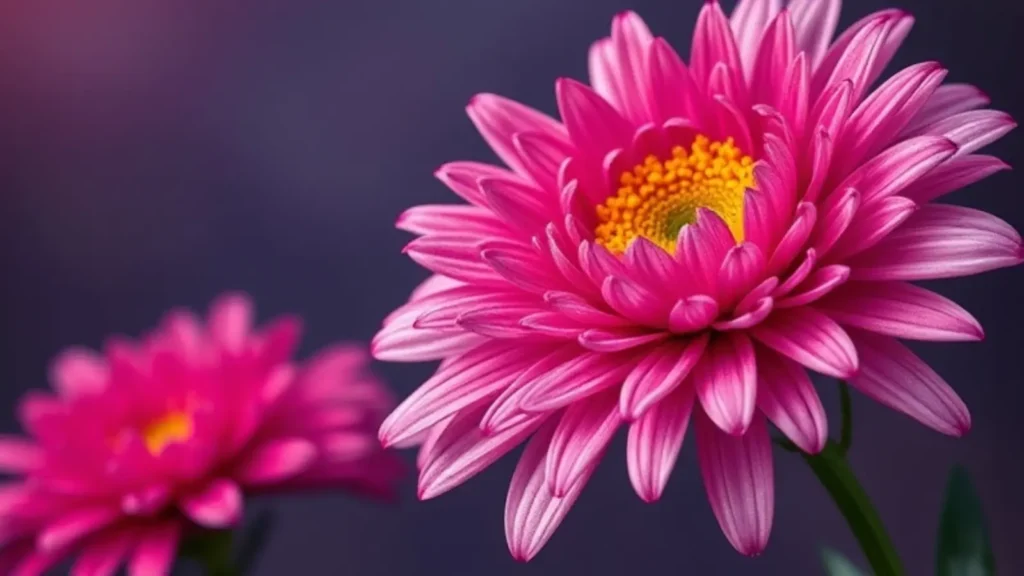
Understanding chrysanthemum symbolism benefits many fields.
Education
Teachers use floral symbolism to explain cultural diversity and visual communication.
Literature
Readers gain deeper insight into metaphor and symbolism.
Branding
Designers select floral imagery that aligns with brand values.
Art History
Researchers interpret recurring floral motifs within historical works.
Event Planning
Florists choose culturally appropriate arrangements.
Cultural Communication
Businesses working internationally avoid unintended symbolic misunderstandings.
Key Insights
- Chrysanthemums symbolize resilience because they bloom during autumn.
- Their meanings differ significantly between Eastern and Western traditions.
- Color influences symbolic interpretation.
- Historical context shapes modern symbolism.
- The flower continues influencing design, literature, branding, and visual storytelling.
Why Chrysanthemum Symbolism Still Matters Today
In today’s interconnected world, symbols travel faster than ever through social media, global commerce, international design, and digital communication. A flower that symbolizes celebration in one culture may convey remembrance in another.
Learning chrysanthemum symbolism encourages:
- Cultural sensitivity
- Better communication
- Stronger design decisions
- Richer literary understanding
- More thoughtful gift-giving
- Greater appreciation for global traditions
Its enduring relevance demonstrates how visual symbols continue shaping human interaction.
Conclusion
Chrysanthemum symbolism is a remarkable example of how one flower can carry many meaningful interpretations across different societies. It represents longevity, resilience, wisdom, honor, gratitude, remembrance, renewal, and quiet strength. These meanings have evolved through centuries of history, philosophy, art, literature, religion, and cultural practice rather than existing as fixed universal truths.
Whether admired in an ancient Chinese painting, displayed as Japan’s imperial emblem, offered in remembrance across Europe, or gifted to celebrate friendship elsewhere, the chrysanthemum remains a timeless symbol of humanity’s relationship with nature, memory, and hope. Understanding its symbolism enriches our appreciation of culture, communication, design, storytelling, and everyday life.

Amelia Rosewood writes about symbolic meanings, ancient traditions, and the emotional connections between humans and symbols.
