Few symbols have traveled across cultures as gracefully as the koi fish. Admired for its brilliant colors, remarkable resilience, and peaceful elegance, the koi has become much more than an ornamental pond fish.
Today, koi fish symbolism represents perseverance, transformation, prosperity, inner strength, courage, harmony, and personal growth in cultures around the world.
Whether seen swimming through a tranquil garden pond, featured in traditional Japanese artwork, incorporated into modern branding, or tattooed as a lifelong reminder of resilience, the koi fish carries rich layers of meaning shaped by centuries of history, mythology, religion, philosophy, and artistic expression.
Understanding koi fish symbolism helps us appreciate not only a beautiful creature but also humanity’s tendency to communicate complex ideas through natural symbols that transcend language and generations.
Featured Snippet: What Does Koi Fish Symbolism Mean?
Koi fish symbolism represents perseverance, courage, resilience, transformation, prosperity, harmony, good fortune, and personal growth. Rooted primarily in Japanese and Chinese traditions, the koi symbolizes overcoming life’s challenges through determination while also representing abundance, longevity, wisdom, and spiritual progress depending on cultural and historical context.
What Is Koi Fish Symbolism?
Quick Answer
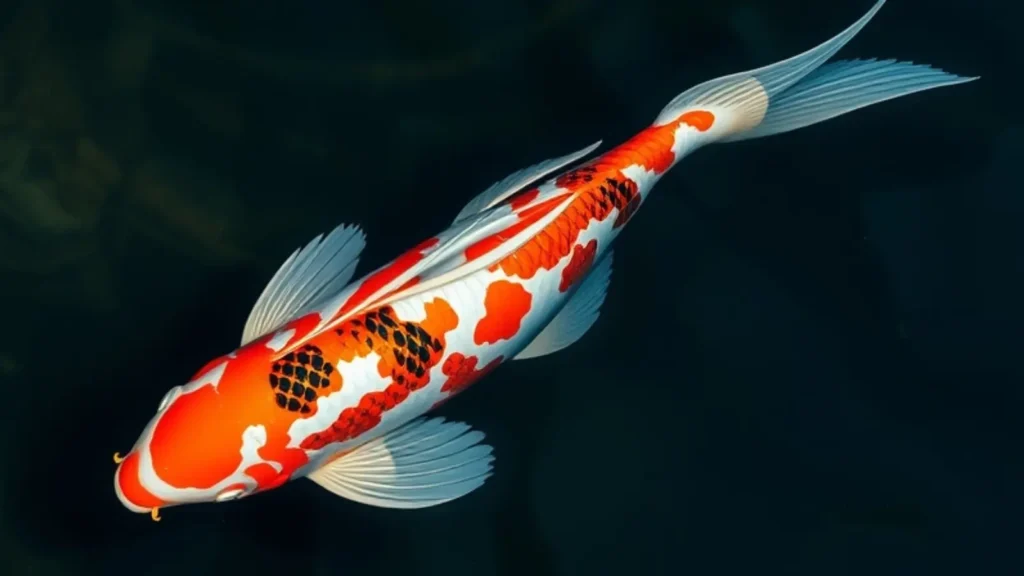
Koi fish symbolism reflects the human journey through adversity toward success. The fish’s legendary ability to swim upstream has made it an enduring symbol of determination, ambition, patience, and achievement.
Unlike symbols that carry only one interpretation, the koi has multiple interconnected meanings influenced by:
- Cultural traditions
- Religious beliefs
- Historical legends
- Artistic symbolism
- Color psychology
- Personal experiences
- Modern design and branding
Its symbolic richness explains why it continues to appear in architecture, tattoos, paintings, literature, meditation spaces, logos, gardens, and storytelling.
The Historical Origins of Koi Fish Symbolism
Ancient Chinese Roots
Although koi are strongly associated with Japan today, many symbolic traditions began in ancient China.
Carp were admired because they could survive harsh environments and swim against strong river currents. Over time, these observations became powerful metaphors for persistence and determination.
One famous Chinese legend tells of a carp swimming upstream until it reached the Dragon Gate waterfall. After successfully overcoming the impossible current, the carp transformed into a mighty dragon.
This legend established symbolic associations with:
- Achievement
- Ambition
- Transformation
- Success earned through effort
- Reward after perseverance
These meanings continue to influence koi symbolism worldwide.
Japanese Cultural Development
Japan later developed koi breeding into an art form.
Colorful ornamental koi became treasured additions to gardens and temple ponds.
Rather than representing survival alone, Japanese culture expanded their symbolism to include:
- Peace
- Beauty
- Family prosperity
- Strength of character
- Honor
- Good fortune
Today, koi remain one of Japan’s most recognizable cultural symbols.
Why Is the Koi Fish a Symbol of Perseverance?
Direct Answer
The koi symbolizes perseverance because it is traditionally believed to swim upstream despite powerful currents, making it a metaphor for determination in the face of obstacles.
This symbolic interpretation resonates because people naturally compare life’s struggles to challenging rivers.
The koi reminds us that success often comes from:
- Consistency
- Patience
- Discipline
- Courage
- Endurance
Rather than promising effortless achievement, the symbol celebrates resilience during difficult journeys.
Cultural Interpretations of Koi Fish Symbolism
| Culture | Primary Symbolism | Common Associations |
| China | Success through perseverance | Dragon Gate legend, ambition |
| Japan | Strength, prosperity, harmony | Family, courage, celebration |
| Buddhism | Spiritual growth | Inner peace, mindful progress |
| Feng Shui | Wealth and abundance | Positive energy, prosperity |
| Modern Western Culture | Personal transformation | Tattoos, resilience, motivation |
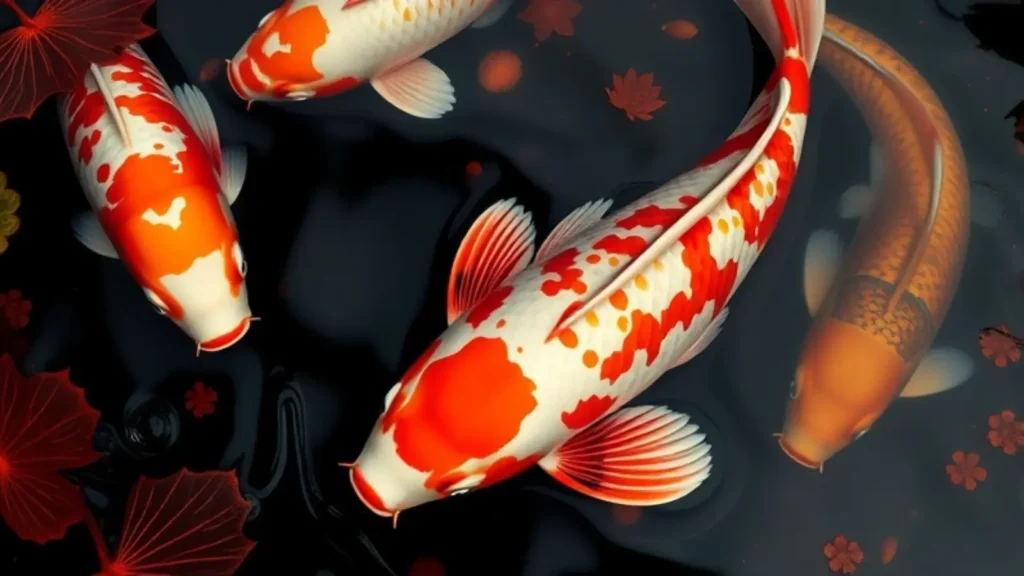
Although these meanings overlap, each culture emphasizes different aspects based on historical traditions.
Spiritual Meaning of the Koi Fish
Across spiritual traditions, koi fish often symbolize the gradual evolution of the human spirit.
Common spiritual interpretations include:
Inner Transformation
Growth rarely happens overnight.
Like a koi swimming through changing waters, people evolve through experience.
Faith During Difficult Times
The koi encourages trust during uncertainty rather than surrendering to fear.
Emotional Balance
Because koi move calmly through water, they often symbolize emotional stability amid life’s turbulence.
Mindful Living
Their graceful movement reminds observers to approach challenges with patience instead of panic.
Koi Fish Symbolism in Buddhism
In Buddhist-inspired interpretations, koi are associated with:
- Determination
- Mindfulness
- Persistence
- Inner awakening
- Compassion
- Spiritual discipline
Water itself often represents the flow of consciousness, while the koi symbolizes navigating that journey with awareness.
Rather than magically removing suffering, the symbolism emphasizes growing wiser through experience.
Koi Fish in Feng Shui
In Feng Shui, koi fish are widely believed to attract positive energy.
Popular symbolic meanings include:
- Financial prosperity
- Career advancement
- Business success
- Harmony within the home
- Good fortune
- Long-term abundance
Many decorative ponds intentionally feature groups of koi because movement of water and fish together symbolizes continuous positive energy.
These interpretations belong to Feng Shui traditions rather than scientific evidence.
The Meaning Behind Different Koi Fish Colors
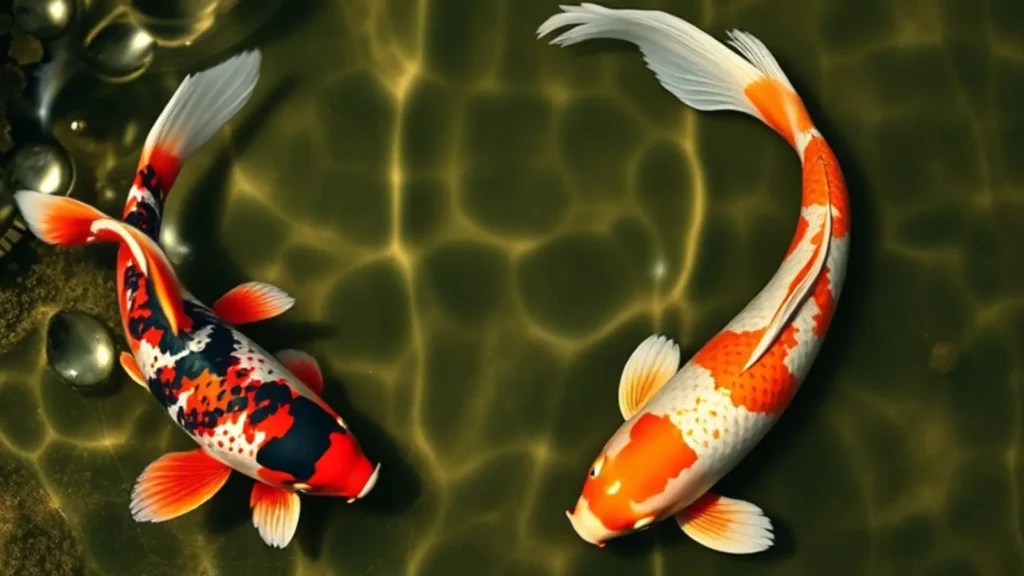
Color greatly influences symbolic interpretation.
| Koi Color | Symbolic Meaning |
| Red | Love, courage, passion |
| White | Purity, honesty, new beginnings |
| Black | Strength through adversity |
| Gold | Wealth, prosperity, success |
| Blue | Peace, calmness, family |
| Orange | Happiness and optimism |
| Silver | Opportunity and achievement |
Color symbolism varies between traditions, but these interpretations are among the most widely recognized.
Did You Know?
The word “koi” simply means “carp” in Japanese, while ornamental koi are specifically known as Nishikigoi, meaning “brocaded carp,” reflecting their vibrant, patterned appearance.
Psychological Meaning of Koi Fish Symbolism
From a psychological perspective, symbols help people organize abstract ideas into memorable visual forms.
The koi resonates because it represents experiences many people recognize:
- Overcoming hardship
- Personal improvement
- Hope during setbacks
- Emotional resilience
- Lifelong learning
Unlike literal language, symbolic imagery often creates stronger emotional connections.
Designers, educators, therapists, and storytellers frequently use symbols like the koi because they communicate complex ideas quickly and memorably.
Koi Fish in Mythology and Folklore
The Dragon Gate legend remains the most influential myth connected to koi symbolism.
Its themes include:
- Persistence
- Reward after struggle
- Transformation
- Courage
- Self-improvement
Across folklore, the koi becomes more than an animal—it becomes an archetype of the determined individual who refuses to give up.
Koi Fish Symbolism in Art and Literature
Artists have portrayed koi for centuries because they communicate movement, tranquility, and aspiration.
Common artistic themes include:
Nature and Balance
Koi often appear with flowing water, lotus flowers, or waterfalls to symbolize harmony between strength and peace.
Human Character
Authors frequently compare determined characters to koi swimming upstream.
Beauty Through Simplicity
Minimalist paintings often use koi to express elegance without complexity.
Koi Fish Symbolism in Tattoos
Koi tattoos remain among the world’s most meaningful tattoo designs.
People choose them to represent:
- Recovery after hardship
- Personal victories
- New beginnings
- Family loyalty
- Courage
- Transformation
Tattoo direction also carries symbolism in some traditions.
- Upstream swimming may represent striving toward goals.
- Downstream swimming may symbolize achievement, acceptance, or a completed journey.
Interpretations vary by artist and wearer.
Expert Tip
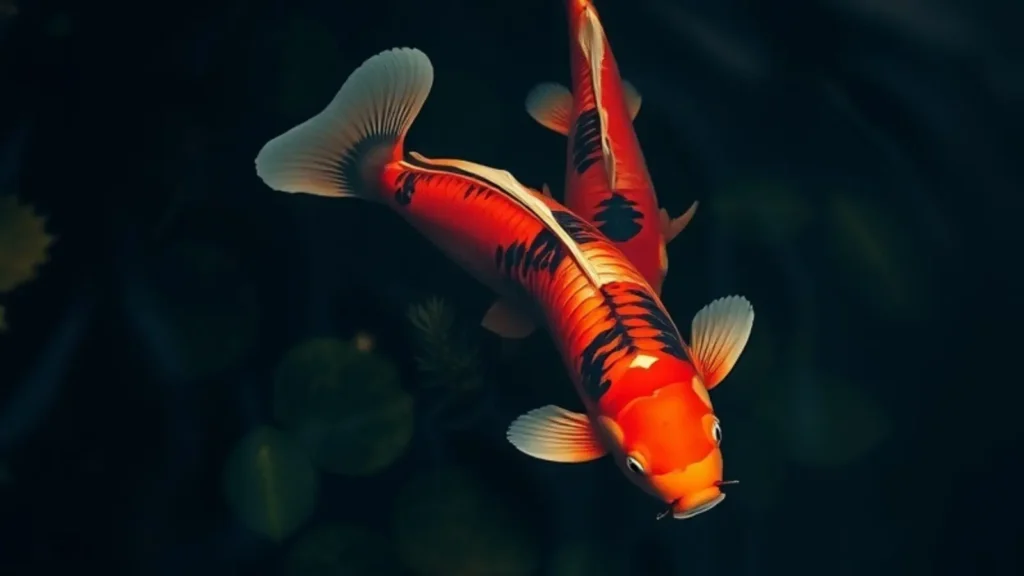
When choosing koi imagery for personal or professional use, consider both the fish’s direction and color. These visual details often influence how audiences interpret the intended message, especially in art, branding, or tattoo design.
Koi Fish Symbolism in Modern Branding
Brands increasingly use koi imagery because it communicates qualities customers value.
These include:
- Reliability
- Growth
- Trust
- Excellence
- Longevity
- Adaptability
Unlike aggressive animal symbols, the koi projects confidence without intimidation.
This makes it particularly effective for businesses emphasizing craftsmanship, wellness, education, finance, hospitality, and personal development.
Koi Fish in Architecture and Garden Design
Japanese gardens frequently incorporate koi ponds.
Their symbolic functions include:
- Creating visual calm
- Encouraging reflection
- Representing flowing life
- Enhancing natural beauty
- Promoting balance
Landscape architects often use water features alongside koi to encourage peaceful contemplation rather than simply decorative appeal.
Koi Fish Symbolism in Dreams
Dream interpretations vary by culture and individual psychology, but common symbolic themes include:
| Dream Scenario | Possible Symbolic Interpretation |
| Swimming koi | Emotional balance |
| Jumping koi | Opportunity approaching |
| Colorful koi | Positive transformation |
| Injured koi | Personal challenges |
| Large koi | Growth or achievement |
| School of koi | Community, family, support |
Dream symbolism is subjective and should not be viewed as universally predictive.
Myth vs. Fact
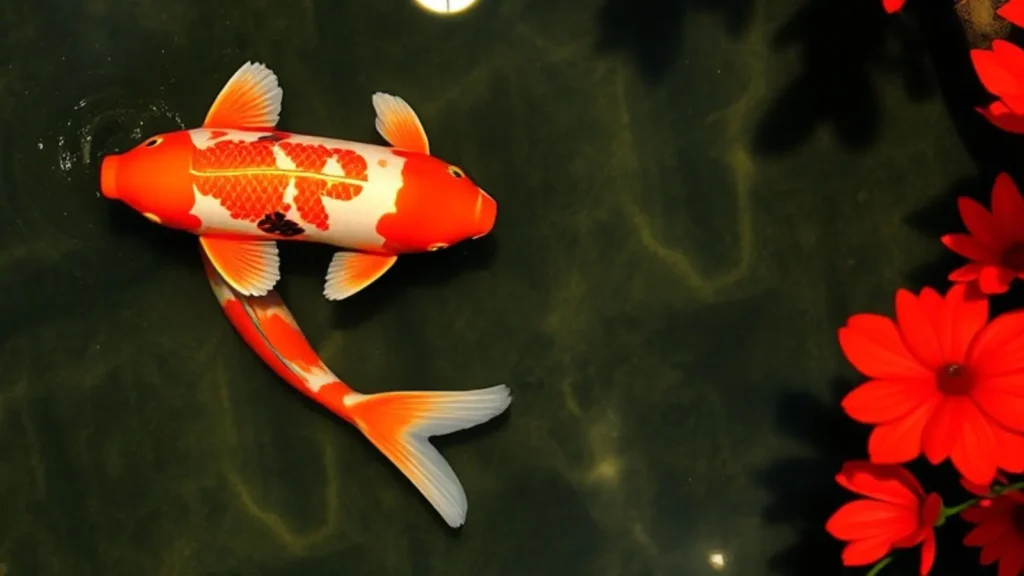
| Myth | Fact |
| Koi always symbolize wealth. | Prosperity is only one of many meanings. |
| Every culture interprets koi identically. | Meanings differ across cultures and traditions. |
| Color meanings are universally fixed. | Color symbolism varies by historical and cultural context. |
| Koi symbolism guarantees good luck. | Symbolic beliefs reflect tradition and personal meaning, not proven outcomes. |
Practical Applications of Koi Fish Symbolism
Today, koi symbolism appears across many fields.
Education
Teachers use koi stories to illustrate perseverance and goal-setting.
Leadership
Organizations use koi imagery to encourage resilience and continuous improvement.
Interior Design
Koi artwork creates calming environments.
Storytelling
Authors use koi symbolism to represent character growth.
Personal Development
Many individuals adopt koi imagery as a reminder to persist through adversity.
Common Mistakes When Interpreting Koi Symbolism
Avoid these misconceptions:
- Assuming every koi means financial luck.
- Ignoring cultural differences.
- Treating symbolic traditions as scientific facts.
- Overlooking historical origins.
- Assuming tattoo meanings are universal.
- Believing one color has only one interpretation.
Balanced interpretation respects both tradition and personal meaning.
Key Insights
- The koi symbolizes resilience more than effortless success.
- Historical legends shaped many modern interpretations.
- Cultural meanings overlap but remain distinct.
- Spiritual symbolism emphasizes growth rather than perfection.
- Artistic symbolism evolves while preserving traditional themes.
- Modern branding adapts ancient meanings for contemporary audiences.
Why Koi Fish Symbolism Still Matters Today
In an increasingly digital world, symbols remain powerful because they communicate instantly.
The koi continues to inspire people facing:
- Career challenges
- Educational goals
- Personal healing
- Creative pursuits
- Spiritual exploration
- Leadership responsibilities
Its enduring relevance comes from its flexibility. Whether viewed through history, psychology, spirituality, art, or design, the koi reminds us that meaningful progress often requires patience and perseverance.
Conclusion
Koi fish symbolism has endured for centuries because it speaks to universal human experiences. From ancient Chinese legends and Japanese cultural traditions to modern art, branding, tattoos, and personal development, the koi represents resilience, transformation, courage, prosperity, and harmony.
Its meaning is not fixed; it evolves across cultures, belief systems, and individual perspectives. Appreciating these nuances allows us to use the symbol thoughtfully, whether in storytelling, education, design, spiritual reflection, or everyday communication.
Ultimately, the koi fish reminds us that growth is often achieved by moving steadily forward even against the current.

Amelia Rosewood writes about symbolic meanings, ancient traditions, and the emotional connections between humans and symbols.
