Few flowers capture the feeling of hope quite like the daffodil. Blooming at the edge of winter, its bright yellow petals often become one of nature’s first reminders that warmer days are returning. Because of this unique seasonal appearance, daffodil symbolism has become deeply connected with renewal, optimism, fresh beginnings, resilience, and personal transformation across many cultures.
Beyond its cheerful appearance, the daffodil carries centuries of symbolic meaning shaped by mythology, religion, literature, psychology, and cultural traditions. Artists, writers, gardeners, designers, and even healthcare organizations continue to use the flower as a visual representation of hope and perseverance.
Understanding daffodil symbolism offers more than botanical knowledge it provides insight into how people across generations have used flowers to express emotions, celebrate life, remember loved ones, and communicate values without words.
Featured Snippet: What Does Daffodil Symbolism Mean?
Daffodil symbolism primarily represents new beginnings, hope, renewal, resilience, joy, and personal growth. Because it blooms in early spring after winter, many cultures associate the daffodil with rebirth, optimism, overcoming challenges, and the promise of brighter days ahead. Its meaning can also vary depending on cultural traditions, colors, and historical context.
What Is Daffodil Symbolism?
Quick Answer
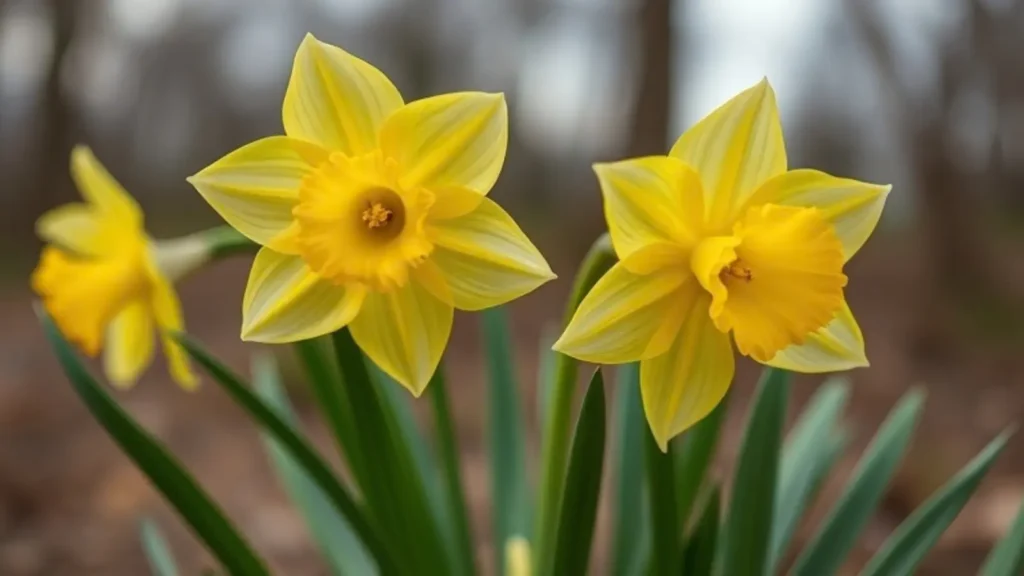
Daffodil symbolism refers to the meanings people associate with the daffodil flower through history, culture, mythology, religion, psychology, literature, and art.
The flower has become a universal symbol of:
- New beginnings
- Spring
- Hope
- Happiness
- Renewal
- Resilience
- Success
- Personal transformation
- Prosperity
- Positive change
Unlike many flowers whose symbolism centers primarily on romance, the daffodil often represents life’s continual cycle of growth and renewal.
The Historical Origins of Daffodil Symbolism
Ancient Beginnings
The daffodil belongs to the Narcissus genus, native to Europe, North Africa, and parts of Asia. Humans have admired the flower for thousands of years because it appears shortly after winter, making it one of the earliest visible signs that nature is awakening.
Its early blooming naturally connected it with survival, rebirth, and seasonal renewal.
Greek Mythology
One of the oldest symbolic stories comes from Greek mythology.
The flower is connected to Narcissus, a beautiful young man who became captivated by his own reflection in a pool of water. Unable to leave his reflection, he eventually died, and a flower grew where he had fallen.
Because of this myth, the daffodil can also symbolize:
- Self-reflection
- Vanity
- Self-awareness
- Personal growth
- Inner transformation
Modern interpretations often focus less on vanity and more on the importance of balancing confidence with humility.
Why Daffodils Symbolize New Beginnings
Direct Answer
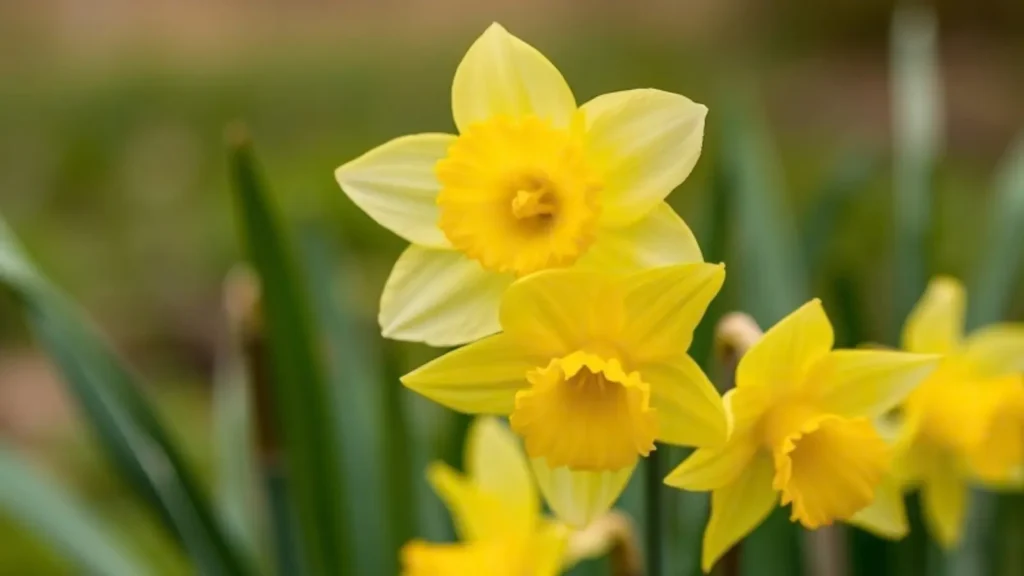
The daffodil symbolizes new beginnings because it blooms at the end of winter, marking the arrival of spring and the start of a new growing season.
Its seasonal timing has made it an enduring symbol of:
- Fresh opportunities
- New chapters
- Recovery
- Emotional healing
- Personal development
Whether someone starts a new career, graduates, moves to a new city, or begins a healthier lifestyle, daffodils frequently appear in celebrations because they visually reinforce optimism and progress.
Psychological Meaning of Daffodil Symbolism
From a psychological perspective, flowers influence human emotions through both learned cultural associations and natural color perception.
The daffodil encourages feelings such as:
- Hope
- Positivity
- Motivation
- Emotional recovery
- Confidence
- Energy
- Optimism
Bright yellow flowers are commonly associated with sunlight and warmth. Although emotional responses to color vary across individuals and cultures, many people perceive yellow as uplifting and cheerful, helping explain why daffodils are often linked to positive emotional states.
Spiritual Meaning of Daffodil Symbolism
Spiritual Interpretation
Across many spiritual traditions, the daffodil symbolizes:
- Spiritual awakening
- Renewal of faith
- Personal enlightenment
- Inner healing
- Divine hope
- Transformation
Rather than representing one specific religion, the flower reflects universal themes of life’s continuous renewal.
Many people see blooming daffodils as reminders that difficult seasons eventually give way to growth and opportunity.
Religious Connections of the Daffodil
Although interpretations vary, daffodils appear in Christian traditions because of their association with spring and Easter.
Common Christian symbolic meanings include:
- Resurrection
- Eternal hope
- New life
- God’s creation
- Renewal of faith
These meanings stem more from seasonal timing than from explicit biblical references.
Other cultures may appreciate the daffodil for its beauty without assigning specific religious symbolism.
Cultural Interpretations Around the World
| Culture | Common Symbolism | Traditional Meaning |
| Western Europe | Spring | Hope and renewal |
| United Kingdom | Charity | Cancer awareness and hope |
| China | Prosperity | Good fortune and success |
| Wales | National pride | Heritage and renewal |
| Japan | Simplicity | Quiet beauty and resilience |
| Modern global culture | Fresh beginnings | Personal transformation |
Symbolic meanings continue to evolve alongside changing cultural traditions.
Daffodil Symbolism in Wales
The daffodil has become one of Wales’ most recognizable national flowers.
It is commonly worn during St. David’s Day, celebrating Welsh identity and cultural pride.
Here, the flower represents:
- Patriotism
- Heritage
- Community
- Hope
- National identity
Its seasonal bloom aligns perfectly with early March celebrations.
Chinese Symbolism of Daffodils
In Chinese culture, daffodils often symbolize:
- Prosperity
- Wealth
- Career success
- Good fortune
- Positive energy
They are especially valued during Lunar New Year celebrations because blooming flowers are believed to represent favorable beginnings for the coming year.
These meanings arise from cultural tradition rather than universally shared beliefs.
Daffodil Symbolism in Literature
Authors frequently use daffodils to represent emotional renewal and the beauty of nature.
Perhaps the most famous literary example is William Wordsworth’s poem I Wandered Lonely as a Cloud, in which a field of daffodils becomes a lasting source of joy and inspiration.
In literature, daffodils often symbolize:
- Happiness
- Reflection
- Memory
- Nature’s beauty
- Inner peace
- Emotional resilience
Rather than serving merely as decorative flowers, they often function as symbols of hope during challenging moments.
Artistic Representation of Daffodils
Artists across centuries have painted daffodils because they naturally communicate:
- Light
- Energy
- Renewal
- Simplicity
- Growth
- Optimism
In visual communication, yellow flowers immediately attract attention while maintaining a welcoming appearance.
This makes them effective subjects in:
- Paintings
- Photography
- Botanical illustration
- Interior decoration
- Graphic design
- Greeting cards
Daffodil Symbolism in Branding and Design
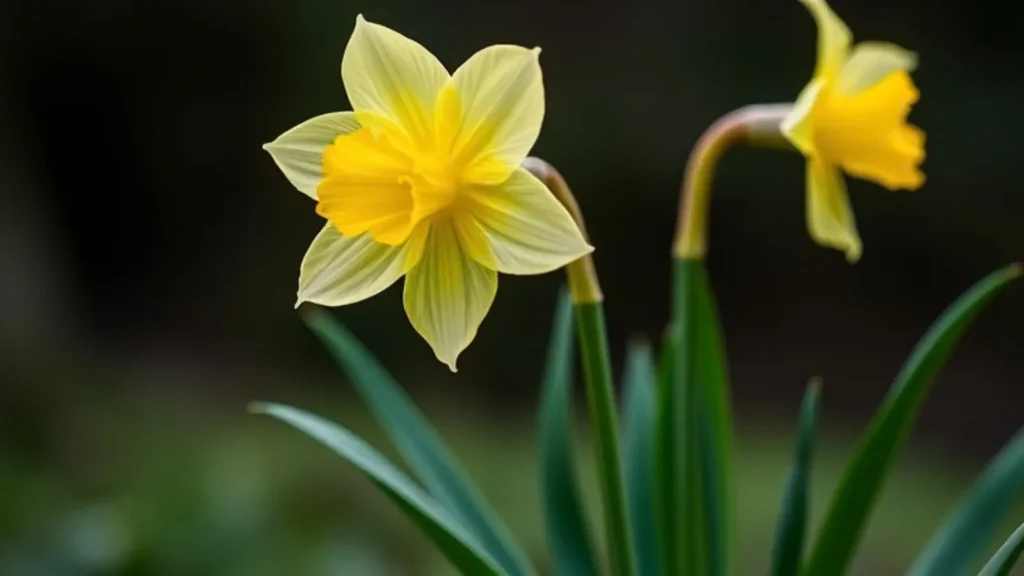
Modern branding frequently incorporates daffodil-inspired imagery to communicate:
- Innovation
- Fresh ideas
- Positive experiences
- Wellness
- Environmental responsibility
- Growth
Healthcare organizations, educational institutions, wellness campaigns, and nonprofit charities often use daffodils because audiences instinctively associate the flower with encouragement and hope.
Its symbolism works particularly well in campaigns focused on recovery, resilience, and community support.
Color Symbolism of Daffodils
Although yellow is most common, different daffodil colors may suggest different symbolic meanings.
| Color | Symbolic Meaning |
| Yellow | Joy, optimism, hope |
| White | Purity, peace, remembrance |
| Orange-centered | Energy, creativity |
| Cream | Elegance, simplicity |
| Multi-colored | Diversity, balance |
These meanings are cultural interpretations rather than universal rules.
Daffodil Symbolism in Relationships
People often gift daffodils during important life transitions.
They may symbolize:
- Encouragement
- Friendship
- New relationships
- Recovery
- Graduation
- Retirement
- Moving into a new home
Unlike red roses, daffodils generally express support and optimism rather than romantic passion.
Daffodils and Personal Growth
Many life coaches, educators, and motivational speakers use daffodils as metaphors for growth.
The flower reminds people that:
- Difficult seasons are temporary.
- Growth often begins unseen.
- Patience produces meaningful change.
- Resilience leads to renewal.
- Every ending can become a beginning.
These metaphorical interpretations resonate because they mirror natural seasonal cycles.
Did You Know?
🌼 The daffodil is among the first flowers to bloom each spring.
🌼 There are more than 13,000 registered daffodil cultivars.
🌼 The flower belongs to the Narcissus genus.
🌼 Many cancer awareness campaigns use the daffodil as a symbol of hope and resilience.
🌼 Daffodils are perennial flowers, meaning they return year after year under suitable conditions—reinforcing their symbolic connection to renewal.
Expert Tip
When interpreting flower symbolism, always consider the cultural, historical, and personal context. A daffodil given during recovery may symbolize hope, while the same flower in a literary work could represent memory, transformation, or the passage of time.
Myth vs. Fact
| Myth | Fact |
| Daffodils always symbolize vanity. | The Narcissus myth is only one historical interpretation. Today, renewal and hope are far more common meanings. |
| Every culture views daffodils the same way. | Symbolic meanings differ across regions and traditions. |
| Yellow flowers always represent happiness. | Color symbolism varies depending on cultural context. |
| Flower symbolism is scientifically proven. | Symbolism is largely cultural, historical, artistic, and psychological rather than scientific fact. |
Common Mistakes When Interpreting Daffodil Symbolism
- Assuming one meaning applies everywhere.
- Ignoring historical context.
- Confusing mythology with religious doctrine.
- Treating symbolic traditions as scientific evidence.
- Overlooking personal interpretations.
Balanced interpretation leads to a richer understanding of symbolism.
Practical Applications of Daffodil Symbolism
Daffodil symbolism is widely used in:
- Floral arrangements
- Wedding décor
- Spring festivals
- Greeting cards
- Brand identity
- Educational materials
- Mental health awareness campaigns
- Charity fundraising
- Art therapy
- Interior design
- Photography
- Literature
- Digital media
- Social media storytelling
Its positive associations make it a versatile symbol across many forms of communication.
Why Daffodil Symbolism Still Matters Today
Modern society increasingly relies on visual communication.
Simple symbols often communicate emotions more quickly than words.
The daffodil continues to represent:
- Hope after hardship
- Environmental renewal
- Positive change
- Emotional resilience
- Community support
- Fresh opportunities
Whether appearing in gardens, logos, paintings, or awareness campaigns, its message remains remarkably consistent: difficult seasons eventually give way to growth.
Key Insights
- The daffodil primarily symbolizes hope, renewal, and new beginnings.
- Greek mythology introduced themes of self-reflection through Narcissus.
- Different cultures interpret the flower in unique ways.
- Literature strengthened its association with joy and nature.
- Modern branding uses daffodils to communicate optimism and growth.
- Symbolism depends on cultural and historical context.
- The flower remains one of the world’s most recognizable symbols of resilience.
Conclusion
Daffodil symbolism has endured for centuries because it reflects experiences that are nearly universal. From the first bloom after winter to its presence in literature, art, spiritual traditions, charitable campaigns, and everyday celebrations, the daffodil consistently represents hope, renewal, and the possibility of positive change.
While interpretations differ across cultures and historical periods, its association with resilience and fresh beginnings remains remarkably consistent.
Understanding the symbolism of the daffodil also deepens our appreciation of how symbols shape communication. Whether used in branding, education, storytelling, design, religion, or personal milestones, the flower demonstrates how nature can express complex emotions and ideas without words.
As societies continue to evolve, the daffodil remains a timeless reminder that growth often follows adversity, making it one of the most enduring and meaningful floral symbols in the world.

Nathaniel Brooks analyzes symbols, their origins, cultural importance, and psychological impact across history and modern society.
