Throughout human history, animals have carried meanings far beyond their physical existence. From majestic lions representing courage to butterflies symbolizing transformation, creatures have become powerful symbols through mythology, religion, art, psychology, and cultural storytelling.
Among these symbols, fly symbolism is especially complex because flies represent both negative and positive ideas depending on cultural context, historical period, and personal interpretation.
A fly can symbolize decay, disturbance, disease, and unwanted situations, but it can also represent transformation, persistence, adaptation, survival, and the ability to find opportunities in difficult environments.
Understanding the symbolism of flies reveals important insights into human perception, environmental relationships, spirituality, and the way societies create meaning from the natural world.
Featured Snippet Answer: What Does Fly Symbolism Mean?
Fly symbolism represents transformation, survival, persistence, and adaptation, while also carrying associations with decay, negativity, temptation, and unwanted influences. Across cultures, flies may symbolize both life’s ability to regenerate and the challenges humans must overcome. Their meaning depends on religious beliefs, mythology, personal experiences, and cultural traditions.
What Does Fly Symbolism Represent?
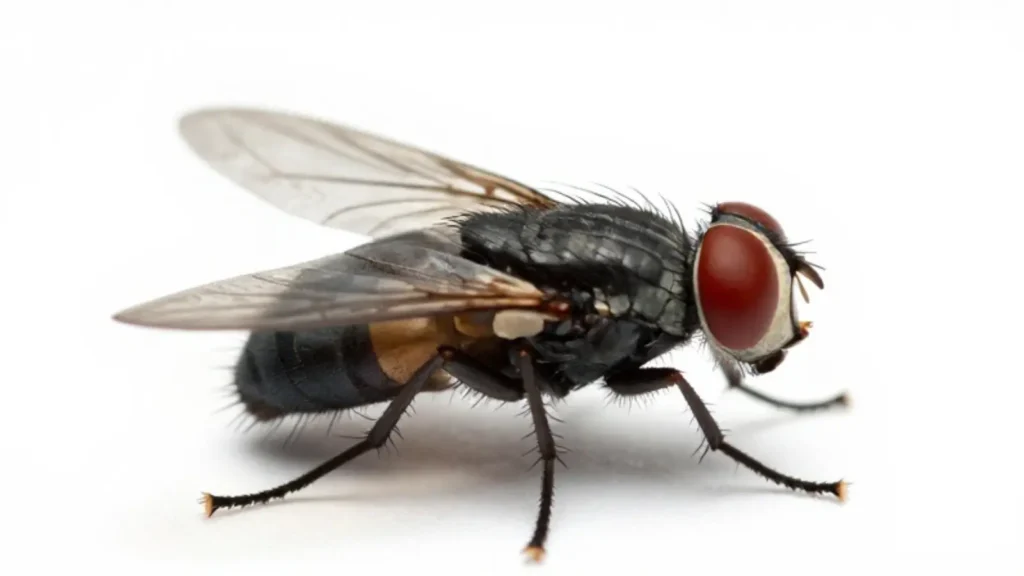
Fly symbolism refers to the meanings, ideas, and cultural interpretations humans associate with flies as symbolic creatures. These interpretations often emerge from observing the fly’s behavior, life cycle, relationship with decomposition, and remarkable ability to survive.
Unlike symbols with a universally accepted meaning, the fly has a dual symbolic nature.
A fly may represent:
- Transformation and renewal
- Survival and resilience
- Adaptability
- Persistence
- Hidden problems or negativity
- Physical decay and impermanence
- Spiritual warnings
- Annoyance or distraction
- The cycle of life and death
The symbolic meaning depends heavily on the observer’s cultural background and personal understanding.
For example:
- In some traditions, flies are connected with corruption, impurity, and destruction.
- In others, they represent endurance because they survive in harsh environments.
- In spiritual interpretations, a fly may appear as a reminder to examine neglected areas of life.
This complexity makes the fly an interesting subject within anthropology, semiotics, psychology, and cultural symbolism.
The Historical Evolution of Fly Symbolism
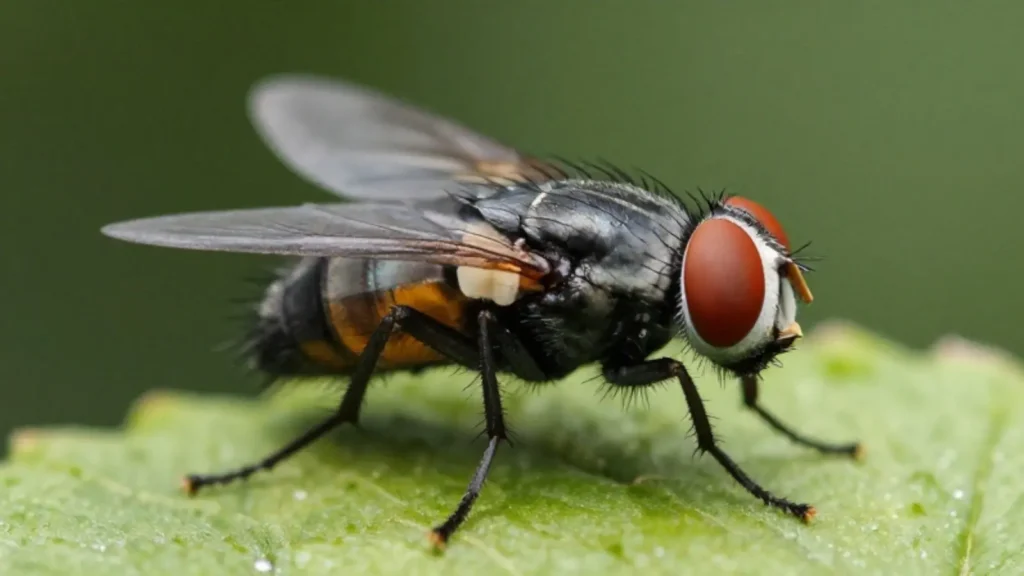
Human interpretations of flies developed thousands of years ago as civilizations observed their connection with food, waste, illness, and decomposition.
Ancient societies did not view animals simply as biological creatures. Animals became symbols reflecting human fears, hopes, moral lessons, and spiritual beliefs.
Ancient Civilizations and the Fly as a Symbol
Ancient Egypt: Flies as Symbols of Persistence and Reward
In ancient Egyptian culture, flies had a more complicated meaning than simple negativity.
Because flies demonstrated persistence and the ability to overcome obstacles, they became associated with qualities such as:
- Courage
- Determination
- Military achievement
- Endurance
The ancient Egyptian military awarded the Golden Fly as a symbol of bravery and persistence. This interpretation shows that a creature often considered unpleasant could represent admirable human qualities.
Mesopotamian and Near Eastern Interpretations
In ancient Near Eastern cultures, flies were frequently connected with:
- Disease
- Contamination
- Destruction
- Unclean environments
Their presence around decay made them powerful symbols of corruption and unwanted forces.
Ancient Greek and Roman Perspectives
Greek and Roman societies often viewed flies through the lens of health, agriculture, and mythology.
Flies were associated with:
- Disease prevention
- Natural cycles
- The relationship between humans and the environment
Some myths used insects symbolically to explore themes of survival, punishment, and transformation.
Fly Symbolism Across Different Cultures
Symbolic meanings are shaped by geography, religion, history, and social experiences. A symbol rarely has one fixed interpretation.
Cultural Comparison Table: Meanings of Fly Symbolism
| Culture or Tradition | Symbolic Meaning of Flies | Interpretation |
| Ancient Egypt | Persistence and bravery | Represents overcoming challenges |
| Western religious traditions | Sin, corruption, temptation | Connected with moral warnings |
| Indigenous perspectives | Natural cycles and adaptation | Seen as part of ecological balance |
| African folklore traditions | Transformation and spiritual messages | May represent change or unseen forces |
| Asian interpretations | Impermanence and environmental awareness | Reflects cycles of existence |
| Modern psychology | Inner conflict and neglected issues | Represents unwanted thoughts or emotions |
Spiritual Meaning of Fly Symbolism
In spiritual contexts, flies often carry messages related to awareness, cleansing, and transformation.
1. Transformation and Change
Because flies are strongly connected with decomposition, they can symbolize the transformation of old material into something new.
Spiritually, this may represent:
- Ending outdated patterns
- Personal growth
- Emotional renewal
- Letting go of unnecessary burdens
The fly reminds people that transformation is not always beautiful or comfortable. Sometimes growth begins through difficult experiences.
2. A Symbol of Awareness
A fly’s persistent presence can symbolize something demanding attention.
In symbolic interpretation, a fly may represent:
- Ignored problems
- Hidden concerns
- Areas requiring improvement
- Unresolved emotions
Rather than viewing the fly only negatively, some interpretations encourage reflection.
Expert Tip:
When interpreting animal symbols, consider what the creature’s behavior teaches rather than focusing only on whether humans like or dislike it.
3. Survival and Adaptability

Flies are among nature’s most adaptable creatures. Their ability to survive in diverse environments has made them symbols of resilience.
They can represent:
- Mental toughness
- Flexibility
- Resourcefulness
- Persistence during hardship
This interpretation connects fly symbolism with the broader human theme of survival.
Psychological Meaning of Fly Symbolism
From a psychological perspective, symbols often reveal human attitudes, fears, and unconscious associations.
The fly frequently represents things people want to avoid.
The Fly as a Symbol of Discomfort
Because humans commonly associate flies with:
- Dirt
- Decay
- Disease
- Disturbance
they can symbolize uncomfortable realities.
In dreams, stories, and creative expression, flies may represent:
- Anxiety
- Irritating thoughts
- Emotional distractions
- Neglected responsibilities
However, symbolic dream interpretation varies widely and should not be treated as scientific fact.
Fly Symbolism in Dreams and Personal Interpretation
Dream symbolism is highly personal. A fly appearing in a dream may have different meanings depending on the dreamer’s experiences.
Possible symbolic interpretations include:
| Dream Scenario | Possible Symbolic Meaning |
| Seeing many flies | Feeling overwhelmed or surrounded by problems |
| Removing flies | Desire to eliminate distractions |
| A single fly | A small but persistent issue |
| A fly near food | Concerns about contamination or trust |
| A fly changing form | Transformation or personal growth |
These interpretations come from cultural symbolism and psychological traditions, not proven scientific predictions.
Religious Connections of Fly Symbolism

Religious traditions often use animals as metaphors for moral lessons, spiritual challenges, and human behavior.
Christianity and Fly Symbolism
In some Christian interpretations, flies are associated with:
- Corruption
- Sin
- Spiritual impurity
- Temptation
The connection comes partly from flies gathering around decay, which became a metaphor for moral decline.
A famous association is Beelzebub, a name historically connected with “lord of flies,” which later became linked with demonic imagery in Christian traditions.
Judaism and Fly Symbolism
Jewish texts and traditions sometimes use insects symbolically to discuss:
- Cleanliness
- Disorder
- Human responsibility
The symbolism often reflects broader themes of maintaining spiritual and physical purity.
Other Spiritual Interpretations
Many spiritual traditions view insects as reminders of:
- The interconnectedness of life
- Nature’s cycles
- Impermanence
- Adaptation
The fly becomes a symbol of nature’s ability to recycle and continue.
Mythology and Folklore: The Fly as a Powerful Symbol
Mythology frequently transforms ordinary creatures into meaningful symbols.
Flies appear in folklore as representations of:
- Transformation
- Trickery
- Persistence
- Hidden knowledge
- Spiritual messages
Their small size combined with their ability to survive makes them powerful storytelling tools.
In myths, the fly often challenges human assumptions by showing that even creatures considered insignificant can possess symbolic importance.
Fly Symbolism in Art and Visual Communication
Art has always used animals as visual language. Artists often choose creatures not only because of their appearance but because of the emotions, memories, and cultural meanings attached to them.
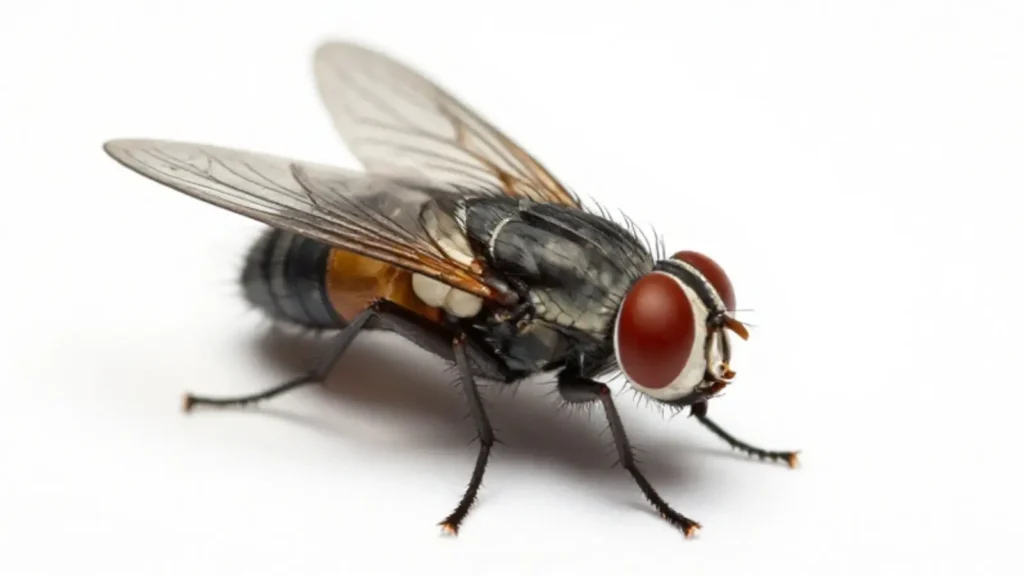
Fly symbolism in art is powerful because the fly creates immediate psychological reactions. Unlike traditionally admired animals, the fly creates tension. It can represent uncomfortable truths, hidden realities, and the temporary nature of existence.
Artists may use flies to explore themes such as:
- Mortality
- Human imperfection
- Social criticism
- Environmental relationships
- The contrast between beauty and decay
- The fragility of life
The Fly in Still-Life Art
During different periods of European art history, insects appeared in still-life paintings as reminders of mortality.
A fly placed near:
- Fruit
- Flowers
- Food
- Luxury objects
could symbolize that all physical beauty eventually changes.
This concept connects with the artistic tradition of memento mori, a Latin phrase meaning “remember you must die.”
The fly becomes a visual reminder that:
- Wealth is temporary
- Beauty fades
- Life is constantly changing
Fly Symbolism in Literature and Storytelling
Writers often use animals as metaphors to communicate deeper human experiences.
In literature, flies may symbolize:
- Corruption
- Chaos
- Obsession
- Human weakness
- Survival instinct
- The unavoidable realities of life
Because flies are small but noticeable, they are effective symbols for problems that appear minor but become impossible to ignore.
Symbolic Functions of Flies in Literature
1. Representation of Decay
Authors may use flies to show physical or moral decline.
Examples of symbolic themes include:
- A collapsing society
- A damaged relationship
- A character’s internal struggle
2. Representation of Persistence
A fly’s ability to continue despite resistance can represent:
- Determination
- Resistance
- Survival
3. Representation of Disruption
The buzzing sound and constant movement of flies make them useful symbols for:
- Anxiety
- Distraction
- Unwanted thoughts
Fly Symbolism in Popular Culture and Media
Modern films, television, advertisements, and digital media continue to use flies as symbolic elements.
They frequently appear in stories involving:
- Horror
- Mystery
- Science fiction
- Psychological drama
The fly often creates an atmosphere of:
- Unease
- Transformation
- Danger
- Hidden change
A famous example is the association between flies and transformation narratives, especially stories exploring biological change, identity, and human experimentation.
Fly Symbolism in Branding and Marketing
Brands use symbols strategically because images communicate quickly.
Although flies are rarely used in mainstream branding due to their negative associations, they can create strong identities when used intentionally.
Why a Brand Might Use Fly Imagery
A company may use fly symbolism to communicate:
- Rebellion
- Uniqueness
- Breaking traditional expectations
- Adaptability
- Environmental awareness
A fly can create a memorable identity because it challenges conventional ideas of beauty and perfection.
Color Psychology and Fly Symbolism
Color influences how humans interpret symbols. When flies appear in visual designs, their surrounding colors can change their meaning.
Common Color Associations With Fly Imagery
| Color | Symbolic Association | Effect When Combined With Fly Imagery |
| Black | Mystery, darkness, power | Creates dramatic or mysterious meanings |
| Green | Nature, renewal, environment | Highlights ecological connections |
| White | Purity, emptiness, contrast | Creates tension between cleanliness and contamination |
| Red | Danger, energy, warning | Emphasizes urgency or threat |
| Gold | Value, achievement, rarity | Connects with historical symbolism of honor |
Color psychology is context-dependent. A color does not create one universal meaning; cultural experiences influence interpretation.
Semiotics: Understanding the Fly as a Symbol
Semiotics is the study of signs and symbols and how humans create meaning from them.
From a semiotic perspective, the fly has several layers:
1. Physical Sign
The actual insect:
- Small body
- Rapid movement
- Buzzing sound
- Association with waste and decomposition
2. Cultural Meaning
Societies attach ideas such as:
- Pollution
- Survival
- Transformation
- Warning
3. Personal Meaning
Individuals may interpret flies differently based on:
- Memories
- Experiences
- Beliefs
- Emotional associations
This demonstrates that symbols are not fixed objects; they are created through human interpretation.
Fly Symbolism in Psychology and Human Behavior
Humans naturally categorize things as attractive, dangerous, clean, or unpleasant. The fly often falls into the category of creatures associated with discomfort.
Psychologically, fly imagery can trigger thoughts about:
- Contamination
- Loss of control
- Intrusion
- Persistence
However, symbolic interpretation can also highlight positive psychological qualities:
- Adaptability
- Resilience
- Acceptance of change
Practical Applications of Fly Symbolism
Understanding fly symbolism can be useful in several fields.
1. Graphic Design
Designers may use fly imagery when creating:
- Horror themes
- Environmental campaigns
- Alternative fashion
- Experimental artwork
The symbol creates immediate emotional impact.
2. Storytelling and Creative Writing
Writers can use flies to represent:
- A character’s hidden problems
- Social decay
- Transformation
- A warning sign
A small symbolic detail can add deeper meaning to a story.
3. Education
Teachers can use fly symbolism to explain:
- Ecosystems
- Decomposition
- Food chains
- Human attitudes toward nature
Flies play important ecological roles despite negative human perceptions.
4. Environmental Awareness
From an ecological perspective, flies are important organisms.
They contribute to:
- Decomposition processes
- Nutrient recycling
- Ecosystem balance
Their symbolism can encourage people to reconsider the relationship between humans and less appreciated species.
Myth vs Fact: Understanding Fly Symbolism
| Myth | Fact |
| Flies only represent negativity | Fly symbolism includes both negative and positive meanings |
| Flies have the same meaning everywhere | Cultural interpretations vary significantly |
| Seeing a fly always has a spiritual message | Symbolic meanings depend on personal beliefs |
| Flies are only symbols of dirt | They also represent ecological processes and survival |
| All dream interpretations are scientifically proven | Dream symbolism is mainly cultural and psychological |
Common Mistakes When Interpreting Fly Symbolism
Mistake 1: Assuming One Universal Meaning
A common error is believing that every symbol has one fixed definition.
Symbolism changes according to:
- Culture
- History
- Context
- Personal experience
Mistake 2: Ignoring Positive Interpretations
Many people focus only on negative associations.
However, flies can symbolize:
- Persistence
- Adaptation
- Renewal
- Survival
Mistake 3: Confusing Symbolism With Scientific Reality
Symbolic meanings are cultural interpretations, not biological facts.
A fly does not have a built-in spiritual meaning. Humans create meanings through storytelling and experience.
Expert Tip: How to Analyze Animal Symbolism Correctly
When studying any animal symbol, ask:
- What behaviors does the animal display?
- How did ancient societies interact with it?
- What emotions does it create in humans?
- How does culture influence interpretation?
- How is the symbol used in modern communication?
This approach creates a deeper understanding than simply memorizing symbolic definitions.
Key Insights About Fly Symbolism
- Fly symbolism is complex because it combines negative and positive meanings.
- Flies often represent transformation, survival, and adaptation.
- Many cultures connect flies with decay, warning, or impurity.
- Historical interpretations show that flies have also represented courage and persistence.
- Art and literature use flies to explore mortality, change, and human imperfection.
- Modern symbolic interpretations depend heavily on context and cultural background.
- Understanding symbols improves communication in art, branding, storytelling, and education.
Conclusion: Why Fly Symbolism Still Matters Today
Fly symbolism remains meaningful because it challenges simple ideas about beauty, value, and importance. Although many people associate flies with unpleasant experiences, their symbolic history reveals much deeper themes.
The fly represents the contradictions of existence: destruction and renewal, discomfort and adaptation, weakness and survival.
Across cultures, religions, psychology, art, and storytelling, flies have reminded humans that even overlooked creatures can carry powerful lessons. They symbolize the natural cycles of life, the importance of awareness, and the ability to adapt in difficult circumstances.
In modern communication, understanding fly symbolism helps designers, writers, educators, and brands create messages with greater emotional depth.
Symbols influence how people understand stories, images, and ideas, making cultural awareness an essential part of effective communication.
The meaning of the fly ultimately depends on the perspective of the observer. For some, it is a warning. For others, it is a symbol of resilience. For many, it represents the complicated relationship between humans and the natural world.

Olivia Hartwell explores the hidden meanings behind symbols, animals, colors, dreams, and cultural traditions through insightful symbolism research.
