The falcon has fascinated humanity for thousands of years. From soaring above deserts and mountains to appearing on royal emblems and sacred artwork, this remarkable bird represents far more than speed or hunting ability.
Across civilizations, falcon symbolism has come to embody vision, courage, freedom, leadership, divine protection, wisdom, focus, and spiritual elevation.
Whether featured in ancient mythology, religious traditions, national emblems, literature, branding, or modern storytelling, the falcon continues to inspire people because it symbolizes the ability to rise above challenges while maintaining extraordinary clarity and purpose.
Although symbolic meanings differ between cultures, the falcon consistently represents excellence, precision, and higher awareness.
Featured Snippet: What Does Falcon Symbolism Mean?
Falcon symbolism represents vision, focus, freedom, courage, leadership, spiritual awareness, and victory. Across many cultures, the falcon symbolizes the ability to see opportunities from a higher perspective, act decisively, overcome obstacles, and pursue goals with intelligence, confidence, and remarkable precision.
What Is Falcon Symbolism?
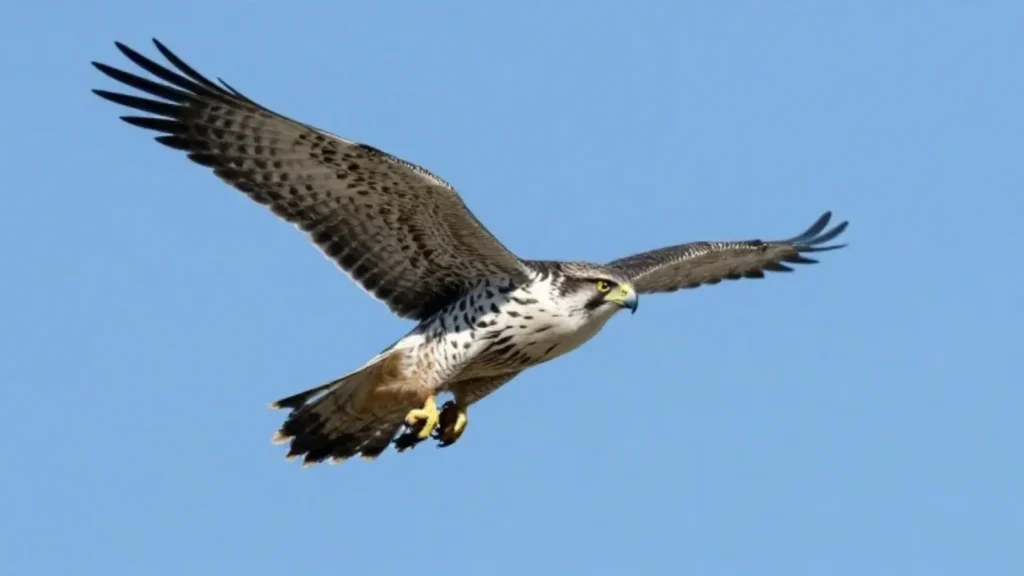
Falcon symbolism refers to the symbolic meanings humans have associated with falcons throughout history.
Unlike literal observations about the bird’s biology, symbolism explores what the falcon represents emotionally, culturally, spiritually, and psychologically.
People often associate falcons with qualities such as:
- Exceptional vision
- Determination
- Precision
- Strategic thinking
- Independence
- Protection
- Nobility
- Ambition
- Success
- Divine guidance
These meanings developed because people admired the falcon’s incredible eyesight, unmatched aerial speed, disciplined hunting style, and commanding presence.
Why Has the Falcon Become Such a Powerful Symbol?
Quick Answer
The falcon became a universal symbol because its natural abilities impressed ancient civilizations, who viewed the bird as an ideal example of intelligence, power, and mastery.
Several characteristics contributed to its symbolic importance:
- Sharp eyesight
- Lightning-fast dives
- Exceptional hunting accuracy
- Graceful flight
- Fearlessness
- Ability to soar high above the landscape
Humans naturally transformed these physical traits into symbolic ideas about leadership, wisdom, freedom, and spiritual insight.
Historical Origins of Falcon Symbolism
The symbolic history of falcons stretches back several thousand years.
Ancient civilizations closely observed birds of prey because they occupied the highest part of the sky, making them appear closer to the heavens.
Ancient Egypt
Perhaps no civilization embraced falcon symbolism more deeply than Ancient Egypt.
The falcon became associated with divine kingship, heavenly protection, and royal authority.
Egyptian rulers believed the falcon represented:
- Justice
- Divine order
- Protection
- Legitimate leadership
- Heavenly vision
Falcon imagery frequently appeared on temples, royal jewelry, ceremonial objects, and monuments.
Ancient Mesopotamia
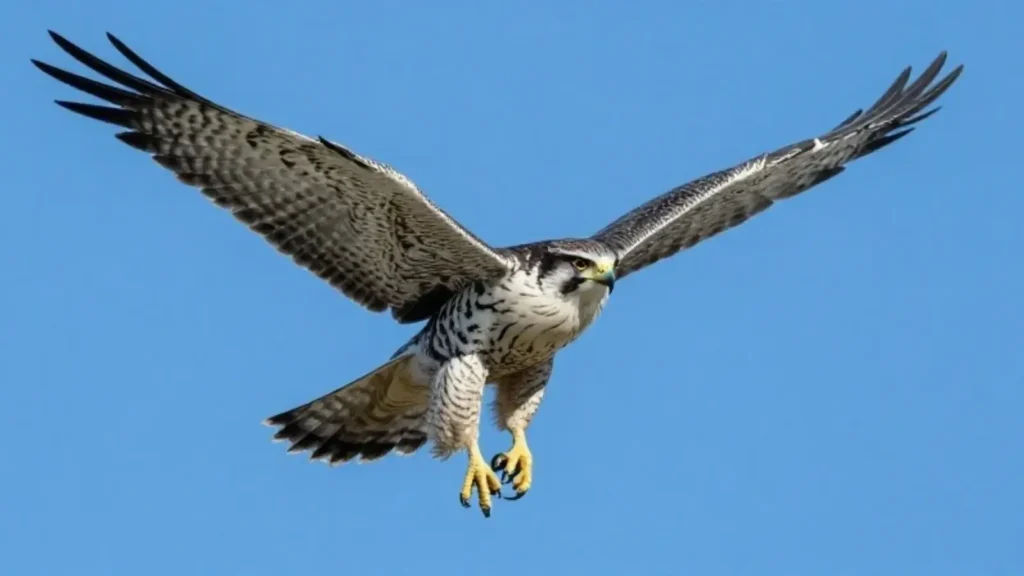
Falcons represented military strength and vigilance.
Their hunting abilities inspired warriors who sought discipline, patience, and strategic thinking.
Classical Greece and Rome
Although eagles became more prominent in some traditions, falcons also represented:
- Victory
- Intelligence
- Strategic warfare
- Noble character
- Athletic excellence
Medieval Europe
During medieval times, falconry became a prestigious activity among royalty.
Owning and training falcons symbolized:
- Wealth
- Noble birth
- Discipline
- Education
- Patience
- Prestige
Falcons eventually became common elements in heraldry and family coats of arms.
Falcon Symbolism Across Different Cultures
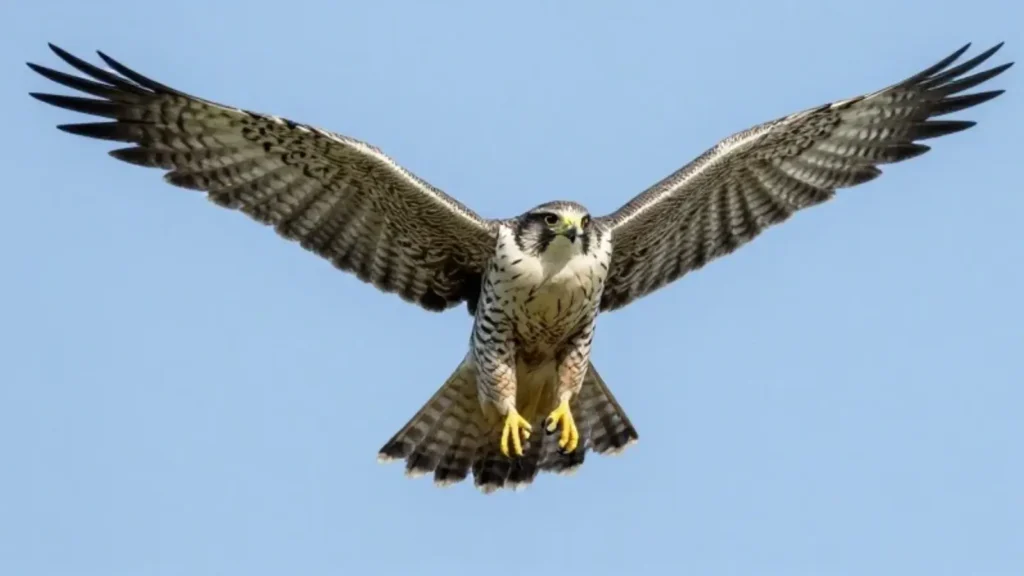
| Culture | Common Symbolic Meaning | Cultural Importance |
| Ancient Egypt | Divine authority, protection | Sacred royal symbol |
| Medieval Europe | Nobility, honor | Falconry and aristocracy |
| Middle Eastern cultures | Courage, dignity | Heritage and leadership |
| Native traditions (varies by nation) | Vision, awareness, messenger | Spiritual connection |
| Celtic traditions | Wisdom, observation | Higher knowledge |
| Modern Western culture | Ambition, achievement | Personal success |
Although interpretations differ, many cultures admire the falcon’s intelligence, strength, and elevated perspective.
Spiritual Meaning of Falcon Symbolism
Quick Answer
Spiritually, the falcon often represents heightened awareness, divine guidance, purposeful action, and the ability to recognize opportunities others may overlook.
Many spiritual traditions interpret encounters with falcons as reminders to:
- Stay focused
- Trust intuition
- Rise above distractions
- Observe before acting
- Maintain confidence
- Pursue meaningful goals
These interpretations belong to symbolic and spiritual belief systems rather than established scientific evidence.
Psychological Meaning of Falcon Symbolism
From a psychological perspective, people frequently use the falcon as a metaphor for mental excellence.
The bird reflects characteristics such as:
Focus
Falcons concentrate intensely before striking.
Psychologically, this represents eliminating distractions.
Vision
The falcon encourages looking beyond immediate circumstances.
It symbolizes long-term planning instead of impulsive reactions.
Confidence
Falcons rarely appear uncertain.
As a personal symbol, they inspire self-confidence and decisive action.
Adaptability
Despite being powerful hunters, falcons continuously adapt to changing environments.
This symbolizes resilience during uncertainty.
Falcon Symbolism in Mythology
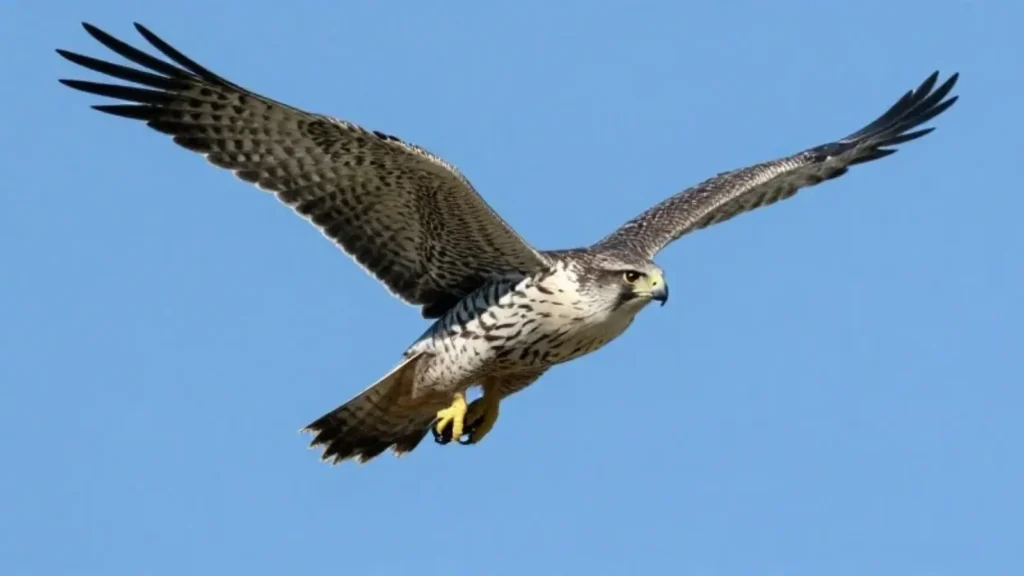
Falcons appear in myths across many civilizations.
Common mythological themes include:
- Divine messengers
- Guardians
- Solar power
- Kingship
- Victory over chaos
- Protection
- Wisdom
Rather than representing destruction, falcons often symbolize order, clarity, and righteous authority.
Religious Interpretations of Falcon Symbolism
Religious symbolism varies depending on tradition.
Some interpretations include:
- Heavenly vision
- Spiritual elevation
- Divine protection
- Moral vigilance
- Strength through discipline
Different religions assign different symbolic meanings, and no single interpretation is universally accepted.
Falcon Symbolism in Literature
Writers frequently use falcons to represent characters who possess:
- Independence
- Intelligence
- Leadership
- Courage
- Ambition
- Sharp perception
A falcon may symbolize a hero’s determination or illustrate a character who sees truth before others do.
Because symbolism depends on context, the same bird may represent freedom in one story and authority in another.
Falcon Symbolism in Art and Visual Culture
Artists often use falcons because they communicate ideas quickly without words.
Common artistic meanings include:
- Power
- Royalty
- Prestige
- Focus
- Freedom
- Victory
- Precision
Modern logos, sports mascots, military insignia, and educational institutions frequently incorporate falcons to project excellence and confidence.
Falcon Symbolism in Branding and Marketing
Brands choose falcon imagery because consumers commonly associate the bird with positive attributes.
These include:
- Speed
- Reliability
- Intelligence
- Leadership
- Premium quality
- Performance
- Precision
In branding, the falcon creates an emotional impression before customers read any text.
Expert Tip
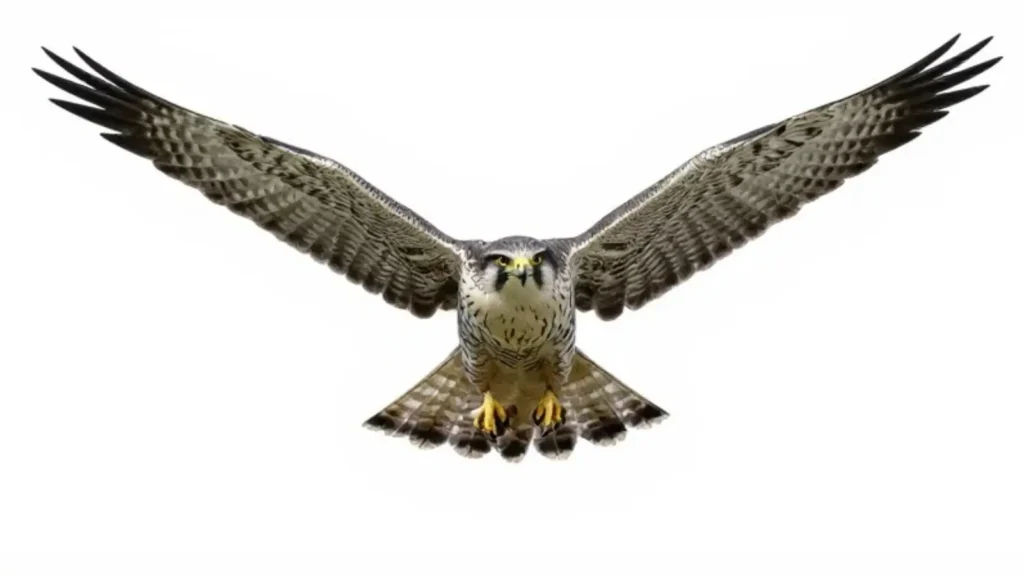
Successful symbolism in branding works best when visual identity aligns with company values. Using a falcon logo without demonstrating qualities like precision, excellence, or reliability can weaken brand authenticity.
Falcon Symbolism in Dreams
Dream interpretation varies widely and is influenced by personal beliefs, emotions, and cultural background.
People sometimes interpret falcon dreams as symbols of:
- New opportunities
- Greater awareness
- Personal growth
- Leadership
- Freedom
- Important decisions
Dream symbolism is subjective rather than scientifically verified.
Falcon Symbolism in Color Psychology
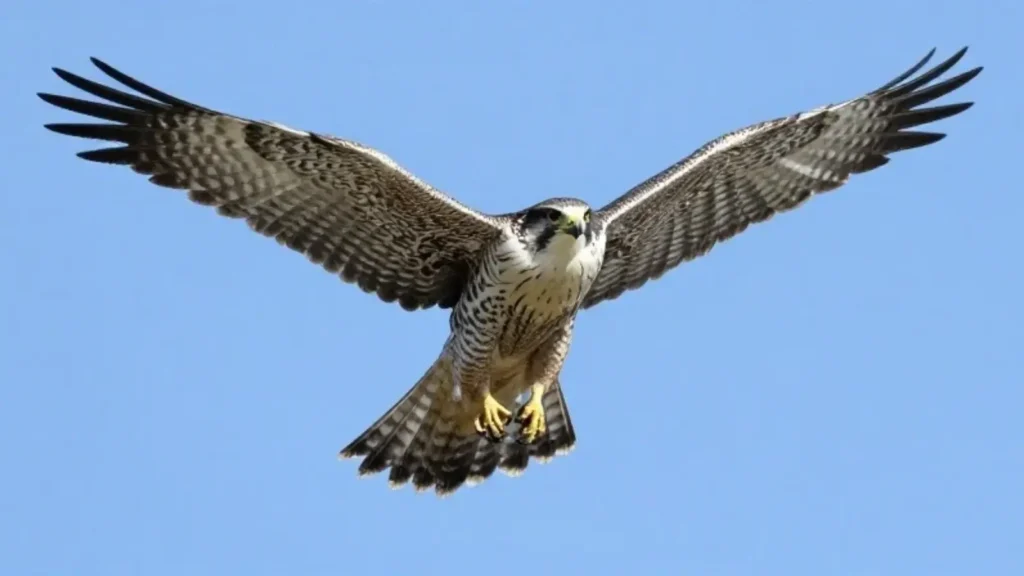
The symbolic meaning of a falcon can change depending on its color.
| Falcon Color | Common Symbolic Interpretation |
| White | Purity, hope, spiritual insight |
| Black | Mystery, transformation, resilience |
| Brown | Stability, grounding, wisdom |
| Gray | Balance, maturity, neutrality |
| Golden | Success, achievement, excellence |
Color meanings differ across cultures and artistic traditions.
Falcon Symbolism in Modern Society
Today, falcons symbolize more than wildlife.
They represent values embraced in:
- Sports teams
- Aviation
- Business
- Education
- Conservation
- Military organizations
- Leadership training
- Personal development
People admire the falcon because it combines strength with remarkable control.
Falcon Symbolism in Storytelling
Storytellers often assign falcons symbolic roles such as:
The Guide
Helping heroes discover truth.
The Guardian
Protecting sacred places or important knowledge.
The Messenger
Delivering wisdom or warnings.
The Warrior
Representing disciplined strength rather than uncontrolled aggression.
Semiotics and the Falcon
Semiotics studies how symbols create meaning.
The falcon functions as a visual sign communicating:
- Excellence
- Leadership
- Awareness
- Precision
- High standards
- Strategic thinking
Because these meanings have developed over centuries, audiences often recognize them instantly.
Anthropology and Cultural Identity
Anthropologists view animal symbolism as part of humanity’s effort to understand the natural world.
Falcons became cultural symbols because they reflected admired human values.
Communities used falcon imagery to express:
- Social status
- Religious beliefs
- Political authority
- Family identity
- Collective memory
Did You Know?
- Falcons are among the fastest animals on Earth during diving flight.
- Falconry has been practiced for thousands of years in various regions.
- Falcon imagery appears on ancient monuments, royal emblems, coins, and architecture.
- Many countries and organizations continue to use falcons as symbols of excellence and strength.
Myth vs. Fact

| Myth | Fact |
| Every culture gives falcons the same meaning. | Symbolic meanings vary by historical and cultural context. |
| Seeing a falcon always predicts future events. | Such beliefs belong to spiritual traditions and are not scientifically established. |
| Falcons only symbolize war. | They also symbolize wisdom, vision, leadership, and freedom. |
| Symbolism never changes. | Meanings evolve as cultures and societies change. |
Common Mistakes When Interpreting Falcon Symbolism
- Assuming one interpretation fits every culture.
- Confusing symbolic beliefs with historical facts.
- Ignoring artistic context.
- Treating mythology as historical evidence.
- Overlooking personal interpretation in literature and dreams.
Practical Applications of Falcon Symbolism
Falcon symbolism continues to influence many fields.
Education
Teachers use the falcon to illustrate focus, perseverance, and strategic thinking.
Leadership
Executives use falcon imagery to encourage vision and decisive leadership.
Design
Graphic designers incorporate falcons into logos representing speed and excellence.
Literature
Authors use falcons to symbolize freedom, ambition, or wisdom.
Personal Development
Many people adopt falcon symbolism as a reminder to pursue long-term goals with discipline and confidence.
Key Insights
- Falcon symbolism is rooted in centuries of cultural observation.
- Meanings vary between societies but frequently emphasize vision and leadership.
- Spiritual interpretations should be distinguished from historical evidence.
- The falcon remains one of the world’s most recognizable symbols of excellence.
- Modern branding continues to benefit from the bird’s powerful symbolic associations.
Why Falcon Symbolism Still Matters Today
Despite technological advances, symbols continue to shape human communication.
The falcon remains relevant because it expresses universal ideas without requiring language.
Its symbolism appears in:
- Corporate branding
- National identity
- Education
- Literature
- Architecture
- Fine art
- Digital media
- Sports
- Personal growth
- Leadership coaching
As visual communication becomes increasingly important in digital environments, timeless symbols like the falcon continue to carry emotional and cultural meaning.
Conclusion
Falcon symbolism has endured across civilizations because it captures qualities that humans consistently admire: vision, courage, intelligence, precision, freedom, and leadership.
From ancient kingdoms and sacred traditions to modern branding and storytelling, the falcon remains a powerful reminder that true strength lies not only in power but also in wisdom, focus, and disciplined action.
Understanding falcon symbolism helps us appreciate how cultures transform the natural world into meaningful narratives that influence identity, communication, education, religion, design, literature, and everyday life.
While interpretations differ across historical periods and belief systems, the falcon’s enduring message encourages us to rise above limitations, think strategically, and pursue our goals with clarity and purpose.

Nathaniel Brooks analyzes symbols, their origins, cultural importance, and psychological impact across history and modern society.
