Cats have fascinated humanity for thousands of years. From ancient temples to modern homes, they have inspired myths, stories, artwork, and spiritual beliefs across civilizations.
Cat symbolism represents far more than a beloved companion animal it embodies independence, intuition, mystery, protection, curiosity, balance, transformation, and resilience.
Although symbolic meanings differ between cultures and historical periods, cats consistently occupy a unique place between the familiar and the mysterious.
Whether appearing in mythology, folklore, literature, religion, or popular culture, cats continue to shape how people express ideas about freedom, wisdom, luck, femininity, and the unseen world.
Understanding cat symbolism offers valuable insight into human psychology, cultural identity, storytelling, and visual communication.
Featured Snippet: What Does Cat Symbolism Mean?
Cat symbolism refers to the cultural, spiritual, psychological, and historical meanings associated with cats. Across different societies, cats commonly symbolize independence, intuition, mystery, protection, adaptability, curiosity, intelligence, and balance.
Their symbolic interpretation varies according to mythology, religion, folklore, historical traditions, and personal beliefs.
Understanding Cat Symbolism
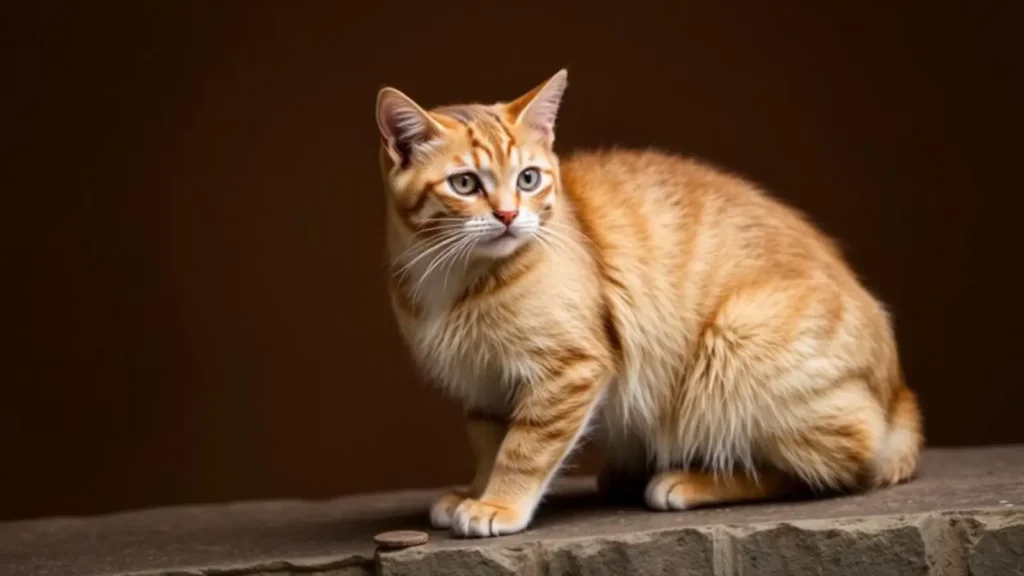
At its core, cat symbolism reflects qualities people have long observed in cats themselves.
Cats are:
- Independent yet affectionate
- Observant and patient
- Agile and adaptable
- Curious explorers
- Quiet but powerful
- Protective hunters
- Graceful and balanced
Because symbolism often develops from real-world observation, these natural behaviors gradually evolved into powerful cultural symbols.
Unlike many animals associated with obedience or strength alone, cats symbolize the balance between freedom and companionship.
Why Cat Symbolism Remains Important Today
Quick Answer
Cat symbolism continues to matter because it influences culture, branding, storytelling, spirituality, psychology, and digital communication.
Today cats appear in:
- Company logos
- Fashion
- Social media
- Literature
- Films
- Animation
- Religious artwork
- Interior design
- Tattoos
- Personal identity
Modern audiences often associate cats with confidence, independence, elegance, intelligence, curiosity, and emotional resilience.
The Historical Origins of Cat Symbolism
Human relationships with cats began thousands of years ago after wildcats started living near agricultural settlements, helping control rodents.
As civilizations developed, people’s appreciation of cats expanded beyond practical usefulness.
Historical developments included:
Ancient Egypt
Cats became sacred animals associated with:
- Protection
- Fertility
- Motherhood
- Home
- Divine guardianship
Killing a cat was considered a serious offense in ancient Egyptian society because cats were deeply respected.
Ancient Greece
Greek traditions often linked cats with cleverness, independence, and adaptability.
Ancient Rome
Romans admired cats for:
- Freedom
- Household protection
- Hunting ability
Cats gradually replaced other rodent hunters due to their effectiveness.
Medieval Europe
During portions of the Middle Ages, symbolic meanings shifted dramatically.
Some communities connected black cats with:
- Witchcraft
- Superstition
- Bad luck
However, these beliefs varied significantly by region and historical period.
How Cat Symbolism Developed Over Time
Symbolism rarely appears overnight.
Cat symbolism evolved through:
- Daily observation
- Religious traditions
- Folklore
- Oral storytelling
- Artistic expression
- Mythology
- Cultural values
- Historical experiences
Each generation added new interpretations while preserving older meanings.
Core Symbolic Meanings of Cats
1. Independence
Cats comfortably spend time alone while maintaining close relationships.
This balance symbolizes:
- Personal freedom
- Self-confidence
- Individual thinking
- Healthy boundaries
2. Intuition
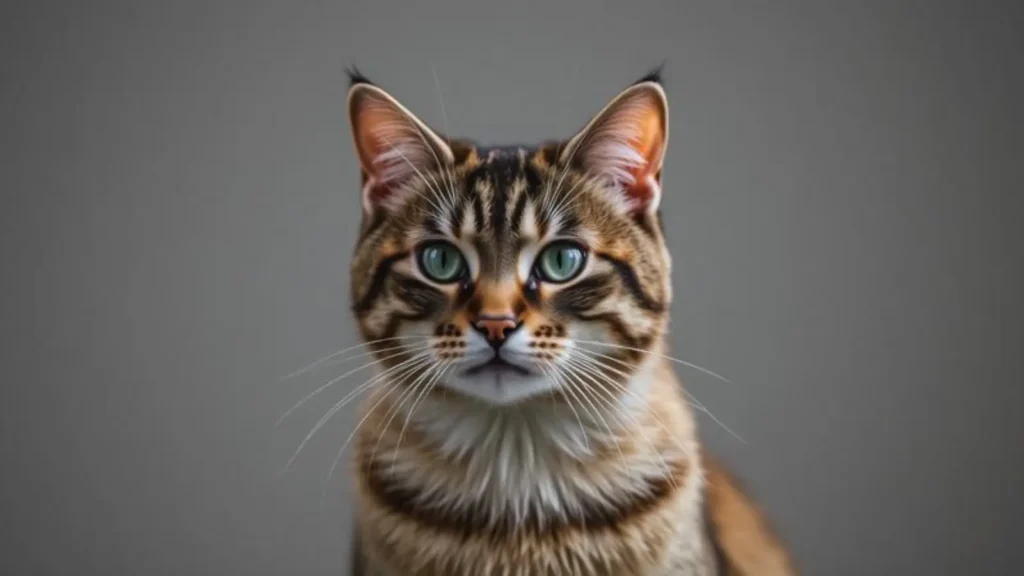
Cats appear highly aware of subtle environmental changes.
This has led many traditions to associate them with:
- Inner wisdom
- Instinct
- Emotional intelligence
- Awareness
3. Mystery
Cats often move quietly and remain difficult to predict.
Their mysterious behavior has inspired symbolism related to:
- Secrets
- Hidden knowledge
- The unknown
- Spiritual exploration
4. Protection
Historically, cats protected grain stores from rodents.
Symbolically this expanded into:
- Home protection
- Guardian energy
- Family safety
- Emotional security
5. Curiosity
The popular saying “curiosity killed the cat” reflects one of their defining traits.
Positive symbolic meanings include:
- Learning
- Exploration
- Discovery
- Innovation
6. Adaptability
Cats thrive in diverse environments.
Therefore they symbolize:
- Flexibility
- Survival
- Resilience
- Personal growth
Cat Symbolism Across Different Cultures
| Culture | Common Symbolic Meaning | Historical Context |
| Ancient Egypt | Protection, divinity, motherhood | Sacred status and temple worship |
| Japan | Fortune, prosperity, welcome | Lucky cat traditions |
| China | Longevity, peace, protection | Household symbolism |
| Celtic traditions | Mystery, guardianship | Folklore and magical stories |
| Medieval Europe | Mixed symbolism | Superstition alongside practical value |
| Modern Western culture | Independence, elegance, curiosity | Popular media and pet companionship |
Although similarities exist, symbolic meanings differ according to each culture’s history and traditions.
Cat Symbolism in Mythology
Cats appear in numerous mythological traditions.
Common themes include:
- Guardians of sacred places
- Companions of deities
- Protectors against evil
- Guides between worlds
- Symbols of wisdom
These myths emphasize that symbolism often reflects cultural beliefs rather than historical fact.
Spiritual Meaning of Cats
Quick Answer
Spiritually, cats often symbolize intuition, awareness, transformation, protection, and personal independence.
Many spiritual traditions believe cats encourage individuals to:
- Trust intuition
- Observe carefully
- Maintain emotional balance
- Respect personal space
- Remain adaptable
These interpretations belong to spiritual traditions and should not be viewed as scientifically established facts.
Religious Interpretations of Cat Symbolism
Religious views vary considerably.
Some traditions appreciate cats for:
- Cleanliness
- Grace
- Practical usefulness
Others place little symbolic emphasis on cats.
Rather than assigning one universal religious meaning, it is more accurate to recognize that interpretations differ among cultures, denominations, and historical periods.
Psychological Meaning of Cat Symbolism
Psychologists generally study symbolism as part of human perception, storytelling, and cultural association rather than assigning universal meanings.
From a psychological perspective, cats often represent:
- Autonomy
- Confidence
- Emotional regulation
- Observation
- Personal identity
People may project personal experiences onto animal symbols, which explains why symbolic meanings vary widely.
Cat Symbolism in Dreams
Dream interpretation depends heavily on personal context.
Common symbolic themes include:
| Dream Scenario | Possible Symbolic Interpretation |
| Friendly cat | Trust, comfort, intuition |
| Lost cat | Independence or uncertainty |
| Protective cat | Emotional security |
| Curious kitten | New opportunities |
| Aggressive cat | Personal conflict or boundaries |
Dream interpretations are symbolic traditions rather than scientifically verified predictions.
Cat Symbolism in Literature
Authors frequently use cats to represent:
- Independence
- Intelligence
- Hidden motives
- Elegance
- Supernatural mystery
- Observation
Cats often function as supporting symbols that reveal important aspects of a character or setting without requiring lengthy explanation.
Cat Symbolism in Art
Artists have depicted cats across countless artistic styles.
Examples include:
- Ancient sculpture
- Temple carvings
- Renaissance paintings
- Modern illustration
- Digital art
- Street murals
- Photography
Visual artists often use cats to communicate elegance, mystery, movement, balance, and personality.
Cat Symbolism in Folklore

Folklore presents some of the richest symbolic interpretations.
Stories portray cats as:
- Protectors
- Tricksters
- Guides
- Lucky companions
- Magical creatures
- Guardians of hidden knowledge
Because folklore changes over generations, no single interpretation applies universally.
Cat Symbolism in Branding and Design
Modern branding frequently incorporates cats because they communicate recognizable personality traits.
Brands may choose cat imagery to suggest:
- Confidence
- Precision
- Agility
- Luxury
- Intelligence
- Sophistication
- Curiosity
Designers carefully consider cultural context before selecting animal symbols since meanings differ internationally.
Cat Symbolism in Popular Culture
Today’s media has expanded cat symbolism even further.
Cats appear in:
- Movies
- Television
- Video games
- Comics
- Internet memes
- Social media
- Children’s books
- Animation
Modern audiences often associate cats with humor, confidence, charm, and individuality.
Cat Symbolism in Tattoos
Cat tattoos commonly represent:
- Personal freedom
- Independence
- Family protection
- Spiritual growth
- Curiosity
- Mystery
- Resilience
The specific symbolism depends on artistic style, cultural background, and personal meaning.
Color Symbolism of Cats
| Cat Color | Common Symbolic Association |
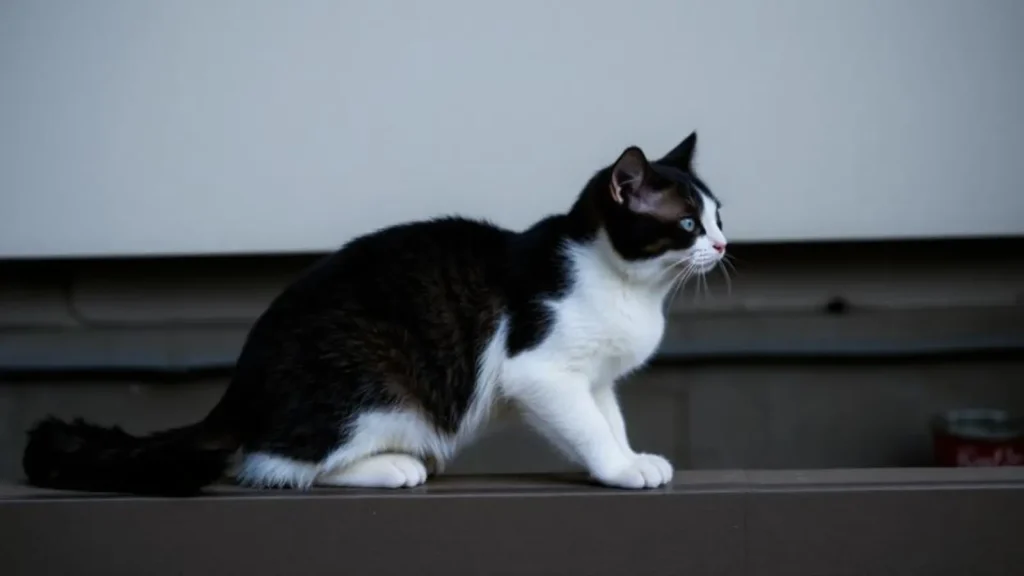
| Black | Mystery, protection, transformation (varies culturally) |
| White | Purity, peace, balance |
| Gray | Wisdom, neutrality |
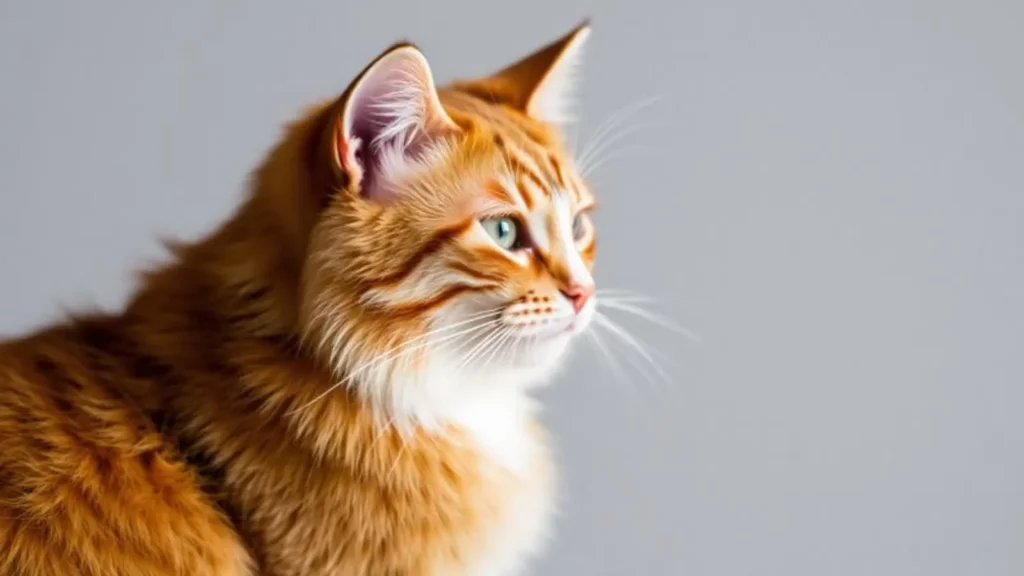
| Orange | Energy, warmth, confidence |
| Calico | Good fortune in some traditions |
| Tortoiseshell | Individuality and resilience |
Color symbolism is highly dependent on cultural traditions and should not be interpreted as universal.
Did You Know?
Cats possess exceptional balance thanks to their flexible spine and specialized inner-ear balance system. Their remarkable agility likely contributed to symbolic associations with grace, precision, and adaptability across many cultures.
Expert Tip
When interpreting cat symbolism, always consider:
- Historical period
- Geographic region
- Religious tradition
- Artistic context
- Personal experience
Symbols rarely have one fixed meaning.
Myth vs. Fact
| Myth | Fact |
| Cats always symbolize bad luck. | Symbolic meanings vary greatly between cultures. |
| Black cats are universally unlucky. | Many cultures associate black cats with protection or good fortune. |
| Cat symbolism is purely spiritual. | It also reflects psychology, history, art, and cultural observation. |
| Every culture interprets cats the same way. | Symbolic meanings change across regions and historical periods. |
Common Mistakes When Interpreting Cat Symbolism
Many people misunderstand symbolism by assuming universal meanings.
Avoid these common mistakes:
- Treating folklore as historical evidence.
- Assuming all spiritual beliefs are scientifically supported.
- Ignoring cultural differences.
- Overlooking historical context.
- Believing one interpretation applies everywhere.
Balanced interpretation produces a more accurate understanding.
Practical Applications of Cat Symbolism
Cat symbolism has practical uses beyond mythology.
Applications include:
Branding
Businesses may use cat imagery to express elegance, intelligence, agility, or confidence.
Education
Teachers use animal symbolism to explain literature, mythology, and cultural studies.
Storytelling
Authors employ cats to communicate character traits without lengthy descriptions.
Graphic Design
Designers incorporate feline imagery into logos, illustrations, packaging, and advertising.
Personal Growth
Some individuals use symbolic interpretations as tools for reflection, journaling, or creative inspiration rather than literal guidance.
Key Insights
- Cat symbolism has evolved over thousands of years.
- Meanings differ between cultures and historical periods.
- Independence and intuition remain among the most common symbolic themes.
- Spiritual interpretations should be distinguished from scientific evidence.
- Modern branding and media continue to reinforce traditional symbolic associations.
- Context determines meaning more than the symbol alone.
Why Cat Symbolism Continues to Influence Society
Humans naturally communicate through symbols.
Cats remain powerful symbols because they combine familiar everyday experiences with qualities people admire:
- Grace
- Intelligence
- Observation
- Adaptability
- Emotional independence
- Curiosity
These characteristics make cats meaningful across literature, psychology, design, education, religion, mythology, and visual communication.
As societies evolve, cat symbolism also evolves, gaining new meanings while preserving ancient traditions.
Frequently Asked Questions
What is the symbolic meaning of a cat?
Cats commonly symbolize independence, intuition, mystery, curiosity, adaptability, protection, and emotional balance. However, interpretations differ according to cultural traditions, historical context, and individual beliefs.
Why were cats sacred in ancient civilizations?
In some ancient societies, particularly Egypt, cats protected food supplies by controlling rodents and gradually became associated with protection, motherhood, domestic harmony, and divine guardianship. Their symbolic importance developed through both practical usefulness and religious traditions.
What do black cats symbolize?
Black cats carry different symbolic meanings around the world. Some traditions associate them with mystery or superstition, while others view them as symbols of protection, prosperity, or good fortune. There is no universal interpretation.
Is cat symbolism based on science?
No. Symbolism is primarily a cultural and psychological concept. While scientific research explains feline behavior and human perception, symbolic meanings arise from history, folklore, religion, art, and shared cultural narratives rather than scientific proof.
Why are cats frequently used in literature and art?
Cats provide rich symbolic possibilities because they naturally embody independence, elegance, mystery, intelligence, and observation. Writers and artists use these associations to communicate ideas, emotions, and character traits efficiently.
Conclusion
Cat symbolism has endured for thousands of years because it reflects both the observable qualities of cats and the evolving beliefs of human societies.
Across mythology, religion, folklore, psychology, literature, art, branding, and modern media, cats have come to represent independence, intuition, adaptability, protection, curiosity, and mystery.
While interpretations vary across cultures and historical contexts, their symbolic power remains remarkably resilient.
Understanding cat symbolism encourages a deeper appreciation of how humans use animals to communicate values, identity, emotions, and cultural traditions.
Whether encountered in a sacred text, a novel, a painting, a logo, or a household companion, the symbolic cat continues to remind us that meaning is shaped by context, history, and human imagination.

Nathaniel Brooks analyzes symbols, their origins, cultural importance, and psychological impact across history and modern society.
