Crows have fascinated humanity for thousands of years. Intelligent, adaptable, and mysterious, these birds appear in myths, religious traditions, folklore, literature, and modern storytelling across nearly every continent.
Crow symbolism extends far beyond common superstitions. Depending on cultural context, a crow may represent wisdom, transformation, death, prophecy, intelligence, communication, protection, or renewal.
Today, understanding crow symbolism helps us appreciate how humans assign meaning to nature. Artists, writers, psychologists, designers, educators, and spiritual practitioners continue to use crow imagery because it evokes powerful emotional and cultural associations that remain relevant in the modern world.
What Does Crow Symbolism Mean?
Crow symbolism generally represents intelligence, transformation, adaptability, mystery, communication, and the connection between life and change.
While some cultures associate crows with death or bad luck, many traditions view them as wise messengers, protectors, guides, or symbols of insight, resilience, and spiritual awareness.
Understanding Crow Symbolism

Quick Answer
Crow symbolism is not defined by one universal meaning. Instead, it reflects how different societies interpret the bird’s remarkable intelligence, black feathers, social behavior, problem-solving abilities, and presence around human settlements.
Some of the most common symbolic meanings include:
- Wisdom
- Intelligence
- Transformation
- Mystery
- Adaptability
- Change
- Communication
- Opportunity
- Observation
- Spiritual guidance
- Memory
- Protection
- Resourcefulness
- Balance between endings and beginnings
The same crow that symbolizes misfortune in one culture may symbolize divine guidance or ancestral protection in another.
Why Are Crows So Symbolically Powerful?
Direct Answer
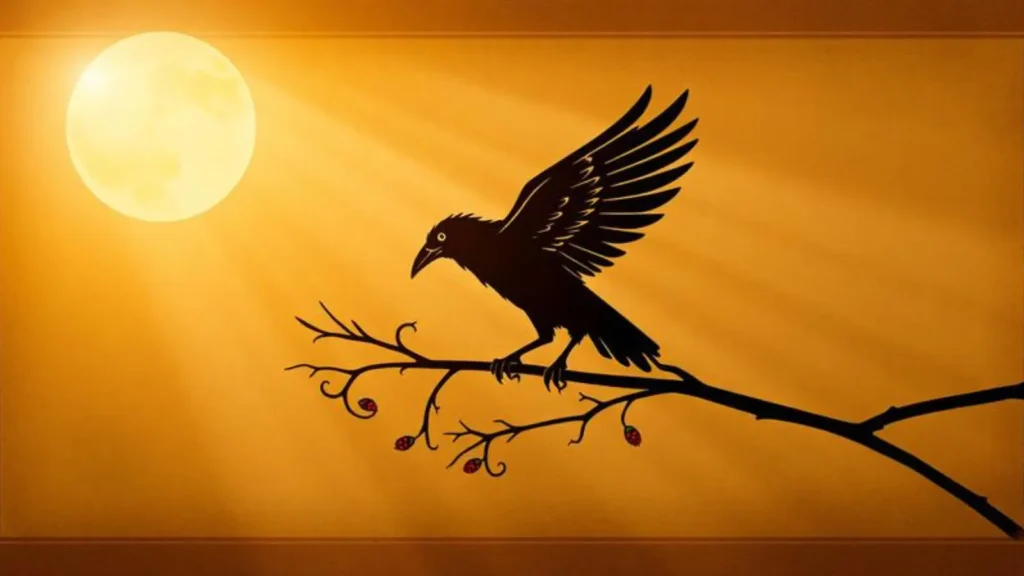
Crows became powerful symbols because they display unusually intelligent behavior, adapt to diverse environments, communicate effectively, and have long lived alongside humans.
Several characteristics contribute to their symbolic importance:
- Exceptional memory
- Advanced problem-solving abilities
- Tool use
- Cooperative social behavior
- Loud vocal communication
- Dark appearance
- Ability to thrive in changing environments
- Presence in both rural and urban settings
These observable traits inspired countless symbolic interpretations over centuries.
Historical Origins of Crow Symbolism
Humans have lived alongside crows since prehistoric times.
Early agricultural societies noticed that crows:
- Followed human activity
- Gathered near battlefields
- Appeared after storms
- Consumed crops
- Removed carrion
- Warned each other about danger
Ancient observers interpreted these behaviors through religion, mythology, and folklore.
As civilizations developed, crows appeared in:
- Oral traditions
- Sacred texts
- Ancient artwork
- Royal emblems
- Tribal stories
- Poetry
- Epic literature
Because symbolic meaning grows from observation, crow symbolism evolved differently across cultures.
Core Symbolic Meanings of Crows
1. Intelligence
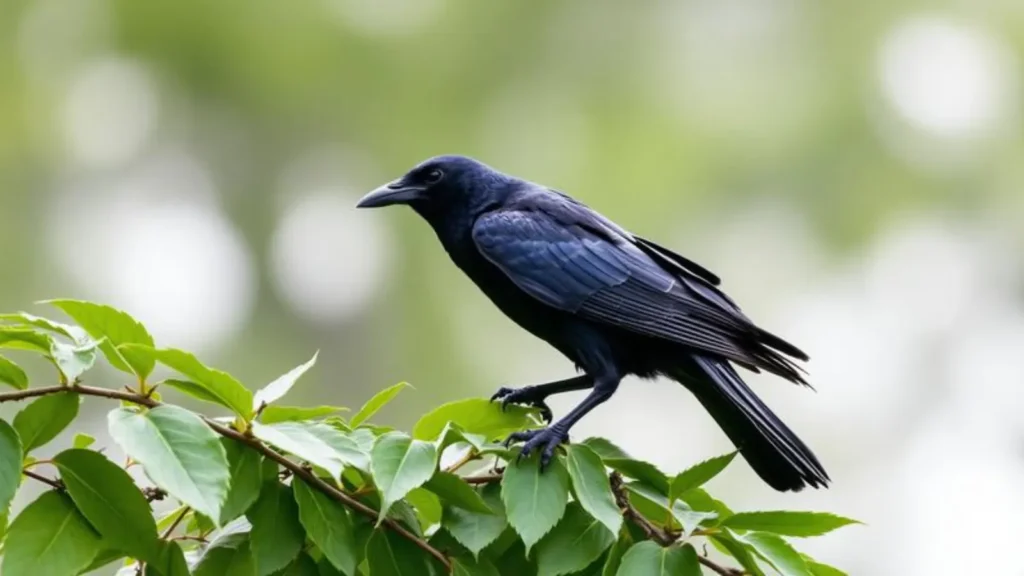
Modern scientific research confirms that crows are among the world’s most intelligent birds.
Symbolically this represents:
- Critical thinking
- Learning
- Innovation
- Curiosity
- Cleverness
People often associate crow imagery with solving difficult problems.
2. Transformation
Perhaps the most widespread symbolic meaning is transformation.
The crow often represents:
- Personal growth
- Major life changes
- Reinvention
- Emotional evolution
- New beginnings after endings
Unlike simple change, transformation suggests meaningful inner development.
3. Mystery
The crow’s dark feathers and cautious behavior contribute to its mysterious reputation.
This symbolism includes:
- Hidden knowledge
- Secrets
- The unknown
- Intuition
- Exploration beyond appearances
Mystery does not necessarily imply danger—it often encourages curiosity.
4. Adaptability
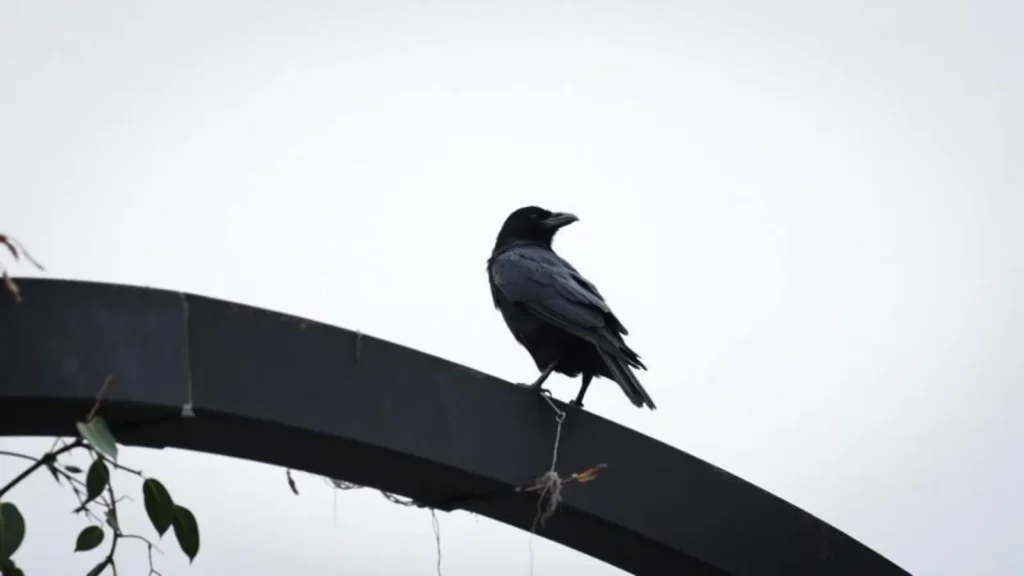
Crows thrive in forests, deserts, mountains, farms, suburbs, and cities.
Because of this, they symbolize:
- Flexibility
- Survival
- Innovation
- Resilience
- Practical intelligence
Their success reminds people that adaptation often matters more than strength.
5. Communication
Crows use numerous vocalizations and complex social interactions.
Symbolically this represents:
- Honest communication
- Community
- Teamwork
- Information sharing
- Awareness
Crow Symbolism Across Different Cultures
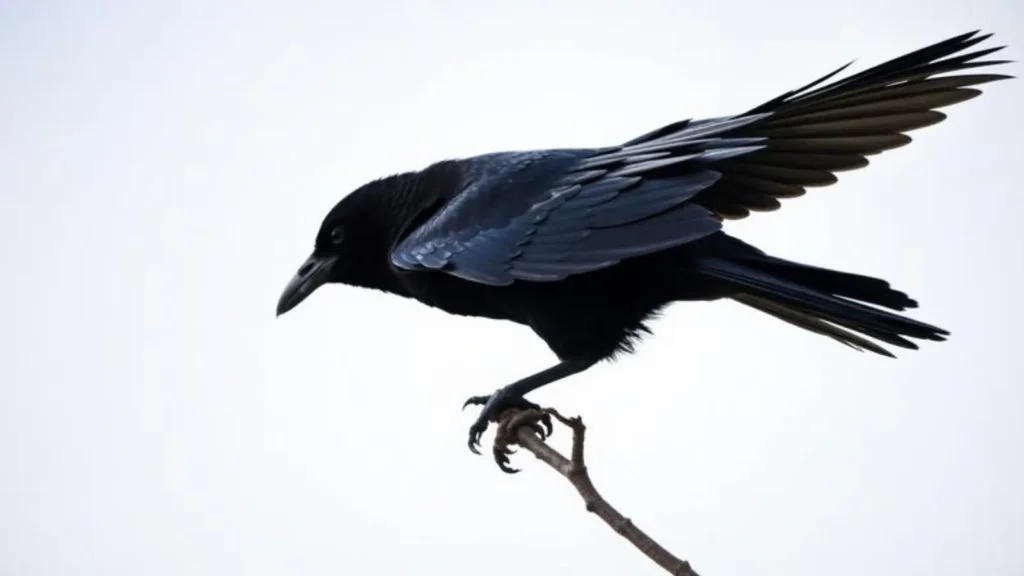
| Culture | Common Symbolic Meaning | General Interpretation |
| Native American traditions | Wisdom, creator, messenger | Often positive, though meanings vary among nations |
| Celtic traditions | Prophecy, warfare, sovereignty | Connected with powerful deities and fate |
| Norse culture | Knowledge and observation | Intelligence and awareness through divine messengers |
| Japanese traditions | Guidance and divine assistance | Frequently viewed positively |
| Chinese culture | Family devotion, the sun, perseverance | Symbolism varies across historical periods |
| Hindu traditions | Ancestors and remembrance | Linked with honoring deceased family members |
| Ancient Greek traditions | Prophecy and divine communication | Connected with divine messages |
| Medieval Europe | Death and omens | Often influenced by plague and battlefield imagery |
Crow Symbolism in Native American Traditions
Many Indigenous nations view crows differently from one another.
Depending on the tradition, crows may symbolize:
- Wisdom
- Law
- Sacred knowledge
- Creation
- Balance
- Transformation
Some stories portray the crow as a teacher.
Others present it as a trickster whose lessons encourage growth through experience.
There is no single Native American interpretation because hundreds of Indigenous cultures maintain distinct traditions.
Crow Symbolism in Celtic Mythology
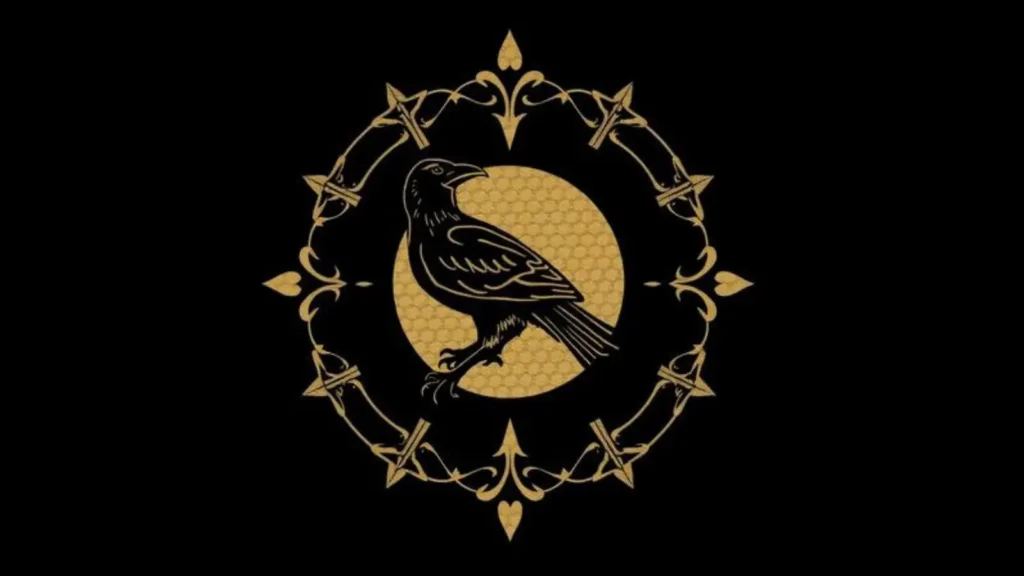
In Celtic traditions, crows frequently appear alongside themes of:
- Battle
- Destiny
- Prophecy
- Protection
- Sovereignty
Rather than symbolizing simple destruction, the crow often reflects the transition between one stage of life and another.
Crow Symbolism in Norse Tradition
Norse mythology strongly associates ravens rather than crows with divine wisdom, particularly as companions of the god Odin. However, crows are often interpreted alongside ravens in later folklore because both belong to the corvid family.
Common symbolic ideas include:
- Observation
- Intelligence
- Memory
- Knowledge gathering
Crow Symbolism in Hindu Tradition
In many Hindu customs, crows hold symbolic connections with:
- Ancestors
- Respect
- Family remembrance
- Spiritual continuity
During certain rituals, feeding crows represents honoring departed family members.
These meanings arise from religious tradition rather than scientific evidence.
Crow Symbolism in East Asian Culture
Across East Asia, crow symbolism is diverse.
Examples include:
- Guidance
- Family loyalty
- Determination
- Divine assistance
- Solar symbolism in ancient mythology
Modern interpretations continue to vary by country and local tradition.
Psychological Meaning of Crow Symbolism
Direct Answer
Psychologically, crows often symbolize awareness, adaptability, curiosity, and the ability to face uncertainty with intelligence rather than fear.
Modern psychology explains symbolism through human perception rather than supernatural claims.
People often project symbolic meaning onto animals because they:
- Recognize patterns
- Build narratives
- Interpret behavior emotionally
- Learn through metaphor
Thus, a crow may remind someone to become more observant, adaptable, or thoughtful.
Spiritual Interpretations of Crow Symbolism
Many spiritual traditions interpret crows as symbols of:
- Personal awakening
- Inner wisdom
- Guidance
- Reflection
- Transformation
It is important to distinguish symbolic belief from objective fact.
Spiritual interpretations depend on:
- Personal faith
- Cultural heritage
- Religious tradition
- Individual experience
There is no universal spiritual meaning accepted by everyone.
Religious Connections
Different religions interpret crows differently.
Examples include:
Hinduism
Connection with ancestors and remembrance.
Buddhism
Some stories portray birds as reminders of mindfulness and impermanence.
Christianity
Biblical references include crows and ravens in various contexts, often emphasizing God’s provision, survival, or moral lessons rather than assigning one fixed symbolic meaning.
Shinto
Certain crow figures serve as divine guides in Japanese tradition.
Crow Symbolism in Literature
Writers frequently use crows to represent:
- Foreshadowing
- Mystery
- Intelligence
- Isolation
- Memory
- Change
- Moral ambiguity
Because symbolism is flexible, the same crow may represent hope in one story and fear in another.
Context determines meaning.
Crow Symbolism in Art
Artists use crow imagery because it creates immediate emotional impact.
Visual symbolism often communicates:
- Contrast
- Mystery
- Solitude
- Nature
- Survival
- Observation
Modern painters, photographers, tattoo artists, and illustrators continue using crow imagery for these reasons.
Crow Symbolism in Branding and Design
Businesses sometimes incorporate crow-inspired symbolism to communicate:
- Intelligence
- Innovation
- Strategy
- Adaptability
- Independence
- Vision
In logo design, black birds often create memorable visual identities because they are simple, recognizable, and emotionally powerful.
Crow Symbolism in Storytelling
Storytellers frequently assign crows the role of:
- Messenger
- Observer
- Guide
- Trickster
- Survivor
- Witness
These roles help audiences understand characters undergoing transformation.
Color Psychology and the Crow
The crow’s black plumage contributes significantly to its symbolism.
Black commonly represents:
- Elegance
- Mystery
- Authority
- Reflection
- Sophistication
- Depth
However, color meanings differ across cultures.
In some societies black symbolizes mourning.
Elsewhere it symbolizes dignity or strength.
Semiotics: Why Crow Symbols Communicate So Effectively
Semiotics studies how symbols create meaning.
A crow functions as a visual sign because people already associate it with numerous ideas.
Depending on context, one crow image may suggest:
- Intelligence
- Warning
- Change
- Curiosity
- Independence
- Memory
Meaning emerges through culture rather than the bird alone.
Practical Applications of Crow Symbolism
Crow symbolism appears in many real-world settings.
| Field | Practical Use |
| Branding | Intelligence and innovation |
| Literature | Character development |
| Education | Cultural studies |
| Psychology | Symbolic reflection |
| Art | Visual storytelling |
| Film | Mood creation |
| Tattoos | Personal transformation |
| Marketing | Memorable visual identity |
| Game Design | Mystery and exploration |
Did You Know?
- Crows can recognize individual human faces.
- They are known to solve multi-step problems.
- Some species use tools to obtain food.
- Crows can remember locations for long periods.
- Many crow species live in highly organized social groups.
These remarkable behaviors contribute to their enduring symbolic reputation for intelligence.
Expert Tip
When interpreting crow symbolism, always consider:
- Cultural background
- Historical period
- Religious tradition
- Artistic context
- Personal perspective
No single explanation applies universally.
Myth vs. Fact
| Myth | Fact |
| Seeing a crow always means bad luck. | Symbolic meanings vary widely across cultures. |
| Crows symbolize only death. | They also symbolize wisdom, intelligence, renewal, and adaptability. |
| Crow symbolism has one universal interpretation. | Meanings differ by history, religion, and tradition. |
| All black birds have identical symbolism. | Different species carry distinct cultural associations. |
Common Mistakes When Interpreting Crow Symbolism
Assuming One Universal Meaning
Context always matters.
Ignoring Cultural Differences
A positive symbol in one society may carry different associations elsewhere.
Confusing Crows with Ravens
Although closely related, crows and ravens have distinct appearances, behaviors, and symbolic traditions.
Treating Symbolism as Scientific Fact
Symbolic interpretations reflect cultural, literary, or spiritual beliefs rather than empirical proof.
Key Insights
- Crow symbolism is culturally diverse.
- Intelligence remains one of the most consistent symbolic themes.
- Transformation often represents personal growth rather than literal change.
- Historical context shapes symbolic interpretation.
- Modern psychology explains symbolism through perception and metaphor.
- Contemporary branding still uses crow imagery to express innovation and resilience.
Why Crow Symbolism Still Matters Today
In today’s interconnected world, symbols influence communication more than ever.
Crow imagery appears in:
- Corporate branding
- Films
- Video games
- Tattoos
- Social media
- Digital art
- Educational materials
- Literature
- Environmental campaigns
Because symbols communicate instantly, understanding crow symbolism improves visual literacy and cross-cultural communication.
Conclusion
Crow symbolism has evolved over thousands of years into one of humanity’s richest and most adaptable symbolic traditions. While some cultures associate crows with mystery, death, or prophecy, many others celebrate them as emblems of intelligence, resilience, guidance, transformation, and wisdom.
Their remarkable real-world behavior problem-solving, cooperation, adaptability, and memory has inspired symbolic meanings that continue to resonate in art, literature, religion, psychology, branding, and everyday communication.
Rather than accepting a single interpretation, the most meaningful approach is to consider the historical, cultural, and personal context in which the symbol appears.
By doing so, we gain a deeper appreciation of how crow symbolism reflects both the natural world and the diverse ways humans create meaning through stories, beliefs, and shared experiences.

Amelia Rosewood writes about symbolic meanings, ancient traditions, and the emotional connections between humans and symbols.
