Few flowers carry as much quiet elegance and emotional depth as the lily of the valley. With its tiny white bell-shaped blossoms and sweet fragrance, this woodland flower has inspired poets, artists, religious traditions, royalty, and gardeners for centuries.
While its appearance is delicate, lily of the valley symbolism reflects powerful ideas about hope, renewal, humility, purity, love, resilience, and new beginnings.
Across different cultures and historical periods, the flower has represented everything from divine grace and spiritual rebirth to romantic devotion and good fortune.
Today, it remains one of the world’s most meaningful flowers, appearing in weddings, religious ceremonies, luxury branding, fine art, literature, and seasonal celebrations.
Understanding lily of the valley symbolism offers more than botanical knowledge—it reveals how people use flowers to communicate emotions, preserve traditions, and express values that words alone sometimes cannot capture.
Featured Snippet: What Does Lily of the Valley Symbolize?
Lily of the valley symbolizes purity, humility, renewal, happiness, hope, and enduring love. Across many cultures, it represents new beginnings, spiritual grace, and the return of joy after hardship. Its delicate white flowers and spring bloom have made it a timeless symbol of innocence, resilience, and faithful devotion.
What Is Lily of the Valley Symbolism?
Quick Answer
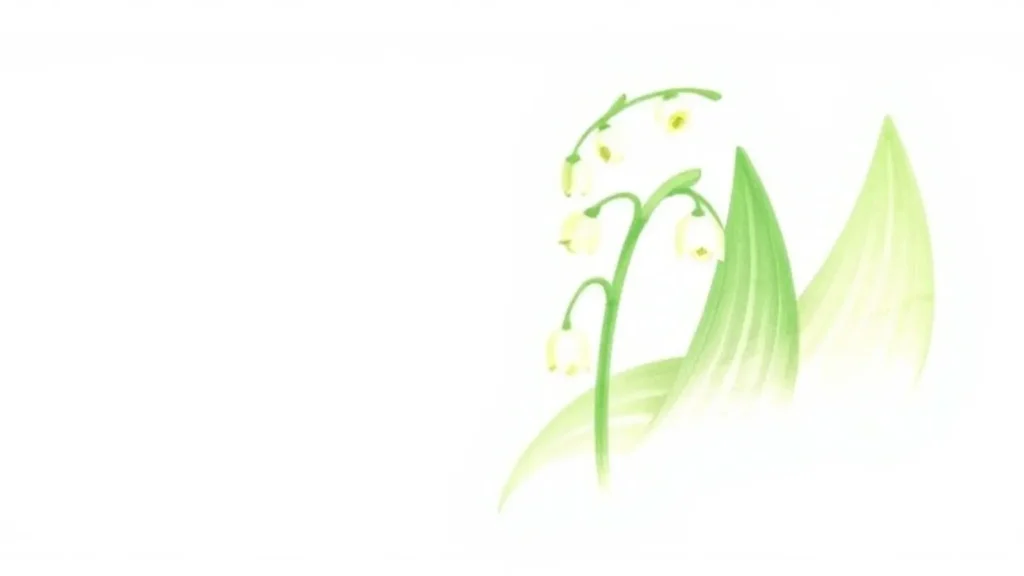
Lily of the valley symbolism centers on positive transformation. Although the flower appears fragile, it emerges each spring after winter, making it a natural representation of resilience, fresh starts, and hope.
Its symbolic meanings commonly include:
- Purity
- Innocence
- Humility
- Renewal
- Happiness
- Everlasting love
- Faithfulness
- Good fortune
- Spiritual awakening
- Peace
Unlike flowers that symbolize dramatic passion, lily of the valley expresses quiet strength and gentle beauty.
The Historical Origins of Lily of the Valley Symbolism
Ancient Roots
Although lily of the valley grows naturally throughout Europe and parts of Asia, its symbolic importance developed gradually through folklore, religious traditions, and seasonal celebrations.
Early communities associated spring flowers with:
- Survival after winter
- Agricultural renewal
- Fertility
- Prosperity
- Nature’s rebirth
Because lily of the valley blooms during late spring, it naturally became linked with life’s renewal after difficult seasons.
Medieval Europe
During the Middle Ages, white flowers often represented moral virtues.
Lily of the valley became associated with:
- Modesty
- Chastity
- Inner beauty
- Spiritual purity
Its downward-facing blossoms were viewed as a visual symbol of humility rather than pride.
Renaissance Symbolism
Artists increasingly included lily of the valley in religious paintings.
Its appearance often communicated:
- Holiness
- Innocence
- Redemption
- Heavenly grace
Rather than serving merely as decoration, flowers functioned as symbolic language within artwork.
Core Symbolic Meanings of Lily of the Valley
1. Purity
Perhaps no meaning is more widely recognized.
The flower’s pristine white blossoms naturally evoke:
- Cleanliness
- Innocence
- Virtue
- Moral clarity
For this reason, lily of the valley remains popular in wedding bouquets.
2. Humility
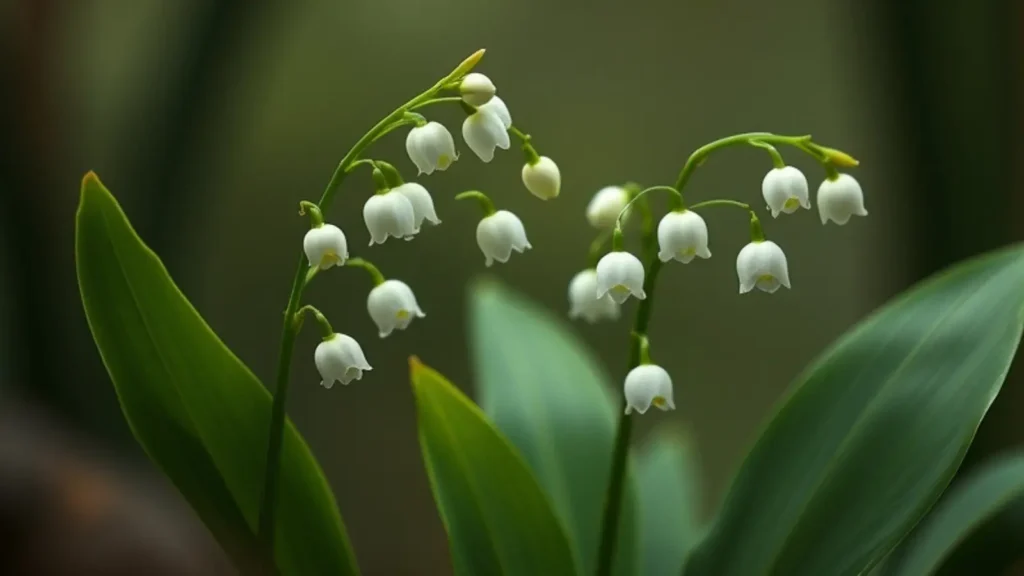
Unlike large, dramatic flowers, lily of the valley grows close to the ground.
Its small, nodding blossoms symbolize:
- Quiet confidence
- Modesty
- Selflessness
- Gentle character
Many cultures admire this understated elegance.
3. Renewal
Because it blooms every spring after harsh winters, the flower represents:
- Fresh beginnings
- Recovery
- Personal growth
- Emotional healing
This symbolism resonates with people experiencing life transitions.
4. Happiness Returning
One traditional interpretation describes the flower as representing “the return of happiness.”
This idea connects with:
- Hope after grief
- Joy after hardship
- Emotional renewal
- Better days ahead
5. Enduring Love
Unlike symbols of passionate romance, lily of the valley reflects:
- Faithful love
- Lifelong commitment
- Trust
- Devotion
Its symbolism emphasizes emotional depth rather than dramatic expression.
Cultural Interpretations Around the World
| Culture | Primary Symbolism | Traditional Context |
| Europe | Purity and renewal | Weddings, spring celebrations |
| France | Good luck and happiness | May Day traditions |
| Christianity | Humility and spiritual grace | Religious artwork |
| Victorian England | Return of happiness | Floriography (language of flowers) |
| Modern Western culture | New beginnings and love | Weddings and anniversaries |
Although meanings overlap, each tradition emphasizes different aspects of the flower’s symbolism.
Lily of the Valley in Christianity
Christian symbolism has given the flower particularly rich meaning.
It has been associated with:
- Humility before God
- Purity of heart
- Resurrection
- Hope
- Divine compassion
Some traditions connect it with the Virgin Mary because of its white blossoms and gentle appearance.
Other legends associate it with tears shed during moments of profound sorrow, symbolizing comfort and eventual renewal rather than despair.
It is important to recognize that these interpretations belong to religious tradition rather than established historical fact.
Psychological Meaning of Lily of the Valley
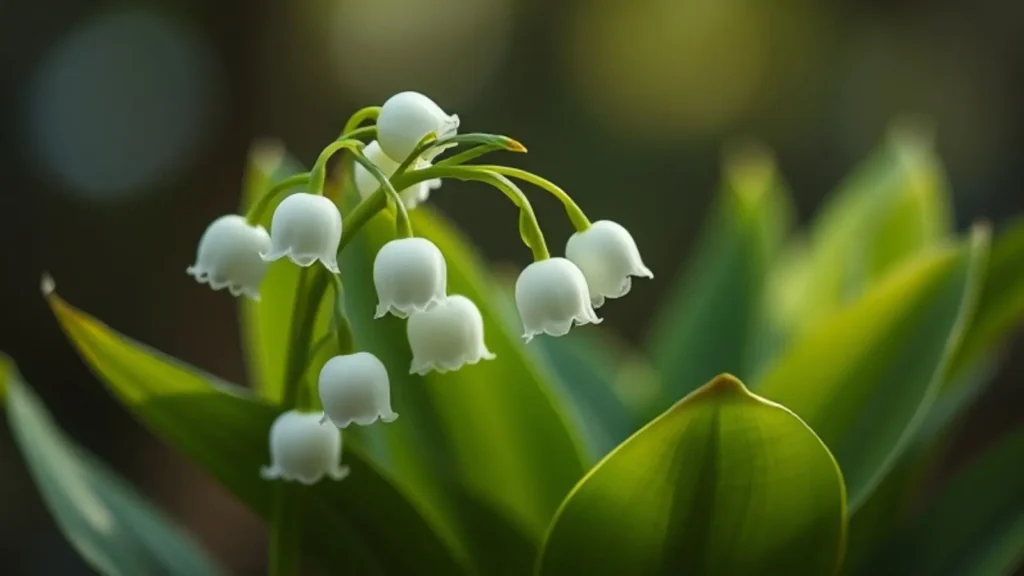
From the perspective of symbolism and psychology, flowers often communicate emotional ideas rather than scientific truths.
Lily of the valley may evoke feelings of:
- Calmness
- Trust
- Safety
- Simplicity
- Comfort
- Optimism
Its delicate appearance encourages reflection instead of excitement.
In visual communication, white flowers frequently support perceptions of honesty, sincerity, and emotional openness.
Color Psychology Behind Lily of the Valley
The flower’s white petals strengthen its symbolic message.
White commonly represents:
- Peace
- Simplicity
- Truth
- Innocence
- New beginnings
- Spiritual clarity
Combined with its graceful form, the overall impression becomes one of quiet optimism.
Did You Know?
Many royal wedding bouquets have featured lily of the valley because of its longstanding association with purity, faithful love, and a joyful future together.
Lily of the Valley in Literature
Writers frequently use lily of the valley to symbolize:
- Lost innocence
- Hope
- Fragility
- Hidden strength
- Faithful affection
Because symbolism depends on context, the same flower may represent youthful purity in one story and remembrance in another.
Literary symbolism always reflects the author’s intentions alongside broader cultural traditions.
Artistic Representation
Artists appreciate lily of the valley because it communicates meaning visually without requiring explanation.
Common artistic themes include:
- Spring landscapes
- Religious paintings
- Botanical illustration
- Romantic portraits
- Decorative arts
Its graceful curves create visual softness while reinforcing symbolic ideas of purity and renewal.
Lily of the Valley in Mythology and Folklore
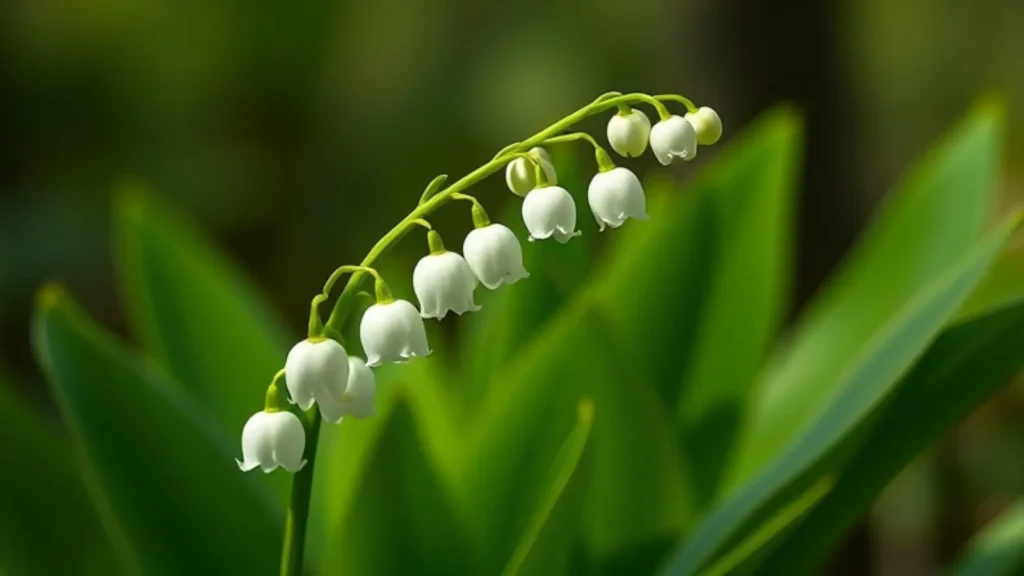
Across European folklore, numerous legends explain the flower’s origin.
Common themes include:
- Tears transforming into flowers
- Victory over darkness
- Nature’s rebirth
- Blessings arriving with spring
These stories differ between regions and should be understood as cultural traditions rather than historical events.
Victorian Language of Flowers
During the Victorian era, flowers became a symbolic communication system known as floriography.
Within this tradition, lily of the valley conveyed:
- “The return of happiness.”
- Faithful affection
- Sweetness
- Hope
- Trust
People often exchanged flowers to communicate feelings that social customs discouraged expressing openly.
Spiritual Interpretations
Many spiritual traditions—not limited to organized religion—view lily of the valley as representing:
- Personal transformation
- Emotional healing
- Inner peace
- Spiritual renewal
- Compassion
- Gratitude
These interpretations are symbolic beliefs rather than universally accepted spiritual facts.
Lily of the Valley in Weddings
Wedding florists frequently include the flower because it symbolizes:
- Pure love
- Lifelong partnership
- New beginnings
- Blessings
- Family happiness
Its fragrance also contributes to its popularity despite the flower’s small size.
Modern-Day Symbolism
Today, lily of the valley appears across many industries.
Branding
Luxury brands favor floral symbolism because it communicates:
- Elegance
- Sophistication
- Refinement
- Authenticity
Interior Design
Designers use floral motifs to create spaces that feel:
- Peaceful
- Fresh
- Natural
- Welcoming
Greeting Cards
The flower often appears on cards celebrating:
- Birthdays
- Mother’s Day
- Weddings
- Anniversaries
- Recovery
- New jobs
Social Media
Modern visual storytelling uses flower symbolism to express emotions through photographs, illustrations, and digital art.
Practical Applications of Lily of the Valley Symbolism
Understanding symbolism helps people communicate intentionally.
Practical uses include:
- Choosing meaningful wedding flowers
- Creating symbolic artwork
- Designing thoughtful gifts
- Building emotional branding
- Teaching literature
- Studying religious art
- Exploring folklore
- Understanding historical customs
Expert Tip
When interpreting flower symbolism, always consider historical context, culture, artistic purpose, and personal meaning. Symbols rarely have a single universal interpretation, and their significance often changes across regions and time periods.
Myth vs. Fact
| Myth | Fact |
| Lily of the valley always means romantic love. | It more commonly symbolizes purity, renewal, humility, and hope. |
| Every culture interprets it identically. | Symbolic meanings vary by tradition and historical context. |
| Flower symbolism is scientifically proven. | Symbolism reflects cultural traditions, literature, religion, and shared human interpretation rather than scientific evidence. |
| White flowers always represent innocence. | White often symbolizes purity, but meanings differ depending on context and culture. |
Common Mistakes When Interpreting Lily of the Valley Symbolism
Avoid these misconceptions:
- Assuming one meaning fits every culture.
- Confusing folklore with historical fact.
- Ignoring religious context.
- Treating symbolism as scientific evidence.
- Overlooking the influence of literature and art.
Balanced interpretation always considers context.
Comparing Lily of the Valley with Other Symbolic Flowers
| Flower | Primary Symbolism |
| Lily of the Valley | Purity, renewal, humility, hope |
| Rose | Love and passion |
| Lotus | Enlightenment and spiritual awakening |
| Sunflower | Optimism and loyalty |
| Lavender | Calmness and healing |
| Daisy | Innocence and simplicity |
| Cherry Blossom | Impermanence and beauty |
Each flower carries its own symbolic vocabulary shaped by history and culture.
Key Insights
- The flower’s symbolism has evolved over centuries.
- White blossoms reinforce themes of purity and innocence.
- Spring blooming supports meanings of renewal and hope.
- Religious traditions emphasize humility and grace.
- Literature expands symbolic possibilities.
- Modern branding uses the flower to communicate elegance and authenticity.
- Personal interpretation often complements traditional meanings.
Why Lily of the Valley Symbolism Still Matters Today
Modern society communicates visually more than ever.
Flowers continue to appear in:
- Brand identities
- Wedding ceremonies
- Social media
- Art
- Literature
- Education
- Religious celebrations
- Home décor
Understanding lily of the valley symbolism helps people appreciate how visual symbols communicate values, emotions, identity, and cultural heritage without relying solely on words.
Its enduring appeal lies in its ability to represent hope, quiet strength, and renewal—qualities that remain meaningful across generations.
Conclusion
Lily of the valley symbolism is a beautiful example of how nature becomes part of humanity’s shared symbolic language. Across centuries, this delicate spring flower has represented purity, humility, hope, faithful love, resilience, and the return of happiness.
While interpretations vary across cultures, religions, artistic traditions, and historical contexts, the flower consistently communicates positive transformation and gentle strength.
Whether admired in a woodland garden, carried in a wedding bouquet, painted in religious art, or referenced in literature, lily of the valley continues to remind us that profound meaning often comes in the simplest forms.
By understanding its symbolism, we gain deeper insight into cultural traditions, visual communication, storytelling, and the timeless human desire to express emotions through nature.

Lucas Whitmore reveals the hidden messages behind symbols, signs, and traditions through detailed symbolism guides.
