Introduction
Few animals have inspired as much fascination as the owl. Silent in flight, active under the cover of darkness, and gifted with extraordinary vision and hearing, the owl has become one of humanity’s most enduring symbols. Across civilizations, owl symbolism has represented wisdom, mystery, intuition, protection, transformation, death, knowledge, prophecy, and hidden truth.
Yet these meanings are far from universal. While one culture honors the owl as a guardian of intelligence, another may associate it with omens or the supernatural.
Understanding owl symbolism helps us appreciate how humans assign meaning to nature, build cultural identities, tell stories, design visual communication, and express spiritual beliefs.
Whether appearing in mythology, literature, religion, branding, architecture, education, or modern media, the owl continues to communicate powerful ideas that resonate across generations.
Featured Snippet: What Does Owl Symbolism Mean?
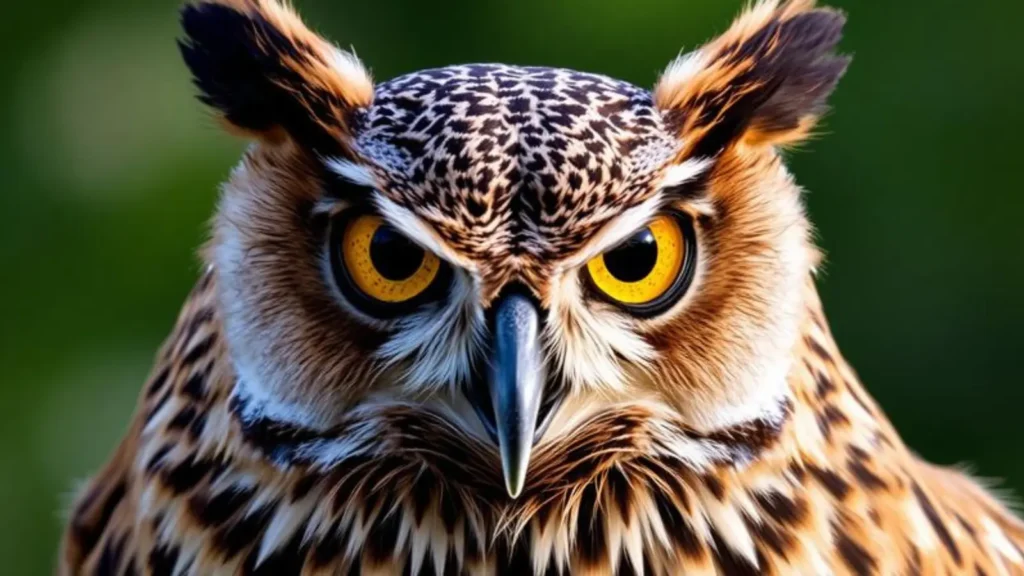
Owl symbolism generally represents wisdom, intuition, knowledge, mystery, perception, and the ability to see what others cannot. Depending on cultural, historical, and spiritual traditions, owls may also symbolize transformation, protection, death, guidance, prophecy, or hidden truth. Their meaning varies significantly across societies and belief systems.
What Is Owl Symbolism?
Quick Answer
Owl symbolism refers to the meanings people associate with owls based on their behavior, appearance, mythology, religion, folklore, psychology, and cultural traditions.
Unlike literal biology, symbolism reflects human interpretation. Owls became symbolic because they possess characteristics that naturally inspire meaning:
- Exceptional night vision
- Silent flight
- Keen observation
- Solitary behavior
- Nocturnal lifestyle
- Remarkable hearing
- Calm and patient hunting
These observable traits encouraged societies to connect owls with intelligence, mystery, foresight, and unseen knowledge.
Why Owls Became Powerful Symbols
Throughout history, humans have looked to animals as reflections of important human qualities.
Owls naturally stood out because they could:
- Navigate darkness
- Detect hidden movement
- Hunt with extraordinary precision
- Remain calm and observant
- Appear unexpectedly in silence
These behaviors became metaphors for:
- Inner wisdom
- Deep thinking
- Insight
- Spiritual awareness
- Hidden knowledge
- Patience
- Careful decision-making
Rather than representing only one idea, owls evolved into multi-layered cultural symbols.
Historical Origins of Owl Symbolism
Human fascination with owls stretches back thousands of years.
Ancient societies frequently encountered owls near forests, ruins, farms, and settlements. Their unusual habits inspired myths, stories, and religious interpretations.
Historical developments include:
Ancient Greece
The owl became closely connected with wisdom because of its association with Athena, the goddess of wisdom, strategy, and learning.
Ancient Rome
Romans respected the owl’s intelligence but sometimes viewed its appearance as a warning before major political events.
Ancient Egypt
Owls represented darkness, protection of the night, and hidden knowledge.
Indigenous Traditions
Many Indigenous cultures viewed owls differently depending on regional beliefs. Some honored them as protectors, while others regarded them as spiritual messengers.
Medieval Europe
Owls became associated with mystery, solitude, hidden learning, and occasionally superstition because of their nocturnal nature.
Cultural Interpretations of Owl Symbolism
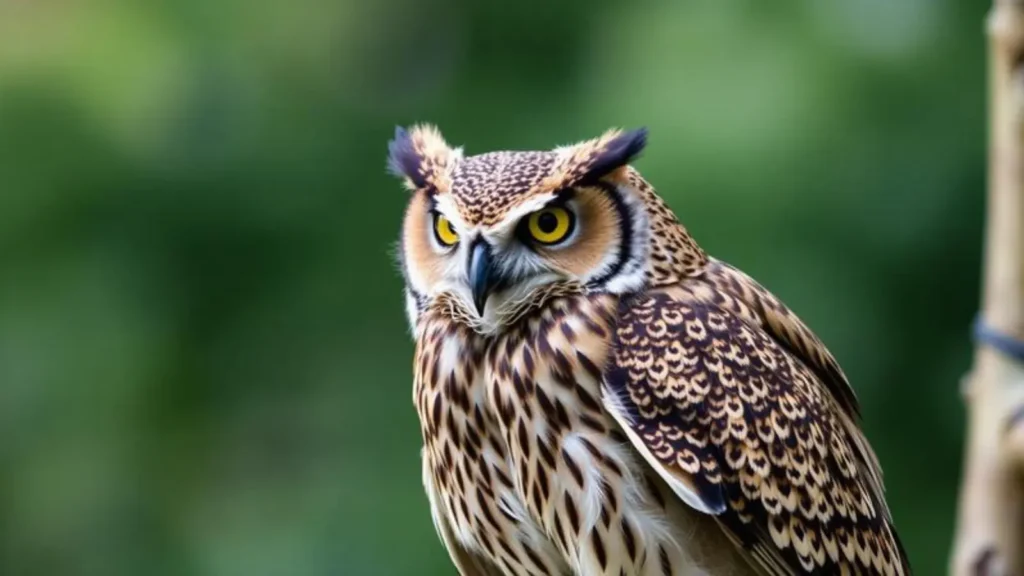
Symbolic meanings vary dramatically around the world.
| Culture | Common Owl Symbolism | Primary Interpretation |
| Ancient Greece | Wisdom | Intelligence and strategy |
| Ancient Rome | Omen | Warning or prophecy |
| Ancient Egypt | Night | Protection and mystery |
| Japan | Good fortune | Happiness and luck |
| India | Wealth (in some traditions) | Prosperity and wisdom |
| Native American traditions | Spiritual messenger | Varies by tribe |
| Celtic traditions | Hidden knowledge | Transformation |
| Medieval Europe | Mystery | Solitude and secrecy |
| Modern Western culture | Education | Intelligence and learning |
No single interpretation represents every culture.
Owl Symbolism in Mythology
Quick Answer
Mythology often portrays owls as guides between visible and invisible worlds.
Many myths describe owls as creatures capable of:
- Seeing hidden truths
- Guiding heroes
- Delivering divine messages
- Protecting sacred knowledge
- Warning against danger
Their nocturnal habits made them ideal symbols for mysteries beyond ordinary human perception.
Owl Symbolism in Spiritual Traditions
Many spiritual traditions interpret owls metaphorically rather than literally.
Common symbolic themes include:
Intuition
Owls encourage listening to inner wisdom.
Transformation
Darkness often represents change rather than fear.
Awareness
Owls remind people to notice what remains hidden.
Spiritual Guidance
Some traditions believe owls symbolize guidance during uncertain periods.
Reflection
Because owls are patient observers, they often represent thoughtful decision-making.
It is important to distinguish symbolic beliefs from scientifically verifiable claims.
Owl Symbolism in Religion
Religious interpretations differ considerably.
Some traditions associate owls with:
- Solitude
- Watchfulness
- Reflection
- Judgment
- Mystery
- Spiritual vigilance
Other traditions connect them with caution or uncertainty.
Religious symbolism depends heavily on historical interpretation rather than universal doctrine.
Psychological Meaning of Owl Symbolism
Quick Answer
Psychologically, owls often symbolize perception, insight, independent thinking, and the ability to understand complex situations.
From a symbolic psychology perspective, owls may represent:
- Self-awareness
- Observation
- Emotional intelligence
- Reflection
- Pattern recognition
- Critical thinking
- Personal growth
People frequently choose owl imagery when they value lifelong learning and thoughtful decision-making.
Owl Symbolism in Dreams
Dream interpretation varies widely.
Some common symbolic interpretations include:
| Dream Situation | Possible Symbolic Meaning |
| Seeing an owl | Increased awareness |
| Flying owl | Freedom of perspective |
| White owl | Clarity or guidance |
| Owl watching you | Self-reflection |
| Owl calling | Paying attention to overlooked issues |
| Baby owl | Learning and personal growth |
Dream symbolism is subjective and should not be treated as predictive evidence.
Owl Symbolism in Literature
Writers frequently use owls to communicate themes without lengthy explanations.
Owls may symbolize:
- Intelligence
- Secret knowledge
- Wise mentors
- Ancient traditions
- Mystery
- Loneliness
- Observation
Because readers already recognize these symbolic associations, authors can create emotional depth with minimal description.
Owl Symbolism in Art and Architecture
Artists have depicted owls for centuries.
Common artistic meanings include:
- Knowledge
- Protection
- Reflection
- Mystery
- Observation
- Sacred wisdom
Architectural decorations sometimes feature owls near libraries, educational institutions, museums, or historical buildings to symbolize learning and intellectual achievement.
Owl Symbolism in Branding and Design
Modern brands use owl imagery because consumers often associate it with positive qualities.
Common branding messages include:
- Expertise
- Intelligence
- Education
- Reliability
- Curiosity
- Innovation
- Insight
Educational companies, publishing businesses, tutoring services, research organizations, and technology platforms frequently incorporate owl-inspired logos.
Expert Tip
When using owl symbolism in branding or visual communication, consider your audience’s cultural background. While many Western audiences associate owls with wisdom, other cultures may interpret the symbol differently. Understanding cultural context strengthens inclusive and effective design.
Owl Symbolism in Education
Owls have become unofficial mascots of learning.
Reasons include:
- Connection with wisdom
- Association with reading
- Intellectual curiosity
- Lifelong learning
- Academic excellence
Many schools, libraries, educational apps, and children’s books feature owl imagery to encourage curiosity and discovery.
Owl Symbolism in Modern Media
Today’s films, games, animations, and social media continue to reinforce owl symbolism.
Modern storytelling often portrays owls as:
- Wise guides
- Magical companions
- Ancient guardians
- Intelligent advisors
- Observant protectors
These portrayals build upon centuries of cultural symbolism while adapting to contemporary audiences.
Practical Applications of Owl Symbolism
Understanding owl symbolism has practical value in many fields.
| Field | Practical Use |
| Branding | Build trust and expertise |
| Education | Encourage curiosity |
| Literature | Develop symbolic characters |
| Marketing | Communicate intelligence |
| Graphic Design | Visual storytelling |
| Cultural Studies | Interpret historical symbols |
| Anthropology | Understand belief systems |
| Psychology | Explore symbolic thinking |
| Art | Add deeper meaning |
| Communication | Strengthen visual messages |
Did You Know?
Owls can rotate their heads up to 270 degrees because of specialized neck anatomy. Although this remarkable ability contributes to their symbolic reputation for awareness and observation, it is a biological adaptation rather than evidence of supernatural perception.
Myth vs. Fact
| Myth | Fact |
| Owls always symbolize wisdom | Meanings vary across cultures. |
| Seeing an owl predicts the future | There is no scientific evidence supporting predictive powers. |
| Every culture fears owls | Many cultures celebrate them as positive symbols. |
| Owl symbolism never changes | Symbolic meanings evolve over time. |
| Spiritual symbolism equals historical fact | Cultural beliefs and historical evidence are different forms of knowledge. |
Common Mistakes When Interpreting Owl Symbolism
Many people misunderstand symbolic interpretation by assuming one universal meaning. Avoid these common mistakes:
- Assuming every culture views owls the same way.
- Confusing mythology with historical evidence.
- Treating symbolic traditions as scientific facts.
- Ignoring cultural and historical context.
- Applying modern meanings to ancient societies without evidence.
Balanced interpretation requires recognizing that symbolism evolves with time, geography, and lived experience.
Key Insights
- Owl symbolism is complex rather than fixed.
- Context shapes symbolic meaning.
- History influences modern interpretations.
- Cultural diversity enriches symbolic understanding.
- Symbolism reflects human perception more than animal behavior.
- Owls remain powerful icons in education, art, storytelling, and branding.
Why Owl Symbolism Still Matters Today
Despite advances in science and technology, symbolic thinking remains deeply embedded in human communication.
Today, owl symbolism influences:
- Company logos
- University emblems
- Children’s education
- Book illustrations
- Tattoo designs
- Interior decoration
- Fashion
- Digital media
- Advertising
- Storytelling
- Cultural identity
- Personal expression
The owl continues to represent humanity’s fascination with wisdom, curiosity, and the search for deeper understanding.
Conclusion
Owl symbolism has endured because it speaks to universal human experiences: the pursuit of knowledge, the mystery of the unknown, and the importance of careful observation.
Across history, cultures have interpreted the owl in different ways sometimes as a guardian of wisdom, sometimes as a spiritual messenger, and sometimes as a reminder of life’s mysteries.
These varied interpretations highlight that symbols are shaped by historical context, cultural traditions, and collective imagination rather than by a single fixed meaning.
Today, owl symbolism remains relevant in education, branding, literature, art, psychology, religion, and digital communication. By understanding its diverse meanings, we gain a richer appreciation of how symbols influence storytelling, identity, design, and everyday communication.
Rather than treating owl symbolism as universal or absolute, recognizing its cultural diversity allows us to use and interpret it with greater accuracy, respect, and insight.
Frequently Asked Questions (FAQ)
1. What does owl symbolism generally represent?
Owl symbolism most commonly represents wisdom, knowledge, intuition, perception, mystery, and insight. However, its meaning changes across cultures, where it may also signify protection, transformation, prophecy, or spiritual guidance.
2. Why are owls associated with wisdom?
The connection largely stems from ancient Greek traditions linking the owl with Athena, the goddess of wisdom and strategic thinking. The owl’s observant behavior and exceptional night vision also reinforce this symbolic association.
3. Is owl symbolism the same in every culture?
No. Symbolic meanings differ significantly across societies. While many cultures view owls positively, others associate them with omens, ancestral spirits, or mystery. Historical and cultural context is essential for accurate interpretation.
4. What does an owl symbolize spiritually?
Many spiritual traditions interpret the owl as a symbol of intuition, inner awareness, transformation, guidance, and the ability to recognize hidden truths. These interpretations are matters of belief and should not be confused with scientific evidence.
5. How is owl symbolism used in branding and design?
Designers often use owl imagery to communicate intelligence, expertise, learning, trustworthiness, curiosity, and thoughtful decision-making. It is especially popular among educational institutions, publishing companies, and knowledge-based brands.
6. Why does owl symbolism remain relevant today?
Owls continue to symbolize qualities that people value, such as wisdom, observation, curiosity, and lifelong learning. Their imagery remains influential in education, media, literature, visual communication, architecture, branding, and popular culture.

Isabella Carter explores symbolism in nature, literature, art, and spirituality with engaging and informative research.
