Few American novels have influenced literature as profoundly as F. Scott Fitzgerald’s The Great Gatsby. While readers often remember its glamorous parties, tragic romance, and Jazz Age setting, the novel’s true power lies beneath the surface.
Every color, object, location, and recurring image carries symbolic meaning that deepens its themes of ambition, illusion, wealth, love, morality, and the elusive American Dream.
Understanding symbolism in The Great Gatsby transforms the novel from a simple story about love and wealth into a rich exploration of American society during the 1920s.
Fitzgerald carefully crafted symbols that continue to resonate with modern readers because they represent timeless human desires, disappointments, and social realities.
Whether you’re a student preparing for an exam, a literature enthusiast, or simply curious about literary symbolism, this comprehensive guide explores every major symbol in the novel while connecting them to history, psychology, philosophy, culture, and modern life.
Featured Snippet: What Is the Symbolism in The Great Gatsby?
Symbolism in The Great Gatsby refers to Fitzgerald’s use of objects, colors, settings, weather, and recurring images to represent deeper ideas such as the American Dream, social class, hope, illusion, corruption, love, morality, and the passage of time. These symbols enrich the novel’s themes and reveal meanings beyond the literal storyline.
What Does Symbolism Mean in Literature?
Quick Answer
ASymbolism is a literary technique in which an object, person, place, color, or event represents a deeper abstract meaning beyond its literal function.
Rather than directly stating ideas, authors use symbols to communicate emotions, philosophies, cultural beliefs, and psychological truths. Readers interpret these symbols through context, repetition, and thematic significance.
In The Great Gatsby, Fitzgerald rarely explains symbols outright. Instead, he allows readers to discover meaning through observation and interpretation.
Why Symbolism Matters in The Great Gatsby
Quick Answer
The symbols connect every major theme of the novel and help readers understand the emotional and social complexities of the characters.
Without symbolism, Gatsby would simply be a wealthy man pursuing lost love.
With symbolism, he becomes the embodiment of:
- impossible dreams
- social ambition
- idealized love
- illusion versus reality
- American optimism
- inevitable disappointment
Symbolism transforms personal tragedy into cultural commentary.
Historical Origins of the Novel’s Symbolism
Published in 1925, the novel reflects America during the Roaring Twenties.
The decade featured:
- rapid industrialization
- booming stock markets
- prohibition
- organized crime
- consumer culture
- expanding wealth inequality
- shifting social values
Fitzgerald experienced many of these changes personally. His symbols often critique how material success replaced traditional moral values.
Major Symbols in The Great Gatsby
1. The Green Light
Direct Answer
The green light symbolizes hope, dreams, unattainable desires, and the American Dream.
It appears across the bay at Daisy Buchanan’s dock.
For Gatsby, it represents:
- Daisy
- future happiness
- success
- fulfillment
- endless possibility
Yet Fitzgerald shows that dreams often become less satisfying once achieved.
Psychological Meaning
The green light represents what psychologists call future-oriented motivation.
Humans naturally pursue goals they believe will complete their lives.
Unfortunately, many discover that achieving those goals doesn’t produce lasting happiness.
2. The Eyes of Dr. T. J. Eckleburg
Direct Answer
The giant billboard eyes symbolize moral judgment, spiritual emptiness, and the loss of ethical values in modern society.
Different characters interpret the eyes differently.
Some believe they represent:
- God
- conscience
- observation
- truth
- forgotten morality
Others see nothing more than a fading advertisement.
This ambiguity makes the symbol especially powerful.
3. The Valley of Ashes
Direct Answer
The Valley of Ashes symbolizes social decay, inequality, industrial pollution, and the hidden cost of wealth.
While East Egg and West Egg glitter with luxury, the Valley reveals who pays the price.
It represents:
- poverty
- hopelessness
- moral corruption
- failed dreams
- environmental destruction
The contrast highlights America’s unequal prosperity.
4. Gatsby’s Mansion
Direct Answer
The mansion symbolizes wealth without belonging.
Although magnificent, it remains emotionally empty.
Its enormous parties attract strangers rather than genuine friends.
The house demonstrates that money cannot purchase love, acceptance, or happiness.
5. Gatsby’s Parties
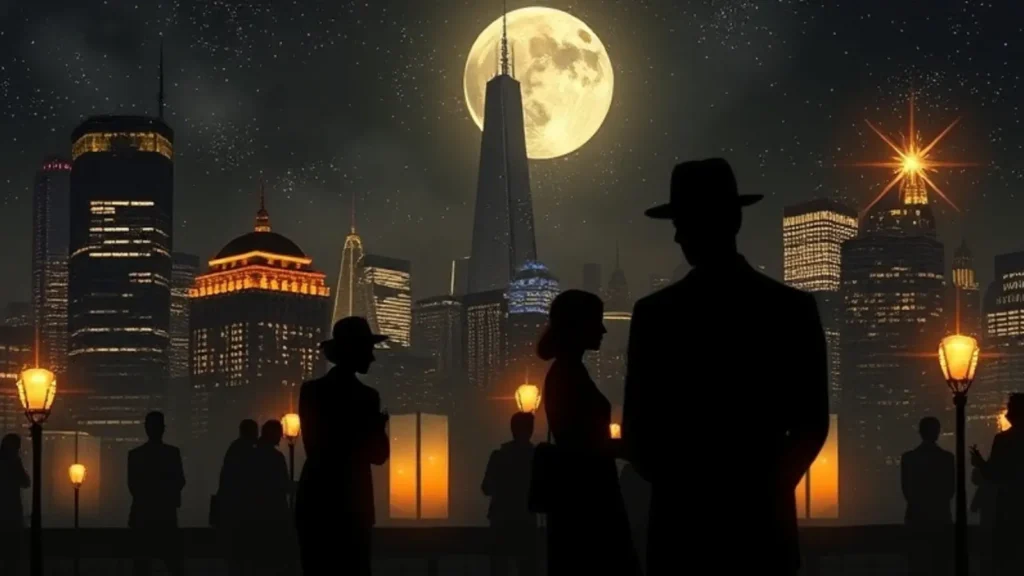
These extravagant celebrations symbolize:
- excess
- superficial relationships
- consumer culture
- temporary pleasure
- loneliness hidden beneath glamour
Ironically, Gatsby rarely enjoys his own parties.
They exist solely to attract Daisy.
Symbolism of Colors in The Great Gatsby
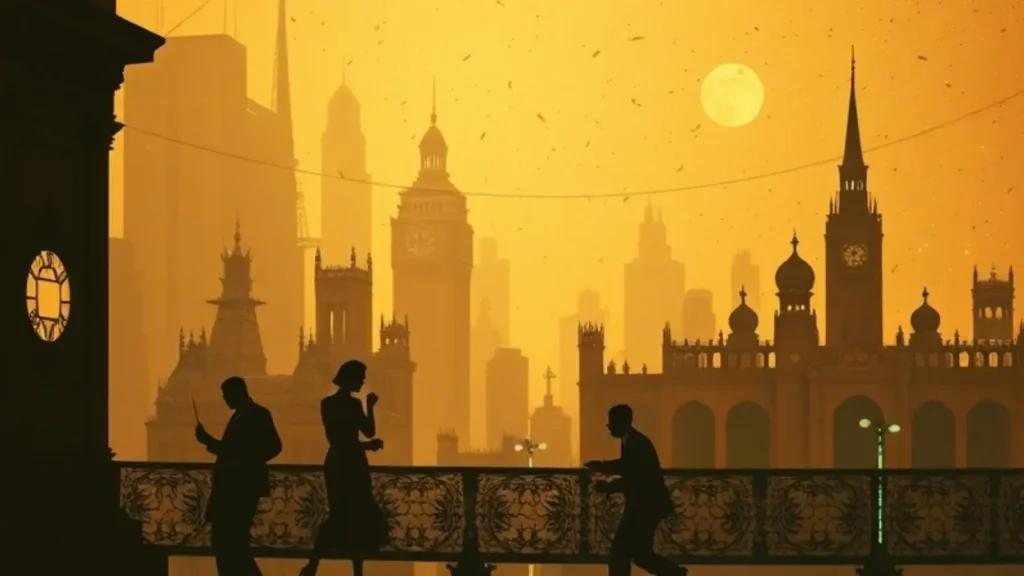
| Color | Symbolic Meaning | Example |
| Green | Hope, dreams, envy | Green light |
| White | Purity, illusion, privilege | Daisy’s clothing |
| Yellow/Gold | Wealth, corruption, luxury | Gatsby’s car |
| Blue | Loneliness, melancholy | Gatsby’s gardens |
| Gray | Moral emptiness | Valley of Ashes |
| Silver | Glamour, elegance | Wealthy lifestyles |
Green
Green traditionally symbolizes:
- growth
- renewal
- prosperity
Fitzgerald expands this meaning to include impossible dreams.
White
White appears pure but often masks dishonesty.
Daisy frequently wears white, suggesting innocence.
Yet her actions reveal selfishness and emotional carelessness.
Thus, white becomes a symbol of deceptive appearances.
Yellow and Gold
Gold traditionally symbolizes genuine wealth.
Yellow often represents imitation, excess, and corruption.
Fitzgerald intentionally blurs these meanings.
The Symbolism of Weather
Weather reflects emotional states throughout the novel.
Examples include:
Rain
Represents:
- uncertainty
- emotional tension
- renewal
Heat
During the confrontation between Gatsby and Tom, oppressive heat symbolizes rising conflict and emotional pressure.
Sunshine
Often appears during moments of hope before reality intervenes.
The Symbolism of Time
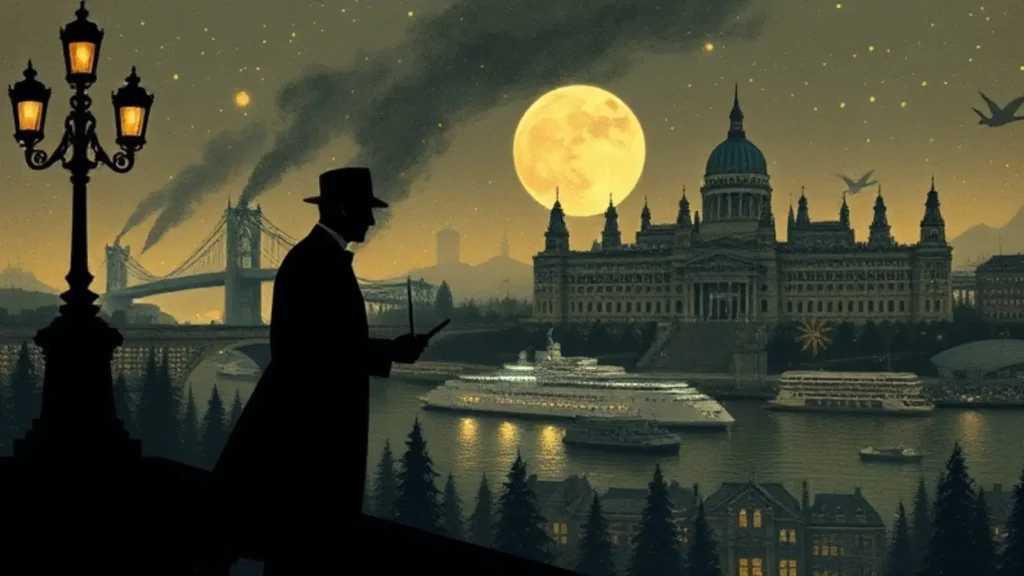
Time functions as one of the novel’s most overlooked symbols.
Gatsby famously believes he can repeat the past.
His obsession symbolizes humanity’s universal desire to undo mistakes.
The broken clock during Gatsby’s reunion with Daisy further illustrates the impossibility of controlling time.
Automobiles as Symbols
Cars represent:
- modern progress
- wealth
- status
- recklessness
- technological advancement
Ironically, the novel’s fatal accident reveals that progress without responsibility can become destructive.
Water Symbolism
Water separates Gatsby from Daisy physically and emotionally.
It symbolizes:
- emotional distance
- possibility
- transformation
- uncertainty
Crossing the bay appears simple geographically but proves impossible emotionally.
Houses and Geography
East Egg
Represents:
- inherited wealth
- old money
- tradition
- exclusivity
West Egg
Represents:
- new wealth
- ambition
- social mobility
Valley of Ashes
Represents:
- forgotten America
- labor
- suffering
- inequality
The geography itself reflects America’s class structure.
Cultural Significance of Gatsby’s Symbols
Although rooted in 1920s America, these symbols have global relevance.
Many cultures interpret dreams, wealth, and social ambition differently, yet Gatsby’s symbols resonate because they address universal human experiences.
| Culture | Common Interpretation |
| Western | American Dream |
| Academic | Social criticism |
| Psychological | Desire and identity |
| Literary | Modernist symbolism |
| Cultural Studies | Class inequality |
Psychological Meaning of the Novel’s Symbols
From a psychological perspective, Fitzgerald explores:
- identity formation
- idealized love
- nostalgia
- cognitive bias
- ambition
- self-deception
Gatsby creates an ideal version of himself rather than accepting reality.
This reflects a timeless aspect of human psychology.
Philosophical Perspectives
The novel raises philosophical questions:
- Can happiness be purchased?
- Does success create fulfillment?
- Is the past recoverable?
- What defines identity?
- Are dreams necessary despite inevitable disappointment?
Rather than offering answers, Fitzgerald encourages reflection.
Literary Significance
The novel is considered one of literature’s finest examples of sustained symbolism.
Unlike isolated metaphors, Fitzgerald creates an interconnected symbolic system in which colors, places, weather, objects, and characters reinforce one another.
This layered construction explains why the novel remains widely studied.
Artistic Representation
Artists frequently depict Gatsby through:
- glowing green lights
- art deco architecture
- luxurious automobiles
- champagne glasses
- fading billboards
- moonlit waterfronts
These visual elements instantly evoke the novel’s themes.
Symbolism and Semiotics
Semiotics studies how signs create meaning.
In The Great Gatsby, nearly every recurring image functions as a sign pointing toward deeper concepts.
For example:
Green Light → Hope
Eyes → Judgment
Ashes → Decay
Water → Distance
Cars → Modernity
Colors → Emotional states
Practical Applications of Understanding Literary Symbolism
Studying symbolism improves:
- literary analysis
- critical thinking
- cultural awareness
- communication skills
- storytelling
- branding
- visual design
- education
Modern advertisers, filmmakers, designers, and marketers continue using symbolic imagery to influence audiences.
Expert Tip
When analyzing symbolism, avoid assigning a single fixed meaning.
Strong literary symbols often support multiple valid interpretations depending on context, character perspective, and historical background.
Did You Know?
Many readers focus primarily on the green light, yet Fitzgerald carefully weaves dozens of recurring symbols—including weather, geography, colors, architecture, automobiles, clothing, and time—into the novel to reinforce its central themes.
Common Mistakes
❌ Assuming every object is symbolic.
❌ Ignoring historical context.
❌ Treating symbolism as having only one meaning.
❌ Separating symbols from the novel’s themes.
❌ Forgetting that different readers may interpret symbols differently.
Myth vs. Fact
| Myth | Fact |
| The green light only represents Daisy. | It also symbolizes hope, aspiration, and the American Dream. |
| The billboard represents God alone. | Fitzgerald intentionally leaves its meaning open to interpretation. |
| White always means innocence. | In the novel, it often masks illusion and privilege. |
| Symbols have only one meaning. | Literary symbolism is intentionally layered and contextual. |
Key Insights
- Symbols create emotional depth.
- Fitzgerald critiques materialism through imagery.
- Colors reinforce character development.
- Geography reflects class divisions.
- Weather mirrors emotional tension.
- Dreams remain central to human identity.
- The American Dream is both inspiring and tragic.
Why These Symbols Still Matter Today
Although nearly a century has passed since the novel’s publication, its symbolism remains relevant.
Modern readers continue confronting issues such as:
- wealth inequality
- social media personas
- consumer culture
- unrealistic dreams
- identity construction
- status anxiety
The symbols help explain not only the Jazz Age but also contemporary society.
Conclusion
The enduring brilliance of symbolism in The Great Gatsby lies in its ability to transform everyday objects into profound reflections on hope, ambition, morality, identity, and the American Dream.
Fitzgerald’s green light, Valley of Ashes, eyes of Dr. T. J. Eckleburg, colors, weather, and geography work together to create a richly layered narrative that rewards careful reading and thoughtful interpretation.
Rather than offering simple moral lessons, the novel invites readers to consider how dreams shape lives, how appearances can conceal uncomfortable truths, and how the pursuit of success may come at unexpected personal and social costs.
Nearly a century after its publication, these symbols continue to influence literature, education, visual storytelling, branding, and cultural discussions because they address universal human experiences that remain relevant across generations.

Olivia Hartwell explores the hidden meanings behind symbols, animals, colors, dreams, and cultural traditions through insightful symbolism research.
