Dragonflies have fascinated humanity for thousands of years. Their shimmering wings, remarkable flying abilities, and short yet vibrant life cycle have inspired countless symbolic interpretations across civilizations.
The symbolism of dragonfly extends far beyond its beauty it represents transformation, adaptability, wisdom, resilience, freedom, and the ability to embrace change with grace.
Whether appearing in ancient folklore, religious traditions, contemporary art, tattoos, branding, or personal spiritual practices, dragonflies continue to remind people that growth often comes through change.
While interpretations differ across cultures and historical periods, the dragonfly consistently symbolizes movement toward greater awareness and personal evolution.
Featured Snippet Answer
The symbolism of dragonfly primarily represents transformation, adaptability, self-discovery, emotional maturity, hope, resilience, and spiritual growth. Across many cultures, dragonflies symbolize embracing life’s changes, living fully in the present moment, and developing wisdom through experience, although meanings vary depending on cultural, historical, and spiritual traditions.
What Does the Symbolism of Dragonfly Mean?
Quick Answer
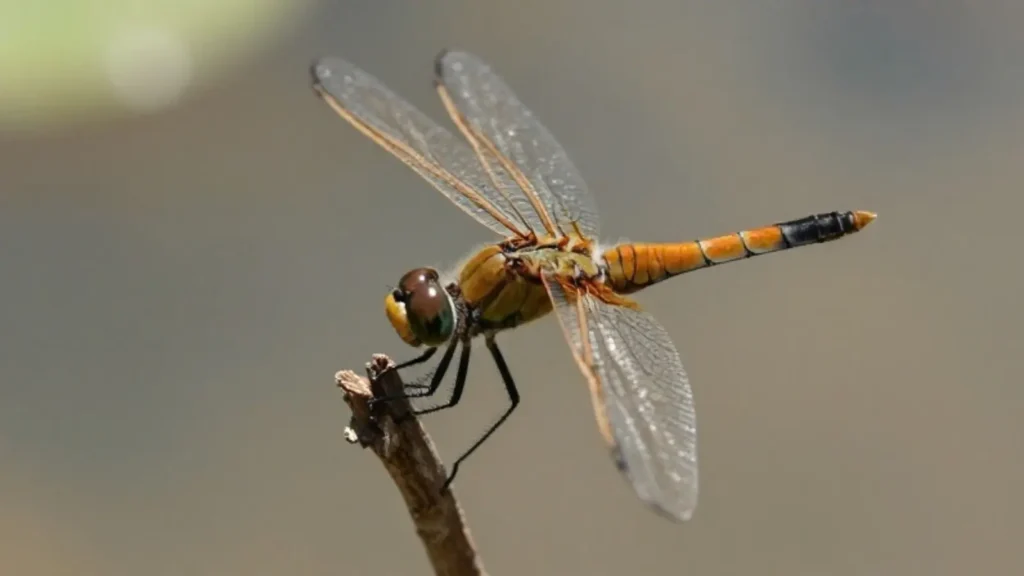
The dragonfly symbolizes positive transformation because it undergoes a remarkable metamorphosis from an underwater nymph into an agile flying insect. This life cycle naturally became a metaphor for personal growth, renewal, emotional balance, and spiritual awakening.
Unlike symbols associated with permanence, the dragonfly reminds people that change is inevitable—and often necessary for progress.
Its symbolism commonly includes:
- Personal transformation
- Change and renewal
- Emotional resilience
- Freedom
- Joy
- Adaptability
- Wisdom
- Lightness of spirit
- Self-awareness
- Living in the present
Why the Dragonfly Became Such a Powerful Symbol
Nature often shapes symbolism, and few insects demonstrate transformation as dramatically as dragonflies.
A dragonfly spends most of its life underwater before emerging into the air with transparent wings capable of extraordinary flight. This dramatic transition inspired cultures to associate dragonflies with hidden potential becoming visible.
Several natural characteristics contribute to its symbolism:
| Dragonfly Characteristic | Symbolic Meaning |
| Metamorphosis | Personal transformation |
| Agile flight | Adaptability |
| Transparent wings | Clarity and truth |
| Ability to fly in multiple directions | Flexibility |
| Brilliant colors | Joy and vitality |
| Excellent vision | Wisdom and awareness |
Historical Origins of Dragonfly Symbolism
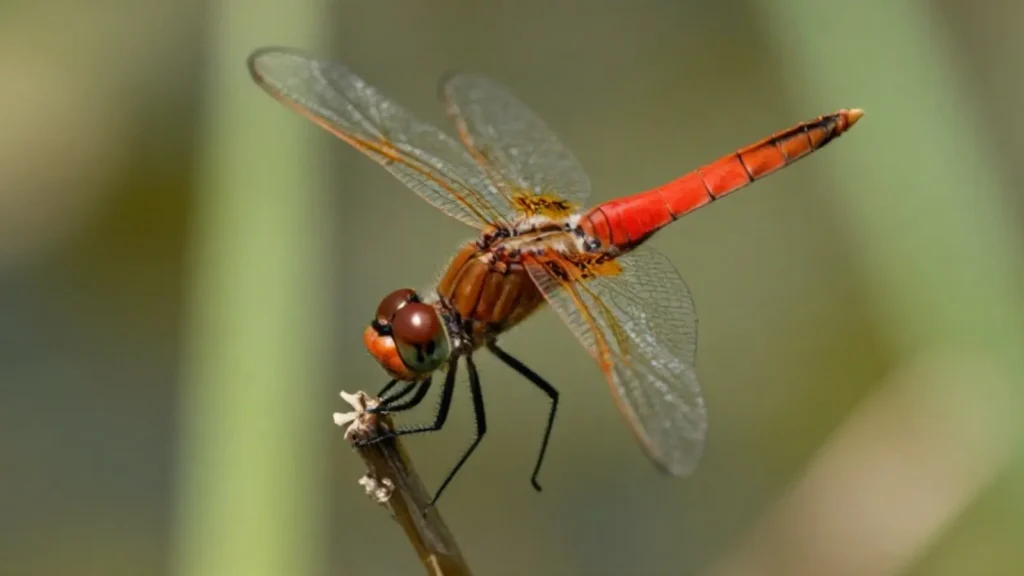
Humans have admired dragonflies for thousands of years.
Ancient civilizations noticed their elegance, speed, and unique behavior, incorporating them into folklore, decorative arts, mythology, and oral traditions.
Historically, dragonflies have symbolized:
- Courage
- Victory
- Summer
- Prosperity
- Change
- Fertility
- Good fortune
- Protection
- Mystery
However, not every culture viewed them positively. Some medieval European traditions associated dragonflies with superstition, while many Indigenous cultures celebrated them as symbols of renewal and harmony.
This diversity highlights an important principle of symbolism:
Symbols do not possess universal meanings. Their interpretation depends on historical, cultural, and social contexts.
Dragonfly Symbolism Across Different Cultures
Japanese Symbolism
Japan holds one of the richest dragonfly traditions.
Dragonflies symbolize:
- Courage
- Happiness
- Success
- Strength
- Harvest
- Summer
- Victory
Because dragonflies fly forward rather than backward for long distances, they became symbols of determination and moving ahead in life.
Samurai culture admired the dragonfly for its fearlessness.
Native American Perspectives
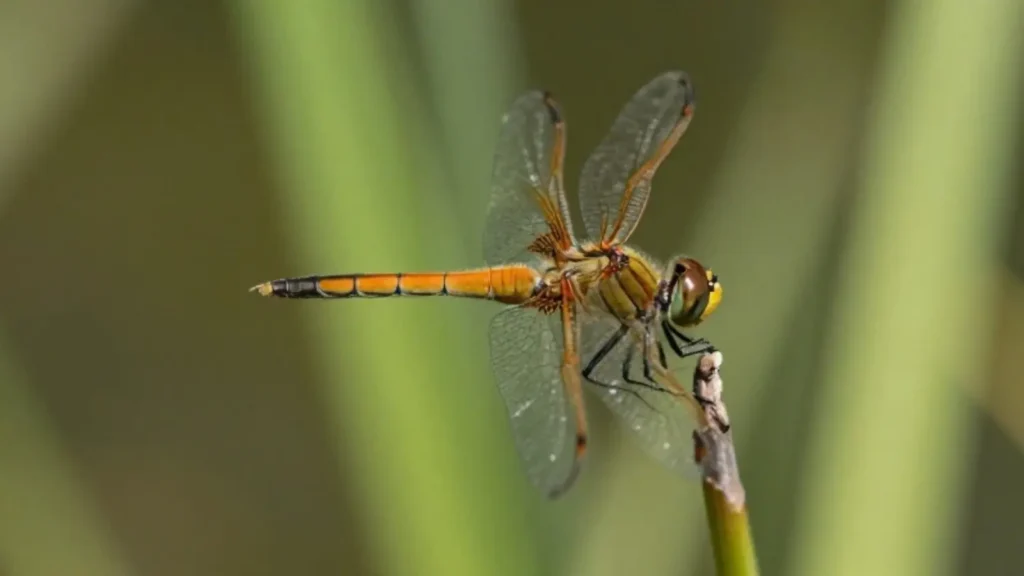
Many Indigenous peoples of North America associate dragonflies with:
- Transformation
- Water
- Rain
- Renewal
- Spiritual guidance
- Purity
Some traditions view dragonflies as messengers between physical and spiritual worlds.
Others connect them with prosperity because healthy dragonfly populations indicate thriving ecosystems.
It is important to recognize that Indigenous beliefs vary greatly among nations rather than forming one universal interpretation.
Chinese Symbolism
In Chinese tradition, dragonflies often symbolize:
- Harmony
- Prosperity
- Good luck
- Seasonal renewal
- Happiness
They are frequently connected with summer, abundance, and positive energy.
European Folklore
European symbolism is more complex.
Positive meanings include:
- Speed
- Elegance
- Nature
- Transformation
Negative folklore in certain regions linked dragonflies with superstition or mythical stories involving deception or magic.
Today, these older beliefs have largely faded.
Celtic Interpretations
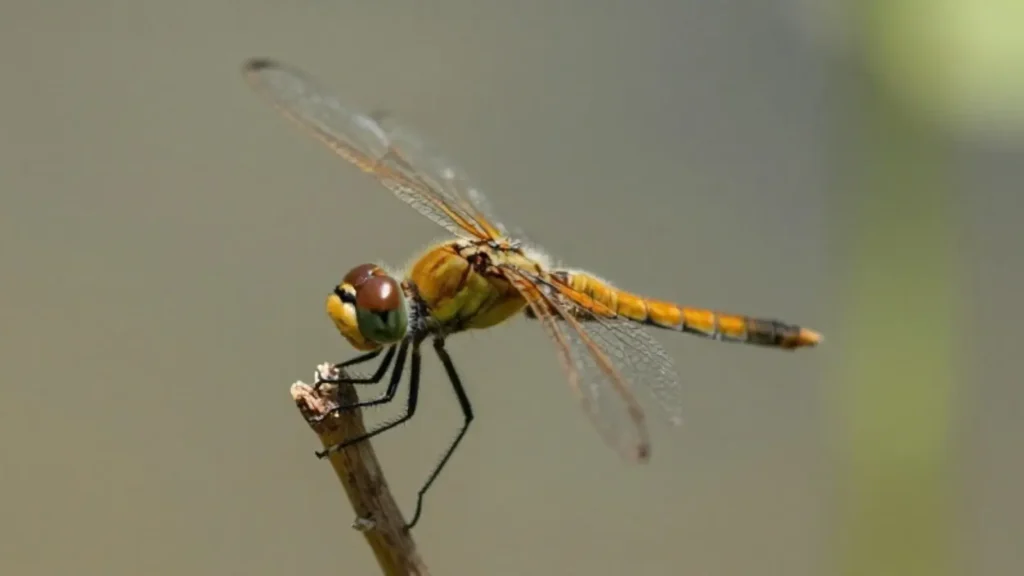
Although direct historical evidence is limited, modern Celtic-inspired symbolism frequently associates dragonflies with:
- Mysticism
- Nature
- Personal evolution
- Hidden wisdom
- Magical transformation
Scholars generally distinguish these modern interpretations from documented historical Celtic traditions.
Spiritual Meaning of Dragonfly
Spiritually, dragonflies often represent awakening.
Many people interpret dragonfly encounters as reminders to:
- Release fear
- Accept change
- Trust personal growth
- Remain emotionally balanced
- Live intentionally
- Develop inner wisdom
These interpretations belong primarily to spiritual traditions and personal belief systems rather than scientific evidence.
Psychological Symbolism of Dragonfly
Psychology explains symbols differently than mythology.
Instead of supernatural meanings, psychologists often examine why certain images resonate emotionally.
Dragonflies may symbolize:
Emotional Growth
People naturally relate metamorphosis to overcoming personal struggles.
Adaptability
Dragonflies change environments completely during development.
This makes them effective metaphors for resilience.
Self-Reflection
Their reflective wings often become artistic symbols of examining one’s inner self.
Mindfulness
Dragonflies move gracefully and efficiently, inspiring people to appreciate the present moment.
Dragonflies in Mythology and Folklore
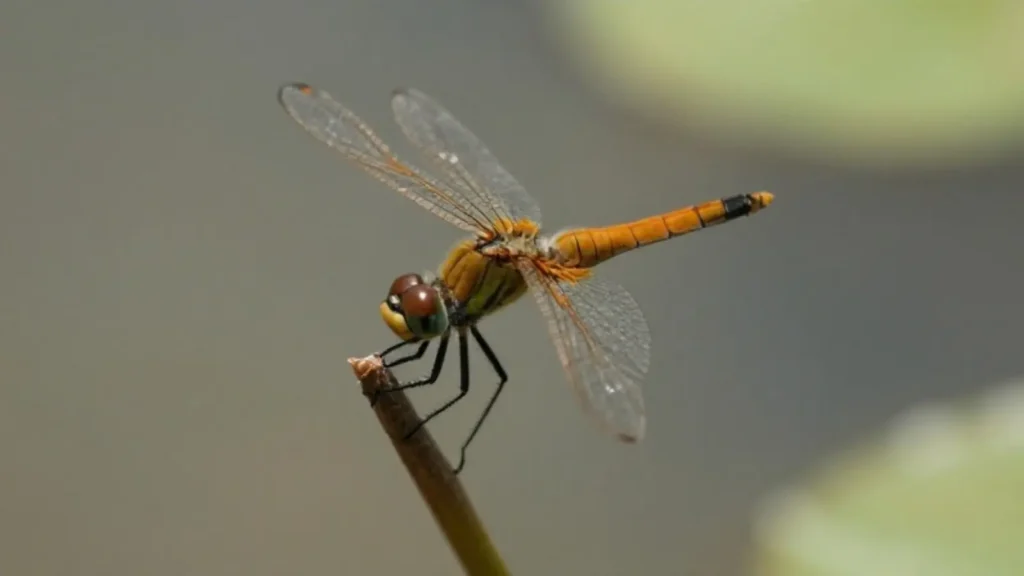
Dragonflies appear in many traditional stories.
Common themes include:
- Magical messengers
- Protectors of rivers
- Guides for travelers
- Guardians of nature
- Symbols of seasonal transitions
Although stories differ, transformation remains one of the most consistent themes worldwide.
Religious Interpretations
Dragonflies do not occupy central positions in most major world religions.
However, various spiritual communities interpret them symbolically.
Possible associations include:
| Tradition | Common Interpretation |
| Buddhism | Impermanence and mindfulness |
| Shinto | Nature’s sacred harmony |
| Indigenous traditions | Renewal and guidance |
| Modern spirituality | Personal awakening |
These interpretations should be understood as symbolic rather than official religious doctrine.
Dragonfly Symbolism in Literature

Writers frequently use dragonflies to symbolize:
- Fleeting beauty
- Mortality
- Growth
- Emotional maturity
- Hope
- Transformation
- Memory
Because dragonflies have relatively short adult lives, they also remind readers to value the present.
Dragonfly Symbolism in Art
Artists are drawn to dragonflies because of their visual elegance.
Common artistic meanings include:
- Balance
- Beauty
- Freedom
- Movement
- Delicacy
- Nature
- Color
- Reflection
Dragonflies appear in:
- Watercolor paintings
- Jewelry
- Textile design
- Pottery
- Sculptures
- Photography
- Digital illustration
Dragonflies in Modern Branding and Design
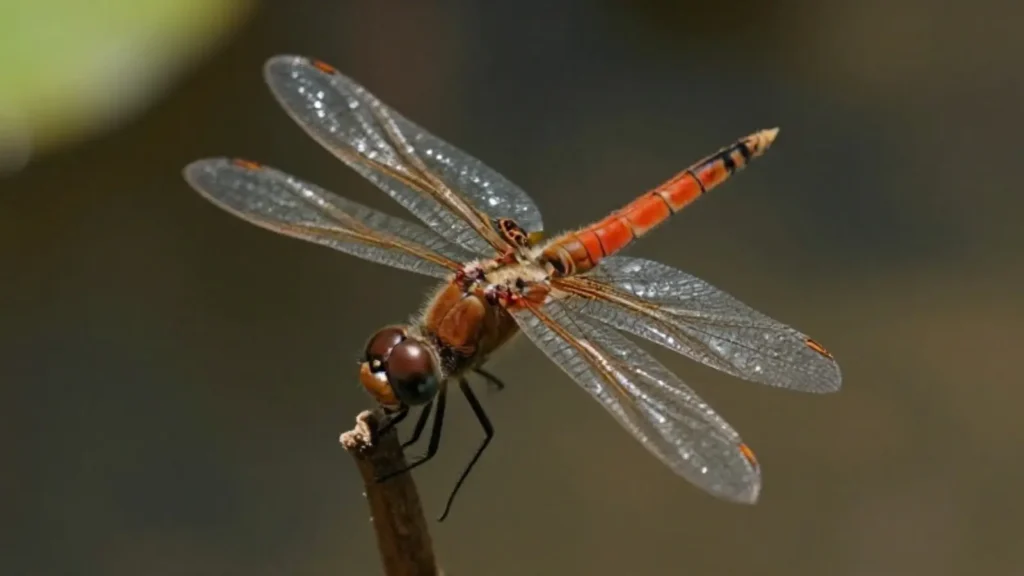
Brands frequently use dragonflies because they communicate positive emotional qualities.
These include:
- Innovation
- Flexibility
- Sustainability
- Fresh thinking
- Elegance
- Wellness
- Environmental awareness
Designers appreciate dragonflies because their symmetrical wings create visually balanced compositions.
Dragonfly Symbolism in Tattoos
Dragonfly tattoos remain popular worldwide.
Common meanings include:
- New beginnings
- Recovery
- Survival
- Emotional healing
- Independence
- Personal freedom
- Spiritual growth
Tattoo meanings remain deeply personal and often combine cultural symbolism with individual experiences.
Did You Know?
💡 A dragonfly spends most of its life underwater before becoming a flying adult.
This remarkable biological transformation is one of the primary reasons dragonflies symbolize personal growth across many cultures.
Expert Tip
When interpreting symbolism, always consider:
- Cultural background
- Historical period
- Artistic context
- Personal meaning
- Religious tradition
Symbols rarely have one fixed interpretation.
Myth vs. Fact
| Myth | Fact |
| Dragonflies have one universal meaning. | Symbolism varies across cultures. |
| Dragonflies always symbolize spirituality. | They can also represent ecology, art, resilience, or seasonal change. |
| Ancient cultures all agreed on dragonfly symbolism. | Historical interpretations differ significantly. |
| Seeing a dragonfly predicts future events. | Such beliefs belong to folklore and personal spirituality rather than scientific evidence. |
Common Mistakes When Understanding Dragonfly Symbolism
Many people assume symbolic meanings are universal.
Common misunderstandings include:
- Ignoring cultural differences
- Treating folklore as historical fact
- Confusing spirituality with scientific evidence
- Assuming modern meanings existed in ancient societies
- Overlooking artistic context
Balanced interpretation requires recognizing multiple perspectives.
Practical Applications of Dragonfly Symbolism
The symbolism of dragonfly appears in many everyday contexts.
Education
Teachers use dragonflies to explain:
- Life cycles
- Metamorphosis
- Ecology
- Environmental conservation
Personal Development
Many people adopt dragonflies as reminders to:
- Embrace change
- Practice resilience
- Stay optimistic
Branding
Companies use dragonfly imagery to represent:
- Innovation
- Agility
- Environmental responsibility
Interior Design
Dragonfly artwork creates spaces associated with:
- Peace
- Nature
- Reflection
- Calmness
Storytelling
Authors employ dragonflies as metaphors for:
- Character growth
- Redemption
- Emotional transformation
Dragonfly Symbolism Compared with Other Nature Symbols
| Symbol | Primary Meaning |
| Dragonfly | Transformation and adaptability |
| Butterfly | Rebirth and personal change |
| Phoenix | Renewal after destruction |
| Lotus | Purity and enlightenment |
| Owl | Wisdom and knowledge |
| Hummingbird | Joy and resilience |
| Eagle | Strength and vision |
Although several symbols represent transformation, dragonflies uniquely emphasize flexibility, emotional maturity, and living fully in the present.
Why Dragonfly Symbolism Still Matters Today
Modern life constantly demands adaptation.
People change careers, relocate, learn new skills, recover from challenges, and redefine personal identities.
Dragonfly symbolism remains relevant because it offers an enduring metaphor for:
- Growth through change
- Emotional resilience
- Lifelong learning
- Hope during transitions
- Self-discovery
- Mindful living
These ideas resonate across cultures, generations, and professions.
Key Insights
- Dragonflies symbolize transformation more consistently than almost any other meaning.
- Cultural interpretations differ widely.
- Spiritual meanings reflect belief systems rather than scientific conclusions.
- Psychology views dragonflies as powerful metaphors for resilience and self-awareness.
- Artists, writers, educators, and designers continue using dragonflies because they communicate change in visually compelling ways.
Conclusion
The symbolism of dragonfly continues to captivate people because it bridges the natural world with human imagination. Its remarkable life cycle has inspired enduring associations with transformation, adaptability, resilience, wisdom, and mindful living.
Across cultures, dragonflies have represented everything from courage and prosperity to spiritual awakening and harmony with nature.
While specific interpretations vary depending on historical context, religion, folklore, and personal belief, the underlying message remains remarkably consistent: growth often emerges through change.
Understanding dragonfly symbolism enriches more than spiritual reflection. It also deepens our appreciation of art, literature, design, branding, education, environmental awareness, and cross-cultural communication.
By recognizing the diverse meanings attached to this remarkable insect, we gain a broader perspective on how symbols shape identity, storytelling, and everyday human experience.

Olivia Hartwell explores the hidden meanings behind symbols, animals, colors, dreams, and cultural traditions through insightful symbolism research.
