
Ladybugs have fascinated people for centuries. Their bright colors, gentle nature, and remarkable role in agriculture have transformed these tiny beetles into one of the world’s most beloved symbols.
Across cultures, ladybug symbolism is commonly associated with luck, protection, prosperity, transformation, hope, and renewal. Yet beneath these familiar meanings lies a much richer story shaped by history, folklore, psychology, religion, and cultural traditions.
Whether appearing in dreams, art, gardens, literature, or branding, the ladybug continues to represent positive change and resilience.
Understanding its symbolism helps us appreciate how nature influences human beliefs, storytelling, communication, and identity.
Featured Snippet What Does Ladybug Symbolism Mean?
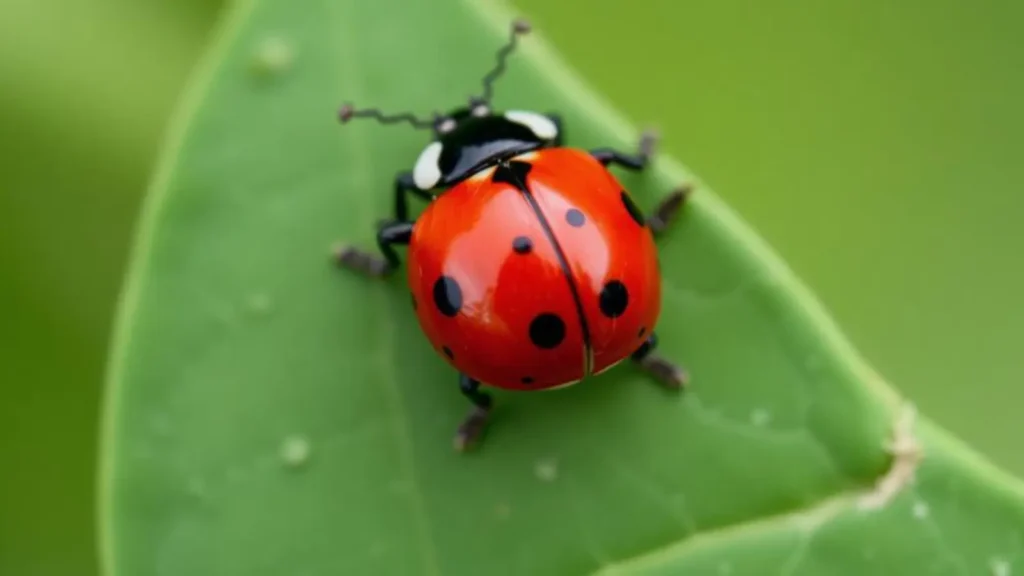
Ladybug symbolism generally represents good luck, protection, happiness, transformation, abundance, and hope. In many cultures, the ladybug is viewed as a positive omen that encourages growth, resilience, love, and new beginnings.
While interpretations vary across traditions, the insect is widely associated with beneficial change and harmony with nature.
Understanding Ladybug Symbolism
Quick Answer
Ladybugs symbolize positive outcomes because they benefit both nature and agriculture while displaying distinctive colors that humans naturally notice and remember. Over centuries, these practical observations evolved into folklore, religious symbolism, and cultural traditions.
Unlike many insects that damage crops, ladybugs feed on aphids and other pests. Farmers historically welcomed them because they protected harvests naturally, helping establish their reputation as fortunate visitors.
Their symbolism combines several themes:
- Good fortune
- Protection
- Prosperity
- Renewal
- Transformation
- Patience
- Joy
- Natural balance
- Divine blessing (in some traditions)
- Harmony
The Historical Origins of Ladybug Symbolism
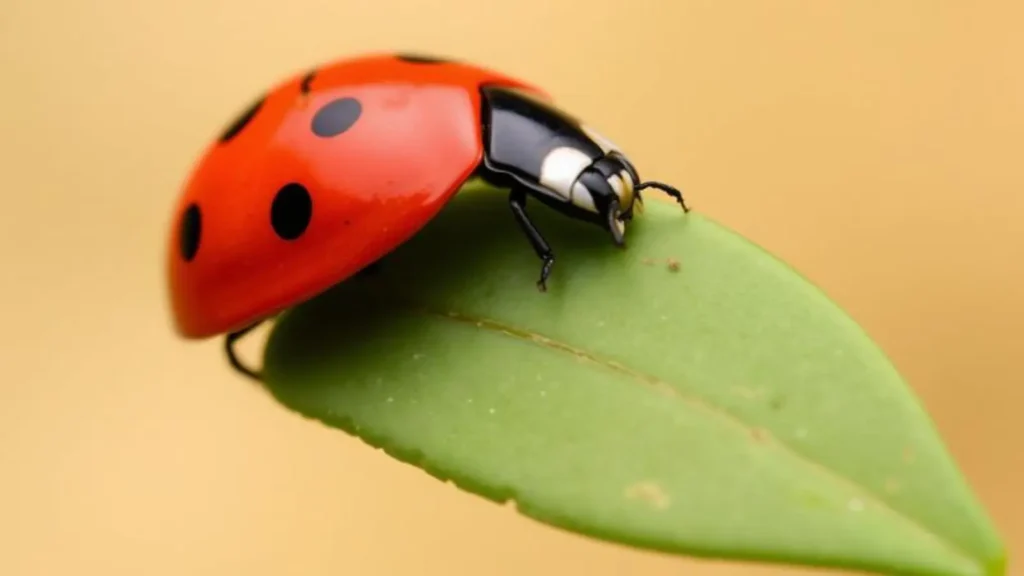
Ancient Relationship Between Humans and Ladybugs
Long before modern agriculture, communities observed that ladybugs appeared in healthy environments where crops flourished.
Because they reduced harmful insects naturally, they became associated with:
- Healthy harvests
- Fertile land
- Seasonal renewal
- Agricultural prosperity
These practical observations gradually transformed into symbolic meanings that survived through folklore.
Medieval European Origins
One of the best-known historical explanations comes from medieval Europe.
According to Christian tradition, farmers prayed to the Virgin Mary when crops suffered from insect infestations. Soon afterward, ladybugs appeared and consumed destructive pests.
People began referring to them as:
- Our Lady’s Beetle
- Beetle of Our Lady
- Ladybird
- Ladybug
The insect’s red wings were sometimes interpreted as representing Mary’s cloak, while the black spots were connected symbolically with her joys or sorrows depending on regional traditions.
Although these interpretations belong to religious folklore rather than historical fact, they significantly shaped Western symbolism.
Why Are Ladybugs Considered Lucky?
Direct Answer
Ladybugs are considered lucky because they naturally protect crops, rarely harm humans, and often appear during seasons associated with growth and abundance.
Several factors contributed:
| Reason | Symbolic Meaning |
| Natural pest control | Prosperity |
| Bright appearance | Joy |
| Harmless nature | Peace |
| Spring emergence | Renewal |
| Rare encounters | Positive omen |
| Agricultural benefit | Blessings |
Luck, in this context, developed from practical experience rather than superstition alone.
Ladybug Symbolism Across Different Cultures
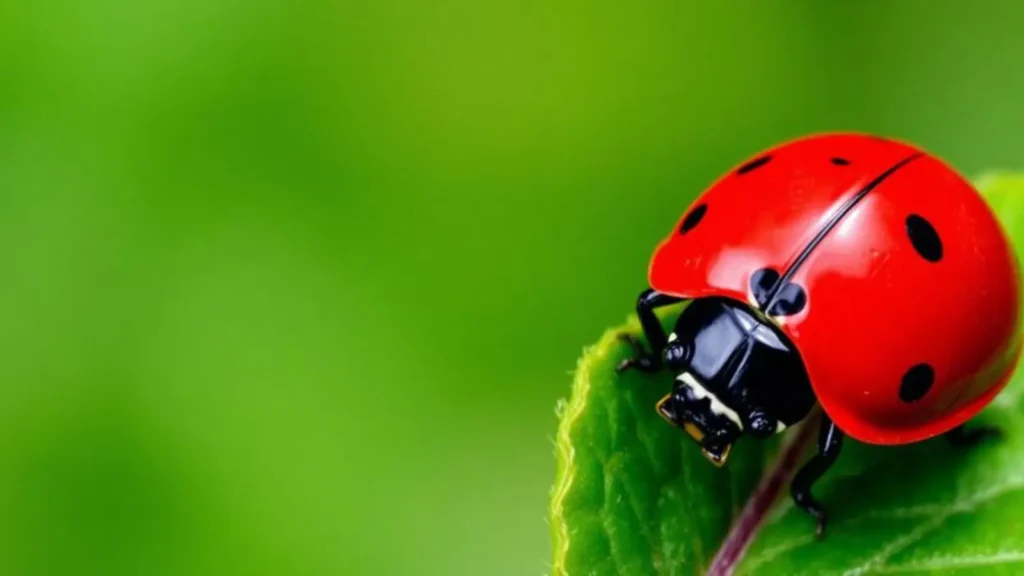
Europe
Throughout Europe, ladybugs have long represented:
- Good luck
- Protection
- Healthy crops
- Fertility
- Divine care
Some traditions suggest making a wish before allowing a ladybug to fly away.
Germany
German folklore often associates ladybugs with:
- Prosperous harvests
- Family happiness
- Children’s protection
Seeing several ladybugs was traditionally viewed as especially fortunate.
France
French traditions sometimes portray ladybugs as symbols of:
- Romantic happiness
- Positive change
- Blessings
- Unexpected good fortune
England
The English word ladybird reflects medieval religious traditions connected with the Virgin Mary.
Ladybirds remain symbols of:
- Luck
- Garden health
- Peace
- Protection
Scandinavia
In Nordic folklore, ladybugs were linked with:
- Fertility
- Summer
- Prosperity
- Agricultural abundance
East Asia
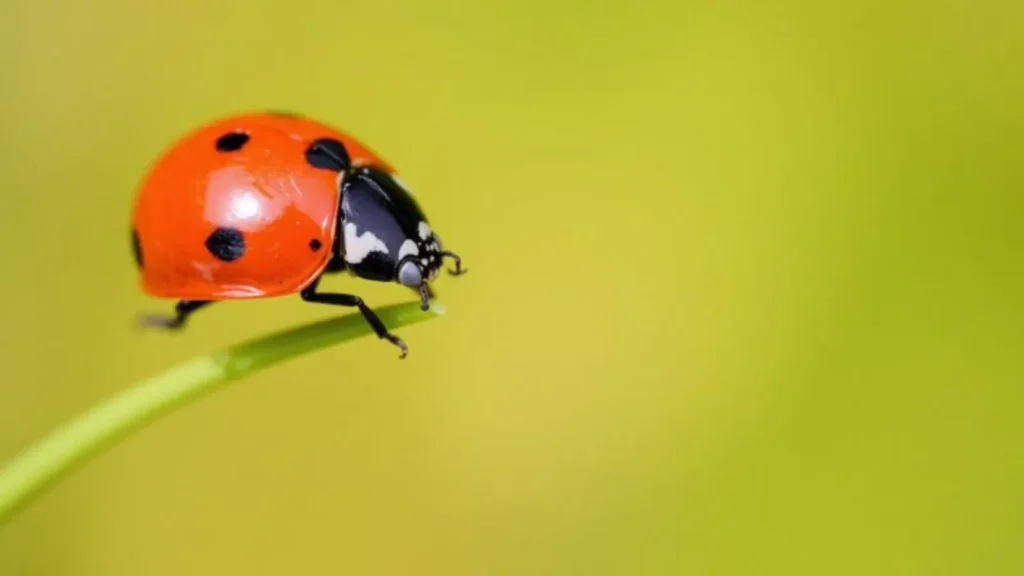
Modern interpretations in parts of East Asia often connect ladybugs with:
- Happiness
- Positive relationships
- Good fortune
- Personal growth
However, meanings vary by country and should not be generalized across all Asian cultures.
Indigenous Perspectives
Many Indigenous traditions emphasize respect for nature rather than assigning universal symbolic meanings to specific animals.
Where ladybugs appear in local traditions, interpretations often focus on:
- Ecological balance
- Interconnectedness
- Respect for living beings
These perspectives differ among communities and should never be treated as universally shared beliefs.
Spiritual Meaning of Ladybug Symbolism
Many spiritual traditions—not scientific disciplines—interpret ladybugs as encouraging hope and personal transformation.
Common symbolic interpretations include:
New Beginnings
A ladybug often represents starting fresh after challenges.
Trust
Its gentle behavior reminds people to move forward with confidence.
Protection
Many believe ladybugs symbolize unseen guidance or emotional protection.
Patience
Because transformation unfolds gradually, ladybugs can symbolize trusting life’s natural timing.
Gratitude
Their arrival often inspires appreciation for simple moments.
It is important to distinguish these symbolic beliefs from established scientific evidence.
Ladybug Symbolism in Psychology
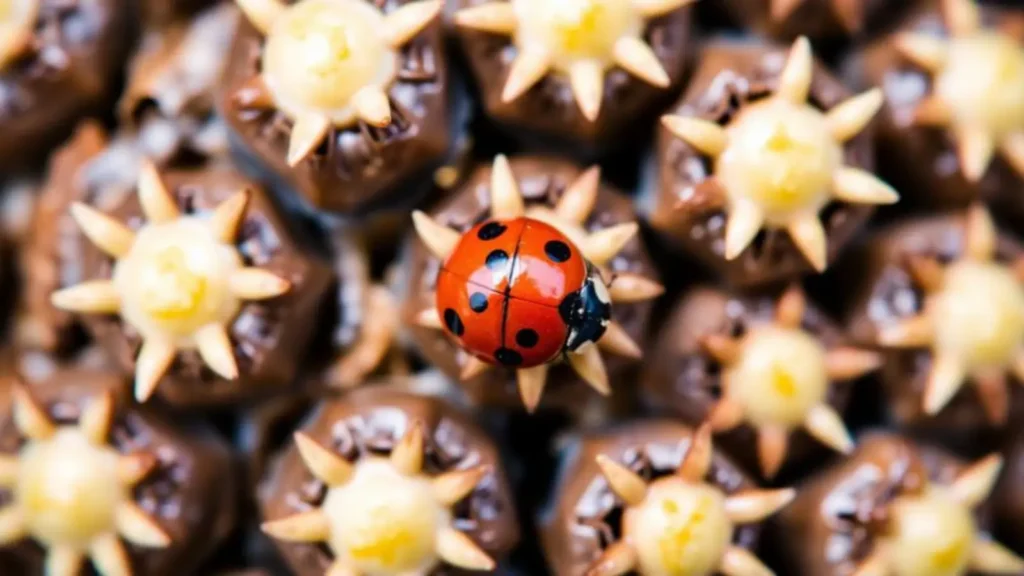
Psychology does not assign fixed symbolic meanings to ladybugs. However, several psychological concepts help explain why people respond positively to them.
Color Psychology
Red naturally attracts human attention.
Combined with black spots, the pattern becomes:
- Memorable
- Distinctive
- Easy to recognize
Bright colors often influence emotional responses.
Biophilia
The biophilia hypothesis suggests humans naturally feel connected to living organisms and natural environments.
Ladybugs fit this preference because they are:
- Small
- Non-threatening
- Beneficial
- Visually appealing
Positive Associations
People often develop symbolic meaning through repeated positive experiences.
Since ladybugs rarely cause harm, they become associated with:
- Childhood memories
- Gardens
- Nature
- Happiness
Ladybug Symbolism in Religion
Christianity
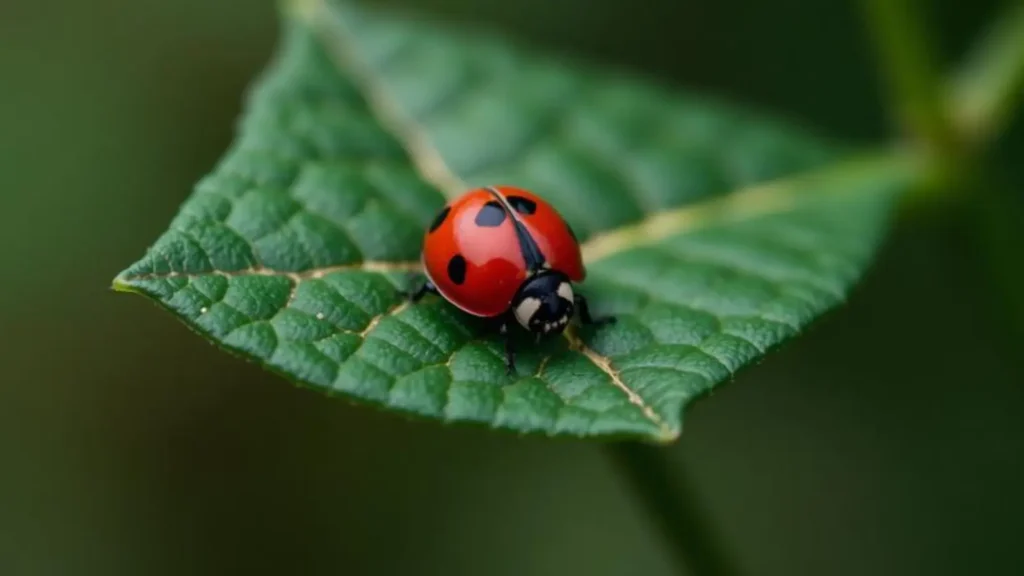
Ladybugs have been connected symbolically with the Virgin Mary through medieval European tradition.
Common symbolic themes include:
- Divine protection
- Compassion
- Hope
- Faith
These interpretations belong primarily to Christian folklore rather than official doctrine.
Other Religions
Ladybugs generally hold less formal symbolic importance in many other world religions.
Instead, they may simply represent:
- Nature
- Creation
- Beauty
- Harmony
Ladybugs in Mythology and Folklore
Many stories describe ladybugs as:
- Messengers of luck
- Protectors of crops
- Carriers of wishes
- Symbols of answered prayers
Although these tales differ regionally, they share one central idea:
Small acts of nature can bring great blessings.
Ladybug Symbolism in Art
Artists frequently use ladybugs to communicate:
- Innocence
- Joy
- Childhood
- Hope
- Natural beauty
Because of their instantly recognizable appearance, ladybugs work especially well in:
- Children’s books
- Paintings
- Illustration
- Botanical art
- Greeting cards
Ladybugs in Literature
Authors often use ladybugs symbolically to represent:
- Gentle optimism
- Unexpected happiness
- Small miracles
- Innocence
- Transformation
Unlike darker symbolic insects, ladybugs usually create positive emotional imagery.
Ladybug Symbolism in Design and Branding
Designers frequently choose ladybugs because they communicate positive emotions immediately.
Common branding associations include:
| Brand Goal | Ladybug Meaning |
| Trust | Friendly image |
| Nature | Sustainability |
| Family | Warmth |
| Children’s products | Safety |
| Gardening | Healthy ecosystems |
| Education | Curiosity |
The ladybug’s simple geometric appearance also makes it highly recognizable in logos and illustrations.
Ladybug Symbolism in Dreams
Dream interpretation varies among psychological, cultural, and spiritual traditions.
People often associate dreaming about ladybugs with:
- Hope
- Positive opportunities
- Emotional healing
- Growth
- Small but meaningful changes
There is no scientific evidence that dreams containing ladybugs predict future events.
Did You Know?
- Ladybugs belong to the beetle family.
- There are more than 6,000 known ladybug species worldwide.
- Not every ladybug is red with black spots.
- Some species are yellow, orange, pink, or black.
- Their spots do not reliably indicate age.
Expert Tip
When interpreting symbols, always consider historical and cultural context.
A ladybug may symbolize luck in one tradition while representing ecological balance in another. Symbolism is shaped by history, beliefs, lived experiences, and storytelling—not universal rules.
Myth vs. Fact
| Myth | Fact |
| Ladybugs always bring supernatural luck. | Luck is a cultural belief rather than a scientifically verified phenomenon. |
| Every ladybug has seven spots. | Species vary greatly in spot number and coloration. |
| Spots reveal a ladybug’s age. | Spot count is determined by species, not age. |
| All cultures interpret ladybugs identically. | Symbolic meanings differ across regions and traditions. |
| Ladybugs are pests. | Most species are beneficial predators of crop pests. |
Common Mistakes When Interpreting Ladybug Symbolism
People often:
- Assume every culture shares identical meanings.
- Confuse folklore with historical evidence.
- Treat symbolic beliefs as scientific facts.
- Ignore ecological importance.
- Overlook regional differences in traditions.
Balanced interpretation respects both cultural heritage and factual knowledge.
Practical Applications of Ladybug Symbolism
Understanding ladybug symbolism can benefit many fields.
Education
Teachers use ladybugs to explain:
- Ecology
- Biodiversity
- Nature conservation
- Life cycles
Branding
Businesses use ladybug imagery to communicate:
- Reliability
- Friendliness
- Environmental responsibility
Storytelling
Writers use ladybugs to symbolize:
- Hope
- Small victories
- Positive transformation
Garden Design
Ladybug imagery encourages:
- Pollinator-friendly landscapes
- Sustainable gardening
- Natural pest management
Mental Well-Being
Many people use nature-based symbols like ladybugs as gentle reminders of optimism and resilience, although their emotional impact varies from person to person.
Ladybug Symbolism Compared with Other Insect Symbols
| Insect | Common Symbolism |
| Ladybug | Luck, protection, hope |
| Butterfly | Transformation, renewal |
| Bee | Cooperation, productivity |
| Dragonfly | Adaptability, change |
| Ant | Hard work, persistence |
| Spider | Creativity, patience |
Each symbol reflects different cultural histories and ecological observations.
Key Insights
- Ladybug symbolism developed from real agricultural benefits.
- Historical folklore strengthened its association with luck.
- Psychological factors help explain its positive emotional appeal.
- Cultural meanings differ across regions.
- Religious interpretations are largely rooted in medieval Christian tradition.
- Modern branding continues to use ladybugs because they evoke trust and positivity.
- Understanding symbolism requires balancing history, culture, psychology, and evidence.
Why Ladybug Symbolism Still Matters Today
Even in the digital age, symbols remain powerful tools of communication.
Ladybugs continue to influence:
- Environmental education
- Visual storytelling
- Children’s literature
- Product branding
- Garden conservation campaigns
- Cultural celebrations
- Decorative arts
- Digital illustrations
- Social media design
Their enduring popularity demonstrates how natural symbols continue to shape human communication across generations.
Conclusion
Ladybug symbolism is far more than a simple belief in good luck. It reflects centuries of observation, agricultural experience, folklore, religious traditions, psychology, and artistic expression.
Across many cultures, the ladybug has come to symbolize hope, protection, prosperity, renewal, and harmony with nature. At the same time, interpretations vary according to historical context, regional customs, and individual belief systems.
By understanding both the cultural traditions and the factual ecological importance of ladybugs, we gain a richer appreciation of how symbols evolve and why they continue to influence communication, education, branding, literature, religion, design, and everyday life.
Rather than representing a universal truth, the ladybug serves as a meaningful example of how humans transform observations from the natural world into enduring symbols of optimism and resilience.

Isabella Carter explores symbolism in nature, literature, art, and spirituality with engaging and informative research.
