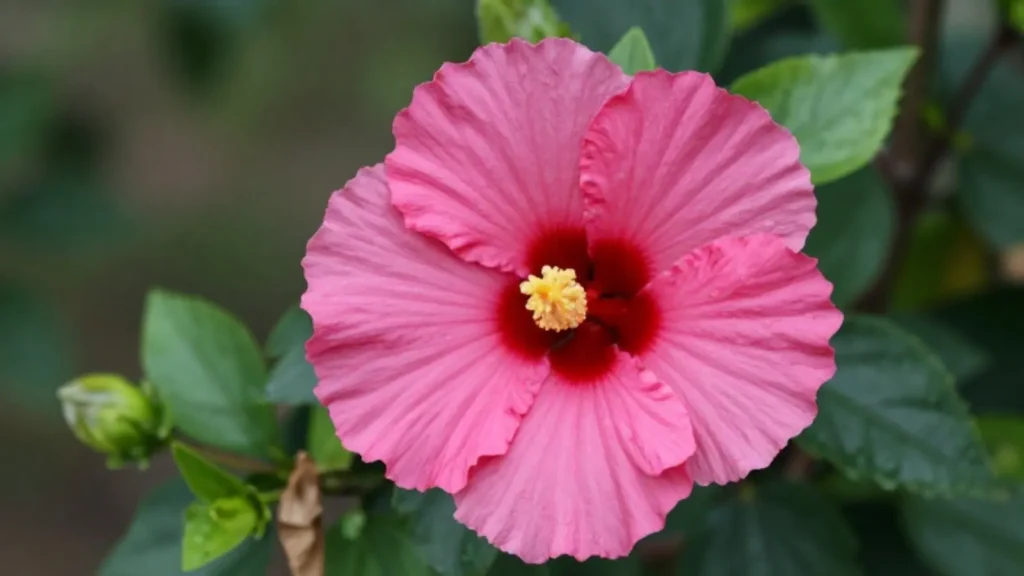
The hibiscus flower is admired across the world for its striking beauty, vibrant colors, and rich symbolic meanings. Hibiscus symbolism extends far beyond ornamental gardens.
Throughout history, this tropical bloom has represented love, femininity, hospitality, transformation, courage, renewal, and the fleeting nature of life.
While its meaning varies between cultures and traditions, the hibiscus continues to serve as a powerful symbol in art, religion, storytelling, branding, and everyday communication.
Whether gifted as a flower, featured in artwork, or worn as a decorative accessory, the hibiscus communicates emotions and cultural values that words often cannot express.
Featured Snippet: What Does Hibiscus Symbolism Mean?
Hibiscus symbolism represents beauty, love, femininity, hospitality, resilience, and personal growth. Across different cultures, the flower also symbolizes passion, respect, spiritual awakening, delicate beauty, and the temporary nature of life. Its meaning often depends on flower color, cultural traditions, and historical context.
Understanding Hibiscus Symbolism
At its heart, hibiscus symbolism reflects the balance between beauty and impermanence.
The flower blooms brilliantly but often lasts only a short time. Because of this natural cycle, many traditions see the hibiscus as a reminder to:
- Appreciate the present moment
- Celebrate life’s beauty
- Express love openly
- Embrace personal transformation
- Live with gratitude
Its vibrant petals naturally draw attention, making it an enduring symbol of confidence, joy, optimism, and emotional expression.
The Historical Origins of Hibiscus Symbolism
The hibiscus has been cultivated for thousands of years throughout:
- Asia
- Africa
- Pacific Islands
- India
- China
- Egypt
- Tropical Americas
Ancient communities valued the flower not only for its beauty but also for medicinal, ceremonial, and decorative purposes.
As civilizations developed, the flower gradually became associated with:
- Royal elegance
- Sacred offerings
- Hospitality
- Fertility
- Prosperity
- Celebration
Different societies assigned unique symbolic meanings based on local customs, myths, and religious beliefs.
Cultural Meanings of Hibiscus Around the World

Although the flower is universally admired, its symbolism differs across cultures.
| Culture | Symbolic Meaning | Traditional Context |
| Hawaii | Hospitality, friendship, aloha | Worn behind the ear and used in leis |
| India | Divine devotion, feminine energy | Religious offerings and festivals |
| China | Wealth, honor, fame | Art and celebrations |
| Japan | Gentleness and kindness | Decorative symbolism |
| South Korea | Immortality and resilience | National identity |
| Pacific Islands | Beauty and celebration | Ceremonial decorations |
| Caribbean | Joy, tropical abundance | Festivals and cultural identity |
This diversity illustrates how symbols evolve according to history and cultural values.
Hibiscus Symbolism in Hawaii
Perhaps nowhere is the hibiscus more culturally significant than Hawaii.
The flower represents:
- Warm hospitality
- Friendship
- Welcome
- Peace
- Island identity
- Celebration
Traditionally:
- A flower worn behind the left ear may indicate a person is in a relationship.
- A flower worn behind the right ear may indicate someone is single.
Although these interpretations are widely recognized, practices can vary among individuals and communities.
The hibiscus beautifully reflects the Hawaiian concept of living with openness, kindness, and appreciation for nature.
Hibiscus Symbolism in India
In India, hibiscus carries deep religious significance.
The red hibiscus is commonly associated with:
- Divine feminine energy
- Strength
- Courage
- Protection
- Devotion
It is frequently offered during worship, particularly in traditions honoring powerful female deities.
Beyond religion, the flower also symbolizes:
- Prosperity
- Respect
- Purity of intention
- Spiritual discipline
Hibiscus in Chinese Symbolism
Chinese symbolism often connects hibiscus with:
- Personal success
- Honor
- Wealth
- Recognition
- Glory
Because the flower blooms so brilliantly, it also reminds people that fame and beauty require humility since they can be temporary.
This creates a meaningful philosophical balance between achievement and impermanence.
Spiritual Meaning of Hibiscus
Spiritually, the hibiscus often represents inner awakening.
Many symbolic traditions associate it with:
- Self-discovery
- Heart-centered living
- Emotional openness
- Compassion
- Inner peace
- Gratitude
Rather than promising supernatural outcomes, these symbolic interpretations encourage mindfulness and personal reflection.
For many people, the flower serves as a gentle reminder to appreciate both life’s joys and its temporary nature.
Hibiscus and the Symbolism of Love
Love is one of the most universal meanings attached to hibiscus.
Depending on context, it may represent:
- Romantic affection
- Deep admiration
- Passion
- Emotional vulnerability
- Loyalty
- New relationships
Unlike roses, which often symbolize enduring romance, hibiscus sometimes emphasizes the importance of enjoying love in the present moment.
Its short-lived bloom encourages people to cherish meaningful relationships while they have the opportunity.
Hibiscus as a Symbol of Femininity
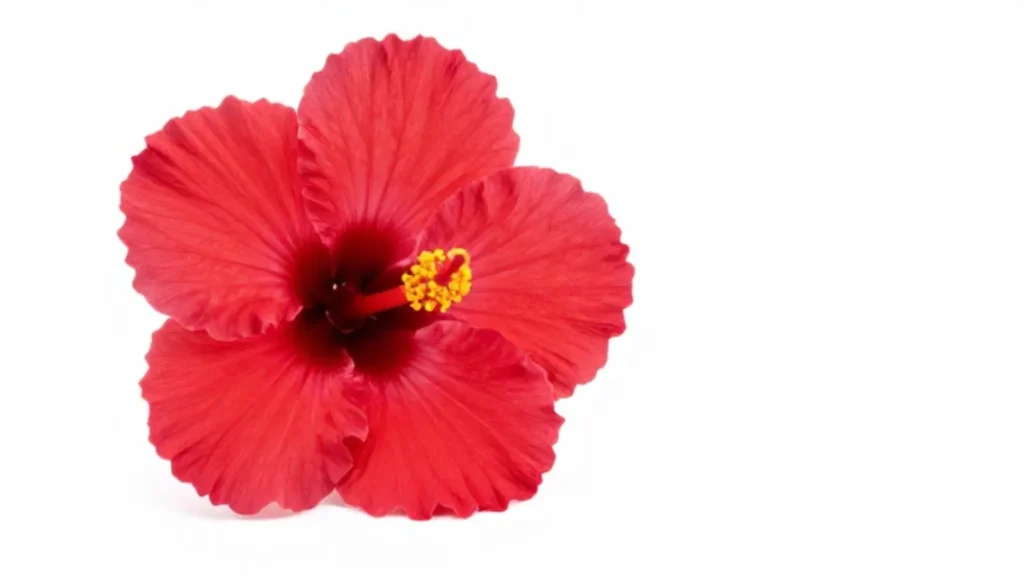
The elegant petals naturally evoke grace and beauty.
Across many cultures, hibiscus has become associated with:
- Feminine strength
- Confidence
- Independence
- Compassion
- Creativity
- Emotional intelligence
Importantly, modern interpretations increasingly recognize these qualities as universal human strengths rather than characteristics limited to women.
Psychological Meaning of Hibiscus Symbolism
From a psychological perspective, flowers often influence human emotions through learned cultural associations rather than inherent symbolic power.
The hibiscus commonly evokes feelings of:
- Joy
- Warmth
- Hope
- Calmness
- Creativity
- Emotional openness
Its bright colors naturally attract attention, making it an effective visual symbol in environments designed to promote positivity and relaxation.
Hibiscus Colors and Their Symbolic Meanings
Different flower colors often carry distinct symbolic interpretations.
| Hibiscus Color | Common Symbolism |
| Red | Passion, courage, love, strength |
| Pink | Affection, kindness, friendship |
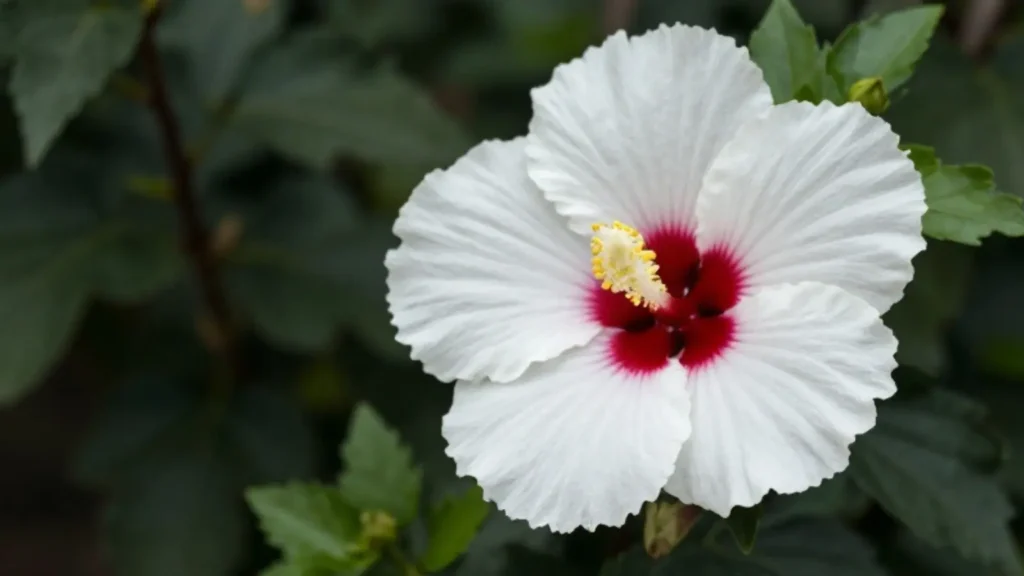
| White | Purity, peace, sincerity |
| Yellow | Happiness, optimism, good fortune |
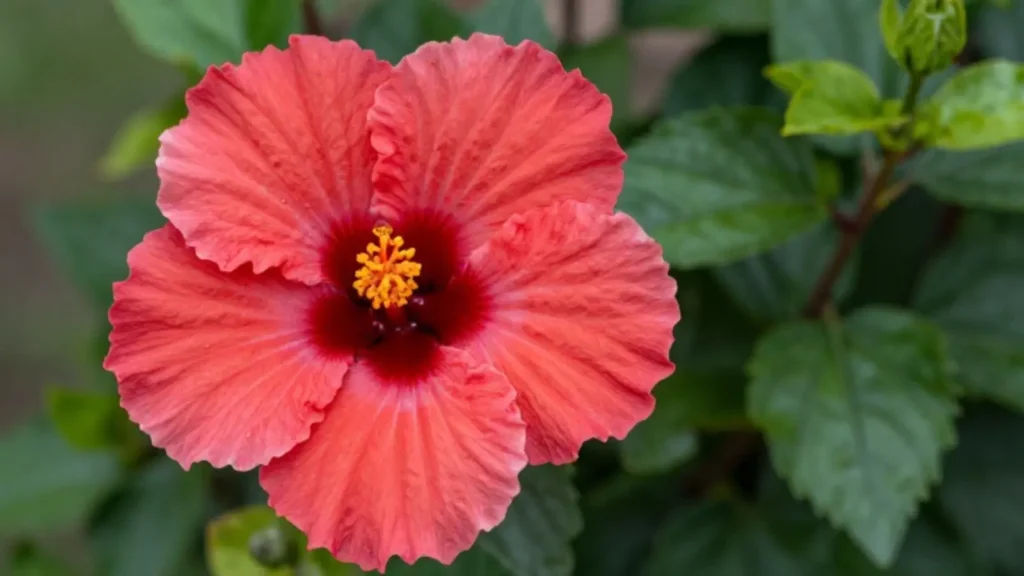
| Orange | Energy, enthusiasm, creativity |
| Purple | Wisdom, dignity, imagination |
Color symbolism varies among cultures, so these meanings should be understood as common traditions rather than universal rules.
Hibiscus in Religion and Sacred Traditions
The hibiscus appears in various religious and spiritual contexts.
It may symbolize:
- Reverence
- Sacred beauty
- Divine creation
- Spiritual purity
- Offering
- Gratitude
Rather than possessing sacred power itself, the flower often serves as a meaningful expression of devotion within religious ceremonies.
Hibiscus in Mythology and Folklore
Unlike lotus or rose symbolism, hibiscus has relatively few universally recognized myths.
Instead, it appears within regional folklore where it often represents:
- Nature’s abundance
- Fertility
- Seasonal renewal
- Hospitality
- Community
- Blessings
These stories demonstrate how local traditions shape symbolic meaning over generations.
Hibiscus in Literature
Writers frequently use hibiscus imagery to represent:
- Youth
- Beauty
- Emotional vulnerability
- Hope
- Paradise
- Change
Its brief blooming period makes it an especially effective literary symbol for life’s temporary yet meaningful experiences.
Authors often contrast the flower’s beauty with the passage of time to create emotional depth.
Hibiscus in Art and Design
Artists appreciate hibiscus because it communicates multiple emotional themes simultaneously.
It commonly symbolizes:
- Tropical elegance
- Freedom
- Colorful living
- Joy
- Natural harmony
Its symmetrical petals also make it visually appealing for:
- Paintings
- Textiles
- Pottery
- Interior decoration
- Fashion
- Digital illustration
Hibiscus in Branding and Marketing
Brands frequently use hibiscus imagery to communicate:
- Relaxation
- Wellness
- Luxury
- Tropical destinations
- Hospitality
- Natural beauty
Industries commonly featuring hibiscus include:
- Tourism
- Cosmetics
- Tea
- Skincare
- Hotels
- Wellness products
The flower immediately evokes warmth, comfort, and positive experiences, making it highly effective in visual branding.
Hibiscus in Modern Communication
Today, hibiscus symbolism appears throughout digital culture.
Examples include:
- Social media graphics
- Lifestyle blogs
- Wellness branding
- Greeting cards
- Wedding invitations
- Floral emojis
- Travel marketing
Its symbolism has evolved while maintaining its traditional associations with beauty, joy, and celebration.
Did You Know?
🌺 Some hibiscus flowers bloom for only a single day, contributing to their symbolism of appreciating the present moment.
🌺 The flower is recognized in many tropical regions as a symbol of hospitality.
🌺 Different hibiscus colors often convey different emotional messages.
🌺 Hibiscus has long been cultivated for ornamental, culinary, and traditional medicinal purposes in various cultures.
Expert Tip
When interpreting hibiscus symbolism, always consider:
- Cultural background
- Historical period
- Flower color
- Religious context
- Artistic setting
- Personal meaning
Symbols rarely have one universal definition. Context provides the most accurate interpretation.
Common Mistakes
Many people misunderstand floral symbolism by assuming:
❌ Every culture assigns identical meanings.
❌ Flower colors always symbolize the same emotions.
❌ Symbolic traditions are historical facts.
❌ Spiritual symbolism represents scientific evidence.
Instead, symbolism reflects evolving cultural traditions, artistic expression, and shared human experiences.
Myth vs. Fact
| Myth | Fact |
| Hibiscus always symbolizes romance. | Love is only one of many symbolic meanings. |
| Every hibiscus color means the same thing. | Colors often carry different traditional interpretations. |
| Hibiscus symbolism is identical worldwide. | Meanings differ across cultures and historical periods. |
| Symbolic meanings are scientifically proven. | Symbolism is based primarily on cultural and historical traditions. |
Practical Applications of Hibiscus Symbolism
Understanding hibiscus symbolism can enhance communication in many fields.
Education
Teachers use flower symbolism to explain:
- Literature
- Cultural studies
- Anthropology
- Visual arts
Branding
Businesses employ hibiscus imagery to communicate:
- Hospitality
- Wellness
- Tropical identity
- Luxury experiences
Interior Design
Decor featuring hibiscus creates associations with:
- Warmth
- Relaxation
- Nature
- Positive energy
Storytelling
Authors use hibiscus symbolism to represent:
- Transformation
- Emotional growth
- Beauty
- Change
Personal Gifts
Giving hibiscus flowers may express:
- Appreciation
- Friendship
- Affection
- Encouragement
- Celebration
Philosophical Perspectives
Philosophically, hibiscus encourages reflection on one timeless idea:
Beauty becomes more meaningful because it is temporary.
This concept appears in many philosophical traditions that encourage people to:
- Value the present
- Accept change
- Appreciate nature
- Practice gratitude
- Embrace life’s seasons
Rather than fearing impermanence, hibiscus symbolism teaches appreciation for each fleeting moment.
Why Hibiscus Symbolism Still Matters Today
Modern society communicates visually more than ever.
Flowers continue influencing:
- Branding
- Advertising
- Social media
- Fashion
- Interior design
- Weddings
- Digital communication
Understanding hibiscus symbolism helps people communicate emotions thoughtfully while respecting cultural traditions.
Key Insights
- Hibiscus symbolizes beauty, love, hospitality, resilience, and transformation.
- Meanings vary across cultures and historical traditions.
- Flower color influences symbolic interpretation.
- The short bloom inspires appreciation of life’s temporary beauty.
- Modern branding frequently uses hibiscus to communicate warmth and relaxation.
- Context is essential when interpreting symbolic meanings.
Frequently Asked Questions
What does the hibiscus flower symbolize?
The hibiscus commonly symbolizes beauty, love, hospitality, joy, resilience, femininity, gratitude, and the fleeting nature of life. Its meaning varies according to cultural traditions, flower color, and historical context.
Is hibiscus a symbol of love?
Yes. In many traditions, hibiscus represents affection, romance, admiration, and emotional openness. However, it also symbolizes friendship, celebration, hospitality, and personal growth rather than romantic love alone.
What does the red hibiscus symbolize?
Red hibiscus is widely associated with passion, courage, strength, deep love, and spiritual devotion. In some cultural and religious traditions, it is also connected with divine feminine energy.
Why is hibiscus important in Hawaiian culture?
In Hawaii, hibiscus symbolizes hospitality, friendship, warmth, and the spirit of aloha. It is commonly used in leis, celebrations, and floral adornments, reflecting the islands’ welcoming culture.
Does hibiscus have spiritual meaning?
Many spiritual traditions interpret hibiscus as a symbol of inner growth, gratitude, mindfulness, compassion, and emotional awakening. These meanings arise from cultural and spiritual beliefs rather than scientific evidence.
Can hibiscus symbolism differ between cultures?
Absolutely. While beauty and positivity are common themes, symbolic meanings differ depending on history, religion, folklore, language, and regional customs. Understanding cultural context leads to more accurate interpretation.
Conclusion
Hibiscus symbolism has endured because it speaks to universal human experiences while allowing room for cultural diversity.
Across continents and centuries, this vibrant flower has represented beauty, love, hospitality, resilience, gratitude, spiritual devotion, and the awareness that life’s most meaningful moments are often fleeting.
Whether encountered in religious ceremonies, works of art, literature, gardens, fashion, branding, or digital media, the hibiscus continues to communicate values that resonate across generations.
Appreciating its symbolism not only deepens our understanding of cultural traditions but also highlights how visual symbols shape communication, identity, storytelling, design, education, and everyday life.
By recognizing both shared themes and regional interpretations, we gain a richer appreciation for one of the world’s most meaningful and visually captivating flowers.

Amelia Rosewood writes about symbolic meanings, ancient traditions, and the emotional connections between humans and symbols.
