Among the world’s most enduring symbols, the lamb stands apart for its remarkable ability to communicate innocence, compassion, humility, sacrifice, hope, and renewal.
Across civilizations, religions, literature, and art, lamb symbolism has evolved into a universal language that speaks to humanity’s deepest values.
Whether appearing in ancient rituals, sacred scriptures, pastoral poetry, or modern branding, the lamb continues to represent qualities that people admire and aspire to embody.
Understanding lamb symbolism is valuable because symbols shape how people interpret stories, traditions, visual communication, and cultural identity.
The lamb is far more than a farm animal it functions as a powerful metaphor that bridges history, psychology, spirituality, and everyday life.
What Does Lamb Symbolism Mean? (Featured Snippet Answer)
Lamb symbolism generally represents innocence, purity, gentleness, humility, sacrifice, peace, compassion, and spiritual renewal. Across many cultures and religions, the lamb symbolizes moral goodness, vulnerability, divine protection, and hope. Although interpretations differ by tradition, the lamb consistently reflects kindness, trust, and the possibility of new beginnings.
What Is Lamb Symbolism?

Quick Answer
Lamb symbolism refers to the meanings people have attached to lambs throughout history. These symbolic associations developed because of the animal’s gentle behavior, dependence on protection, and importance in agriculture, religion, mythology, and storytelling.
Unlike predators that symbolize strength through dominance, lambs symbolize strength through innocence, patience, and peacefulness.
Common symbolic meanings include:
- Innocence
- Purity
- Peace
- Humility
- Compassion
- Sacrifice
- New beginnings
- Faith
- Trust
- Hope
- Divine protection
- Spiritual transformation
These meanings have remained surprisingly consistent across centuries.
The Historical Origins of Lamb Symbolism
Early Agricultural Societies
Long before written history, sheep were among humanity’s earliest domesticated animals. Ancient communities relied on them for:
- Food
- Wool
- Milk
- Trade
- Survival
Because newborn lambs represented the continuation of the flock, they naturally became symbols of:
- Prosperity
- Life
- Fertility
- Seasonal renewal
Their arrival each spring closely connected lambs with rebirth and the renewal of nature.
Ancient Civilizations

Several ancient civilizations viewed lambs as sacred or ritually important.
Mesopotamia
Lambs often appeared in temple offerings, reflecting gratitude and devotion rather than simple economic value.
Ancient Egypt
Although different animals carried different symbolic roles, sheep and lambs occasionally appeared in religious imagery associated with protection and abundance.
Ancient Greece
Greek mythology connected sheep with divine favor, pastoral harmony, and peaceful rural life.
Why Do Lambs Symbolize Innocence?
Direct Answer
Lambs symbolize innocence because of their youthful appearance, gentle temperament, dependence on caregivers, and lack of aggression.
Humans naturally associate certain physical traits with vulnerability:
- Soft wool
- Small size
- Quiet behavior
- Curious nature
- Gentle movement
Psychologists studying perception note that people instinctively respond positively to youthful characteristics—a phenomenon sometimes associated with the “baby schema” effect. While this concept explains human emotional responses, symbolic meanings themselves are cultural interpretations rather than scientific facts.
Spiritual Meaning of Lamb Symbolism
Across spiritual traditions, the lamb often represents the journey toward moral purity rather than physical perfection.
Common spiritual themes include:
Humility
The lamb reminds believers that genuine strength often appears through kindness rather than power.
Compassion
Many traditions use the lamb to encourage mercy toward others.
Trust
A lamb’s dependence has made it a symbol of faith and surrender.
Inner Peace
Its calm nature encourages emotional balance and gentleness.
Renewal
Because lambs are associated with spring, they often symbolize personal transformation and fresh beginnings.
Lamb Symbolism in Christianity
One of the strongest symbolic associations comes from Christianity.
The image of the Lamb of God represents Jesus Christ’s sacrifice, redemption, and victory over sin. This symbolism draws upon earlier Jewish sacrificial traditions while expressing Christian theological beliefs.
Important themes include:
- Sacrifice
- Redemption
- Forgiveness
- Grace
- Salvation
- Divine love
Christian art frequently portrays a white lamb carrying a banner or standing beside a cross, emphasizing hope rather than suffering alone.
Lamb Symbolism in Judaism
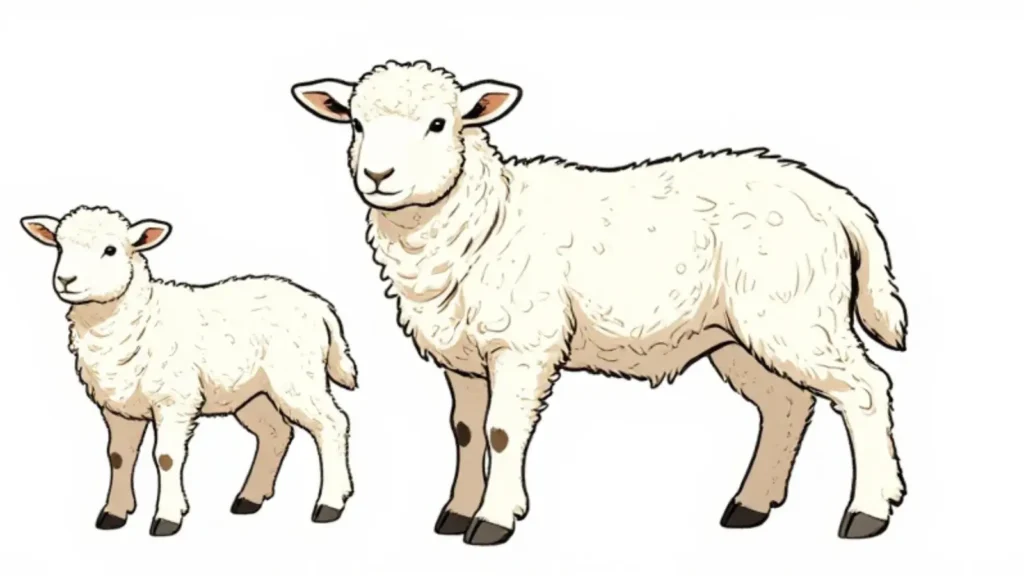
Within Judaism, lambs hold historical and religious significance, particularly in relation to the Passover story.
The Passover lamb symbolizes:
- Deliverance
- Covenant
- Obedience
- Divine protection
- Freedom
Its meaning is deeply connected to historical events and religious observance rather than generalized symbolism.
Lamb Symbolism in Other Cultures
Celtic Traditions
Pastoral life gave lambs associations with:
- Family
- Community
- Seasonal cycles
- Nature’s abundance
Chinese Symbolism
Sheep and lambs are commonly connected with:
- Kindness
- Filial respect
- Harmony
- Good fortune
- Gentleness
These meanings reflect broader cultural values emphasizing social balance and compassion.
Indigenous Perspectives
Many Indigenous cultures around the world developed symbolic systems independent of sheep because lambs were not native everywhere. Where sheep were introduced later, symbolic meanings often blended local traditions with imported religious beliefs.
This illustrates an important principle:
Symbolic meanings depend on historical and cultural context rather than being universally identical.
Psychological Meaning of Lamb Symbolism
Psychologically, the lamb often functions as a metaphor for aspects of human personality.
It may represent:
- Emotional openness
- Trust
- Vulnerability
- Empathy
- Moral innocence
- Desire for safety
Modern psychology does not assign fixed symbolic meanings to animals. Instead, therapists may explore personal symbolism based on an individual’s experiences, dreams, beliefs, and cultural background.
Lamb Symbolism in Dreams
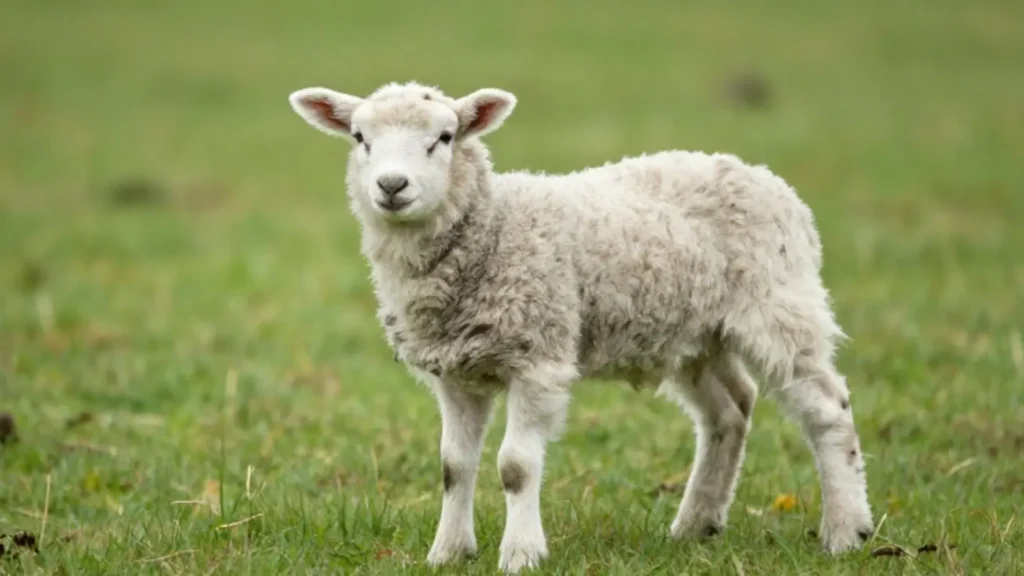
Dream interpretation varies widely.
People may interpret lamb dreams as representing:
| Dream Situation | Possible Symbolic Interpretation |
| White lamb | Peace or emotional healing |
| Lost lamb | Feeling vulnerable |
| Healthy lamb | New opportunities |
| Lamb with flock | Community and belonging |
| Holding a lamb | Responsibility or compassion |
These interpretations belong to symbolic traditions and should not be considered objective predictions.
Lamb Symbolism in Literature
Authors frequently use lambs as literary symbols because readers instantly recognize their emotional associations.
Common literary themes include:
- Childhood innocence
- Moral purity
- Fragility
- Selflessness
- Redemption
- Hope
Poets often contrast lambs with wolves to illustrate innocence confronting danger.
This symbolic contrast appears across children’s literature, religious poetry, allegories, and modern fiction.
Lamb Symbolism in Art
Artists use lamb imagery to communicate ideas without lengthy explanations.
Visual symbolism often includes:
- White wool for purity
- Gentle posture for peace
- Light backgrounds for hope
- Shepherd imagery for guidance
- Green meadows for renewal
From medieval paintings to contemporary illustrations, the lamb remains one of the most recognizable symbols of innocence.
Lamb Symbolism in Mythology and Folklore
Folklore often portrays lambs as fortunate animals connected with:
- Spring festivals
- Prosperity
- Good harvests
- Community celebrations
- Protective blessings
Although myths differ, recurring themes include renewal, fertility, and peaceful living.
Lamb Symbolism in Philosophy
Philosophers have long debated whether gentleness represents weakness or wisdom.
The lamb often symbolizes:
- Ethical restraint
- Moral courage
- Nonviolence
- Compassionate leadership
- Human goodness
Its symbolic role encourages reflection on how societies value kindness alongside strength.
Lamb Symbolism in Branding and Design
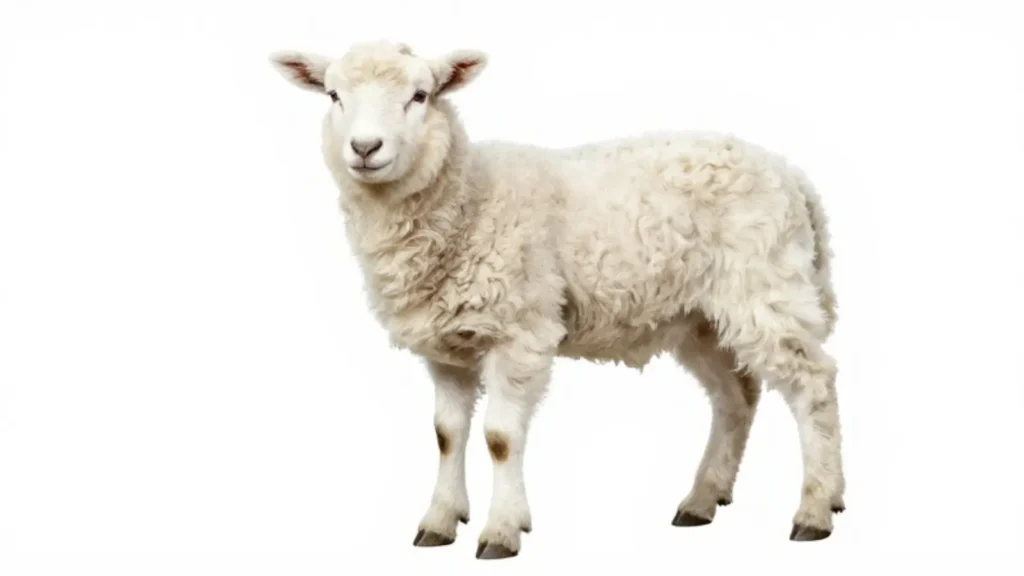
Modern brands carefully select symbols that create emotional connections.
Businesses may use lamb imagery to communicate:
- Natural products
- Purity
- Organic farming
- Family traditions
- Trustworthiness
- Gentle care
- Sustainability
Designers understand that consumers interpret symbols emotionally before consciously analyzing them.
Lamb Symbolism in Media and Popular Culture
Films, advertising, children’s stories, and digital media continue using lamb imagery because audiences immediately understand its symbolic language.
Modern uses often emphasize:
- Kindness
- Hope
- Protection
- Childhood
- Family
- Emotional safety
Even animated characters frequently borrow these traditional meanings.
Cultural Comparison of Lamb Symbolism
| Culture or Tradition | Primary Symbolic Meaning |
| Christianity | Sacrifice, redemption, salvation |
| Judaism | Deliverance, covenant, protection |
| Ancient Greece | Peaceful pastoral life |
| Celtic traditions | Community, fertility, renewal |
| Chinese culture | Harmony, kindness, respect |
| Modern Western culture | Innocence, gentleness, compassion |
Did You Know?
✔ Lambs have symbolized spring for thousands of years because they are commonly born during that season.
✔ White lambs became especially associated with purity in medieval European art.
✔ The contrast between the lamb and the wolf is one of history’s oldest symbolic oppositions.
✔ Lamb imagery appears in religious architecture, stained glass, manuscripts, paintings, sculptures, and literature around the world.
Expert Tip
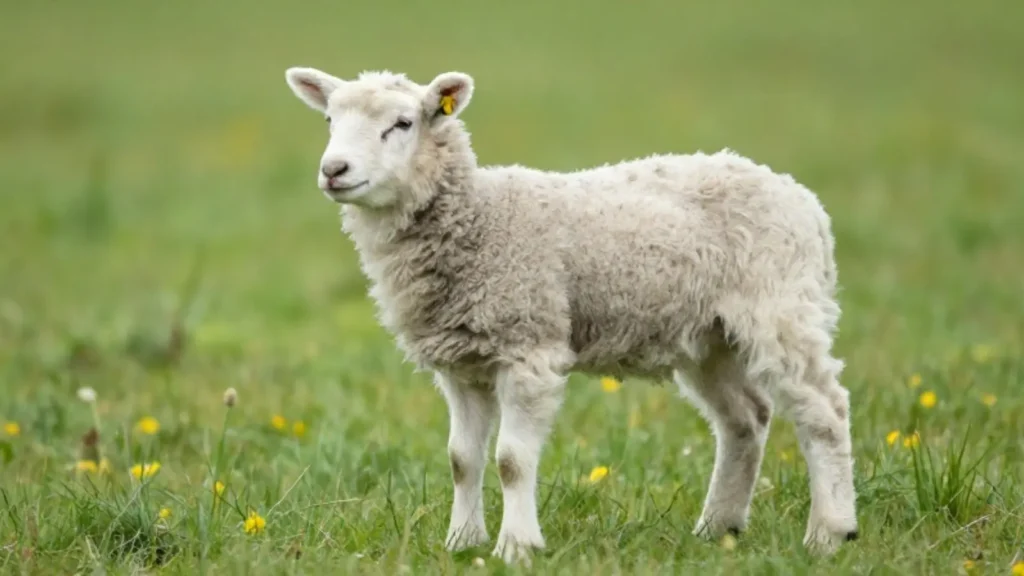
When interpreting lamb symbolism, always consider context.
A lamb in religious artwork may communicate redemption, while the same image in advertising may emphasize purity or natural quality. Symbols gain meaning through their cultural, historical, and visual setting.
Myth vs. Fact
| Myth | Fact |
| Lamb symbolism means exactly the same thing everywhere. | Symbolic meanings vary across cultures and historical periods. |
| Every dream about a lamb has one interpretation. | Dream symbolism is highly personal and culturally influenced. |
| Lamb symbolism is purely religious. | It also appears in literature, psychology, branding, folklore, and art. |
| Lambs always symbolize weakness. | Many traditions interpret gentleness as moral strength rather than weakness. |
Common Mistakes When Interpreting Lamb Symbolism
- Assuming every culture shares identical meanings.
- Ignoring historical context.
- Treating symbolic beliefs as scientific evidence.
- Overlooking artistic intent.
- Forgetting that personal experiences shape symbolism.
Practical Applications of Lamb Symbolism
Understanding lamb symbolism can improve communication in many fields.
Education
Teachers use symbolism to help students interpret literature and history.
Branding
Companies select meaningful imagery that builds emotional trust.
Graphic Design
Designers communicate values visually using symbolic elements.
Literature
Authors create memorable characters through symbolic associations.
Religious Studies
Scholars explore how symbols communicate theological ideas.
Psychology
Therapists may discuss symbolic imagery during narrative or expressive approaches, depending on individual context.
Key Insights
- Lamb symbolism combines historical tradition with emotional meaning.
- Innocence remains its most universal association.
- Religious traditions have shaped much of its modern significance.
- Art and literature reinforce these symbolic meanings across generations.
- Context determines interpretation.
- Symbols evolve while preserving core themes.
Why Lamb Symbolism Still Matters Today
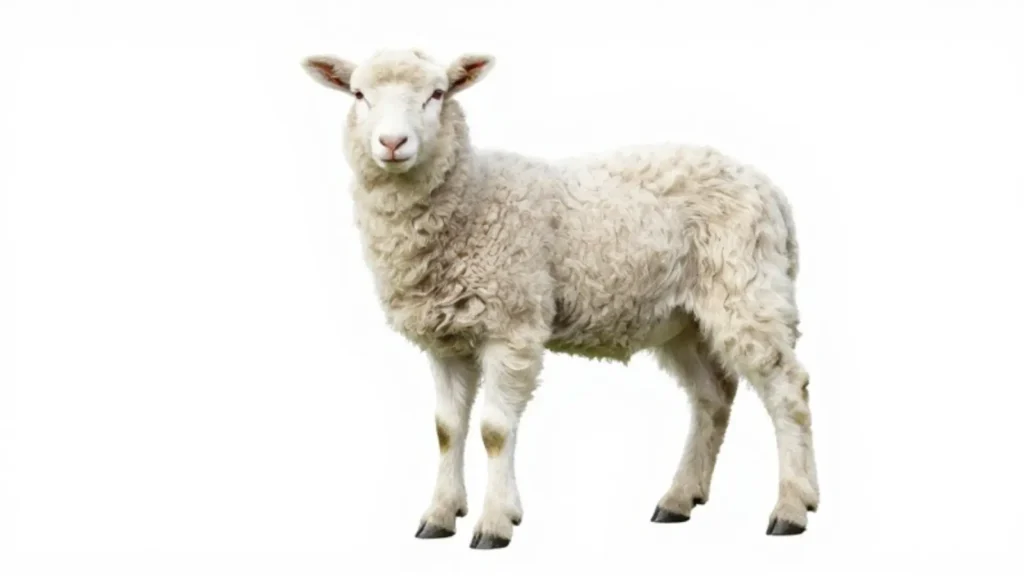
In today’s digital world, symbols communicate faster than words.
Whether appearing in:
- logos,
- illustrations,
- educational materials,
- religious ceremonies,
- children’s books,
- films,
- social media,
- or branding,
the lamb continues to evoke trust, peace, compassion, and hope.
Its enduring appeal lies in its ability to express timeless human ideals through a simple, recognizable image.
Conclusion
Lamb symbolism has endured across centuries because it reflects values that resonate across cultures—innocence, humility, compassion, peace, sacrifice, and renewal.
While interpretations differ depending on historical, religious, and cultural contexts, the lamb consistently serves as a powerful reminder that gentleness can coexist with resilience and that vulnerability often inspires empathy rather than weakness.
By understanding the many layers of lamb symbolism, readers gain a deeper appreciation for how symbols shape communication, influence art and literature, enrich religious traditions, strengthen branding, and express shared human values.
Whether viewed through the lens of history, psychology, spirituality, or design, the lamb remains one of humanity’s most meaningful and enduring symbolic figures.

Lucas Whitmore reveals the hidden messages behind symbols, signs, and traditions through detailed symbolism guides.
