Few flowers have carried as much symbolic meaning throughout history as the lily. Elegant, fragrant, and visually striking, lilies have inspired artists, poets, spiritual leaders, and cultures for thousands of years.
Whether appearing in religious paintings, wedding bouquets, mythology, literature, or modern branding, lily symbolism continues to represent some of humanity’s deepest values and emotions.
The meaning of a lily extends beyond beauty. Depending on its color, cultural context, and historical background, it can symbolize purity, renewal, love, motherhood, hope, remembrance, prosperity, transformation, or spiritual awakening.
These interpretations have evolved across civilizations while remaining remarkably relevant today.
Understanding lily symbolism offers valuable insight into visual communication, cultural traditions, emotional expression, and even contemporary design and branding.
Featured Snippet: What Does Lily Symbolism Mean?
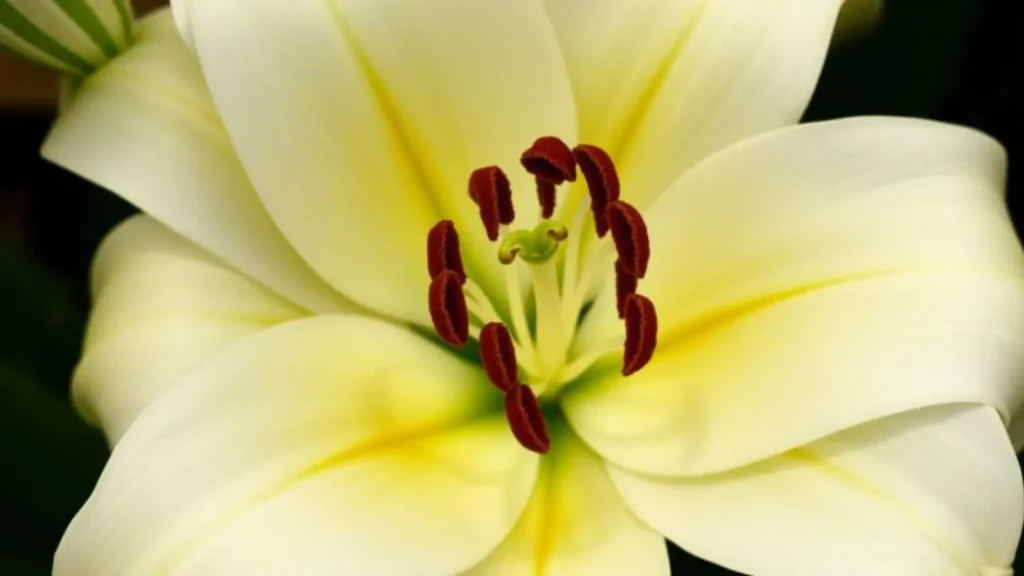
Lily symbolism primarily represents purity, innocence, renewal, devotion, hope, and spiritual growth. Across cultures and religions, lilies symbolize love, transformation, remembrance, motherhood, and divine beauty.
Their exact meaning varies depending on color, tradition, and historical context, making lilies one of the world’s most universally meaningful flowers.
What Is Lily Symbolism?
Lily symbolism refers to the cultural, spiritual, emotional, and historical meanings associated with lily flowers throughout human civilization.
Unlike decorative flowers that simply represent beauty, lilies have become powerful symbols because they repeatedly appear in:
- Religious traditions
- Ancient mythology
- Royal emblems
- Fine art
- Literature
- Weddings
- Funerals
- Cultural ceremonies
- Modern design
- Brand storytelling
Their elegant petals, symmetrical form, delicate fragrance, and seasonal blooming naturally inspired symbolic interpretations connected with life, virtue, hope, and renewal.
Historical Origins of Lily Symbolism
The symbolic journey of lilies stretches back thousands of years.
Ancient Egypt
Ancient Egyptians admired lilies for their beauty and connection to rebirth. Floral imagery frequently appeared in temples and decorative art representing life after death and divine creation.
Ancient Greece
Greek mythology connected lilies with motherhood and divine femininity.
One famous legend tells that lilies grew from drops of milk belonging to the goddess Hera, making the flower a symbol of maternal love and purity.
Ancient Rome
Romans associated lilies with:
- Beauty
- Fertility
- Marriage
- Prosperity
They often decorated celebrations and honored important life transitions with lilies.
Medieval Europe
During the Middle Ages, lilies became closely linked with Christian symbolism, representing purity, virtue, humility, and divine grace.
Artists frequently included white lilies in religious paintings.
Why Do Lilies Symbolize Purity?
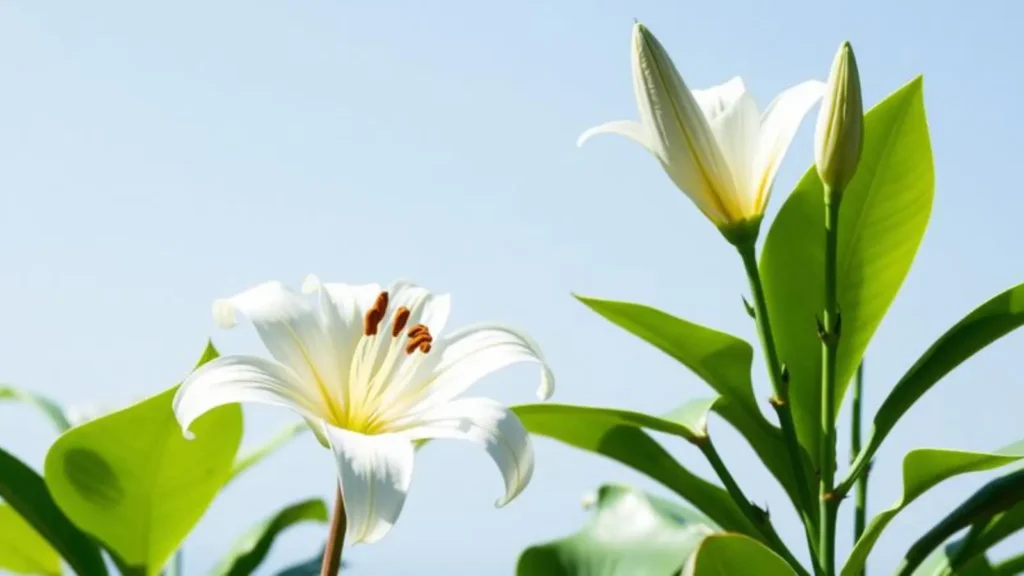
The connection between lilies and purity developed naturally through several characteristics.
Their Appearance
White petals naturally evoke ideas of:
- Cleanliness
- Simplicity
- Innocence
- Peace
Seasonal Growth
Lilies bloom after periods of dormancy, encouraging associations with:
- Renewal
- Fresh beginnings
- Hope
Religious Influence
Religious art strengthened these meanings over centuries by repeatedly depicting lilies alongside sacred figures.
Together, nature and culture reinforced purity as one of the flower’s strongest symbolic meanings.
Spiritual Meaning of Lily Symbolism
Spiritually, lilies often represent inner transformation rather than external perfection.
Common spiritual meanings include:
- Enlightenment
- Personal growth
- Faith
- Compassion
- Forgiveness
- Renewal
- Divine guidance
- Higher consciousness
Many spiritual traditions use flowers as visual reminders that growth often emerges after hardship.
Lilies beautifully illustrate this message through their seasonal blooming cycle.
Lily Symbolism in Christianity
In Christianity, lilies carry profound symbolic importance.
They commonly represent:
- Virginity
- Purity
- Resurrection
- Hope
- Eternal life
- Divine mercy
White lilies frequently appear during Easter celebrations because they symbolize Christ’s resurrection and victory over death.
They are also associated with the Virgin Mary, reflecting innocence, humility, and devotion.
Lily Symbolism in Other Cultures
Asian Traditions
In several Asian cultures, lilies symbolize:
- Good fortune
- Harmony
- Lasting relationships
- Family unity
- Prosperity
Some traditions associate lilies with happy marriages and lifelong partnerships.
Chinese Symbolism
In Chinese culture, lilies often represent:
- Abundance
- Long-lasting love
- Peace
- Family happiness
Because of linguistic associations, lilies are frequently included in wedding celebrations.
Japanese Symbolism
Japanese interpretations vary by species but commonly emphasize:
- Elegance
- Honor
- Renewal
- Natural beauty
Some varieties also represent resilience and refined character.
Western Traditions
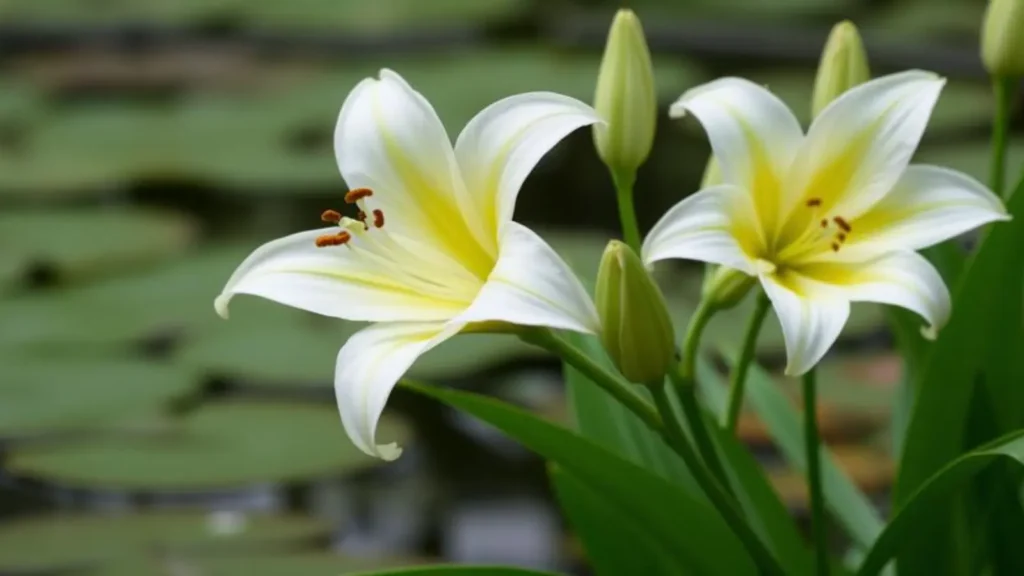
Across Europe and North America, lilies commonly symbolize:
- Sympathy
- Hope
- Innocence
- Respect
- Remembrance
- Compassion
Their use often depends on ceremony and flower color.
Psychological Meaning of Lily Symbolism
Flowers influence human perception through both biology and culture.
Psychologically, lilies often evoke feelings of:
- Calmness
- Safety
- Optimism
- Serenity
- Comfort
- Emotional healing
Their balanced structure, soft fragrance, and elegant form contribute to these emotional responses.
Although psychological reactions vary between individuals, many people associate lilies with peaceful environments and meaningful life moments.
Lily Symbolism in Mythology
Myths often use flowers to explain universal human experiences.
Lilies appear in stories connected with:
- Divine motherhood
- Fertility
- Love
- Beauty
- Rebirth
- Creation
Rather than representing a single universal meaning, mythology shows how different societies projected their own values onto the same flower.
Lily Symbolism in Literature
Authors frequently use lilies to communicate emotions without directly stating them.
Common literary symbolism includes:
- Lost innocence
- Pure love
- Mourning
- Spiritual awakening
- New beginnings
- Hope after suffering
Because readers recognize these associations, lilies become powerful storytelling devices.
Lily Symbolism in Art
Throughout art history, lilies appear in:
- Renaissance paintings
- Religious iconography
- Portraits
- Botanical illustrations
- Modern floral art
- Decorative design
Artists often use lilies to create emotional contrast between earthly life and spiritual ideals.
Their elegant structure also makes them visually balanced and aesthetically pleasing.
Lily Symbolism by Color
| Lily Color | Common Symbolism | Typical Uses |
| White | Purity, innocence, faith | Weddings, religious ceremonies |
| Pink | Love, admiration, compassion | Celebrations, friendships |
| Yellow | Happiness, gratitude, optimism | Gifts, joyful occasions |
| Orange | Passion, confidence, success | Achievement celebrations |
| Red | Romance, devotion, courage | Romantic gifts |
| Purple | Royalty, wisdom, spirituality | Ceremonial arrangements |
Color symbolism varies among cultures and individual traditions.
Lily Symbolism in Weddings
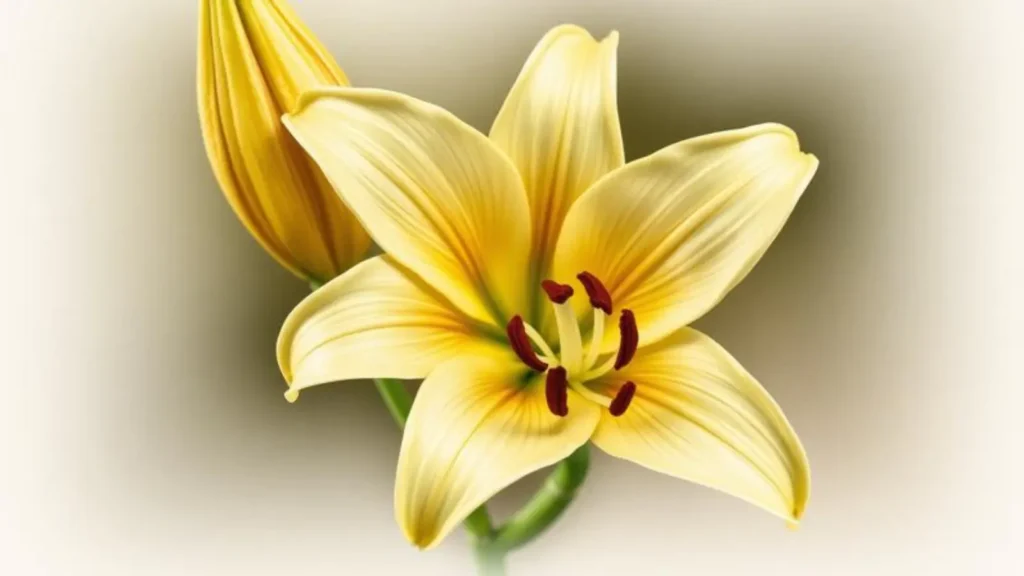
Lilies remain among the world’s most popular wedding flowers.
They commonly symbolize:
- New beginnings
- Faithfulness
- Lifelong commitment
- Pure love
- Family unity
Their timeless elegance complements ceremonies focused on hope and lasting partnership.
Lily Symbolism in Funerals
At memorial services, lilies represent:
- Peace
- Eternal rest
- Hope
- Spiritual transition
- Respect
- Remembrance
Rather than symbolizing sadness alone, they often express comfort and hope for renewal.
Lily Symbolism in Modern Branding
Brands use lilies to communicate qualities such as:
- Luxury
- Purity
- Wellness
- Beauty
- Sustainability
- Trust
- Calmness
Beauty companies, spas, wellness brands, and skincare businesses frequently incorporate lily imagery because consumers naturally associate flowers with care and refinement.
Lily Symbolism in Interior Design
Interior designers often choose lily motifs to create spaces that feel:
- Elegant
- Peaceful
- Bright
- Welcoming
- Sophisticated
Both fresh flowers and artistic representations influence emotional atmosphere.
Semiotics: Why Are Lilies Powerful Symbols?
Semiotics—the study of signs and symbols—helps explain why lilies communicate meaning so effectively.
A lily functions as:
- A visual sign
- A cultural symbol
- An emotional trigger
- A storytelling element
Its meaning develops through repeated cultural use rather than biology alone.
Over generations, societies attach shared emotional significance to the flower.
Did You Know?
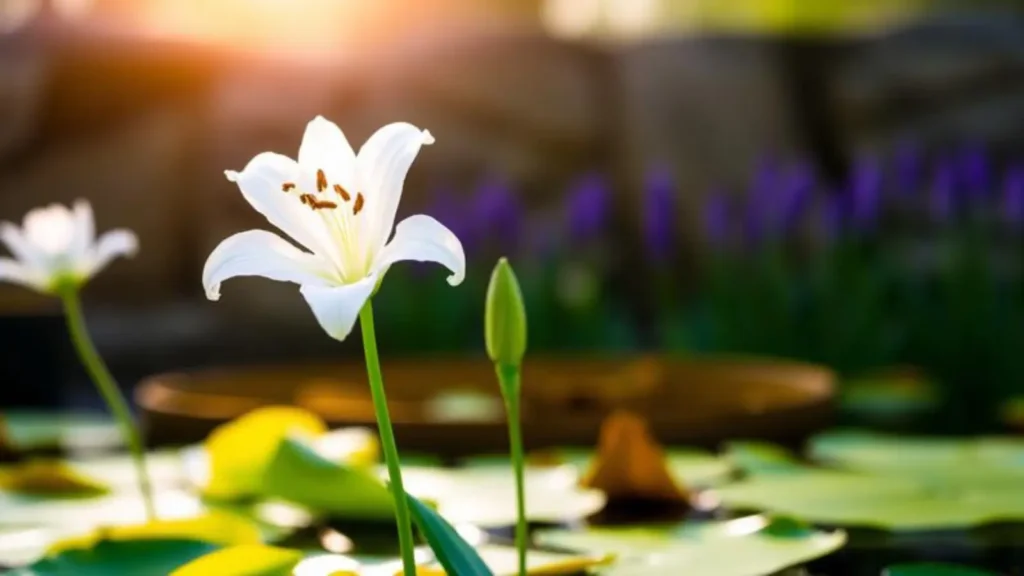
🌸 White lilies have symbolized purity for centuries because of both their appearance and repeated use in religious art.
🌸 Different lily colors often carry entirely different symbolic meanings.
🌸 Lilies appear in myths, paintings, literature, architecture, and ceremonial traditions across multiple continents.
🌸 Many people unknowingly communicate symbolic messages simply by choosing particular flowers.
Expert Tip
When selecting lilies for gifts or events, consider both flower color and cultural context.
A white lily may symbolize remembrance in one setting while representing celebration or spiritual purity in another.
Understanding context helps communicate your intended message respectfully.
Common Mistakes About Lily Symbolism
Assuming every lily means the same thing
Symbolic meanings differ across cultures, religions, and historical periods.
Ignoring flower color
Color dramatically changes symbolic interpretation.
Treating symbolism as universal fact
Symbolism reflects cultural traditions rather than scientific truths.
Overlooking historical context
Meanings evolve over time as societies change.
Myth vs. Fact
| Myth | Fact |
| Lilies only symbolize death. | They more commonly symbolize purity, hope, renewal, and love. |
| Every culture interprets lilies identically. | Meanings vary significantly worldwide. |
| Flower symbolism is scientifically proven. | Symbolism primarily develops through culture, history, and shared traditions. |
| White lilies always represent religion. | They can symbolize weddings, remembrance, peace, innocence, or spirituality depending on context. |
Practical Applications of Lily Symbolism
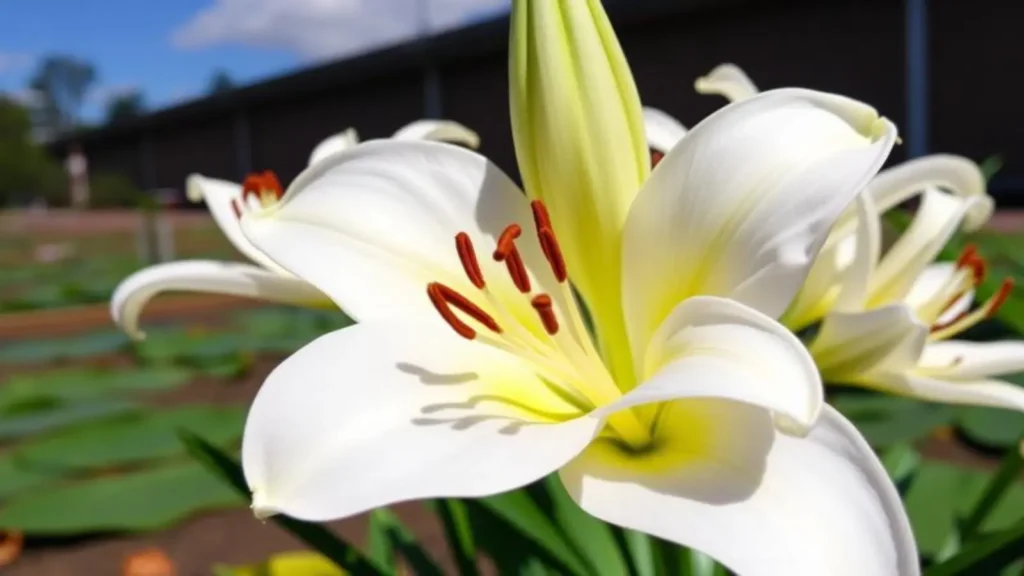
Understanding lily symbolism can improve communication in many fields.
Branding
Businesses use lilies to reinforce trust, elegance, and wellness.
Education
Teachers explore flower symbolism while discussing literature, mythology, or cultural studies.
Art
Artists use lilies to communicate themes without explicit explanation.
Event Planning
Florists carefully select lily colors based on ceremony purpose.
Marketing
Visual symbolism helps audiences instantly recognize emotional messages.
Personal Gifts
Choosing appropriate flowers demonstrates thoughtfulness and cultural awareness.
Key Insights
- Lily symbolism combines history, culture, psychology, and spirituality.
- Meanings differ depending on color, tradition, and context.
- White lilies remain the strongest symbol of purity and renewal.
- Religious traditions significantly shaped modern interpretations.
- Modern branding continues using lily symbolism to communicate trust, elegance, and wellness.
- Symbolic meanings continue evolving alongside society.
Conclusion
Lily symbolism has endured for thousands of years because it speaks to universal human experiences. Across civilizations, lilies have represented purity, hope, transformation, love, remembrance, and spiritual growth.
While individual interpretations vary according to culture, religion, color, and historical context, the flower consistently serves as a meaningful bridge between nature and human expression.
Today, lilies remain relevant in art, literature, branding, design, education, religion, and everyday communication.
Their enduring symbolism reminds us that flowers are more than decorative objects they are powerful visual languages capable of expressing emotions, beliefs, traditions, and shared cultural identities.
Understanding lily symbolism enriches our appreciation of both history and the subtle ways symbols continue to shape communication in the modern world.

Isabella Carter explores symbolism in nature, literature, art, and spirituality with engaging and informative research.
