Few animals have inspired human imagination as profoundly as the wolf. Across continents and centuries, wolves have appeared in myths, legends, religious traditions, literature, and visual art, representing qualities ranging from courage and loyalty to mystery and transformation.
Whether admired as noble guardians or feared as dangerous predators, wolves have always carried powerful symbolic meaning.
Today, wolf symbolism remains just as relevant. It influences storytelling, branding, tattoos, psychology, environmental awareness, leadership philosophies, and personal identity.
Understanding what wolves symbolize offers valuable insight into how different societies interpret strength, family, instinct, survival, and the relationship between humanity and nature.
Rather than having one universal meaning, wolf symbolism changes according to cultural traditions, historical experiences, and individual beliefs.
This rich diversity makes the wolf one of the world’s most fascinating symbolic animals.
Featured Snippet
Wolf symbolism generally represents intelligence, loyalty, courage, freedom, intuition, resilience, leadership, family bonds, and survival.
Across different cultures, wolves may symbolize protection, wisdom, spiritual guidance, transformation, or wild independence. Their meaning varies according to mythology, religion, folklore, psychology, and historical traditions.
Understanding Wolf Symbolism
Quick Answer
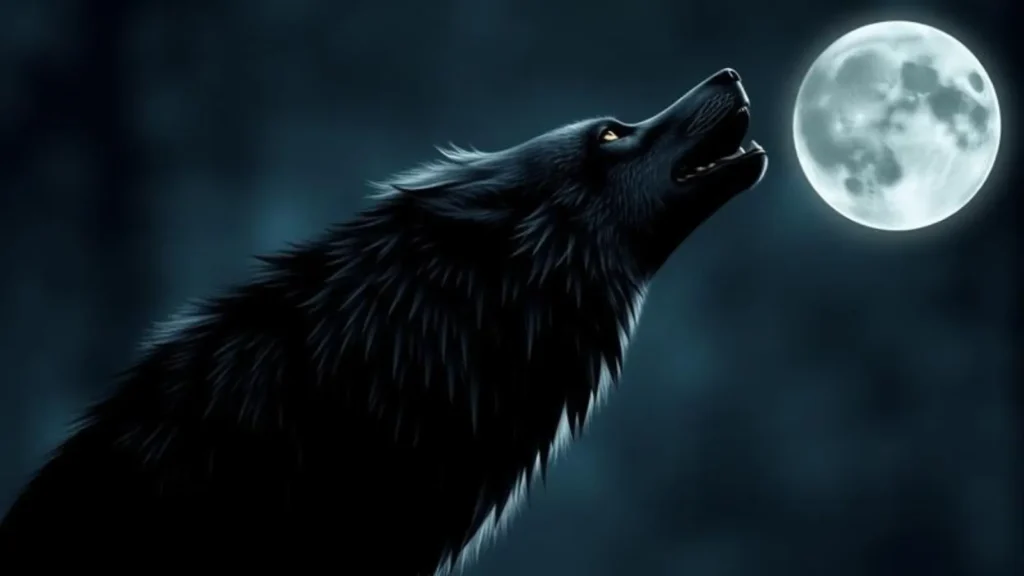
Wolf symbolism reflects the balance between independence and cooperation. Wolves survive through strong social relationships while maintaining remarkable resilience, making them enduring symbols of both personal strength and collective responsibility.
Unlike many symbolic animals that represent only one dominant quality, wolves embody multiple seemingly opposite characteristics:
- Independence and teamwork
- Wildness and wisdom
- Protection and danger
- Leadership and humility
- Instinct and intelligence
- Survival and compassion
This complexity explains why wolves appear so frequently across world cultures.
Historical Origins of Wolf Symbolism
Human fascination with wolves began thousands of years ago.
Ancient hunter-gatherers shared landscapes with wolves, observing their hunting strategies, communication, family structures, and adaptability. These observations gradually became stories, myths, and spiritual beliefs.
Early societies admired wolves because they demonstrated:
- Exceptional cooperation
- Strong family loyalty
- Strategic thinking
- Persistence
- Adaptability
- Courage under pressure
As civilizations evolved, wolves became symbols in folklore, military traditions, royal emblems, religious stories, and national identities.
Why Wolves Became Powerful Symbols
Several natural characteristics contribute to their symbolic importance.
Strong Family Bonds
Wolf packs consist of cooperative family groups.
This inspired symbolism related to:
- Unity
- Loyalty
- Parenting
- Protection
- Responsibility
Exceptional Intelligence
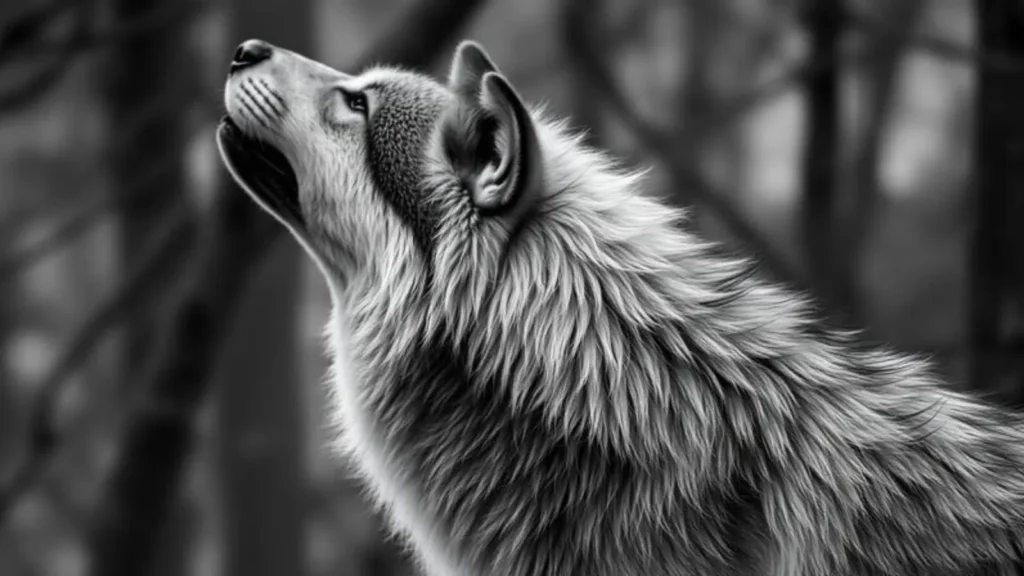
Wolves carefully observe, communicate, and solve problems.
Symbolically this represents:
- Wisdom
- Strategy
- Adaptability
- Good judgment
Survival Skills
Wolves thrive in some of Earth’s harshest environments.
This created associations with:
- Endurance
- Resilience
- Perseverance
- Courage
Instinct
The wolf’s remarkable awareness became symbolic of:
- Intuition
- Inner guidance
- Self-trust
- Awareness
Wolf Symbolism Across Different Cultures
Symbolic meanings differ around the world.
| Culture | Primary Symbolism | Common Interpretation |
| Native American traditions | Teacher, protector, guide | Wisdom and family loyalty |
| Norse mythology | Power, destiny, cosmic balance | Strength and transformation |
| Roman civilization | Protection and origins | Leadership and survival |
| Celtic traditions | Wilderness and intuition | Nature’s wisdom |
| Japanese folklore | Guardian spirit | Protection and good fortune |
| Mongolian culture | Strength and ancestry | Courage and endurance |
| Chinese traditions | Bravery and caution | Strength balanced by discipline |
| Modern Western symbolism | Independence and leadership | Personal empowerment |
Wolf Symbolism in Native American Traditions
Many Indigenous cultures across North America regard wolves with respect.
Although beliefs differ between nations, wolves frequently symbolize:
- Family unity
- Teaching
- Intelligence
- Hunting wisdom
- Spiritual guidance
- Community responsibility
Rather than viewing wolves simply as predators, many traditions see them as respected relatives within the natural world.
Wolf Symbolism in Norse Mythology
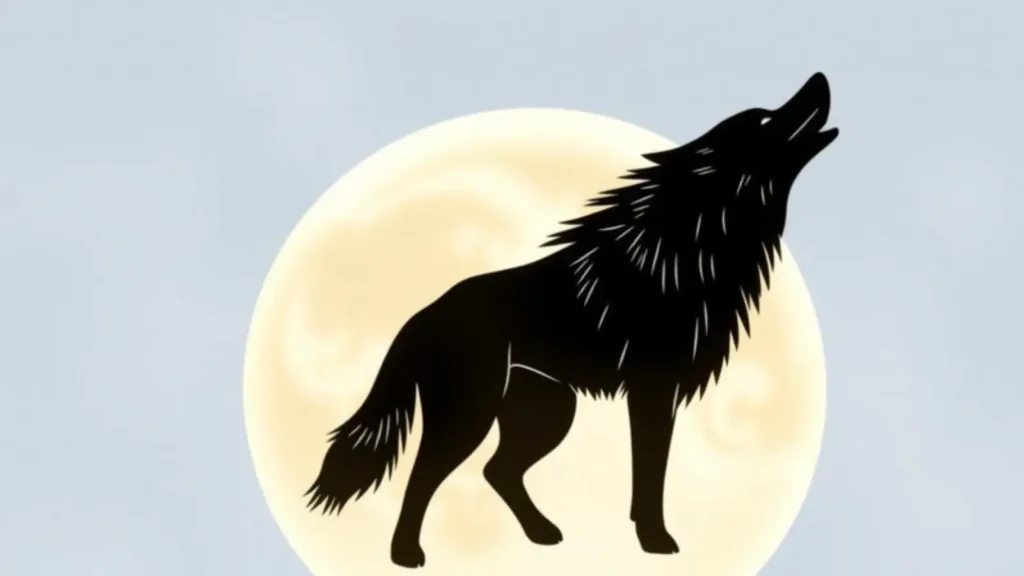
Norse mythology contains some of history’s most famous wolf figures.
Important symbolic wolves include:
Fenrir
Fenrir symbolizes:
- Immense power
- Fate
- Chaos
- Transformation
His story reflects humanity’s struggle between control and destiny.
Geri and Freki
These wolves accompany Odin.
They symbolize:
- Loyalty
- Wisdom
- Strength
- Divine companionship
Wolf Symbolism in Roman Tradition
The legendary she-wolf who cared for Romulus and Remus became one of Rome’s greatest national symbols.
Here, wolves represent:
- Protection
- Motherhood
- Survival
- National identity
- Leadership
The image remains one of history’s most recognizable symbols.
Wolf Symbolism in Celtic Culture
Celtic traditions often connected wolves with forests and wilderness.
They represented:
- Hidden knowledge
- Nature
- Independence
- Guardianship
- Intuition
Wolves also reflected humanity’s respect for untamed landscapes.
Spiritual Meaning of Wolf Symbolism
Many spiritual traditions interpret wolves as guides through life’s challenges.
Common spiritual meanings include:
Inner Wisdom
The wolf encourages listening to intuition.
Personal Freedom
Wolves remind people to remain authentic while respecting community.
Transformation
The wolf often appears during periods of personal growth.
Protection
Many spiritual interpretations describe wolves as guardians who encourage courage rather than fear.
Psychological Meaning of Wolf Symbolism
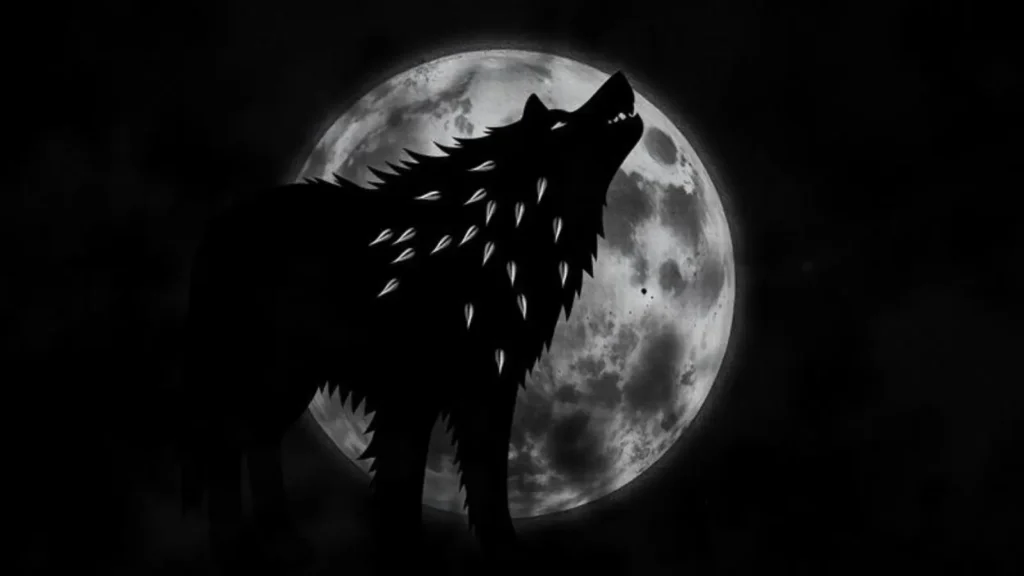
Modern psychology often examines animal symbolism through archetypes.
The wolf frequently represents:
- Self-confidence
- Emotional resilience
- Personal identity
- Independence
- Leadership
- Healthy boundaries
Psychologically, wolves may symbolize learning to trust one’s instincts while maintaining meaningful relationships.
Wolf Symbolism in Dreams
Dream interpretation varies significantly.
Some common symbolic themes include:
| Dream Scenario | Possible Symbolic Meaning |
| Friendly wolf | Guidance or protection |
| Running with wolves | Freedom and belonging |
| Lone wolf | Independence or isolation |
| Wolf pack | Community and teamwork |
| Howling wolf | Communication or emotional expression |
| White wolf | Wisdom and spiritual insight |
| Black wolf | Hidden emotions or transformation |
Dream meanings are personal and should not be interpreted as universal predictions.
Wolf Symbolism in Religion
Religious symbolism differs considerably.
Some traditions portray wolves positively as protectors or teachers.
Others use wolves as warnings against deception or danger.
Because religions developed in different environments and historical periods, symbolic meanings naturally evolved differently.
Wolf Symbolism in Literature
Authors frequently use wolves to represent:
- Freedom
- Moral conflict
- Courage
- Wilderness
- Survival
- Identity
Classic literature often portrays wolves as mirrors of human nature, exploring both noble and destructive qualities.
Wolf Symbolism in Art
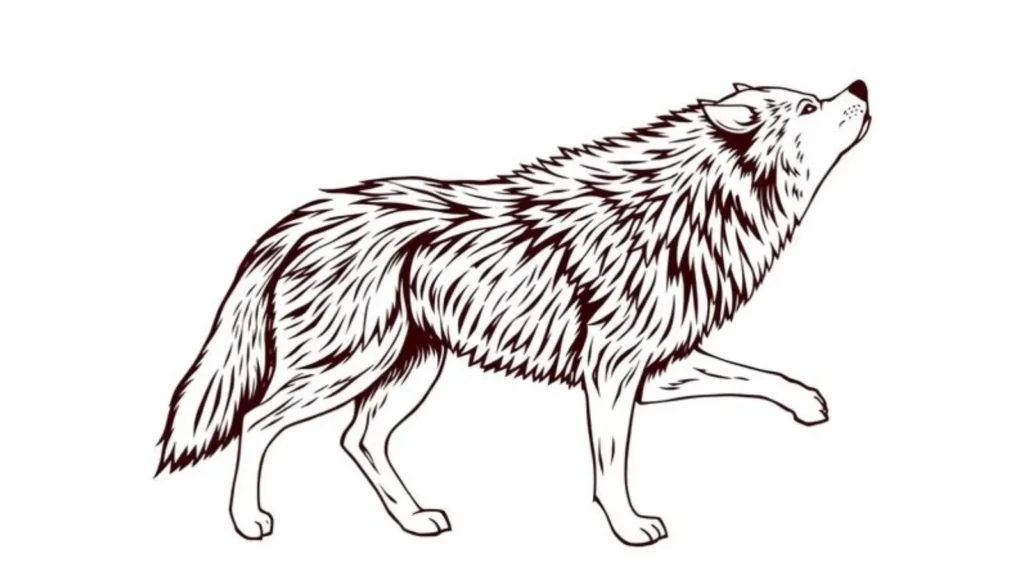
Artists have represented wolves through:
- Cave paintings
- Sculpture
- Medieval manuscripts
- Oil paintings
- Photography
- Contemporary digital illustration
Visual symbolism commonly emphasizes:
- Eyes
- Moonlight
- Forests
- Packs
- Mountains
- Snow
These artistic choices reinforce themes of instinct, mystery, and resilience.
Wolf Symbolism in Modern Branding
Brands frequently use wolf imagery because consumers associate wolves with:
- Leadership
- Intelligence
- Reliability
- Confidence
- Adventure
- Teamwork
Marketing professionals understand that symbolic animals communicate emotions instantly, often without words.
Wolf Symbolism in Tattoos
Wolf tattoos remain among the world’s most popular symbolic designs.
Common meanings include:
- Family
- Loyalty
- Personal strength
- Survival
- Independence
- Spiritual journey
- Courage
- Protection
Design variations influence symbolism.
For example:
- Wolf with moon
- Wolf pack
- Geometric wolf
- Tribal wolf
- Howling wolf
- White wolf
Each emphasizes different symbolic themes.
Wolf Symbolism in Popular Culture
Modern films, novels, games, and television continue expanding wolf symbolism.
Common themes include:
- Heroism
- Transformation
- Leadership
- Identity
- Adventure
- Survival
- Loyalty
These portrayals often combine ancient symbolism with contemporary storytelling.
Practical Applications of Wolf Symbolism
Understanding symbolic meaning has real-world value.
It influences:
- Leadership development
- Personal branding
- Logo design
- Education
- Storytelling
- Team building
- Character development
- Marketing
- Psychology
- Creative writing
Businesses and educators frequently use symbolic animals to communicate complex ideas quickly and emotionally.
Did You Know?
🐺 Wolves communicate using body language, scent, facial expressions, and vocalizations—not just howling.
🐺 Wolf packs are usually family groups rather than random collections of animals.
🐺 Many symbolic meanings associated with wolves originate from careful observation of their real social behavior.
Expert Tip
When interpreting wolf symbolism, always consider the cultural and historical context. A wolf may represent protection in one tradition, while symbolizing danger or chaos in another. Avoid assuming that one interpretation applies universally.
Common Mistakes About Wolf Symbolism
Mistake 1
Believing wolves symbolize only aggression.
Reality: Most traditions emphasize loyalty, intelligence, and family.
Mistake 2
Assuming every culture shares identical meanings.
Reality: Symbolism changes significantly between civilizations.
Mistake 3
Confusing mythology with scientific fact.
Reality: Symbolic stories express cultural values rather than biological research.
Mistake 4
Ignoring historical context.
Many symbolic interpretations developed from local relationships between humans and wolves.
Myth vs. Fact
| Myth | Fact |
| Wolves always symbolize evil | Many cultures view wolves positively. |
| Wolf symbolism has one meaning | Meanings vary across cultures. |
| Lone wolves are the primary symbol | Family and cooperation are equally important themes. |
| Ancient symbolism is outdated | Wolf symbolism continues influencing modern media, branding, and psychology. |
Philosophical Perspectives on Wolf Symbolism
Philosophically, wolves encourage reflection on enduring questions:
- What balances freedom and responsibility?
- How should individuals relate to communities?
- Can strength exist alongside compassion?
- How do instinct and reason work together?
These questions explain why wolves continue appearing in philosophical discussions about human nature.
Key Insights
- Wolves symbolize both individuality and cooperation.
- Historical meanings differ across societies.
- Spiritual interpretations focus on guidance and intuition.
- Psychological symbolism emphasizes resilience and self-awareness.
- Artistic representations highlight mystery, wilderness, and identity.
- Modern branding uses wolf symbolism to communicate confidence and leadership.
Conclusion
Wolf symbolism has endured for thousands of years because it reflects universal human experiences: survival, belonging, courage, wisdom, and transformation.
Across mythology, religion, folklore, psychology, literature, and modern culture, wolves remind us that true strength often comes from balancing independence with meaningful relationships.
Although interpretations vary between cultures and belief systems, the wolf consistently represents qualities that continue to shape communication, education, storytelling, branding, leadership, and artistic expression.
Appreciating these symbolic meanings allows us to better understand both the cultures that created them and the timeless human values they express.

Amelia Rosewood writes about symbolic meanings, ancient traditions, and the emotional connections between humans and symbols.
