Few animals have captured the human imagination as profoundly as the lion. Across civilizations, religions, myths, literature, and modern branding, lion symbolism has consistently represented qualities that people admire and aspire to embody.
From ancient Egyptian temples and African oral traditions to medieval coats of arms and contemporary corporate logos, the lion has become a universal visual language for strength, courage, authority, protection, and leadership.
Yet lion symbolism extends far beyond physical power. Different cultures interpret lions through unique historical, spiritual, psychological, and philosophical lenses.
While one society may view the lion as a divine guardian, another may emphasize wisdom, justice, or inner resilience. These layered interpretations demonstrate how symbols evolve alongside human culture.
Understanding lion symbolism helps us better appreciate history, religion, storytelling, visual communication, branding, psychology, and cultural identity.
It also explains why the lion remains one of humanity’s most enduring symbolic animals.
Featured Snippet: What Does Lion Symbolism Mean?
Lion symbolism generally represents courage, strength, leadership, nobility, protection, confidence, and authority. Across cultures, lions also symbolize royalty, justice, spiritual power, guardianship, and resilience.
Although meanings differ among traditions, the lion consistently serves as a powerful symbol of both physical strength and inner character.
What Is Lion Symbolism?
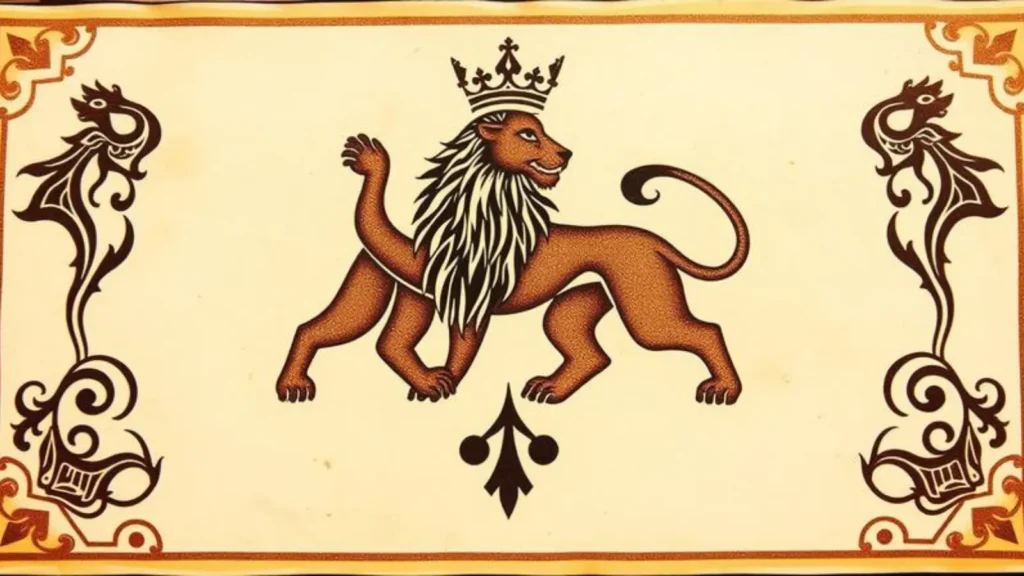
Lion symbolism refers to the cultural, psychological, artistic, and spiritual meanings people associate with lions. Rather than representing only the animal itself, the lion functions as a symbolic figure that communicates important values and ideals.
Common symbolic meanings include:
- Courage
- Leadership
- Strength
- Royalty
- Protection
- Confidence
- Wisdom
- Justice
- Honor
- Determination
- Authority
- Resilience
Because humans have admired lions for thousands of years, these meanings appear repeatedly across civilizations despite geographical differences.
Why Has the Lion Become Such a Powerful Symbol?
Short Answer
The lion became a powerful symbol because its physical characteristics naturally inspired respect, while its behavior reinforced ideas of courage, leadership, guardianship, and dominance.
Several factors contributed to this symbolism:
- Impressive appearance
- Powerful roar
- Protective behavior
- Position as a top predator
- Social pride structure
- Historical encounters with humans
- Artistic representation across civilizations
Ancient societies often associated powerful animals with rulers, gods, or spiritual guardians. Lions fit these roles remarkably well.
Historical Origins of Lion Symbolism
Human fascination with lions dates back thousands of years.
Prehistoric Art
Early cave paintings suggest humans admired large predators long before written history.
Although exact symbolic meanings remain uncertain, archaeological evidence indicates lions held significant cultural importance.
Ancient Egypt
Ancient Egyptians connected lions with:
- Royal protection
- Solar power
- Divine guardianship
- Military strength
Lion-headed deities represented protection and fierce justice.
Large stone lions also guarded temples and sacred spaces.
Mesopotamia
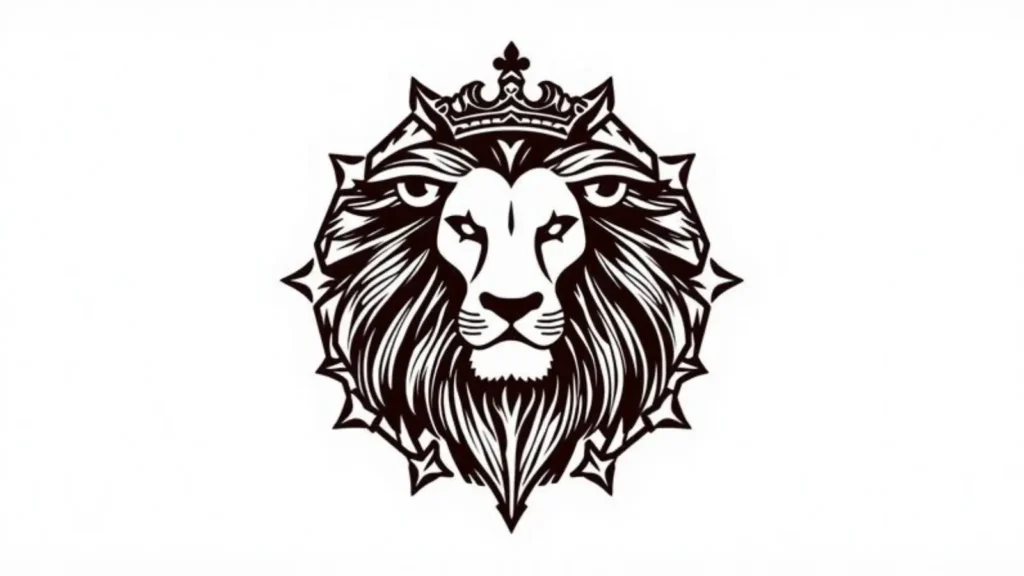
Kings often hunted lions to demonstrate their authority.
In royal art, defeating a lion symbolized:
- Political control
- Divine favor
- Heroic strength
Rather than diminishing the lion’s symbolic power, these depictions elevated both the king and the animal.
Ancient Greece
Greek mythology introduced famous lions, including the Nemean Lion defeated by Heracles.
The lion represented:
- Impossible challenges
- Heroic triumph
- Extraordinary courage
- Divine testing
Ancient Rome
Romans adopted lion imagery in:
- Military standards
- Public architecture
- Gladiatorial spectacles
- Imperial symbolism
The lion became associated with courage and imperial authority.
Lion Symbolism Across Different Cultures
| Culture | Primary Symbolic Meaning | Common Context |
| Ancient Egypt | Protection, divine power | Temples, gods |
| Greece | Heroism, courage | Mythology |
| Africa | Leadership, wisdom | Oral traditions |
| India | Royal authority, protection | Religion, sculpture |
| China | Guardianship, prosperity | Guardian lion statues |
| Europe | Nobility, royalty | Heraldry |
| Middle East | Strength, kingship | Ancient empires |
| Christianity | Courage, resurrection, kingship | Religious symbolism |
Despite cultural differences, courage and authority remain recurring themes.
Lion Symbolism in Psychology
Direct Answer
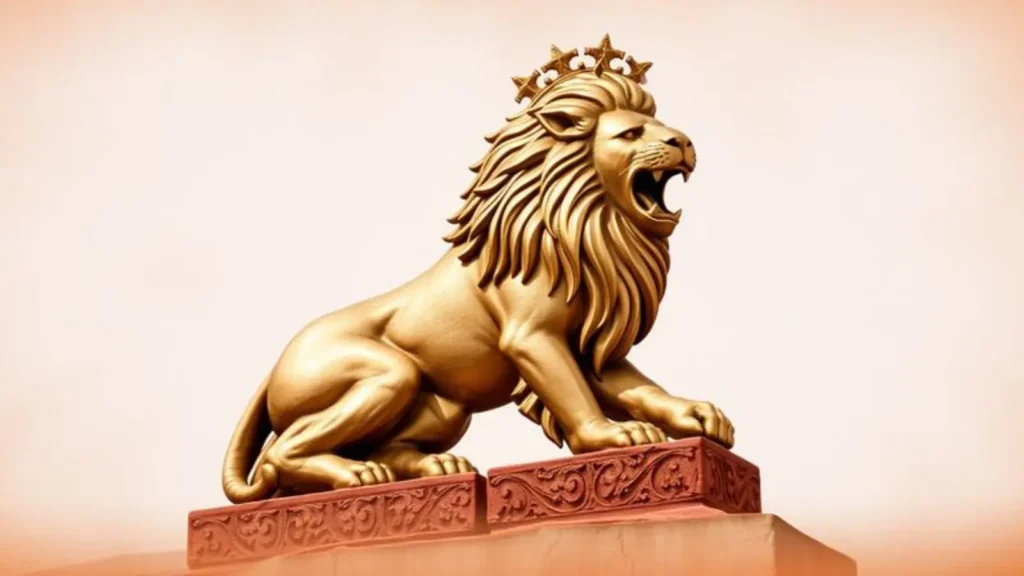
Psychologically, lions often symbolize personal confidence, inner strength, leadership potential, courage, and emotional resilience.
Modern psychology recognizes that humans naturally attach symbolic meaning to powerful animals.
The lion can represent:
- Personal growth
- Confidence
- Healthy self-esteem
- Responsibility
- Protective instincts
- Inner courage
- Emotional mastery
Rather than suggesting dominance over others, contemporary interpretations often emphasize mastery over oneself.
The Lion as an Archetype
In symbolic psychology, the lion frequently appears as an archetypal image.
It may represent:
- The courageous leader
- The protective parent
- The noble ruler
- The fearless hero
- The disciplined warrior
These symbolic roles appear repeatedly across stories, dreams, literature, and mythology.
Spiritual Meaning of Lion Symbolism
Many spiritual traditions associate lions with higher virtues rather than simple physical strength.
Common spiritual meanings include:
- Inner courage
- Divine protection
- Moral integrity
- Fearlessness
- Spiritual awakening
- Wisdom
- Faith
- Responsibility
Many people also view the lion as a reminder to balance strength with compassion.
Lion Symbolism in Religion
Christianity
Within Christianity, the lion appears in several symbolic contexts.
Common associations include:
- Strength
- Divine kingship
- Courage
- Resurrection imagery
- Justice
The “Lion of Judah” remains one of Christianity’s most recognized symbolic titles.
Hinduism
Lions appear alongside important deities.
They symbolize:
- Divine protection
- Righteous power
- Victory over evil
- Courage
Temple sculptures frequently portray lions guarding sacred spaces.
Buddhism
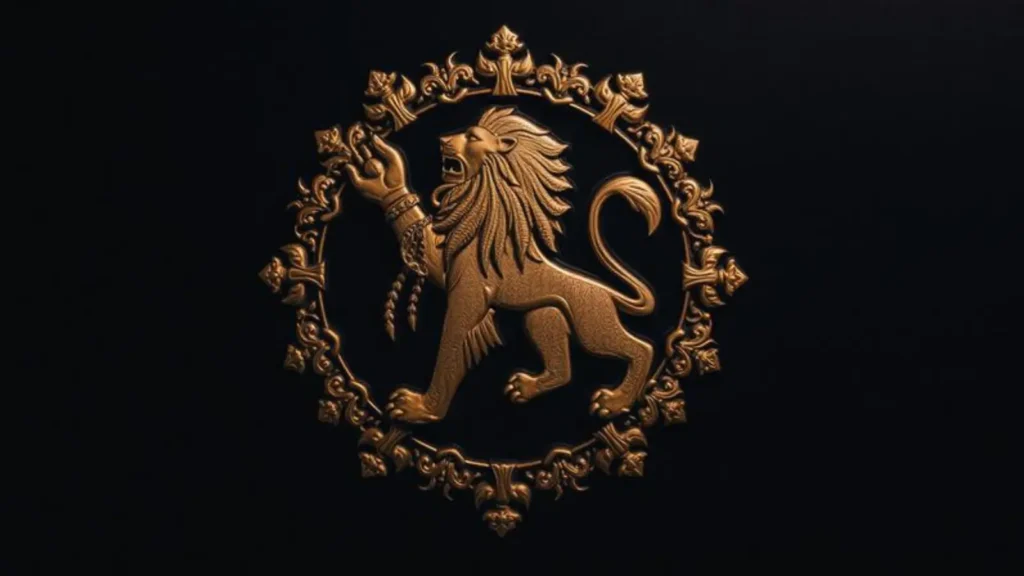
Although interpretations vary, lions often represent:
- Fearlessness
- Wisdom
- Noble speech
- Spiritual authority
The phrase “lion’s roar” symbolizes confident proclamation of truth.
Judaism
The Lion of Judah symbolizes:
- Tribal identity
- Leadership
- Royal lineage
- Courage
It remains an enduring religious emblem.
Lion Symbolism in African Traditions
Africa contains numerous cultural interpretations rather than one universal meaning.
Across many communities, lions symbolize:
- Leadership
- Community protection
- Wisdom
- Respect
- Balance within nature
Traditional stories often portray lions as both powerful and responsible.
Lion Symbolism in Asian Cultures
Chinese guardian lions are particularly famous.
Interestingly, these stone guardians represent symbolic lions rather than realistic wildlife.
They symbolize:
- Prosperity
- Protection
- Good fortune
- Security
- Balance
They frequently appear outside:
- Temples
- Government buildings
- Homes
- Businesses
Lion Symbolism in Art
Artists have used lions for centuries to communicate:
- Power
- Courage
- Heroism
- Justice
- Nobility
Lions appear in:
- Paintings
- Sculptures
- Architecture
- Coins
- Flags
- Ceramics
- Textiles
- Murals
Visual artists often use posture, facial expression, and composition to reinforce symbolic meaning.
Lion Symbolism in Literature
Authors frequently choose lions because readers instantly recognize their symbolic qualities.
Common literary meanings include:
- Heroism
- Moral courage
- Sacrifice
- Leadership
- Honor
- Justice
Whether appearing in mythology, fantasy, children’s stories, or historical fiction, lions often embody noble ideals.
Lion Symbolism in Mythology
Mythological lions appear across continents.
Examples include:
- Heroic beasts
- Divine guardians
- Celestial protectors
- Sacred companions
- Supernatural creatures
These stories demonstrate humanity’s long-standing fascination with the lion as more than an ordinary animal.
Lion Symbolism in Heraldry
Throughout medieval Europe, lions became dominant heraldic symbols.
They represented:
- Bravery
- Honor
- Royal bloodlines
- Military excellence
- Justice
Numerous national coats of arms still feature lions today.
Lion Symbolism in Branding and Marketing
Modern companies frequently use lion imagery because consumers naturally associate it with positive qualities.
Brands often communicate:
- Leadership
- Excellence
- Trust
- Prestige
- Protection
- Confidence
- Stability
Designers carefully consider color, posture, typography, and composition to reinforce these symbolic messages.
Expert Tip
Effective branding uses lion symbolism thoughtfully rather than relying solely on aggressive imagery. A calm, confident lion often communicates trust and leadership more effectively than an overly fierce depiction.
Lion Symbolism in Color Psychology
Color significantly changes symbolic interpretation.
| Lion Color | Symbolic Meaning |
| Gold | Royalty, success |
| White | Purity, spirituality |
| Black | Mystery, authority |
| Blue (artistic) | Wisdom, imagination |
| Red | Passion, courage |
| Bronze | Tradition, resilience |
Context always influences interpretation.
Lion Symbolism in Dreams
Dream interpretation varies widely and should not be considered scientifically predictive.
Many symbolic traditions associate lions in dreams with:
- Personal courage
- Leadership challenges
- Confidence
- Facing fears
- Inner strength
Dream meanings depend heavily on personal experiences and cultural beliefs.
Lion Symbolism in Modern Media
Today’s films, sports teams, books, and digital media continue using lion symbolism.
Popular themes include:
- Heroism
- Family
- Responsibility
- Leadership
- Sacrifice
- Justice
Digital storytelling has expanded the lion’s symbolic reach to global audiences.
Practical Applications of Lion Symbolism
Lion symbolism remains relevant in many fields.
Education
Teachers use lions to illustrate:
- Leadership
- Character development
- Storytelling
- Cultural studies
Business
Organizations incorporate lion imagery into:
- Logos
- Leadership training
- Corporate identity
- Brand positioning
Personal Development
Individuals embrace lion symbolism through:
- Motivational art
- Goal setting
- Confidence building
- Leadership coaching
Visual Communication
Designers employ lion imagery to communicate authority quickly and effectively.
Did You Know?
- Lions have symbolized royalty for thousands of years.
- Guardian lion statues in East Asia are symbolic protectors rather than realistic wildlife depictions.
- Lions appear on numerous national emblems and coats of arms.
- Many ancient civilizations independently developed lion symbolism despite cultural differences.
Myth vs. Fact
| Myth | Fact |
| Lion symbolism has one universal meaning. | Meanings vary across cultures and history. |
| Lions always symbolize aggression. | Many traditions emphasize wisdom, justice, and protection. |
| Modern branding invented lion symbolism. | Lion symbolism predates modern branding by thousands of years. |
| Dream symbolism is scientifically proven. | Dream interpretations are cultural and psychological, not universally established scientific facts. |
Common Mistakes When Interpreting Lion Symbolism
- Assuming every culture assigns identical meanings.
- Confusing mythology with historical evidence.
- Ignoring religious context.
- Treating symbolic beliefs as scientific facts.
- Overlooking artistic interpretation.
Balanced interpretation requires considering history, culture, religion, psychology, and context together.
Key Insights
- Lion symbolism combines physical strength with moral character.
- Historical meanings continue influencing modern communication.
- Cultural context shapes symbolic interpretation.
- Designers and brands rely on established symbolic associations.
- Spiritual traditions often emphasize courage, wisdom, and protection rather than aggression.
Why Lion Symbolism Still Matters Today
Modern society continues using symbols because they communicate complex ideas instantly.
Lion symbolism influences:
- Brand identity
- Education
- Literature
- Sports
- Politics
- Architecture
- Religious art
- Digital communication
- Storytelling
- Leadership training
Its enduring appeal lies in its ability to represent both external strength and inner integrity.
Conclusion
Lion symbolism has remained remarkably consistent across centuries because it reflects qualities that humans universally admire—courage, leadership, resilience, protection, and honor.
Although interpretations differ among cultures, religions, and historical periods, the lion continues to serve as one of the world’s most recognizable symbolic figures.
Whether encountered in mythology, sacred texts, national emblems, literature, architecture, corporate branding, or everyday visual communication, the lion reminds us that true strength extends beyond physical power.
It includes wisdom, responsibility, justice, compassion, and the courage to lead with integrity. Understanding lion symbolism therefore enriches our appreciation of history, culture, design, storytelling, religion, and the many ways symbols continue to shape human communication and identity.

Olivia Hartwell explores the hidden meanings behind symbols, animals, colors, dreams, and cultural traditions through insightful symbolism research.
