Purple symbolism represents royalty, wisdom, spirituality, creativity, mystery, transformation, luxury, and imagination.
Throughout history, the color purple has carried deep cultural, religious, psychological, and artistic meanings, making it one of the most powerful symbolic colors used in communication, identity, design, literature, branding, and spiritual traditions.
Introduction
Colors communicate long before words do, influencing emotions, shaping perceptions, and conveying cultural messages across societies. Among all colors, purple symbolism has consistently stood apart because of its unique association with power, rarity, imagination, and spiritual depth.
Unlike colors commonly found in nature, purple has historically been rare and expensive to produce. This rarity elevated it from a simple pigment to a symbol of prestige, sacred authority, and intellectual enlightenment.
Today, purple continues to appear in everything from luxury branding and religious ceremonies to meditation spaces, fashion, education, and digital marketing.
Understanding purple symbolism helps explain why this remarkable color continues to influence architecture, art, storytelling, religion, psychology, consumer behavior, and visual communication across the world.
Featured Snippet: What Does Purple Symbolism Mean?
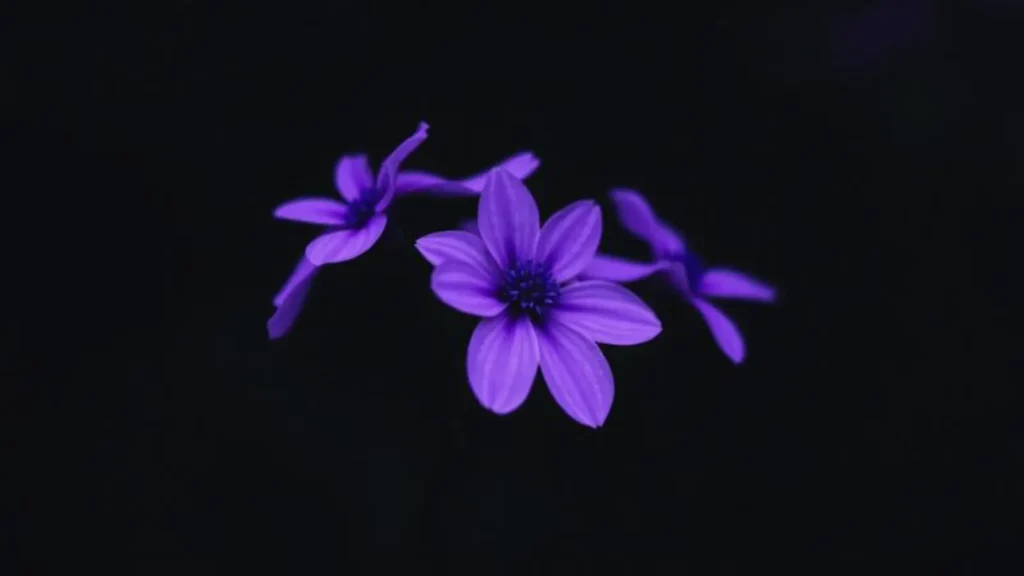
Purple symbolism represents royalty, spirituality, wisdom, luxury, creativity, mystery, transformation, and inner awareness. Historically associated with wealth because purple dyes were rare and expensive, the color now symbolizes both material prestige and spiritual growth while carrying different meanings across cultures and historical traditions.
Understanding Purple Symbolism
Short Answer
Purple symbolizes the balance between earthly power and spiritual wisdom.
It combines two highly symbolic colors:
- Blue represents stability, truth, calmness, and intelligence.
- Red symbolizes passion, strength, courage, and vitality.
Together they create a color associated with both emotional depth and intellectual maturity.
Purple often communicates:
- Leadership
- Nobility
- Higher consciousness
- Creativity
- Individuality
- Transformation
- Reflection
- Mystery
- Vision
- Imagination
Its symbolic versatility explains why it appears across civilizations, religions, and artistic traditions.
The Historical Origins of Purple Symbolism
Ancient Civilizations
Purple’s symbolic journey began thousands of years ago.
One of the earliest and most valuable purple dyes came from Tyrian purple, extracted from Mediterranean sea snails. Producing even a small amount required thousands of shells, making the dye extraordinarily expensive.
As a result:
- Kings wore purple.
- Emperors adopted purple robes.
- Religious leaders used purple garments.
- Nobility displayed purple textiles.
- Governments restricted purple clothing to elite classes.
Purple became a visual language of authority before written symbols became widespread.
Roman Empire
In ancient Rome:
- Purple represented imperial authority.
- Senators wore garments with purple stripes.
- Emperors reserved full purple robes.
- Unauthorized use could even be punished.
Purple became synonymous with political legitimacy.
Byzantine Empire
The Byzantine Empire further strengthened purple symbolism.
The phrase “born in the purple” referred to children born into the imperial family.
Purple represented:
- Divine authority
- Legitimate succession
- Sacred kingship
- Political stability
Why Purple Became a Symbol of Royalty
The Main Reasons
| Historical Factor | Symbolic Meaning |
| Rare dye | Wealth |
| High production cost | Exclusivity |
| Limited availability | Prestige |
| Royal ownership | Authority |
| Religious use | Sacred power |
| Luxurious fabrics | Nobility |
Because few people could afford purple, it naturally became associated with elite status.
Even after synthetic dyes made purple affordable, the symbolism remained.
Purple Symbolism in Different Cultures
Western Cultures
Purple commonly symbolizes:
- Royalty
- Luxury
- Wisdom
- Creativity
- Individuality
- Ambition
It is frequently used in:
- Universities
- Luxury brands
- Government ceremonies
- Academic regalia
Eastern Traditions
Across parts of Asia, purple often represents:
- Spiritual enlightenment
- Harmony
- Prosperity
- Wisdom
- Dignity
Interpretations vary significantly by country and historical tradition.
Japan
Historically, purple represented:
- Nobility
- High social rank
- Wisdom
- Cultural refinement
It became associated with aristocratic elegance.
Thailand
Purple may carry associations with mourning in certain contexts, particularly for widows, illustrating how symbolic meanings depend on local customs rather than universal rules.
Brazil
Purple is often connected with religious observances and mourning during particular Christian traditions.
Indigenous Perspectives
Some Indigenous cultures use purple in ceremonial art and storytelling, where its meaning may relate to spirituality, ancestry, or natural cycles. Interpretations vary widely and should be understood within each community’s own traditions rather than generalized.
Purple Symbolism in Religion
Purple appears throughout many religious traditions.
Christianity
Purple symbolizes:
- Repentance
- Reflection
- Preparation
- Royal dignity
- Spiritual authority
It is especially visible during Advent and Lent.
Buddhism
Purple often represents:
- Compassion
- Wisdom
- Higher awareness
- Meditation
- Inner peace
Although practices differ among Buddhist traditions, purple is commonly associated with spiritual development.
Hindu Traditions

Purple may symbolize:
- Higher consciousness
- Meditation
- Inner transformation
- Divine wisdom
These meanings are often connected to philosophical and spiritual interpretations rather than prescribed religious symbolism.
Purple Symbolism in Psychology
How Purple Influences Human Perception
Color psychology suggests that people often associate purple with:
- Creativity
- Reflection
- Imagination
- Sophistication
- Luxury
These are common psychological associations rather than universal responses, and individual experiences can differ based on culture and personal history.
Purple is frequently chosen in environments intended to encourage thoughtful, imaginative, or premium experiences.
Purple and Creativity
Artists, designers, and writers often use purple to suggest:
- Innovation
- Original thinking
- Fantasy
- Vision
- Inspiration
Because purple sits between warm and cool colors, it often communicates balance between emotion and intellect.
Spiritual Meaning of Purple
Many spiritual traditions associate purple with:
- Transformation
- Inner wisdom
- Intuition
- Meditation
- Personal growth
- Enlightenment
- Higher purpose
Purple is commonly used in meditation rooms, healing spaces, and spiritual artwork because it evokes contemplation rather than urgency.
Purple Symbolism in Art
Artists have long used purple to express emotional complexity.
Purple may symbolize:
- Mystery
- Melancholy
- Majesty
- Hope
- Imagination
- Dreams
- Divine presence
Painters often use purple shadows and backgrounds to create emotional depth beyond what neutral colors can achieve.
Purple Symbolism in Literature
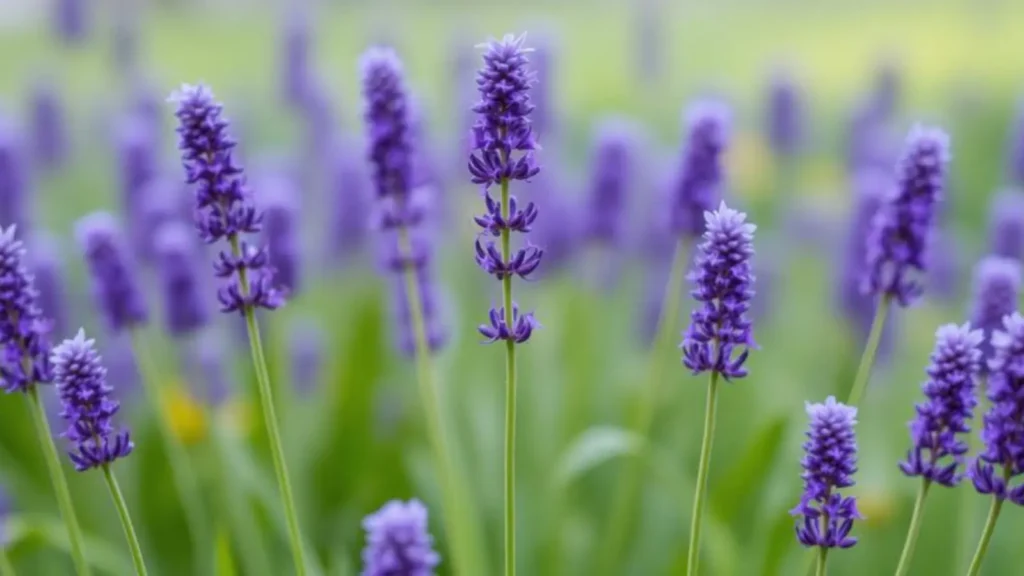
Authors frequently use purple imagery to communicate themes of:
- Transformation
- Royal heritage
- Magic
- Wisdom
- Isolation
- Spiritual awakening
Purple often appears in fantasy literature because it naturally evokes mystery and wonder.
Purple in Mythology and Folklore
Purple frequently appears in myths involving:
- Divine rulers
- Sacred ceremonies
- Magical realms
- Prophecy
- Hidden knowledge
- Immortality
Its rarity reinforced its association with extraordinary events and supernatural beings.
Purple Symbolism in Branding
Many premium brands use purple to communicate:
- Luxury
- Innovation
- Exclusivity
- Imagination
- Premium quality
- Confidence
Why Companies Choose Purple
Purple helps brands appear:
- Elegant
- Sophisticated
- Creative
- Intelligent
- Memorable
It is especially common in industries involving beauty, education, technology, wellness, and luxury goods.
Purple in Interior Design
Interior designers often use purple to create spaces that feel:
- Elegant
- Peaceful
- Luxurious
- Artistic
- Comfortable
Darker purples create dramatic environments, while lighter shades such as lavender suggest calmness and relaxation.
Purple in Fashion
Purple clothing has long communicated:
- Individuality
- Confidence
- Prestige
- Creativity
Today, purple fashion can express both timeless sophistication and modern self-expression.
Purple in Modern Digital Communication
Purple appears widely in:
- Mobile apps
- Website interfaces
- Social media branding
- Gaming
- Artificial intelligence branding
- Creative software
Its modern symbolism combines innovation with trust and imagination.
Purple Symbolism in Education
Purple is often associated with:
- Academic excellence
- Intellectual curiosity
- Independent thinking
- Higher learning
Many educational institutions include purple in ceremonial attire because of its long-standing association with wisdom and scholarship.
Purple and Human Identity
Purple has increasingly become a symbol of:
- Individual expression
- Personal transformation
- Creative identity
- Inclusivity
- Self-discovery
Modern symbolism continues to evolve alongside changing cultural values.
Practical Applications of Purple Symbolism
Purple symbolism is valuable in many professional fields:
| Field | Practical Use |
| Branding | Premium positioning |
| Marketing | Luxury perception |
| Interior design | Elegant environments |
| Education | Academic prestige |
| Art | Emotional storytelling |
| Literature | Symbolic depth |
| Religion | Sacred ceremonies |
| Fashion | Personal identity |
| UX design | Creative interfaces |
| Architecture | Monumental significance |
Did You Know?
- Purple was once among the world’s most expensive colors.
- Ancient purple dyes could require thousands of sea snails to produce.
- Purple has symbolized royalty for more than two thousand years.
- Many universities continue using purple in academic ceremonies.
- Lavender, violet, and deep purple each carry slightly different emotional associations.
Expert Tip
When using purple in branding or design, consider the shade carefully.
- Deep purple suggests luxury and authority.
- Violet emphasizes imagination.
- Lavender conveys calmness and gentleness.
- Plum often communicates sophistication.
- Mauve creates a softer, nostalgic feeling.
Different shades can significantly influence audience perception.
Common Mistakes About Purple Symbolism
❌ Assuming purple means the same thing everywhere.
Symbolic meanings vary across cultures and historical contexts.
❌ Believing purple always represents wealth.
While historically linked to luxury, modern interpretations also emphasize creativity, spirituality, and individuality.
❌ Ignoring shade differences.
Dark purple, violet, lavender, and lilac each evoke distinct emotional responses.
Myth vs. Fact
| Myth | Fact |
| Purple only symbolizes royalty. | It also represents creativity, spirituality, wisdom, and transformation. |
| Purple has identical meanings worldwide. | Cultural interpretations vary considerably. |
| Purple symbolism is purely religious. | It spans psychology, branding, literature, history, and design. |
| Purple is only a feminine color. | Historically it symbolized power, authority, and leadership across genders. |
Key Insights
- Purple combines emotional strength with intellectual depth.
- Historical rarity shaped its enduring prestige.
- Religious traditions connect it with reflection and spiritual growth.
- Designers use purple to communicate creativity and luxury.
- Cultural context remains essential when interpreting symbolic meaning.
- Purple continues evolving as societies redefine identity and communication.
Why Purple Symbolism Still Matters Today
Purple remains relevant because symbols influence everyday decisions.
Whether someone chooses a logo, designs a classroom, creates artwork, writes a novel, develops a marketing campaign, or decorates a home, purple communicates messages that audiences often recognize intuitively.
Its symbolism bridges history and modernity, connecting ancient royal traditions with contemporary creativity and innovation.
Conclusion
Purple symbolism has evolved from a rare royal pigment into one of humanity’s richest visual languages. Across history, it has represented authority, spirituality, creativity, wisdom, transformation, and imagination.
While meanings vary across cultures, religions, and historical periods, purple consistently conveys significance beyond ordinary visual appeal.
Understanding purple symbolism enables better communication in branding, education, design, literature, religion, media, architecture, and everyday life.
By recognizing its historical origins and modern interpretations, individuals and organizations can use purple more thoughtfully to express identity, inspire creativity, evoke emotion, and communicate lasting meaning.

Nathaniel Brooks analyzes symbols, their origins, cultural importance, and psychological impact across history and modern society.
