Few flowers have captured the imagination of humanity as beautifully as the peony. Admired for its lush petals, vibrant colors, and delicate fragrance, the peony has become far more than an ornamental bloom.
Across civilizations, peony symbolism represents prosperity, romance, honor, compassion, healing, abundance, and enduring beauty.
Yet these meanings are not universal—they have evolved through centuries of mythology, religion, folklore, literature, and cultural traditions.
Today, peonies continue to influence everything from wedding bouquets and luxury branding to fine art, interior design, fashion, and social media aesthetics.
Understanding peony symbolism offers valuable insight into how flowers communicate emotions, preserve cultural heritage, and shape visual storytelling across generations.
Whether you’re choosing flowers for a meaningful occasion, exploring floral symbolism, or simply curious about cultural traditions, this guide explores the rich symbolism of the peony from historical, psychological, artistic, and spiritual perspectives.
Featured Snippet Answer
Peony symbolism primarily represents prosperity, love, honor, compassion, happiness, and good fortune. Across many cultures, especially in East Asia, peonies symbolize wealth, romance, feminine beauty, and success. Their meanings vary depending on cultural traditions, flower color, historical context, and personal interpretation, making them one of the world’s most symbolically significant flowers.
Understanding Peony Symbolism
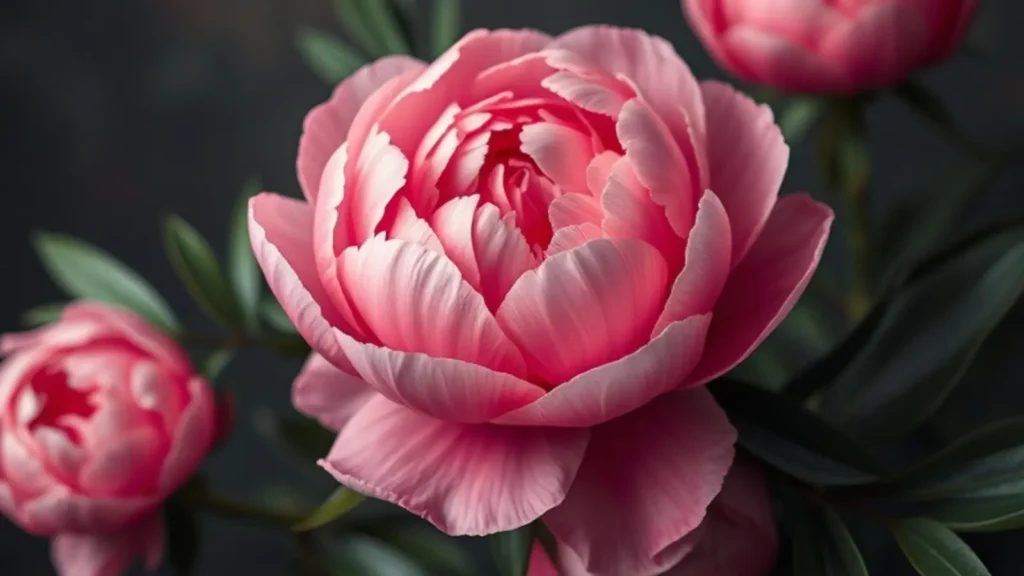
Quick Answer
The peony symbolizes positive life experiences, including:
- Prosperity
- Romance
- Honor
- Good fortune
- Compassion
- Beauty
- Happiness
- Healing
- Nobility
- Long-lasting relationships
Unlike flowers associated with a single emotion, peonies carry multiple layers of symbolism that have developed across different societies.
The Historical Origins of Peony Symbolism
The symbolic journey of the peony stretches back thousands of years.
Ancient civilizations admired the flower not only for its beauty but also for its medicinal properties. Traditional herbal medicine used peony roots to treat various ailments, gradually connecting the flower with healing and protection.
Over centuries, rulers, artists, scholars, and gardeners elevated the peony into a symbol of prestige and refinement.
Historical symbolism developed through several influences:
- Royal gardens
- Traditional medicine
- Mythology
- Religious ceremonies
- Poetry
- Decorative arts
- Imperial culture
- Botanical appreciation
Its long cultivation history helped establish the peony as one of the world’s most celebrated symbolic flowers.
Peony Symbolism Across Different Cultures
| Culture | Primary Symbolism | Common Associations |
| Chinese | Wealth, prosperity, honor | Imperial status, happiness |
| Japanese | Courage, elegance, good fortune | Balance, compassion |
| Western | Romance, marriage, abundance | Love, celebration |
| Greek | Healing, mythology | Protection, transformation |
| Victorian | Bashfulness, romance | Emotional expression |
This diversity illustrates how symbolism evolves alongside cultural values.
Peony Symbolism in Chinese Culture
Perhaps nowhere is the peony more revered than in China.
Often called the King of Flowers, the peony has represented:
- Wealth
- Nobility
- Prosperity
- National pride
- Feminine elegance
- Social status
- Good fortune
For centuries, emperors cultivated peonies in palace gardens, reinforcing their association with prestige and abundance.
Today, peonies remain popular during celebrations, weddings, and Lunar New Year decorations.
Peony Symbolism in Japanese Tradition
Japanese symbolism emphasizes harmony and emotional balance.
Peonies commonly represent:
- Good luck
- Honor
- Courage
- Grace
- Prosperity
- Family happiness
Traditional Japanese art often pairs peonies with lions, cranes, butterflies, or dragons to express strength balanced by beauty.
Peony Symbolism in Greek Mythology
Greek mythology connects the flower with healing.
According to ancient legend, the flower’s name derives from Paeon, a physician associated with divine healing.
Although myths vary across historical sources, the connection between peonies and restoration helped establish symbolic meanings including:
- Protection
- Recovery
- Renewal
- Compassion
- Divine favor
These interpretations later influenced European herbal traditions.
Psychological Meaning of Peony Symbolism
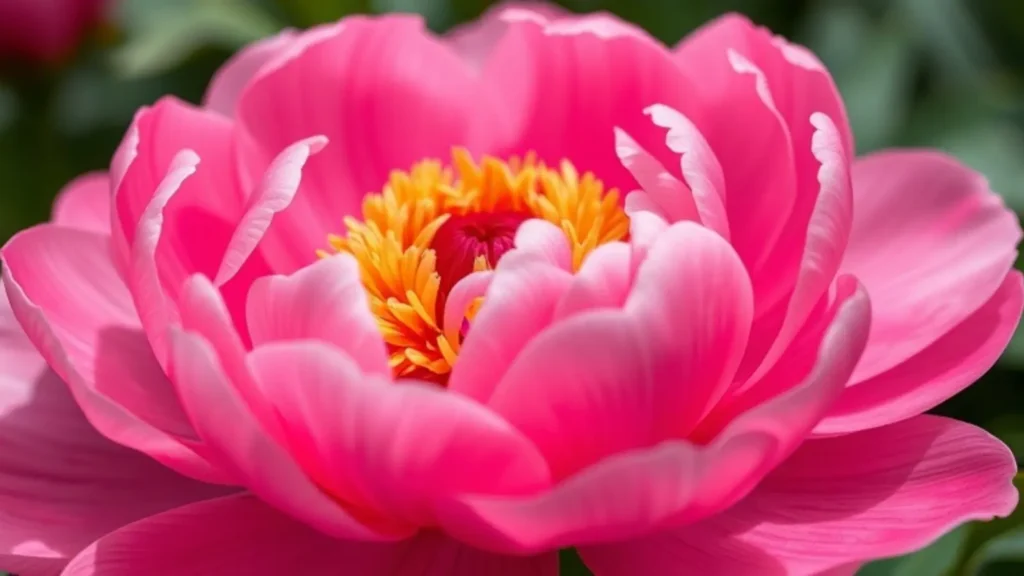
From a psychological perspective, flowers often evoke emotional responses through color, form, fragrance, and cultural learning.
Peonies are commonly associated with feelings of:
- Comfort
- Optimism
- Warmth
- Security
- Celebration
- Emotional openness
Their large layered blossoms communicate abundance and generosity, while their soft textures create perceptions of gentleness and care.
Psychological interpretations vary between individuals and cultures rather than representing universal scientific facts.
Spiritual Meaning of Peony Symbolism
Many spiritual traditions interpret flowers as reminders of life’s cycles.
Spiritually, peonies often symbolize:
- Inner peace
- Gratitude
- Blessings
- Spiritual abundance
- Compassion
- Personal growth
- Renewal
- Harmony
These meanings arise primarily from cultural and religious traditions rather than universally accepted spiritual doctrines.
Religious Connections of Peony Symbolism
Peonies do not hold identical meanings across all religions.
However, they appear within various artistic and cultural religious contexts as symbols of:
- Blessings
- Beauty
- Divine generosity
- Renewal
- Paradise imagery
Their use often reflects artistic traditions rather than formal religious teachings.
Peony Symbolism in Literature
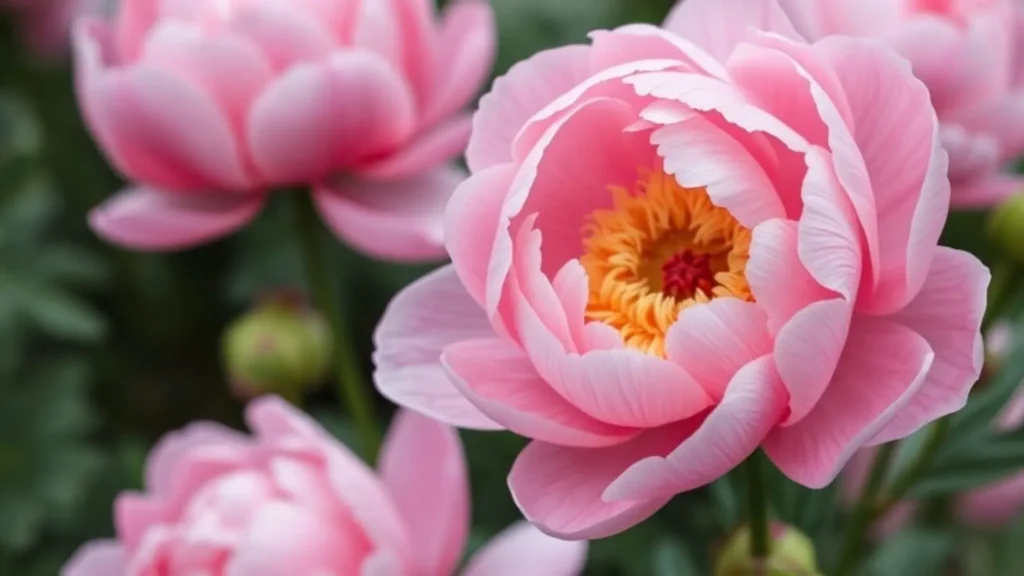
Writers frequently use peonies to represent emotional complexity.
Common literary themes include:
- Romantic devotion
- Lost love
- Hope
- Prosperity
- Beauty fading with time
- Social class
- Family legacy
Because flowers naturally evoke emotion, peonies become effective literary devices for visual storytelling.
Peony Symbolism in Art
Throughout history, artists have painted peonies to communicate elegance and abundance.
Peonies appear in:
- Traditional Chinese paintings
- Japanese woodblock prints
- European still-life paintings
- Textile design
- Porcelain
- Sculpture
- Contemporary illustration
- Digital art
Artists often use peonies to balance realism with symbolic storytelling.
Peony Symbolism in Color Psychology
Different peony colors carry different symbolic meanings.
| Peony Color | Symbolic Meaning |
| Pink | Romance, affection, happiness |
| White | Purity, sincerity, remembrance |
| Red | Passion, honor, prosperity |
| Yellow | Joy, optimism, friendship |
| Coral | Energy, transformation |
| Purple | Nobility, luxury, admiration |
Color symbolism varies between cultures and individual traditions.
Peony Symbolism in Weddings
Peonies have become one of the world’s most popular wedding flowers.
Reasons include their associations with:
- Happy marriage
- Prosperity
- Lasting love
- Family happiness
- New beginnings
- Abundance
Their full blossoms visually symbolize flourishing relationships.
Peony Symbolism in Modern Branding
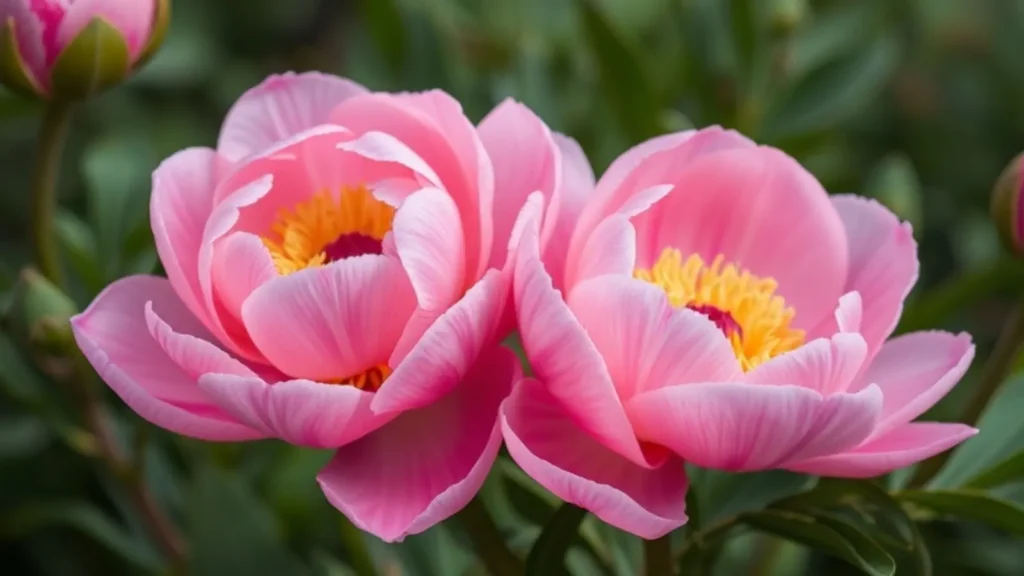
Brands frequently incorporate floral imagery to communicate emotional values.
Peonies often suggest:
- Luxury
- Sophistication
- Femininity
- Wellness
- Natural beauty
- Premium quality
- Authenticity
Luxury skincare, perfume, hospitality, and lifestyle brands commonly use peony imagery because it instantly communicates elegance.
Peony Symbolism in Interior Design
Interior designers use peonies to create spaces associated with:
- Warmth
- Comfort
- Hospitality
- Soft luxury
- Relaxation
- Optimism
Whether displayed fresh or represented through artwork, peonies contribute to emotionally inviting environments.
Peony Symbolism in Fashion
Fashion designers frequently feature peony-inspired motifs because they evoke:
- Romantic elegance
- Timeless beauty
- Feminine confidence
- Luxury
- Artistic craftsmanship
Peony embroidery remains especially popular in formal wear and bridal collections.
Peony Symbolism in Modern Digital Communication
Even in today’s digital world, floral symbolism remains influential.
Peony imagery appears in:
- Social media branding
- Wedding websites
- Lifestyle blogs
- Greeting cards
- Digital illustrations
- Marketing campaigns
- Wellness content
Visual storytelling increasingly relies on recognizable floral symbols to communicate emotion instantly.
Did You Know?
🌸 Some peony plants can live for several decades—and under favorable conditions, even longer—making them enduring symbols of longevity and resilience.
🌸 Peonies bloom for a relatively short season, which contributes to their association with appreciating fleeting moments of beauty.
🌸 Their large, layered blossoms have inspired artists, poets, and designers for centuries across Asia and Europe.
Expert Tip
When interpreting peony symbolism, always consider context. A red peony in Chinese art may emphasize prosperity and honor, while a white peony in a memorial arrangement can symbolize remembrance and sincerity. Color, culture, and occasion all influence meaning.
Common Mistakes About Peony Symbolism
Mistake 1: Assuming one universal meaning
Peonies symbolize different ideas across cultures.
Mistake 2: Ignoring color symbolism
Pink, white, red, yellow, and coral peonies each carry distinct associations.
Mistake 3: Confusing mythology with historical fact
Myths enrich symbolic traditions but should not be treated as literal history.
Mistake 4: Overlooking cultural context
Symbolism changes depending on geography, tradition, and historical period.
Myth vs. Fact
| Myth | Fact |
| Peonies always symbolize romance. | They can also represent prosperity, honor, healing, and compassion. |
| Every culture interprets peonies the same way. | Symbolic meanings differ across societies and historical periods. |
| Spiritual meanings are universally accepted. | Spiritual interpretations vary among traditions and individuals. |
| Flower color does not matter. | Color often changes symbolic interpretation significantly. |
Practical Applications of Peony Symbolism
Understanding peony symbolism can help in many real-world situations:
- Choosing meaningful wedding flowers
- Creating thoughtful gifts
- Floral design
- Brand identity development
- Interior decorating
- Event planning
- Visual storytelling
- Marketing campaigns
- Educational projects
- Cultural studies
- Art interpretation
- Literary analysis
Key Insights
✔ Peonies symbolize prosperity and abundance in many cultures.
✔ They are widely associated with romance, honor, compassion, and happiness.
✔ Cultural background strongly influences symbolic interpretation.
✔ Color plays a significant role in meaning.
✔ Peonies remain relevant in art, branding, literature, fashion, and digital communication.
Conclusion
Peony symbolism has endured for centuries because it combines visual beauty with deep cultural meaning. From imperial gardens and ancient myths to contemporary weddings, luxury branding, and digital design, the peony continues to represent prosperity, love, honor, beauty, and renewal.
While its symbolism varies across cultures and traditions, its enduring appeal lies in its ability to communicate hope, abundance, and heartfelt emotion without words.
Understanding peony symbolism encourages greater appreciation for the ways flowers shape communication, preserve cultural heritage, inspire creativity, and enrich everyday experiences.
Whether admired in a garden, featured in a painting, or chosen for a special celebration, the peony remains one of the world’s most meaningful botanical symbols.

Amelia Rosewood writes about symbolic meanings, ancient traditions, and the emotional connections between humans and symbols.
