The phoenix is one of the world’s most enduring and inspiring symbols. Across civilizations, this legendary bird represents rebirth, renewal, transformation, hope, resilience, immortality, and the triumph of life over adversity.
Whether appearing in mythology, religion, literature, psychology, or modern branding, phoenix symbolism continues to inspire people who seek growth after hardship.
Unlike ordinary mythical creatures, the phoenix carries a universal message: every ending can become a new beginning.
Its legendary cycle of burning into ashes and rising again has become a powerful metaphor for personal healing, spiritual awakening, emotional recovery, and societal renewal.
Featured Snippet: What Does Phoenix Symbolism Mean?
Phoenix symbolism represents rebirth, transformation, resilience, renewal, immortality, and hope. According to ancient mythology, the phoenix dies in flames and rises from its own ashes, symbolizing the ability to overcome hardship, embrace change, and begin a stronger new chapter in life.
What Is Phoenix Symbolism?
At its heart, phoenix symbolism reflects the human ability to survive difficult experiences and emerge wiser and stronger.
The mythical bird teaches that destruction is not always the end it can be the beginning of something greater. This idea has resonated throughout history because every culture experiences cycles of growth, decline, and renewal.
Common symbolic meanings include:
- Rebirth
- Resurrection
- Personal transformation
- Emotional healing
- Spiritual awakening
- Hope after suffering
- Courage
- Strength
- Perseverance
- Immortality
- Renewal
- New beginnings
Today, the phoenix remains one of the strongest visual metaphors for resilience in both personal and professional life.
The Origins of the Phoenix Legend

The phoenix myth stretches back thousands of years and evolved across multiple civilizations.
Although many associate the phoenix with Greek mythology, similar legendary birds existed long before classical Greece.
Ancient Egypt
Many historians connect the phoenix to the Bennu bird, a sacred creature associated with:
- Creation
- The rising sun
- Cycles of life
- Resurrection
- Divine renewal
The Bennu was closely linked with the sun god Ra and represented cosmic renewal.
Ancient Greece
Greek writers described the phoenix as a magnificent bird that lived for centuries before creating a nest of aromatic wood.
According to the legend:
- The bird reached the end of its lifespan.
- It built a nest.
- Flames consumed both the nest and the bird.
- A young phoenix emerged from the ashes.
This cycle became the foundation for modern phoenix symbolism.
Roman Interpretations
Romans viewed the phoenix as a symbol of:
- Eternal Rome
- Political stability
- Imperial continuity
- Victory over destruction
Coins and monuments often featured phoenix imagery to represent the endurance of the empire.
Early Christian Symbolism
Although the phoenix is not a biblical creature, early Christian writers sometimes adopted it as an illustration of:
- Resurrection
- Eternal life
- Hope
- Spiritual renewal
These interpretations were symbolic rather than doctrinal.
Why the Phoenix Symbol Remains Powerful Today
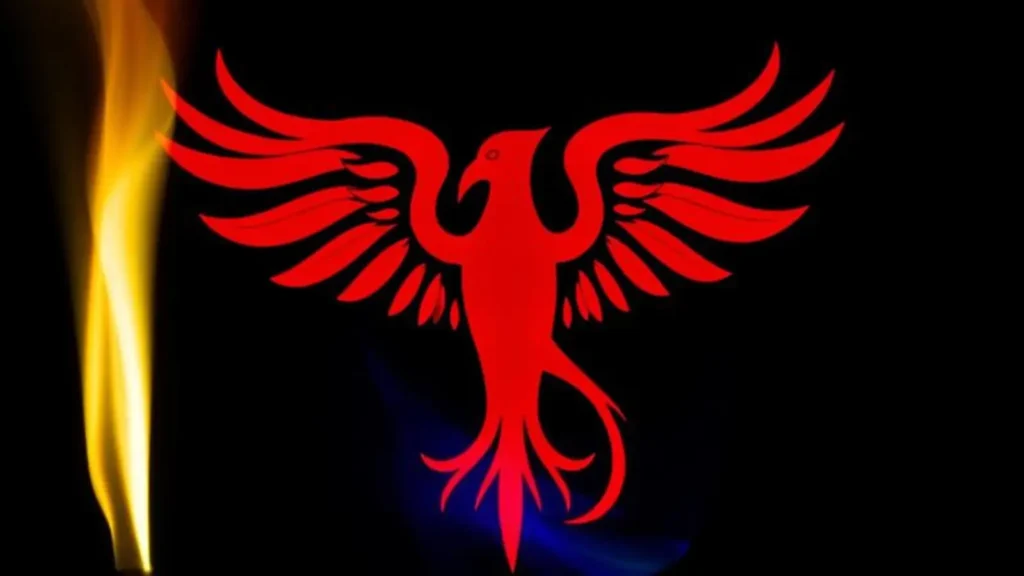
The phoenix continues to resonate because its story mirrors real human experiences.
Everyone faces:
- Loss
- Failure
- Grief
- Change
- Recovery
- Reinvention
The phoenix reminds us that difficult chapters can lead to meaningful transformation rather than permanent defeat.
Psychological Meaning of Phoenix Symbolism
From a psychological perspective, phoenix symbolism reflects inner transformation.
Many therapists and personal development experts use the phoenix as a metaphor for:
- Healing after trauma
- Identity reconstruction
- Emotional resilience
- Post-adversity growth
- Personal empowerment
Although the phoenix itself is mythical, its symbolic value aligns with the human capacity to adapt and recover from life’s challenges.
Personal Growth
The phoenix encourages people to:
- Let go of limiting beliefs
- Accept change
- Learn from mistakes
- Develop emotional strength
- Build confidence
Transformation rarely occurs without discomfort.
The phoenix reminds us that growth often begins after life’s greatest challenges.
Spiritual Meaning of Phoenix Symbolism
Spiritually, the phoenix often represents awakening and inner evolution.
Many spiritual traditions interpret the bird as a symbol of:
- Soul renewal
- Higher consciousness
- Inner purification
- Transformation through experience
- Divine guidance
- Hope beyond suffering
Interpretations vary among spiritual practices, and these meanings are symbolic rather than universally accepted religious teachings.
Phoenix Symbolism Across Different Cultures

| Culture | Primary Symbolism | Unique Perspective |
| Ancient Egypt | Creation, renewal | Bennu bird linked to the sun |
| Ancient Greece | Rebirth | Rising from ashes |
| Rome | Endurance | Eternal empire |
| China | Virtue, harmony | Phoenix (Fenghuang) symbolizes balance and prosperity |
| Japan | Peace | Justice and renewal |
| Persian traditions | Wisdom | Spiritual elevation |
| Modern Western culture | Resilience | Personal transformation |
Although these traditions share themes of renewal, each culture interprets the phoenix through its own historical and philosophical lens.
Phoenix Symbolism in Chinese Culture
The Chinese Fenghuang differs from the Western phoenix.
Instead of dying and rising from ashes, it primarily symbolizes:
- Harmony
- Balance
- Prosperity
- Virtue
- Feminine grace
- Imperial authority
It often appears alongside the dragon to symbolize the union of complementary forces.
Phoenix Symbolism in Literature
Authors frequently use phoenix symbolism to portray:
- Character development
- Redemption
- Survival
- Renewal
- Sacrifice
- Hope
The phoenix often appears after a protagonist experiences profound change.
Rather than simply surviving hardship, phoenix-inspired characters emerge transformed.
Phoenix Symbolism in Art
Artists use the phoenix to communicate:
- Renewal
- Fire
- Light
- Hope
- Transformation
- Resurrection
Visual elements commonly include:
- Flames
- Golden feathers
- Rising wings
- Sun imagery
- Ashes
- Circular motion representing life’s cycles
Phoenix Symbolism in Mythology
Unlike many mythical creatures associated with fear or power, the phoenix represents constructive transformation.
Its myth teaches that endings create opportunities for renewal rather than permanent loss.
This timeless narrative explains why the phoenix appears across myths separated by geography and centuries.
Phoenix Symbolism in Religion
Religious interpretations vary.
Some traditions associate phoenix imagery with:
- Eternal life
- Resurrection
- Divine renewal
- Victory over death
Others view it purely as mythological symbolism rather than a sacred figure.
Understanding these distinctions helps avoid confusing mythology with religious doctrine.
Phoenix Symbolism in Philosophy
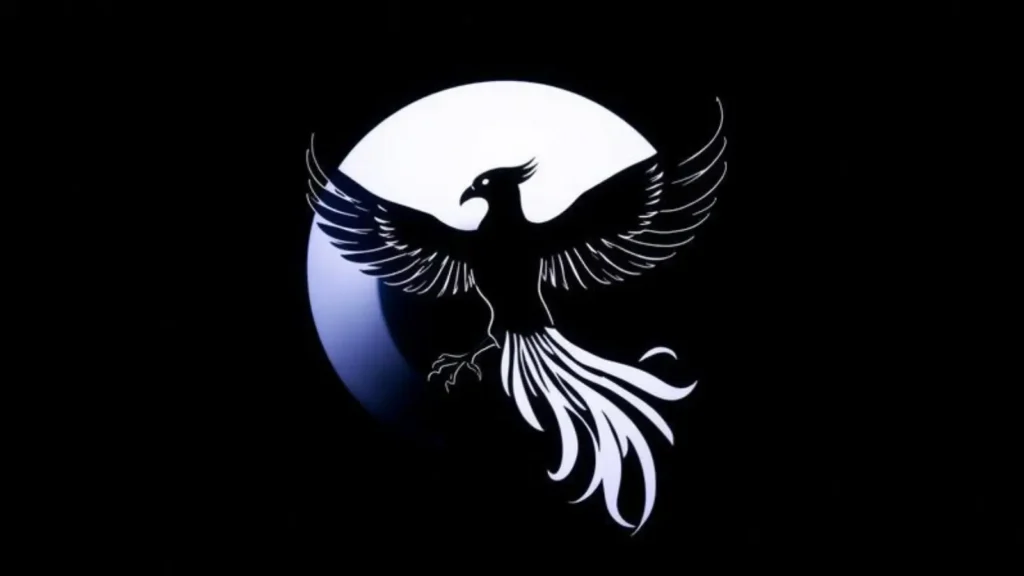
Philosophically, the phoenix reflects the cyclical nature of existence.
Many philosophical traditions recognize that:
- Growth requires change.
- Wisdom often follows adversity.
- Renewal depends upon letting go.
- Transformation is part of life’s natural rhythm.
The phoenix illustrates these ideas through a memorable narrative rather than abstract concepts.
Phoenix Symbolism in Modern Branding
Many organizations choose phoenix imagery because it communicates:
- Reinvention
- Innovation
- Recovery
- Strength
- Adaptability
- Long-term success
Industries commonly using phoenix symbolism include:
- Technology
- Education
- Healthcare
- Fitness
- Financial recovery
- Coaching
- Nonprofit organizations
The symbol reassures audiences that progress is possible after setbacks.
Phoenix Symbolism in Tattoos
Phoenix tattoos remain among the world’s most meaningful symbolic designs.
People often choose them to commemorate:
- Recovery from illness
- Addiction recovery
- Personal reinvention
- Surviving hardship
- New beginnings
- Spiritual awakening
- Career transformation
The design serves as a permanent reminder of resilience.
Phoenix Symbolism in Dreams
Dream interpretations vary by individual and culture.
Common symbolic themes include:
- Major life changes
- Emotional healing
- Personal renewal
- Letting go of the past
- New opportunities
Dream symbolism should be viewed as interpretive rather than scientifically proven.
Phoenix Symbolism in Color Psychology
Phoenix imagery frequently incorporates meaningful colors.
| Color | Symbolic Meaning |
| Gold | Wisdom, success |
| Red | Passion, courage |
| Orange | Transformation |
| Yellow | Hope, optimism |
| White | Purity, renewal |
| Purple | Spiritual insight |
These associations differ across cultures and artistic traditions.
Did You Know?
- The phoenix appears in myths spanning thousands of years.
- Different cultures describe the legendary bird differently.
- The Chinese Fenghuang is not identical to the Western phoenix.
- The phoenix symbolizes both endings and beginnings.
- Modern psychology frequently adopts the phoenix as a metaphor for resilience and post-adversity growth.
Expert Tip
When interpreting phoenix symbolism, always consider its cultural context.
A phoenix in Greek mythology may represent rebirth through fire, while the Chinese Fenghuang emphasizes harmony, virtue, and prosperity rather than literal resurrection.
Common Mistakes About Phoenix Symbolism
Mistake 1: Every culture tells the same phoenix story.
Reality: Interpretations differ significantly.
Mistake 2: The phoenix is a religious figure everywhere.
Reality: In many traditions, it remains primarily mythological.
Mistake 3: Phoenix symbolism always means resurrection.
Reality: It can also represent resilience, hope, renewal, transformation, or perseverance depending on context.
Mistake 4: The Chinese phoenix always rises from ashes.
Reality: The Fenghuang has a distinct symbolic tradition centered on harmony and virtue.
Myth vs. Fact
| Myth | Fact |
| The phoenix belongs to one mythology. | Similar mythical birds appear in several civilizations. |
| Every phoenix rises from ashes. | Not all cultural traditions describe this cycle. |
| Phoenix symbolism only represents death. | It primarily emphasizes renewal and transformation. |
| The phoenix is purely fictional and meaningless today. | It remains a widely used symbol in psychology, art, branding, and literature. |
Practical Applications of Phoenix Symbolism
Today, phoenix symbolism influences many fields.
Personal Development
Encourages resilience after setbacks.
Education
Used to teach perseverance and growth.
Branding
Represents innovation and renewal.
Storytelling
Creates compelling character arcs.
Mental Wellness
Provides a symbolic framework for healing and personal growth.
Design
Communicates transformation through visual identity.
Phoenix Symbolism in Popular Culture
Films, novels, games, and television frequently feature phoenix imagery to represent:
- Heroic transformation
- Redemption arcs
- Magical rebirth
- Survival against impossible odds
- Hope after destruction
Its universal themes make it easily recognizable across cultures and generations.
Why Phoenix Symbolism Continues to Inspire
Few symbols communicate hope as effectively as the phoenix.
Its enduring appeal lies in its simplicity:
Every ending holds the possibility of a new beginning.
Whether viewed through mythology, psychology, spirituality, literature, or modern culture, the phoenix reminds people that adversity can become the foundation for growth.
Key Insights
- Phoenix symbolism centers on renewal and transformation.
- Cultural interpretations differ across civilizations.
- The bird represents resilience more than physical immortality.
- Psychological interpretations focus on recovery and identity transformation.
- Modern branding uses the phoenix to communicate innovation and reinvention.
- Literature frequently employs phoenix symbolism for redemption narratives.
- Spiritual traditions often interpret the bird as a metaphor for inner awakening.
Conclusion
Phoenix symbolism has endured for thousands of years because it expresses one of humanity’s most universal experiences: the ability to begin again.
From ancient Egyptian beliefs and Greek mythology to Chinese traditions, literature, philosophy, psychology, and contemporary design, the phoenix represents resilience, hope, renewal, and transformation.
Its meaning continues to evolve while remaining rooted in the timeless idea that adversity can become a catalyst for growth.
Whether appearing in art, storytelling, education, branding, religion, or personal reflection, the phoenix encourages people to embrace change with courage and optimism.

Isabella Carter explores symbolism in nature, literature, art, and spirituality with engaging and informative research.
