
Among the world’s most recognizable tropical fruits, the pineapple carries a meaning far beyond its sweet flavor and distinctive appearance. Across centuries and continents, pineapple symbolism has represented hospitality, friendship, abundance, prosperity, celebration, and warm human connection.
From colonial architecture and family crests to luxury décor and modern branding, the pineapple has become an enduring symbol that welcomes people while expressing generosity and success.
Understanding pineapple symbolism offers fascinating insights into history, anthropology, psychology, art, religion, design, and communication.
Although interpretations differ across cultures and historical periods, the fruit consistently reflects positive social values that continue to influence architecture, literature, hospitality industries, marketing, and everyday life.
Featured Snippet
Pineapple symbolism primarily represents hospitality, welcome, friendship, prosperity, generosity, abundance, and celebration.
Historically considered a rare luxury, pineapples became symbols of wealth and social status before evolving into universal icons of warmth, kindness, and gracious hosting across many cultures.
What Does Pineapple Symbolism Mean?
Quick Answer
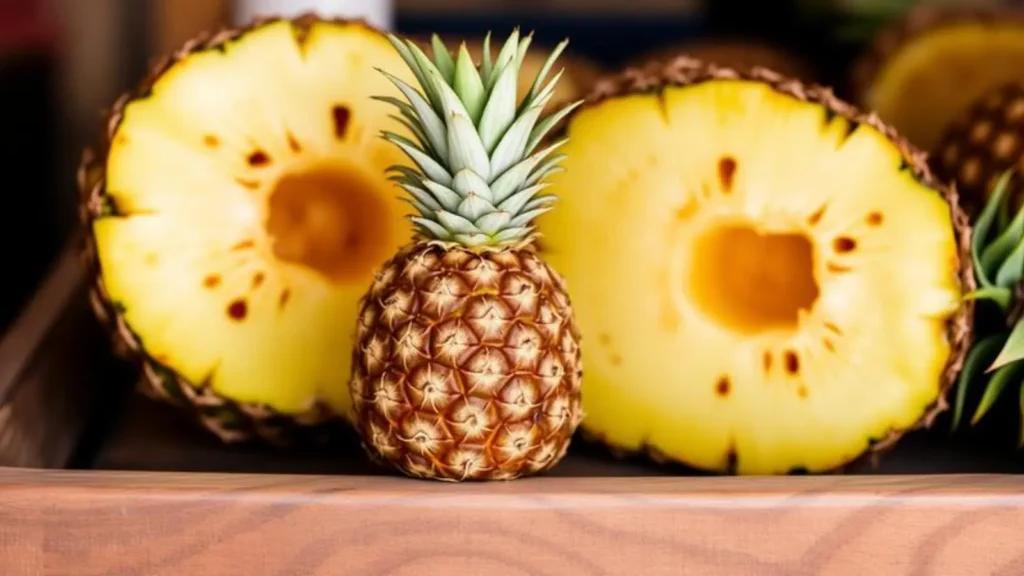
The symbolic meaning of the pineapple revolves around welcoming others with generosity while expressing abundance, achievement, and joyful living.
Its most common symbolic meanings include:
- Hospitality
- Warm welcome
- Friendship
- Prosperity
- Luxury
- Success
- Celebration
- Generosity
- Good fortune
- Positive energy
Unlike symbols associated with conflict or mystery, the pineapple almost universally carries optimistic associations.
Historical Origins of Pineapple Symbolism
A Fruit Once Reserved for the Elite
Pineapples originated in South America before spreading throughout the Caribbean and eventually Europe through global exploration.
When Europeans first encountered pineapples during the Age of Exploration, they became fascinated by their unusual appearance and exceptional sweetness.
Because transporting fresh pineapples across oceans was extremely difficult, they became incredibly expensive.
Owning one demonstrated remarkable wealth.
Serving one to guests communicated enormous respect.
This scarcity laid the foundation for pineapple symbolism.
Instead of merely being food, it became a statement of generosity.
Why Pineapples Became Symbols of Hospitality
During the 17th and 18th centuries, wealthy families displayed pineapples at banquets—even when they had no intention of eating them.
Guests immediately recognized the host’s generosity.
As trade expanded, inns and taverns began displaying pineapple carvings outside their entrances.
These symbols silently communicated:
- Travelers are welcome here.
- Food is available.
- Friendship awaits.
- Guests will receive respectful treatment.
Over time, these traditions became deeply rooted in hospitality culture.
Historical Evolution of Pineapple Symbolism

| Historical Period | Symbolic Meaning | Cultural Context |
| Indigenous Americas | Fertility and abundance | Native agriculture |
| Age of Exploration | Rare luxury | European discovery |
| Colonial Era | Wealth and prestige | Aristocratic society |
| 18th Century | Hospitality | Grand estates and inns |
| Victorian Period | Elegance and refinement | Decorative arts |
| Modern Era | Warm welcome and positivity | Global hospitality and branding |
Cultural Significance of Pineapple Symbolism
Although interpretations vary, many societies connect pineapples with generosity and joyful relationships.
North America
In the United States, especially in colonial history, pineapples became famous symbols of hospitality.
They still appear on:
- Front gates
- Garden statues
- Hotel logos
- Bed-and-breakfast signs
- Home décor
Many homeowners intentionally decorate entrances with pineapple motifs to symbolize a welcoming household.
Caribbean Cultures
Throughout the Caribbean, pineapples symbolize:
- Celebration
- Community
- Prosperity
- Tropical abundance
They often appear during festivals and family gatherings where sharing food reflects unity.
Latin America
Since pineapples originated in this region, they are closely connected to:
- Fertile land
- Agricultural prosperity
- Nature’s generosity
- Seasonal abundance
Asian Perspectives
In several Asian traditions, particularly where pronunciation creates positive word associations, pineapples may symbolize:
- Wealth
- Fortune
- Business success
- Prosperity
During celebrations and holidays, pineapples are sometimes displayed to invite good luck.
Psychological Meaning of Pineapple Symbolism
Why Do People Associate Pineapples with Warmth?
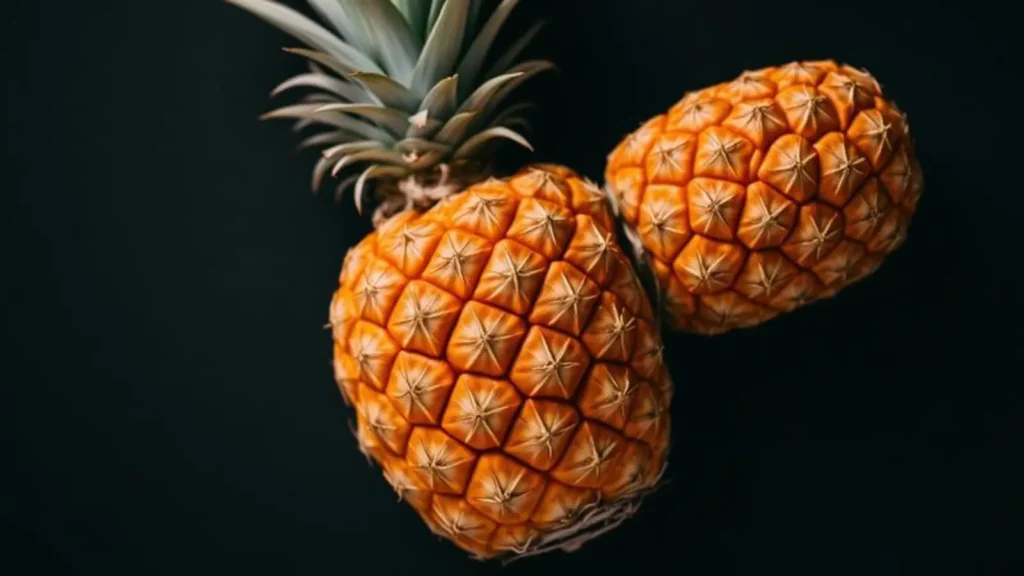
Psychologically, pineapples combine several visual characteristics that naturally evoke positive emotions.
These include:
- Bright golden color
- Symmetrical design
- Vibrant green crown
- Sweet aroma
- Refreshing taste
Humans often associate bright colors and fresh fruit with health, happiness, and generosity.
Consequently, pineapple imagery creates feelings of comfort and friendliness.
Color Psychology Behind Pineapple Symbolism
The fruit combines powerful psychological colors.
Yellow
Represents:
- Optimism
- Joy
- Energy
- Creativity
- Warmth
Green
Represents:
- Growth
- Renewal
- Nature
- Balance
- Hope
Together, these colors reinforce the pineapple’s welcoming symbolism.
Spiritual Meaning of Pineapple Symbolism
Is the Pineapple a Spiritual Symbol?
While no major religion treats the pineapple as a sacred universal symbol, many spiritual traditions interpret it positively.
Common spiritual meanings include:
- Gratitude
- Generosity
- Inner abundance
- Blessings
- Positive relationships
- Sharing life’s gifts
Some modern spiritual practices also associate pineapples with attracting joyful energy and cultivating an open-hearted attitude. These interpretations are symbolic beliefs rather than established religious doctrine.
Religious Connections
Unlike the lotus, olive branch, or dove, the pineapple has relatively limited religious symbolism.
However, it occasionally appears in religious settings because it represents:
- Charity
- Hospitality
- Service
- Kindness
- Community
Churches, monasteries, and charitable institutions have sometimes incorporated pineapple motifs into architecture or decorative arts to reflect welcoming values.
Pineapple Symbolism in Art
Artists appreciate the pineapple because it combines beauty with meaning.
Throughout history it has appeared in:
- Paintings
- Sculptures
- Pottery
- Textile patterns
- Furniture carving
- Decorative architecture
Artists often use it to represent:
- Celebration
- Wealth
- Hospitality
- Exotic beauty
- Cultural exchange
Pineapple Symbolism in Literature
Writers frequently use pineapples as symbols rather than simply describing fruit.
Possible literary meanings include:
- Unexpected generosity
- Social prestige
- Cultural identity
- Friendship
- Luxury
- New beginnings
Its symbolism often depends on the historical setting of the story.
Pineapple Symbolism in Architecture
One of the most enduring uses of pineapple symbolism appears in architecture.
Common locations include:
- Gateposts
- Fence finials
- Staircase decorations
- Garden statues
- Hotel entrances
- Mansion rooftops
These decorative elements traditionally communicate:
“Guests are welcome here.”
Many historic homes continue preserving this architectural tradition.
Pineapple Symbolism in Branding and Marketing

Modern companies frequently use pineapple imagery because consumers naturally associate it with positive emotions.
Brand designers often choose pineapples to communicate:
- Friendliness
- Trust
- Hospitality
- Freshness
- Tropical lifestyle
- Premium quality
Restaurants, cafés, resorts, hotels, spas, travel companies, and vacation brands regularly incorporate pineapple imagery into their visual identities.
Pineapple Symbolism in Hospitality
No industry embraces pineapple symbolism more than hospitality.
Hotels use pineapple imagery because it reflects their central mission:
- Welcoming guests
- Providing comfort
- Creating memorable experiences
Many luxury accommodations continue displaying pineapple decorations in:
- Lobbies
- Guest rooms
- Reception areas
- Landscaping
- Signage
Pineapple Symbolism in Consumer Behavior
Consumers often interpret pineapple imagery as suggesting:
- Friendliness
- Relaxation
- Vacation
- Freshness
- Healthy living
- Positive experiences
This explains why pineapple graphics appear frequently in:
- Food packaging
- Summer products
- Travel advertisements
- Beverage branding
- Lifestyle products
Pineapple Symbolism Across Different Cultures
| Culture | Primary Symbolism |
| Colonial America | Hospitality |
| Caribbean | Celebration and abundance |
| Latin America | Fertility and prosperity |
| Europe | Luxury and prestige |
| Modern Global Culture | Friendship and welcome |
| Hospitality Industry | Guest care and comfort |
Pineapple Symbolism in Modern Digital Communication
Today, pineapple symbolism extends into online culture.
People use pineapple imagery in:
- Social media posts
- Digital stickers
- Lifestyle branding
- Home décor inspiration
- Vacation photography
Online, the pineapple often represents:
- Summer
- Happiness
- Tropical living
- Friendly personalities
- Positive vibes
Digital communication has expanded the fruit’s symbolic reach while preserving its traditional meanings of warmth and hospitality.
Did You Know?
📌 During the 1700s, some wealthy individuals rented pineapples for special events because purchasing one was extremely expensive.
📌 Pineapple carvings became common on colonial homes as permanent symbols of hospitality.
📌 Many historic inns still use pineapple emblems to continue centuries-old traditions of welcoming travelers.
Expert Tip
When using pineapple symbolism in branding or interior design, focus on authenticity rather than decoration alone. Pair pineapple imagery with genuine hospitality, excellent service, and inclusive experiences so the symbol reinforces real values instead of becoming a superficial design element.
Common Mistakes
| Mistake | Better Understanding |
| Assuming all cultures interpret pineapples identically | Meanings vary by region and historical context. |
| Treating symbolism as historical fact | Symbolism reflects cultural interpretation, not objective evidence. |
| Believing pineapples have universal religious importance | Religious significance is limited and context-dependent. |
| Ignoring historical origins | Hospitality symbolism developed through trade, rarity, and social customs. |
Myth vs. Fact
| Myth | Fact |
| Pineapples have always symbolized hospitality. | Their hospitality symbolism developed over time, particularly in colonial societies. |
| Every culture gives pineapples identical meanings. | Symbolic meanings differ across cultures and traditions. |
| Pineapple symbolism is purely modern. | Its symbolic history spans several centuries. |
| Pineapples only symbolize wealth. | They also represent generosity, friendship, celebration, and welcome. |
Practical Applications of Pineapple Symbolism
Understanding pineapple symbolism has practical value across many fields.
Interior Design
Pineapple décor creates inviting spaces.
Hospitality
Hotels reinforce welcoming environments through pineapple imagery.
Branding
Businesses communicate friendliness and warmth.
Education
Teachers explore symbolism, cultural history, and visual communication.
Literature
Authors use pineapples as symbols of generosity and social relationships.
Tourism
Destinations emphasize tropical hospitality through pineapple-themed visuals.
Philosophical Perspective
From a philosophical perspective, the pineapple reminds us that generosity often leaves a lasting impression. A fruit once prized for its rarity evolved into a broader symbol of welcoming others, illustrating how material objects can acquire enduring cultural meaning through shared human experiences. This transformation reflects the role of symbols in shaping social values and collective identity.
Key Insights
- Pineapple symbolism centers on hospitality and generosity.
- Historical rarity transformed the fruit into a luxury symbol.
- Modern interpretations emphasize friendship and positive relationships.
- Cultural meanings vary while maintaining broadly optimistic themes.
- Psychology and color perception strengthen its welcoming associations.
- Branding continues using pineapple imagery to communicate warmth and trust.
- Architecture preserves centuries-old hospitality traditions through pineapple motifs.
Conclusion
Pineapple symbolism has evolved from a rare tropical delicacy into one of the world’s most enduring representations of hospitality, generosity, prosperity, and joyful connection.
Although its meanings differ across cultures and historical contexts, the pineapple consistently reflects positive social values that encourage welcoming others, sharing abundance, and celebrating community.
Today, its influence extends well beyond food. Pineapple imagery appears in architecture, branding, literature, education, tourism, design, and digital communication because it conveys warmth in an instantly recognizable way.
By understanding its historical origins, cultural significance, psychological appeal, and symbolic interpretations, we gain a richer appreciation of how everyday objects can shape communication, identity, and human relationships.

Isabella Carter explores symbolism in nature, literature, art, and spirituality with engaging and informative research.
