Peacock symbolism has fascinated civilizations for thousands of years. With its shimmering feathers, vibrant colors, and majestic appearance, the peacock has become one of humanity’s most recognizable symbols of beauty, wisdom, immortality, pride, renewal, protection, and divine awareness.
Across religions, cultures, mythology, psychology, art, literature, and modern branding, peacock symbolism continues to evolve while retaining its timeless appeal.
Whether seen in a temple, painting, fashion design, dream, logo, or natural landscape, the peacock often communicates deeper meanings beyond its striking appearance.
Understanding these symbolic interpretations helps us better appreciate how visual symbols shape culture, identity, storytelling, and human communication.
Featured Snippet: What Does Peacock Symbolism Mean?
Peacock symbolism represents beauty, confidence, wisdom, renewal, immortality, protection, spiritual awakening, and self-expression.
Across cultures, the peacock symbolizes prosperity, divine presence, royalty, integrity, and transformation, although some traditions also associate it with vanity or excessive pride depending on historical and cultural context.
What Is Peacock Symbolism?
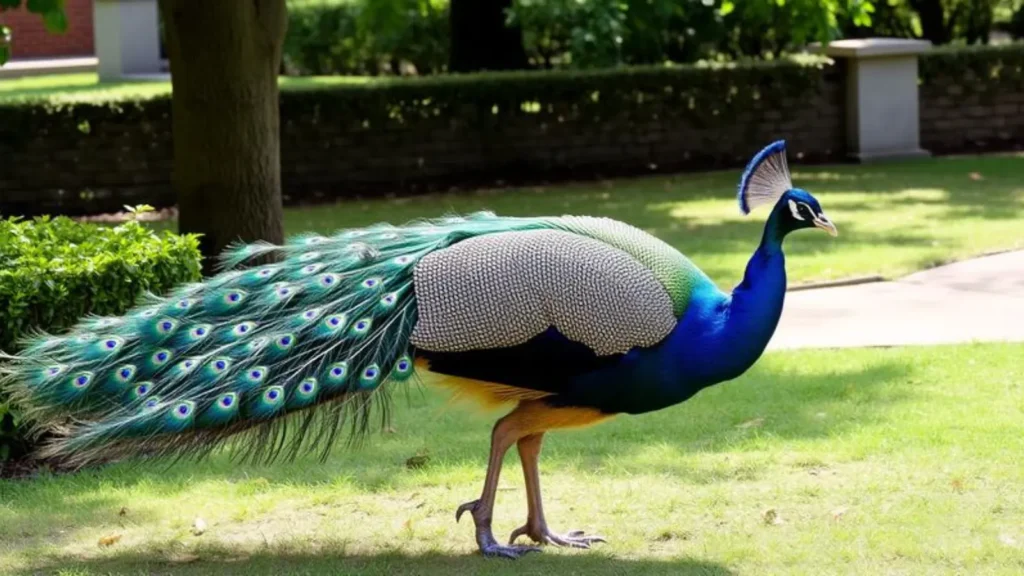
Peacock symbolism refers to the symbolic meanings people have associated with peacocks throughout history. Rather than representing only physical beauty, the peacock often embodies multiple interconnected ideas:
- Inner confidence
- Personal growth
- Spiritual enlightenment
- Renewal after hardship
- Nobility
- Divine protection
- Honor
- Grace
- Vision
- Integrity
- Prosperity
Like many cultural symbols, these meanings differ depending on geography, religion, mythology, historical periods, and personal interpretation.
Why Has the Peacock Become Such a Powerful Symbol?
The peacock naturally attracts attention because of several unique characteristics:
- Brilliant iridescent feathers
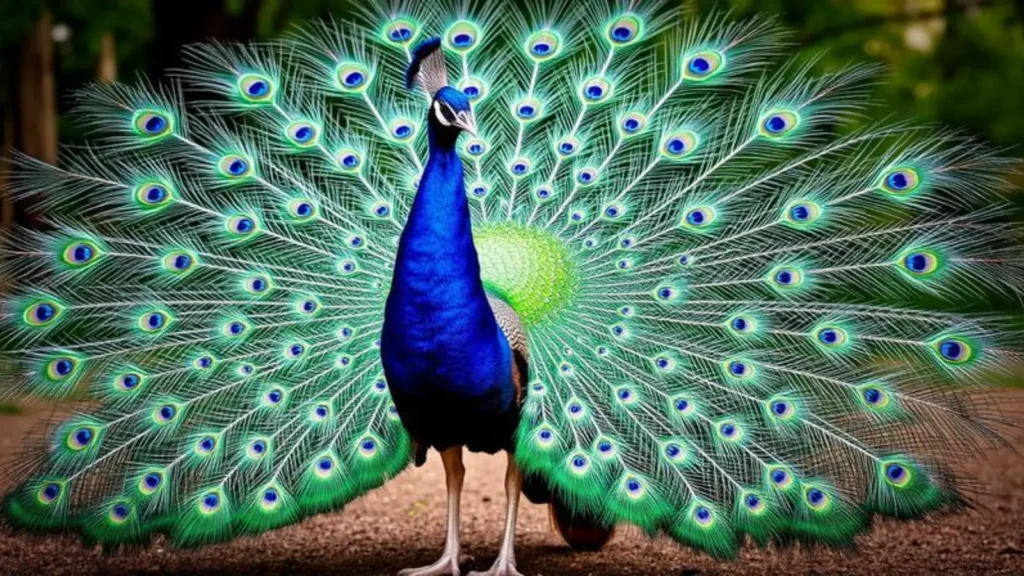
- Eye-like feather patterns
- Elegant movement
- Seasonal feather renewal
- Courtship display
- Rare beauty
Humans have historically interpreted these physical characteristics as metaphors for deeper philosophical and spiritual ideas.
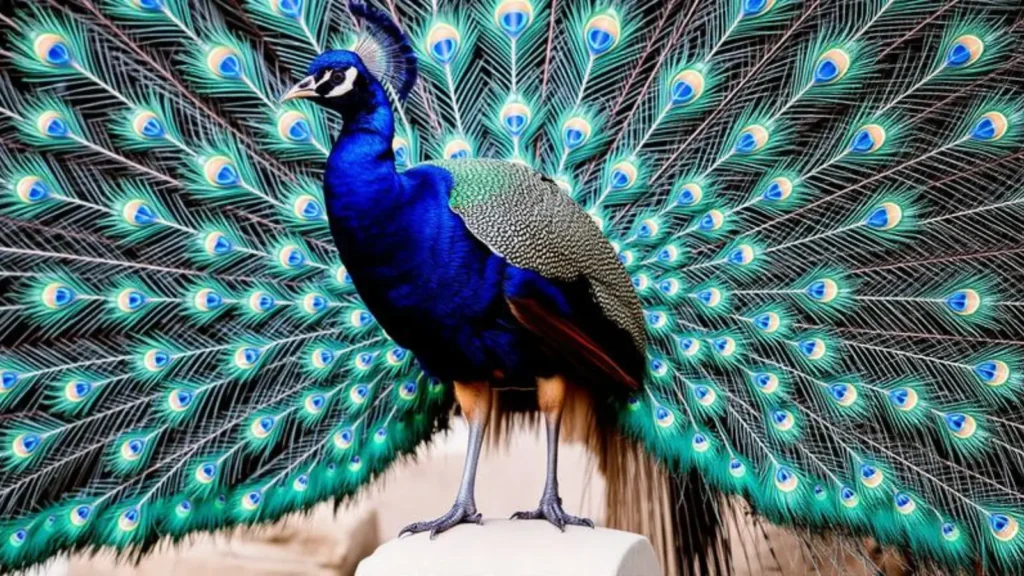
Its annual molting process, for example, inspired symbolism surrounding rebirth and renewal, while its distinctive “eyes” on the feathers inspired associations with awareness, protection, and divine vision.
Historical Origins of Peacock Symbolism
Peacock symbolism dates back thousands of years.
Ancient civilizations often viewed unusual animals as messengers of divine power. Because peacocks were rare in many regions, they naturally became associated with royalty and sacred spaces.
Early Historical Associations
| Civilization | Symbolic Meaning |
| Ancient India | Prosperity, divinity, wisdom |
| Ancient Persia | Royalty, paradise |
| Ancient Greece | Immortality, Hera, vigilance |
| Ancient Rome | Nobility, luxury |
| Early Christianity | Resurrection, eternal life |
| China | Dignity, honor, compassion |
| Medieval Europe | Vanity and immortality |
As trade routes expanded, the symbolic meanings of peacocks spread across Asia, Europe, Africa, and eventually the rest of the world.
Peacock Symbolism in Different Cultures
Indian Symbolism
Few cultures celebrate the peacock as deeply as India.
The peacock is India’s national bird and frequently appears in:
- Hindu temples
- Classical dance
- Traditional paintings
- Festivals
- Jewelry
- Textiles
- Poetry
The bird symbolizes:
- Wisdom
- Beauty
- Prosperity
- Divine protection
- Victory over negativity
In Hindu tradition, several deities are associated with peacocks, making the bird a sacred symbol rather than merely a decorative one.
Chinese Symbolism
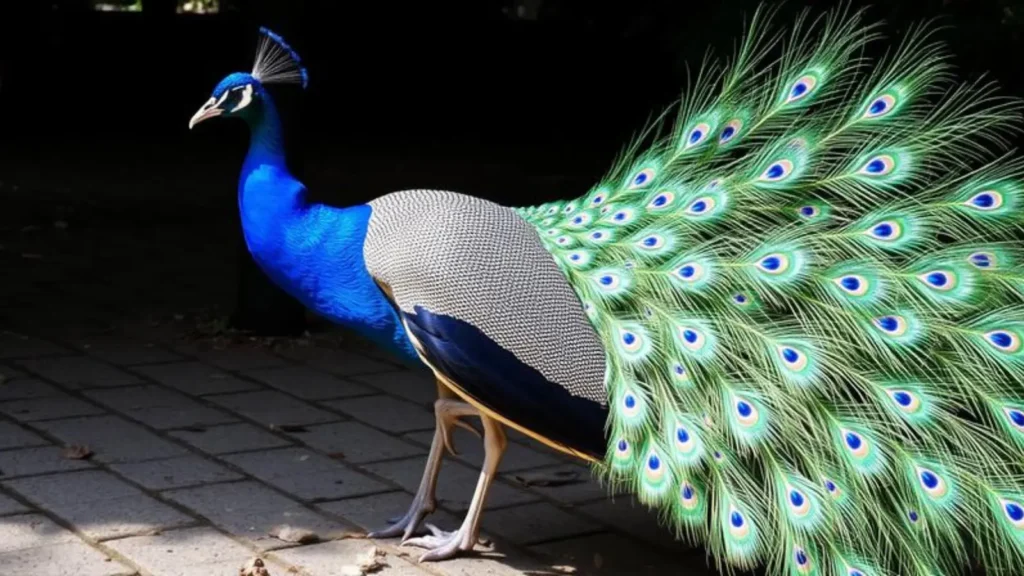
In Chinese culture, peacocks symbolize:
- Compassion
- Dignity
- Nobility
- Good fortune
- High rank
- Peace
Historically, peacock feathers were connected with imperial officials and represented honor and responsibility.
Greek Mythology
Greek mythology closely connects the peacock with the goddess Hera.
According to mythological tradition, the “eyes” on the peacock’s tail represent constant watchfulness.
Because of this connection, the bird symbolizes:
- Protection
- Awareness
- Loyalty
- Guardianship
- Royal authority
Persian Traditions
Persian art frequently depicts peacocks near gardens and sacred spaces.
The bird became associated with:
- Paradise
- Eternal beauty
- Spiritual perfection
- Cosmic harmony
Christian Symbolism
In early Christian art, peacocks represented:
- Resurrection
- Eternal life
- Hope
- Faith
- Spiritual renewal
This symbolism developed partly because ancient people believed peacock flesh did not decay quickly—a belief that contributed to its association with immortality, though it is not scientifically accurate.
Spiritual Meaning of Peacock Symbolism
Spiritually, peacocks often represent awakening.
Many traditions interpret the bird as encouraging individuals to:
- Embrace authenticity
- Develop wisdom
- Trust intuition
- Grow spiritually
- Live confidently
- Transform challenges into strength
Rather than symbolizing perfection, the peacock often represents becoming one’s fullest self.
Expert Tip
Symbolic interpretations are cultural rather than universal. If you encounter a peacock in spiritual practices, dreams, or artwork, consider the historical, religious, and personal context before assigning a single meaning.
Psychological Meaning of Peacock Symbolism
From a psychological perspective, peacock symbolism reflects themes of identity and self-expression.
The peacock’s dramatic display naturally connects with concepts such as:
- Confidence
- Self-esteem
- Visibility
- Personal identity
- Social signaling
- Authenticity
Modern psychology also recognizes that humans use visual symbols to communicate identity, belonging, and values.
The peacock therefore functions as an enduring metaphor for healthy self-expression when balanced with humility.
Peacock Symbolism in Religion
Hinduism
The peacock appears alongside several deities and represents:
- Divine beauty
- Knowledge
- Courage
- Victory over ego
- Protection
Buddhism
Some Buddhist traditions associate peacocks with:
- Compassion
- Transformation
- Wisdom
The symbolism emphasizes spiritual growth rather than material beauty.
Christianity
Christian art frequently portrays peacocks in churches and manuscripts to symbolize:
- Resurrection
- Eternal life
- Paradise
- Hope
Peacock Symbolism in Mythology
Myths often use peacocks to illustrate universal human themes.
Recurring symbolic ideas include:
- Divine guardianship
- Cosmic order
- Beauty with responsibility
- Vision beyond appearances
- Transformation
- Sacred knowledge
These myths helped shape later artistic and literary interpretations.
Peacock Symbolism in Art and Literature
Artists have used peacocks for centuries to communicate layered meanings.
Common artistic symbolism includes:
- Luxury
- Elegance
- Divine beauty
- Vanity
- Royal status
- Eternal life
- Mystery
Writers likewise employ peacocks to symbolize either admirable confidence or excessive pride, depending on the narrative.
Did You Know?
The peacock’s colorful feathers do not contain blue pigment in the traditional sense. Much of their brilliant coloration results from microscopic structures that reflect light differently depending on the viewing angle—a phenomenon known as structural coloration. This remarkable feature likely contributed to centuries of symbolic fascination.
Peacock Symbolism in Dreams
Dream interpretations vary widely and are influenced by personal beliefs.
A peacock appearing in dreams may symbolize:
- Personal growth
- Confidence
- Recognition
- Hidden talents
- Transformation
- Spiritual awareness
Dream symbolism should not be interpreted as scientific prediction but rather as a possible reflection of emotions, memories, and cultural influences.
Positive Symbolic Meanings
Peacock symbolism commonly represents:
- Beauty
- Prosperity
- Confidence
- Renewal
- Protection
- Wisdom
- Integrity
- Creativity
- Success
- Leadership
- Honor
- Spiritual growth
Negative Symbolic Interpretations
Some traditions associate peacocks with cautionary meanings.
These include:
- Vanity
- Pride
- Arrogance
- Excessive display
- Materialism
- Ego
These interpretations remind us that symbolism often reflects balance rather than absolute qualities.
Myth vs. Fact
| Myth | Fact |
| Peacock symbolism always means pride. | Meanings vary widely across cultures. |
| Every religion interprets peacocks the same way. | Religious symbolism differs considerably. |
| Peacock feathers always bring good luck. | This depends entirely on cultural traditions. |
| Symbolism has scientific proof. | Symbolic meanings arise from cultural, historical, and psychological interpretation rather than scientific evidence. |
Peacock Symbolism in Modern Branding
Brands frequently borrow peacock symbolism because it communicates qualities consumers recognize instantly.
These include:
- Prestige
- Creativity
- Luxury
- Exclusivity
- Confidence
- Innovation
- Excellence
Designers often incorporate peacock-inspired color palettes into:
- Fashion
- Cosmetics
- Hospitality
- Jewelry
- Interior design
- Luxury products
The symbolism works because visual communication often creates emotional associations before consumers read any text.
Peacock Symbolism in Design and Visual Communication
Graphic designers appreciate peacock symbolism because it represents multiple positive ideas simultaneously.
Applications include:
- Brand identity
- Logo development
- Packaging
- Advertising
- Digital illustration
- Cultural storytelling
- Educational materials
Its distinctive silhouette also makes it highly recognizable across cultures.
Practical Applications of Peacock Symbolism
Peacock symbolism continues to influence many fields.
Education
Teachers use symbolic animals to explain mythology, literature, and cultural history.
Marketing
Luxury brands use peacock-inspired imagery to communicate exclusivity and elegance.
Interior Design
Peacock-inspired colors create sophisticated visual environments.
Fashion
Designers frequently reference peacock feathers to symbolize individuality and artistic expression.
Literature
Authors employ peacock imagery to represent beauty, transformation, or pride.
Digital Media
Peacock-inspired graphics remain popular in visual storytelling, social media branding, and entertainment.
Common Mistakes When Interpreting Peacock Symbolism
- Assuming every culture shares identical meanings.
- Confusing mythology with historical fact.
- Treating symbolic beliefs as scientific evidence.
- Ignoring historical context.
- Overlooking both positive and cautionary interpretations.
- Assuming symbolism never changes over time.
Balanced interpretation always considers context.
Key Insights
- Symbols evolve alongside cultures.
- Peacock symbolism contains both positive and negative meanings.
- Historical context matters.
- Religious interpretations differ.
- Psychology explains why humans respond strongly to symbolic imagery.
- Modern branding continues to rely on ancient symbolic associations.
Comparing Peacock Symbolism Across Contexts
| Context | Primary Meaning |
| Psychology | Confidence, identity |
| Hinduism | Wisdom, divinity |
| Christianity | Resurrection |
| Greek Mythology | Watchfulness |
| China | Dignity, prosperity |
| Persia | Paradise |
| Literature | Beauty or pride |
| Branding | Luxury, prestige |
| Art | Elegance, immortality |
| Modern Culture | Self-expression |
Why Peacock Symbolism Still Matters Today
Despite living in an increasingly digital world, humans continue thinking symbolically.
Peacock symbolism influences:
- Corporate branding
- Fashion trends
- Interior design
- Social media imagery
- Film
- Literature
- Fine art
- Religious architecture
- Educational content
- Cultural identity
Its enduring relevance demonstrates how visual symbols transcend language, allowing people from diverse backgrounds to communicate complex ideas through shared imagery.
Conclusion
Peacock symbolism is far more than an appreciation of an exceptionally beautiful bird. It represents a rich tapestry of historical traditions, religious beliefs, artistic expression, psychological insights, and cultural narratives.
Across civilizations, the peacock has symbolized beauty, wisdom, prosperity, renewal, vigilance, and spiritual growth, while also serving as a reminder of the potential dangers of vanity and excessive pride.
Understanding these layered meanings enriches our appreciation of art, mythology, literature, branding, design, education, and everyday communication.
Rather than possessing one fixed interpretation, peacock symbolism demonstrates how symbols evolve alongside human societies, reflecting changing values while preserving enduring themes of identity, transformation, and aspiration.

Olivia Hartwell explores the hidden meanings behind symbols, animals, colors, dreams, and cultural traditions through insightful symbolism research.
