Few symbols have fascinated humanity as deeply as the snake. Across thousands of years and nearly every civilization, snake symbolism has represented both life and death, wisdom and deception, healing and danger, transformation and immortality.
Unlike many symbols with a single dominant meaning, the snake embodies powerful dualities that reflect humanity’s complex relationship with nature and the unknown.
Whether appearing in ancient myths, sacred religious texts, medical emblems, literature, art, psychology, or modern branding, snakes continue to influence how people communicate ideas about change, power, knowledge, and renewal.
Understanding snake symbolism not only provides historical insight but also reveals how symbols shape cultures, storytelling, identity, and human perception today.
Featured Snippet Answer: What Does Snake Symbolism Mean?
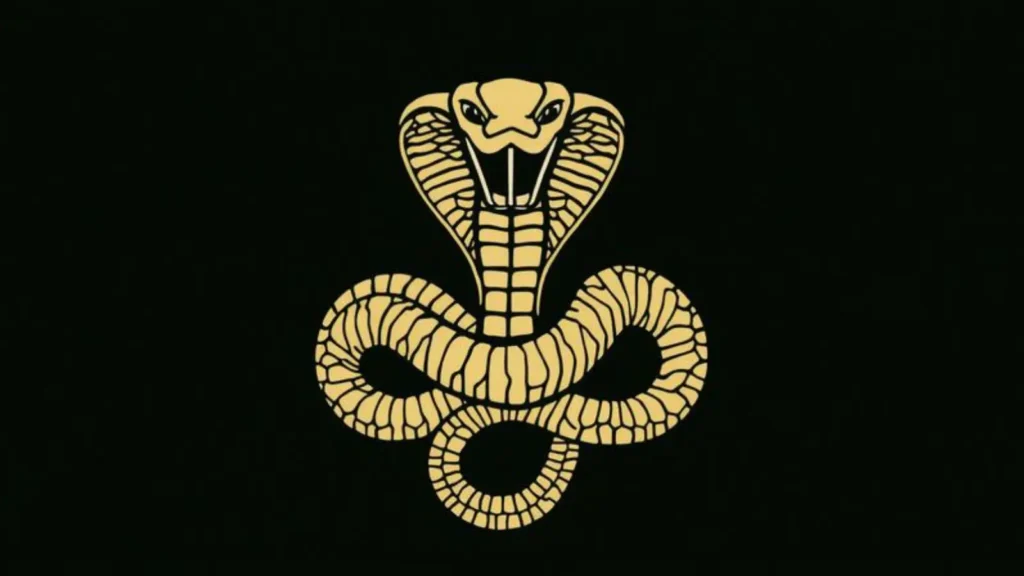
Snake symbolism generally represents transformation, renewal, wisdom, healing, fertility, protection, temptation, danger, and rebirth. Because snakes shed their skin, they are widely associated with personal growth and renewal, although many cultures also view them as symbols of mystery, deception, or spiritual power depending on historical, religious, and cultural contexts.
What Is Snake Symbolism?
Quick Answer
Snake symbolism refers to the meanings and ideas people associate with snakes throughout history, religion, mythology, psychology, literature, and culture. Rather than representing one universal concept, snakes symbolize different values depending on the society, historical period, and belief system.
The symbolic meaning often reflects humanity’s observations of real snake behavior:
- Shedding skin suggests renewal.
- Venom represents both danger and medicine.
- Silent movement implies mystery.
- Curved movement symbolizes energy.
- Underground habitats connect snakes with hidden knowledge and the earth.
These natural characteristics became powerful metaphors that spread across civilizations.
Why Snakes Became Powerful Symbols
Human beings have lived alongside snakes for millions of years. Some species are harmless, while others can be deadly. This mixture of fear, respect, curiosity, and admiration helped transform snakes into one of humanity’s oldest universal symbols.
Several characteristics contributed to their symbolic importance:
- Periodic skin shedding
- Venom with both harmful and medicinal potential
- Ability to remain still before sudden movement
- Association with caves and underground spaces
- Long lifespan in some species
- Distinctive appearance unlike most animals
These traits inspired myths, religious beliefs, and artistic traditions worldwide.
Historical Origins of Snake Symbolism
Direct Answer
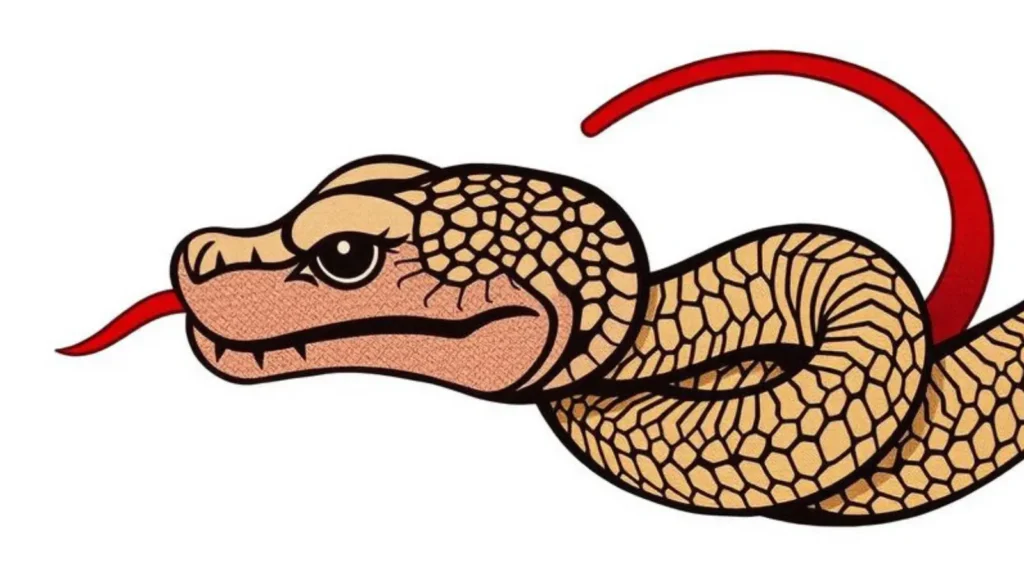
Snake symbolism dates back to prehistoric civilizations and appears in some of humanity’s earliest archaeological discoveries.
Ancient cultures often linked snakes with:
- Fertility
- Rain
- Agriculture
- Earth spirits
- Ancestors
- Healing
- Kingship
- Divine protection
Evidence from Mesopotamia, Egypt, the Indus Valley, Mesoamerica, Greece, China, and Africa shows that snakes held important ceremonial and religious roles long before written history.
Over centuries, these meanings evolved rather than disappearing, creating today’s diverse symbolic interpretations.
Snake Symbolism Across Different Cultures
| Culture | Common Symbolic Meaning | Primary Association |
| Ancient Egypt | Royal authority, protection | Cobra crown |
| Ancient Greece | Healing, medicine, wisdom | Staff of Asclepius |
| Hindu traditions | Divine energy, protection | Nāgas and Kundalini |
| Chinese culture | Intelligence, transformation | Zodiac symbolism |
| Indigenous American traditions | Earth, rain, fertility | Nature spirits |
| Mesoamerican civilizations | Creation, knowledge | Feathered Serpent |
| African traditions | Ancestors, life force | Spiritual guardians |
| Celtic traditions | Earth wisdom, cycles | Nature and rebirth |
| Abrahamic traditions | Temptation, moral testing | Garden narrative |
These interpretations vary significantly, demonstrating that symbols acquire meaning through culture rather than biology alone.
Snake Symbolism in Ancient Egypt
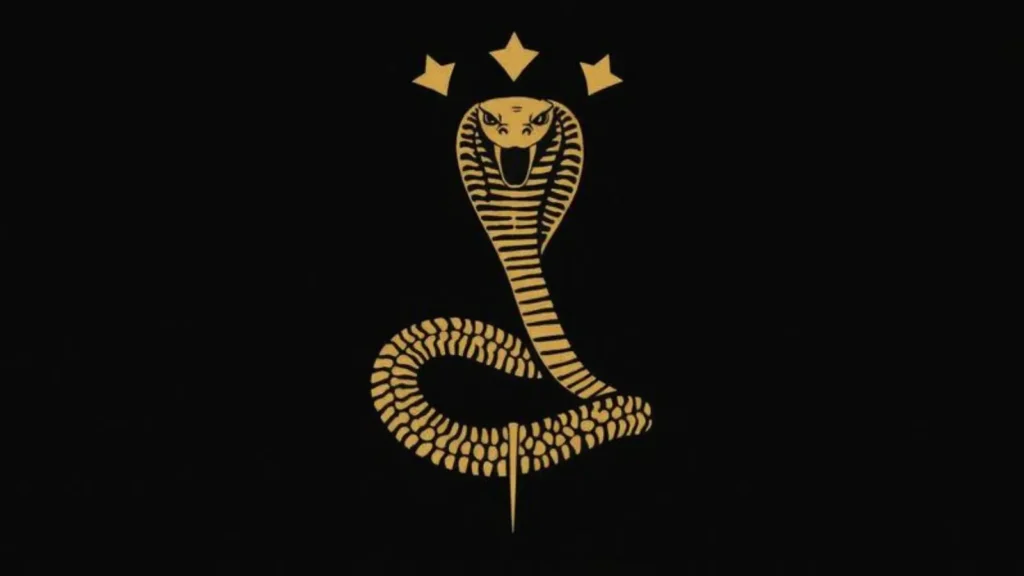
Ancient Egyptians viewed the cobra as a sacred protector.
The uraeus, the upright cobra displayed on royal crowns, represented:
- Divine authority
- Protection of the pharaoh
- Solar power
- Legitimate rule
Rather than symbolizing evil, Egyptian snakes frequently acted as defenders against chaos and enemies.
This positive interpretation influenced later royal iconography throughout neighboring civilizations.
Snake Symbolism in Greek Mythology
Featured Answer
In Greek tradition, snakes most commonly symbolize healing, renewal, and wisdom.
The famous Staff of Asclepius, still used as a medical symbol today, features a single serpent wrapped around a staff.
Why?
Because ancient Greeks believed snakes represented:
- Recovery
- Regeneration
- Medical knowledge
- Natural healing
Their ability to shed skin became a metaphor for physical recovery and renewed life.
Did You Know?
Many people mistakenly believe the Caduceus a staff with two snakes and wings is the original medical symbol.
Historically, the Staff of Asclepius (one snake, no wings) has stronger connections to medicine and healing, while the Caduceus was associated with commerce and the messenger god Hermes.
Snake Symbolism in Hindu Traditions

In Hindu philosophy, snakes often represent sacred cosmic energy rather than fear.
Important symbolic themes include:
Kundalini Energy
A coiled serpent symbolizes dormant spiritual energy believed, in certain yogic traditions, to rise through the body’s energy centers during spiritual practice.
Nāgas
Nāgas appear as powerful serpent beings connected with:
- Water
- Fertility
- Protection
- Wisdom
- Hidden treasures
Unlike simplistic good-versus-evil interpretations, Hindu symbolism presents snakes as powerful natural and spiritual forces deserving respect.
Snake Symbolism in Chinese Culture
Chinese symbolism emphasizes balance rather than absolute good or evil.
The snake often represents:
- Intelligence
- Elegance
- Strategy
- Adaptability
- Intuition
- Patience
Within the Chinese zodiac, individuals born in the Year of the Snake are traditionally described as thoughtful, observant, and resourceful, although personality beliefs vary and should not be interpreted as scientific fact.
Snake Symbolism in Indigenous and Mesoamerican Traditions
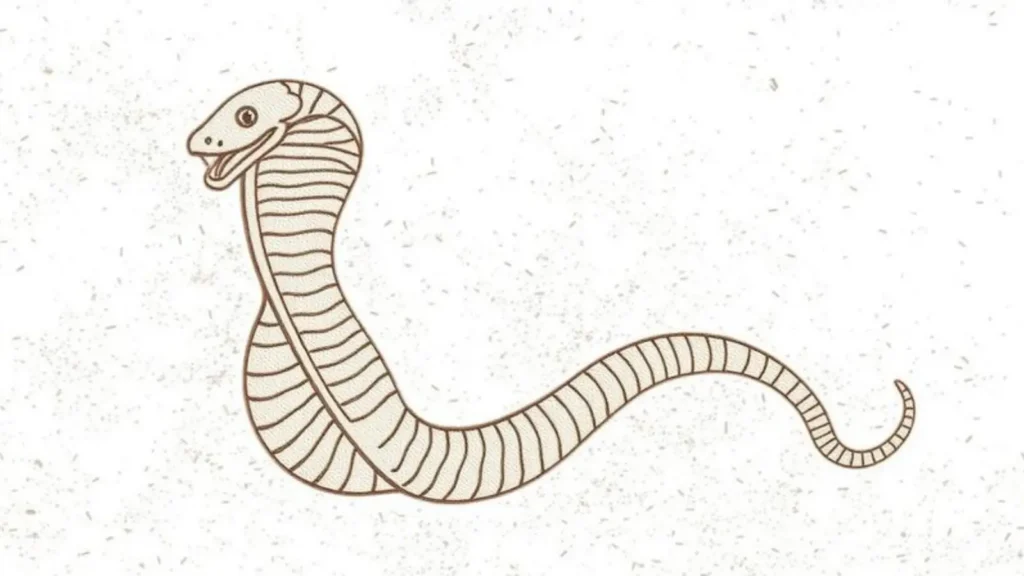
Many Indigenous cultures viewed snakes as essential parts of natural cycles.
Recurring symbolic meanings include:
- Rain
- Fertility
- Agricultural abundance
- Earth energy
- Seasonal renewal
In Mesoamerican civilizations, the Feathered Serpent became one of history’s most influential religious symbols, representing creation, knowledge, civilization, and the connection between earth and sky.
Snake Symbolism in Abrahamic Religious Traditions
In Judaism and Christianity, the serpent in the Garden narrative often symbolizes temptation, moral testing, and the misuse of knowledge.
However, biblical symbolism is more complex than commonly assumed.
Other passages associate serpents with:
- Healing
- Divine judgment
- Wisdom
- Protection
This demonstrates that religious symbolism evolves across different texts rather than remaining entirely consistent.
Psychological Meaning of Snake Symbolism
Quick Answer
Psychologically, snakes often symbolize transformation, hidden fears, instinct, unconscious emotions, personal growth, and inner conflict.
Modern psychology recognizes that symbolic interpretations depend heavily on personal experience and cultural background.
Some individuals associate snakes with:
- Fear
- Anxiety
- Survival instincts
Others perceive them as symbols of:
- Personal growth
- Healing
- Resilience
- Emotional renewal
Rather than assigning universal meanings, psychologists generally explore how symbols relate to an individual’s experiences.
Expert Tip
When interpreting symbolic dreams or artwork involving snakes, avoid assuming one fixed meaning. Consider the surrounding context, personal associations, cultural background, and emotional tone before drawing conclusions.
Spiritual Interpretations of Snake Symbolism
Many spiritual traditions describe snakes as symbols of transformation.
Common spiritual interpretations include:
- Personal awakening
- Renewal
- Inner wisdom
- Spiritual evolution
- Cycles of life
- Energy and vitality
These interpretations belong to specific religious and spiritual traditions and should not be treated as universally accepted or scientifically verified.
Snake Symbolism in Literature
Authors frequently use snakes to represent layered ideas.
Examples include:
- Hidden danger
- Moral ambiguity
- Forbidden knowledge
- Transformation
- Wisdom
- Power
- Revenge
- Temptation
Because snake symbolism carries centuries of cultural associations, writers can communicate complex themes with relatively simple imagery.
Snake Symbolism in Art and Visual Communication
Artists use snakes because they immediately attract attention and evoke emotional responses.
In visual communication, snakes may represent:
- Movement
- Cycles
- Eternity
- Balance
- Mystery
- Nature
- Mortality
Their curved forms also create dynamic compositions that naturally guide viewers’ eyes across artwork.
Snake Symbolism in Branding and Design
Modern designers carefully consider symbolic associations before using snake imagery.
Potential positive brand messages include:
- Transformation
- Intelligence
- Precision
- Luxury
- Renewal
- Innovation
- Healing
Potential negative associations include:
- Deception
- Fear
- Aggression
- Toxicity
Successful branding depends on audience expectations and cultural context.
Practical Applications of Snake Symbolism
Snake symbolism appears in many real-world settings:
- Medical organizations
- Pharmaceutical logos
- Sports mascots
- Luxury fashion
- Jewelry
- Tattoo art
- Educational materials
- Video games
- Films
- Corporate identity
- Architecture
- Religious artwork
- Museum exhibits
Each application emphasizes different symbolic qualities.
Practical Applications
| Field | Symbolic Purpose |
| Medicine | Healing and recovery |
| Literature | Character development |
| Psychology | Personal transformation |
| Branding | Strength and innovation |
| Education | Cultural learning |
| Religion | Spiritual teaching |
| Art | Visual storytelling |
| Tattoos | Personal identity |
Color Psychology and Snake Symbolism
Color significantly changes symbolic interpretation.
| Snake Color | Common Symbolic Associations |
| Green | Growth, nature, renewal |
| Black | Mystery, transformation, protection |
| White | Purity, spiritual awakening |
| Gold | Wisdom, prosperity, divine power |
| Red | Passion, vitality, danger |
| Blue | Knowledge, calmness, intuition |
These meanings vary across cultures and artistic traditions.
Myth vs. Fact
| Myth | Fact |
| Snakes always symbolize evil. | Meanings differ dramatically across cultures. |
| Every religion interprets snakes negatively. | Many traditions associate snakes with healing or wisdom. |
| Snake dreams always predict future events. | Dream interpretation depends on psychological and cultural perspectives. |
| Medical snake symbols represent danger. | They primarily symbolize healing and medicine. |
Common Mistakes When Interpreting Snake Symbolism
Avoid these frequent misunderstandings:
Assuming One Universal Meaning
Snake symbolism changes across cultures.
Ignoring Historical Context
Ancient meanings often differ from modern interpretations.
Confusing Myth with History
Religious stories and myths communicate symbolic truths rather than historical evidence.
Overgeneralizing Psychology
Personal experiences influence symbolic interpretation.
Forgetting Cultural Diversity
A symbol admired in one culture may carry different meanings elsewhere.
Key Insights
- Snake symbolism is one of humanity’s oldest symbolic traditions.
- Meanings vary according to culture, religion, and historical period.
- Transformation remains one of the most consistent interpretations.
- Healing symbolism has influenced modern medicine.
- Literature and art continue to use snake imagery extensively.
- Effective interpretation always considers cultural context.
Why Snake Symbolism Still Matters Today
Modern society continues to rely on symbolic communication.
Snake symbolism influences:
- Brand identity
- Healthcare logos
- Storytelling
- Film
- Digital design
- Fashion
- Jewelry
- Education
- Religious studies
- Museum exhibitions
- Cultural heritage research
Understanding these meanings helps people interpret visual messages more accurately in both traditional and digital media.
Conclusion
Snake symbolism remains one of the richest and most enduring symbolic systems in human history. Across civilizations, snakes have represented transformation, healing, wisdom, protection, fertility, mystery, temptation, and renewal.
These meanings developed through centuries of observation, mythology, religious belief, artistic expression, and cultural storytelling.
Because symbols evolve alongside societies, no single interpretation fully captures what the snake represents. Instead, its significance depends on historical context, cultural traditions, religious beliefs, personal experiences, and intended use.
Appreciating these diverse perspectives strengthens our understanding of communication, design, literature, psychology, branding, education, and cultural heritage.
As visual symbols continue to shape modern media and everyday life, snake symbolism remains a powerful reminder of humanity’s enduring fascination with change, knowledge, and the natural world.

Isabella Carter explores symbolism in nature, literature, art, and spirituality with engaging and informative research.
