
Wisteria symbolism has fascinated artists, gardeners, philosophers, and storytellers for centuries. Known for its cascading clusters of fragrant blossoms and graceful vines, wisteria represents much more than botanical beauty.
Across cultures, it symbolizes longevity, devotion, wisdom, transformation, love, prosperity, humility, and spiritual awakening. Yet its meaning varies depending on cultural traditions, historical periods, and artistic contexts.
Understanding wisteria symbolism provides insight into how humans use flowers to communicate emotions, preserve traditions, express beliefs, and create meaningful visual language in art, architecture, branding, literature, and everyday life.
Wisteria Symbolism in 40–60 Words (Featured Snippet)
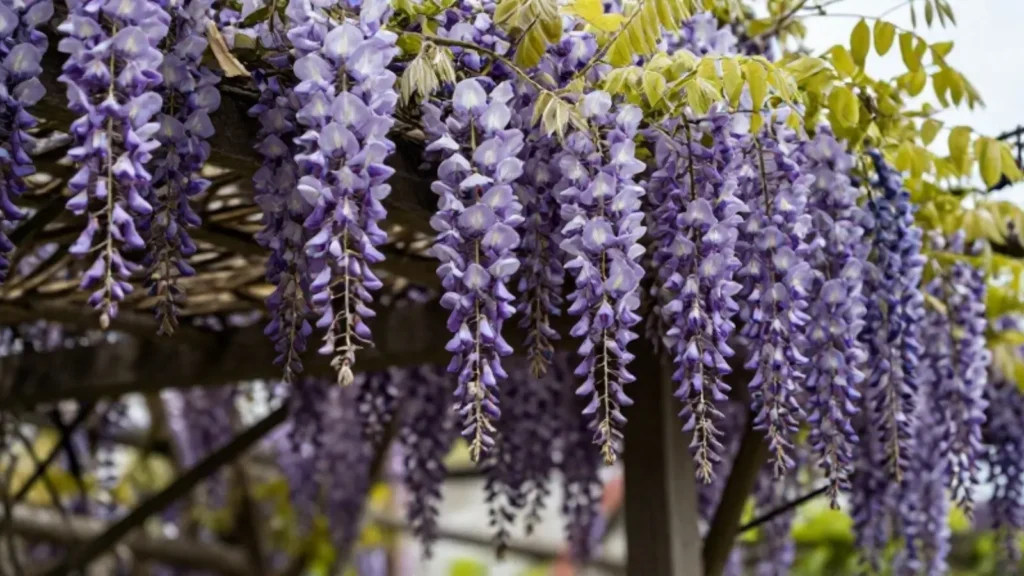
Wisteria symbolism commonly represents longevity, enduring love, wisdom, spiritual growth, humility, prosperity, and transformation. Its cascading blossoms and long lifespan make it a powerful symbol in many cultures, particularly in East Asia, where it reflects respect, patience, harmony, and the beauty that develops gradually through time.
What Does Wisteria Symbolism Mean?
Quick Answer
Wisteria symbolizes the rewards of patience. Unlike flowers that bloom quickly, wisteria often takes years before producing its spectacular blossoms. Because of this natural growth pattern, people associate it with lasting achievements rather than instant success.
Common symbolic meanings include:
- Everlasting love
- Long life
- Wisdom gained through experience
- Patience
- Transformation
- Spiritual growth
- Prosperity
- Honor
- Grace
- Beauty with maturity
These meanings developed through centuries of observation, folklore, religious symbolism, and artistic expression.
The Historical Origins of Wisteria Symbolism
The symbolic meaning of wisteria evolved alongside its cultivation.
Originally native to East Asia and parts of North America, wisteria became treasured in gardens because of its spectacular spring blooms and exceptional longevity. Some ancient vines continue flowering after more than a century, reinforcing associations with endurance and continuity.
Historically, flowering vines often represented connections between heaven and earth. Wisteria’s cascading blossoms naturally inspired themes of spiritual descent, divine beauty, and life’s interconnectedness.
As gardens became places of contemplation rather than merely cultivation, wisteria gradually became associated with wisdom, peace, and reflection.
Why Wisteria Represents Patience

Direct Answer
Wisteria symbolizes patience because many plants require several years before producing abundant flowers.
Unlike annual flowers that bloom quickly, mature wisteria rewards consistent care over time.
This natural characteristic became a metaphor for:
- Personal development
- Lifelong learning
- Strong relationships
- Career success
- Spiritual growth
- Family legacy
Its message is simple:
The greatest rewards often require time.
Cultural Interpretations of Wisteria Symbolism
Symbolism differs around the world.
| Culture | Symbolic Meaning | Traditional Context |
| Japan | Honor, longevity, humility | Gardens, festivals, art |
| China | Prosperity, friendship, blessings | Decorative arts |
| Western Europe | Romance, elegance, nostalgia | Gardens, literature |
| North America | Beauty, resilience, nature | Landscaping and conservation |
| Modern Global Culture | Personal growth, mindfulness, transformation | Wellness and design |
Although interpretations vary, themes of growth, grace, and endurance remain remarkably consistent.
Wisteria Symbolism in Japanese Culture

Japan perhaps offers the richest symbolic tradition surrounding wisteria.
Known as Fuji, wisteria has long been admired for its graceful hanging blossoms.
Japanese symbolism connects wisteria with:
- Respect
- Nobility
- Longevity
- Refinement
- Humility
- Hospitality
- Peace
Ancient aristocratic families appreciated the flower’s elegance, while Buddhist gardens used flowering vines to inspire contemplation and inner calm.
Even today, wisteria festivals celebrate both natural beauty and seasonal renewal.
Wisteria Symbolism in Chinese Traditions
Chinese interpretations emphasize harmony and prosperity.
The vine’s abundant flowers symbolize:
- Family unity
- Long-lasting friendships
- Success through perseverance
- Good fortune
- Fertility
- Positive energy
Traditional artwork often combines wisteria with birds or butterflies, representing joyful relationships and harmonious living.
Spiritual Meaning of Wisteria
Spiritually, wisteria symbolizes gradual awakening rather than sudden enlightenment.
Many people interpret the flower as representing:
- Inner peace
- Faith
- Emotional healing
- Personal evolution
- Divine timing
- Trust in life’s journey
Its downward-hanging blossoms remind observers to remain humble while continuing to grow upward through life’s challenges.
Importantly, these interpretations belong to spiritual traditions rather than established scientific evidence.
Psychological Symbolism of Wisteria
From a psychological perspective, flowers often function as emotional symbols.
Wisteria may encourage associations with:
- Calmness
- Reflection
- Emotional balance
- Hope
- Patience
- Optimism
- Beauty
- Connection to nature
Environmental psychology suggests that exposure to green spaces and flowering plants can contribute to reduced stress and improved well-being, although no specific scientific evidence uniquely attributes these effects to wisteria alone.
Color Symbolism of Wisteria Flowers

Different blossom colors add additional symbolic meaning.
| Flower Color | Symbolic Interpretation |
| Purple | Wisdom, spirituality, dignity |
| Lavender | Grace, serenity, imagination |
| White | Purity, new beginnings, sincerity |
| Pink | Affection, romance, compassion |
| Blue-violet | Peace, inspiration, trust |
Color symbolism varies among cultures and artistic traditions.
Wisteria in Mythology and Folklore
Unlike roses or lotus flowers, wisteria appears less frequently in global mythology.
Instead, folklore often portrays it as representing:
- Lifelong devotion
- Lasting friendships
- Family heritage
- Sacred gardens
- Seasonal renewal
Stories frequently emphasize patience, showing characters rewarded after years of perseverance.
Wisteria in Art and Literature
Artists have long admired wisteria for both its beauty and symbolism.
In paintings, it often communicates:
- Passage of time
- Romance
- Memory
- Nostalgia
- Quiet elegance
Writers use flowering vines to create imagery of:
- Emotional depth
- Hidden beauty
- Transformation
- Interconnected lives
Because vines intertwine with their surroundings, they naturally symbolize relationships and human connection.
Wisteria Symbolism in Landscape Design

Landscape architects intentionally use wisteria to communicate emotional atmosphere.
Design purposes include:
- Creating peaceful entrances
- Framing garden pathways
- Encouraging relaxation
- Celebrating seasonal beauty
- Softening architectural structures
Its cascading blossoms naturally guide the viewer’s attention, making gardens feel more inviting and immersive.
Wisteria in Branding and Visual Communication
Brands occasionally use wisteria-inspired imagery to evoke:
- Luxury
- Elegance
- Sophistication
- Wellness
- Natural beauty
- Heritage
- Calmness
Purple floral branding frequently appeals to businesses focused on:
- Beauty
- Wellness
- Hospitality
- Weddings
- Lifestyle
- Premium products
Visual symbolism helps consumers recognize emotional values beyond literal products.
Religious and Philosophical Interpretations
No major religion assigns universal sacred status to wisteria.
However, philosophical traditions often associate flowering vines with:
- Impermanence
- Renewal
- Humility
- Balance
- Harmony
- Growth
In contemplative gardens, blooming vines encourage mindfulness and appreciation for life’s changing seasons.
These interpretations arise primarily from cultural traditions rather than official religious doctrine.
Wisteria as a Symbol of Transformation
One of the strongest modern meanings of wisteria is transformation.
Its life cycle mirrors personal development:
- Slow beginnings
- Steady growth
- Deep roots
- Spectacular flowering
- Seasonal renewal
This makes wisteria a popular symbol for:
- Recovery
- Education
- Career development
- Personal reinvention
- Healing
- Long-term goals
Did You Know?

Many mature wisteria vines can live for decades—and some carefully maintained specimens survive for more than a century. Their remarkable longevity is one reason they became enduring symbols of lasting relationships, family heritage, and resilience.
Expert Tip
When interpreting flower symbolism, always consider the cultural context. A flower may represent romance in one tradition, spiritual reflection in another, and prosperity in a different historical setting. Symbolic meanings are shaped by history, art, literature, and lived experience rather than fixed universal rules.
Common Mistakes About Wisteria Symbolism
Avoid these misconceptions:
Assuming one universal meaning
Symbolism changes across cultures.
Confusing symbolism with scientific fact
Emotional meanings are cultural interpretations.
Ignoring color differences
Purple and white flowers often carry different symbolic associations.
Overlooking historical context
Modern interpretations may differ from traditional meanings.
Myth vs. Fact
| Myth | Fact |
| Wisteria always symbolizes romance. | It also represents wisdom, patience, prosperity, and transformation. |
| Every culture interprets it the same way. | Symbolic meanings vary across regions and traditions. |
| Spiritual meanings are scientifically proven. | They are cultural and personal interpretations rather than scientific findings. |
| Wisteria is only decorative. | It also serves as a meaningful artistic and cultural symbol. |
Practical Applications of Wisteria Symbolism
People intentionally use wisteria symbolism in many settings.
Personal Gifts
Suitable for:
- Anniversaries
- Weddings
- Retirement celebrations
- Graduation
- Housewarming gifts
Garden Design
Represents:
- Serenity
- Lasting beauty
- Hospitality
- Reflection
Interior Design
Floral artwork featuring wisteria creates a calming atmosphere.
Branding
Luxury brands often use floral imagery to express elegance and timeless quality.
Education
Teachers use flower symbolism to explore literature, anthropology, visual communication, and cultural studies.
Why Wisteria Symbolism Still Matters Today
Modern society communicates visually more than ever.
Flowers continue appearing in:
- Social media
- Digital design
- Advertising
- Fashion
- Wedding themes
- Public gardens
- Museums
- Cultural festivals
Understanding symbolism helps people interpret these visual messages more thoughtfully.
Wisteria reminds us that meaningful growth is rarely immediate. Its enduring appeal reflects values—patience, resilience, beauty, and wisdom—that remain relevant across generations.
Key Insights
- Wisteria primarily symbolizes patience and lasting growth.
- Long-lived vines inspired meanings related to longevity and endurance.
- Japanese traditions strongly associate it with honor and refinement.
- Chinese symbolism often emphasizes prosperity and harmonious relationships.
- Purple blossoms commonly represent wisdom and spirituality.
- Modern interpretations connect wisteria with transformation and mindfulness.
- Symbolic meanings differ by culture, historical period, and artistic context.
Frequently Asked Questions
What does wisteria symbolize spiritually?
Spiritually, wisteria often symbolizes personal growth, inner peace, humility, patience, and trust in life’s natural timing. These meanings come from cultural and spiritual traditions rather than scientific evidence.
Why is wisteria associated with patience?
Because many wisteria plants require several years before blooming abundantly, they became symbols of perseverance, delayed rewards, and achievements earned through consistent effort.
Is wisteria a symbol of love?
Yes. In many traditions, wisteria represents enduring love, devotion, and lasting relationships, especially when its long-lived vines symbolize commitment across time.
What does purple wisteria symbolize?
Purple wisteria commonly symbolizes wisdom, dignity, spirituality, imagination, and noble character. These interpretations are especially common in artistic, cultural, and color psychology traditions.
Does wisteria have different meanings in different cultures?
Yes. Japanese traditions often emphasize honor and humility, Chinese interpretations highlight prosperity and friendship, while many Western interpretations focus on romance, elegance, transformation, and nostalgic beauty.
Conclusion
Wisteria symbolism continues to resonate because it reflects universal human experiences: growth, patience, resilience, beauty, and enduring connection.
Its graceful blossoms have inspired centuries of artistic expression, cultural traditions, and philosophical reflection, while its remarkable longevity reinforces themes of wisdom and lasting achievement.
Although interpretations vary across cultures and belief systems, wisteria consistently reminds us that life’s most meaningful accomplishments often develop gradually.
Whether admired in a tranquil garden, featured in literature, incorporated into branding, or celebrated in seasonal festivals, wisteria remains a powerful symbol of harmony, transformation, and hope.
Understanding its symbolism enriches our appreciation of visual communication, cultural identity, storytelling, design, education, religion, and the enduring relationship between people and the natural world

Isabella Carter explores symbolism in nature, literature, art, and spirituality with engaging and informative research.
