
Lilac symbolism has fascinated people for centuries because this delicate flower represents far more than beauty alone. Across cultures and generations, lilacs have become symbols of first love, youthful innocence, renewal, remembrance, spirituality, and emotional growth.
Their fragrant blossoms and brief blooming season have inspired artists, poets, historians, and gardeners alike, making the lilac one of the world’s most meaningful flowering plants.
Whether appearing in gardens, literature, weddings, paintings, or spiritual traditions, lilacs communicate powerful emotional messages that continue to resonate today.
Understanding lilac symbolism helps us appreciate not only the flower itself but also the universal human desire to express emotions through nature.
Featured Snippet: What Does Lilac Symbolism Mean?
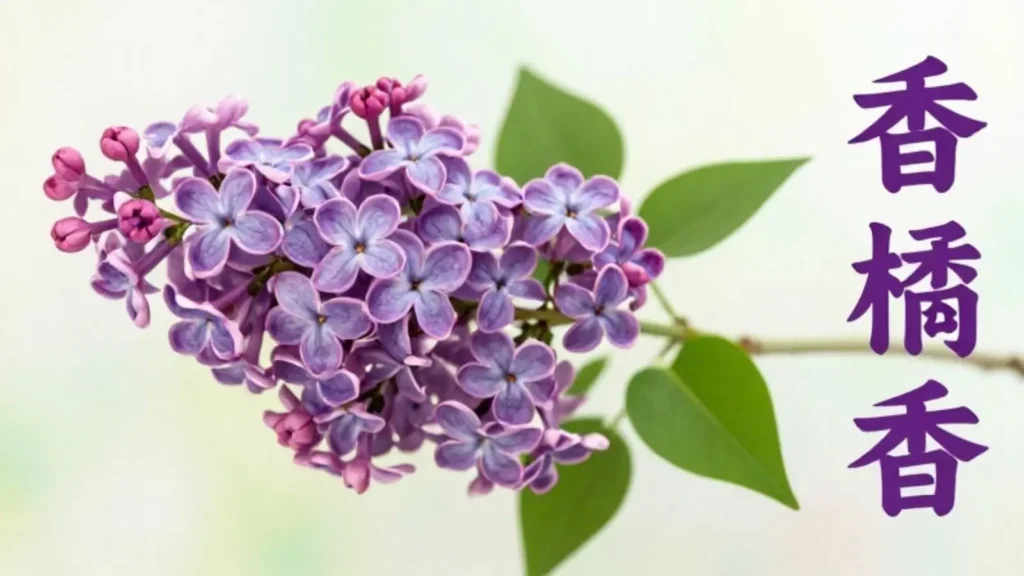
Lilac symbolism represents youth, first love, innocence, renewal, hope, spiritual awakening, and cherished memories. While meanings vary across cultures and flower colors, lilacs are widely associated with new beginnings, emotional growth, lasting affection, and the beauty of life’s fleeting moments.
What Is Lilac Symbolism?
At its core, lilac symbolism reflects the emotional journey of life. Because lilacs bloom early in spring after long winters, they naturally symbolize:
- New beginnings
- Fresh opportunities
- Emotional healing
- Hope
- Youth
- Beauty
- Innocence
- Romantic affection
- Personal transformation
Unlike flowers that represent permanent love or passion, lilacs often symbolize the excitement and innocence of love in its earliest stages.
Their short blooming season also reminds people that beautiful moments deserve appreciation because they never last forever.
The Historical Origins of Lilac Symbolism
Lilacs originated in southeastern Europe and parts of Asia before spreading throughout Europe during the Renaissance.
For centuries, they became popular in monastery gardens, royal estates, and village landscapes.
Several historical influences shaped lilac symbolism.
Ancient Associations
Although lilacs are not deeply rooted in classical mythology like roses or olive trees, later European folklore connected them with:
- Spring festivals
- Fertility celebrations
- Renewal after winter
- Nature’s rebirth
Victorian Language of Flowers
During the nineteenth century, flowers became a silent language.
Lilacs commonly conveyed messages such as:
- First love
- Young romance
- Innocent affection
- Memories of lost love
- Emotional tenderness
Victorians often gifted lilacs when words felt insufficient.
Why Lilacs Symbolize Spring and Renewal
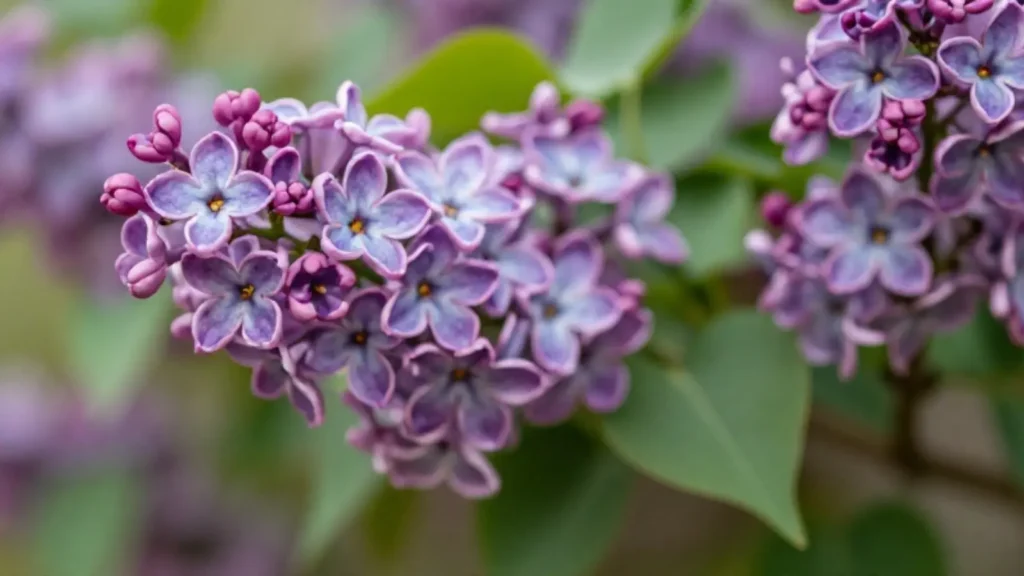
Every spring, lilacs burst into bloom after months of cold weather.
This natural cycle makes them powerful symbols of:
- Hope after hardship
- Recovery
- Emotional resilience
- New opportunities
- Personal growth
- Positive transformation
Many cultures view spring flowers as reminders that difficult seasons eventually pass.
Lilacs beautifully embody this universal truth.
Psychological Meaning of Lilac Symbolism
From a psychological perspective, lilacs evoke calm, nostalgia, optimism, and emotional warmth.
Although symbolic interpretations are cultural rather than scientific facts, psychologists recognize that flowers often influence emotions through color, scent, and personal memory.
Lilacs frequently trigger feelings associated with:
- Childhood memories
- Family traditions
- Peacefulness
- Comfort
- Gratitude
- Reflection
- Emotional security
Their distinctive fragrance is especially connected with autobiographical memory because scents strongly activate memory-related areas of the brain.
Spiritual Meaning of Lilacs
Many spiritual traditions interpret lilacs as symbols of inner transformation.
Common spiritual meanings include:
Spiritual awakening
Blooming after winter represents awakening consciousness.
Purity
Soft blossoms symbolize emotional and spiritual cleansing.
Faith
Returning every spring represents hope during uncertain times.
Personal growth
Lilacs encourage patience and trust in life’s natural cycles.
Gratitude
Their brief blooming reminds people to appreciate the present moment.
These meanings differ among belief systems and should be understood as symbolic traditions rather than universal religious teachings.
Religious Connections of Lilac Symbolism
Lilacs are not sacred flowers within most major religions.
However, they sometimes appear in religious contexts because they symbolize:
- Resurrection
- Hope
- Divine beauty
- Creation
- Renewal
- Joy
Christian communities in some regions associate spring flowers, including lilacs, with Easter celebrations because they bloom around the same season.
These associations are largely cultural rather than doctrinal.
Lilac Symbolism Around the World
Different societies interpret lilacs in unique ways.
| Culture | Common Symbolic Meaning | Context |
| Europe | First love, spring, romance | Gardens, literature |
| North America | Renewal, family traditions | Landscaping, celebrations |
| Victorian England | Young affection, remembrance | Floriography |
| Eastern Europe | Home, heritage, beauty | Folk traditions |
| Modern Global Culture | Hope, elegance, emotional healing | Weddings, gifts, design |
Despite regional differences, renewal and emotional beauty remain recurring themes.
Meaning of Different Lilac Colors
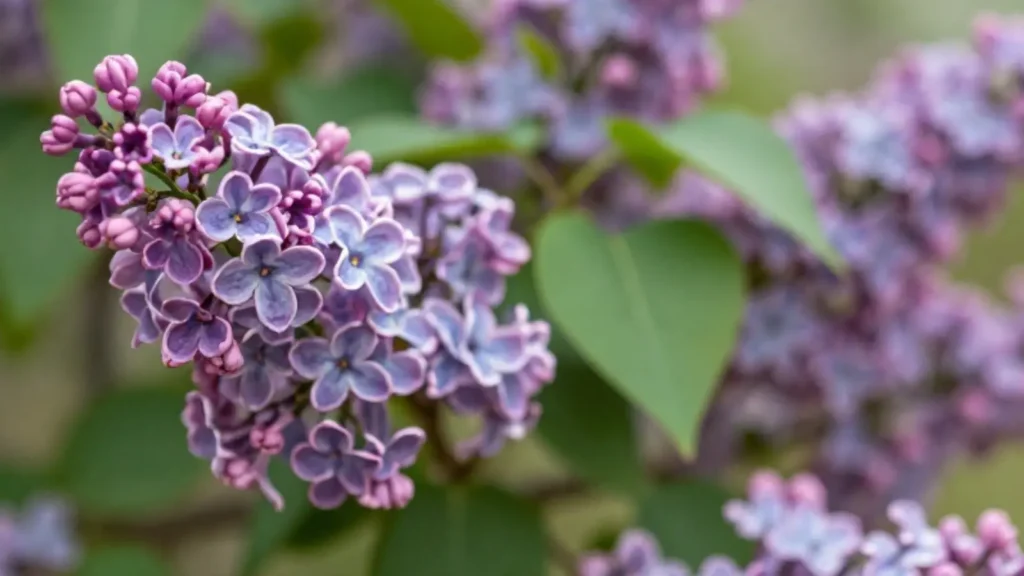
Flower color significantly influences symbolic interpretation.
| Lilac Color | Symbolic Meaning |
| Purple | Spirituality, wisdom, dignity |
| Light Purple | First love, innocence |
| White | Purity, peace, humility |
| Pink | Affection, friendship, admiration |
| Blue-Violet | Tranquility, reflection, trust |
| Deep Violet | Mystery, creativity, transformation |
Color symbolism often varies depending on cultural traditions and personal experiences.
Lilacs in Literature and Poetry
Writers have long used lilacs to communicate emotional depth.
Common literary themes include:
Nostalgia
Lilacs frequently represent cherished memories.
Lost love
Because blooms fade quickly, they symbolize temporary relationships.
Hope
Spring blossoms suggest brighter days ahead.
Renewal
Characters often encounter lilacs during moments of transformation.
Mortality
Some poets use lilacs to reflect on life’s temporary nature.
Rather than simply decorating scenes, lilacs often become emotional symbols that deepen storytelling.
Artistic Representation of Lilacs
Artists appreciate lilacs because they combine beauty with symbolic meaning.
Lilacs appear in:
- Oil paintings
- Botanical illustrations
- Impressionist artwork
- Photography
- Floral still lifes
- Decorative arts
Their soft colors create visual harmony while expressing themes of peace, elegance, and renewal.
Because symbolism enhances artistic storytelling, lilacs remain popular subjects in galleries and contemporary design.
Lilac Symbolism in Mythology and Folklore
European folklore contains several stories about lilacs.
Some traditions associate them with:
- Fairies
- Protective garden spirits
- Romantic blessings
- Spring celebrations
- Household prosperity
Although these legends vary widely by region, they reveal how communities used flowers to explain nature and celebrate seasonal change.
Folklore should be appreciated as cultural heritage rather than historical evidence.
Lilacs and the Language of Love
Lilacs occupy a unique place in romantic symbolism.
Unlike roses, which often symbolize mature passion, lilacs emphasize:
- First attraction
- Gentle affection
- Emotional honesty
- Young relationships
- Romantic optimism
This distinction explains why lilacs remain popular in engagement photography, anniversaries, and spring weddings.
Lilac Symbolism in Dreams
Dream interpretation differs among cultures and psychological approaches.
People commonly interpret dreaming about lilacs as representing:
- Emotional healing
- New beginnings
- Reconnecting with memories
- Personal growth
- Peace
- Hope
Dream symbolism is subjective and depends on personal experiences rather than universal rules.
Lilacs in Modern Branding and Design
Brands often choose lilac-inspired colors because they communicate:
- Creativity
- Calmness
- Sophistication
- Wellness
- Luxury
- Gentleness
- Innovation
Modern marketing uses lilac shades for industries such as:
- Beauty
- Wellness
- Healthcare
- Cosmetics
- Meditation
- Lifestyle products
- Sustainable businesses
The flower’s symbolism naturally supports messages of growth, elegance, and emotional well-being.
Lilacs in Weddings and Celebrations
Lilacs remain popular floral choices because they symbolize hopeful beginnings.
Common occasions include:
- Weddings
- Bridal bouquets
- Baby showers
- Spring festivals
- Mother’s Day
- Graduation celebrations
Their symbolism aligns with life’s meaningful transitions.
Did You Know?
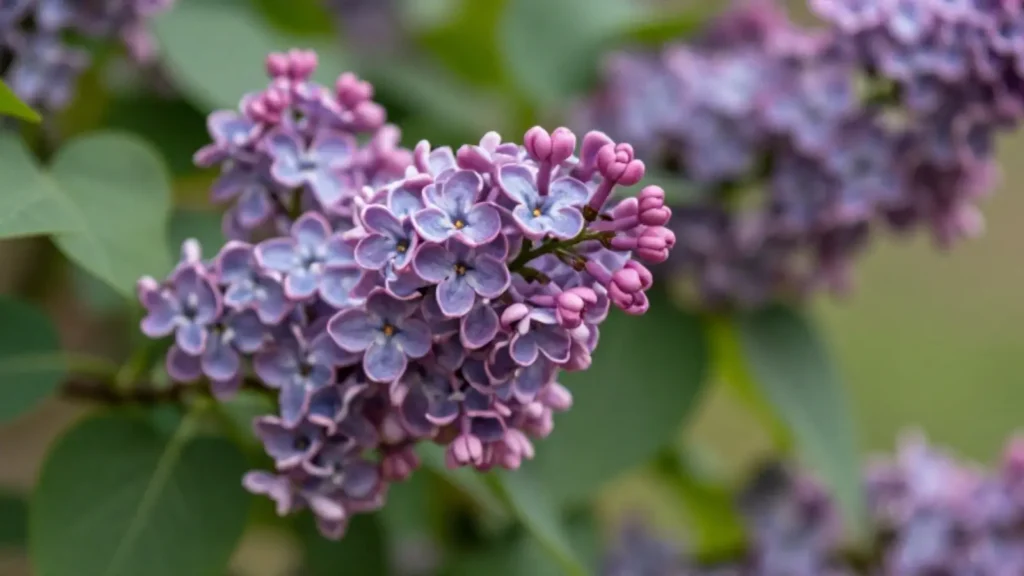
- Lilacs belong to the olive family (Oleaceae).
- Some lilac shrubs can live for more than 100 years with proper care.
- Their fragrance is among the most recognizable scents in ornamental gardening.
- Lilacs typically bloom for only a few weeks each spring, enhancing their symbolism of life’s fleeting beauty.
Expert Tip
When choosing lilacs for gifts, consider both the flower color and the occasion. White lilacs often express sympathy or peace, while purple varieties are more suitable for celebrating achievements, spiritual milestones, or new beginnings.
Common Mistakes About Lilac Symbolism
Many people misunderstand the symbolic meaning of lilacs.
Common misconceptions include:
- Assuming all purple flowers share identical meanings.
- Believing lilacs always symbolize romantic love.
- Ignoring differences between flower colors.
- Treating folklore as historical fact.
- Assuming symbolism is universal across all cultures.
Understanding cultural context provides a richer and more accurate interpretation.
Myth vs. Fact
| Myth | Fact |
| Lilacs only symbolize romance. | They also represent renewal, memory, spirituality, and hope. |
| Every culture interprets lilacs identically. | Symbolic meanings vary by region and tradition. |
| Purple lilacs always represent royalty. | They often symbolize spirituality, wisdom, and dignity instead. |
| Flower symbolism has scientific proof. | Symbolism reflects cultural traditions and shared human experiences rather than scientific laws. |
Practical Applications of Lilac Symbolism
Understanding lilac symbolism has practical value beyond flower appreciation.
Personal Gifts
Lilacs communicate thoughtful emotional messages.
Home Design
Lilac-inspired décor creates peaceful environments.
Branding
Businesses use lilac colors to project creativity and trust.
Education
Teachers explore lilac symbolism in literature, history, and art.
Mental Wellness
Nature-based symbolism encourages mindfulness and reflection.
Creative Writing
Authors use lilacs to represent emotional transitions and character development.
Lilac Symbolism Compared with Other Flowers
| Flower | Primary Symbolism | Emotional Theme |
| Lilac | First love, renewal | Hope and growth |
| Rose | Passion, enduring love | Romance |
| Lily | Purity, rebirth | Spirituality |
| Lavender | Calm, healing | Relaxation |
| Cherry Blossom | Impermanence | Fleeting beauty |
| Sunflower | Joy, optimism | Positivity |
Each flower communicates distinct emotional messages depending on context.
Key Insights
- Lilacs symbolize both emotional beginnings and meaningful memories.
- Their spring blooms naturally represent renewal and hope.
- Different flower colors carry unique symbolic meanings.
- Cultural interpretations vary across regions and traditions.
- Lilacs remain relevant in literature, branding, art, design, and personal celebrations.
Why Lilac Symbolism Still Matters Today
Despite rapid technological change, symbols remain essential to human communication.
Lilacs continue to influence:
- Visual storytelling
- Floral design
- Garden planning
- Wedding traditions
- Interior decoration
- Brand identity
- Literature
- Poetry
- Fine art
- Social media aesthetics
Their enduring popularity demonstrates how natural symbols continue helping people express emotions that words alone sometimes cannot capture.
Conclusion
Lilac symbolism is far richer than simple floral beauty. Across centuries and cultures, lilacs have represented first love, innocence, renewal, remembrance, hope, spirituality, and emotional growth.
Their brief yet spectacular spring bloom reminds us that life’s most meaningful moments are often temporary, making them all the more precious.
Although symbolic meanings differ according to historical traditions, cultural perspectives, flower colors, and personal experiences, lilacs consistently communicate themes of transformation, resilience, and appreciation.
Whether featured in literature, art, gardens, branding, education, religion, or everyday celebrations, the lilac remains a timeless symbol of beauty, renewal, and heartfelt human connection.

Amelia Rosewood writes about symbolic meanings, ancient traditions, and the emotional connections between humans and symbols.
